
Eucalyptus tea: possible benefits, side effects and safe use
Eucalyptus tea is a strongly scented herbal infusion, but its reputation often goes further than the evidence. This guide explains its possible benefits, side effects, preparation and place in a tracked diet.
What eucalyptus tea actually is
Eucalyptus tea is made by steeping suitable dried eucalyptus leaves in hot water. It has a fresh, woody aroma and a flavour that can seem cooling or slightly bitter. It does not contain tea leaves, so it is classed as a herbal infusion rather than traditional tea.
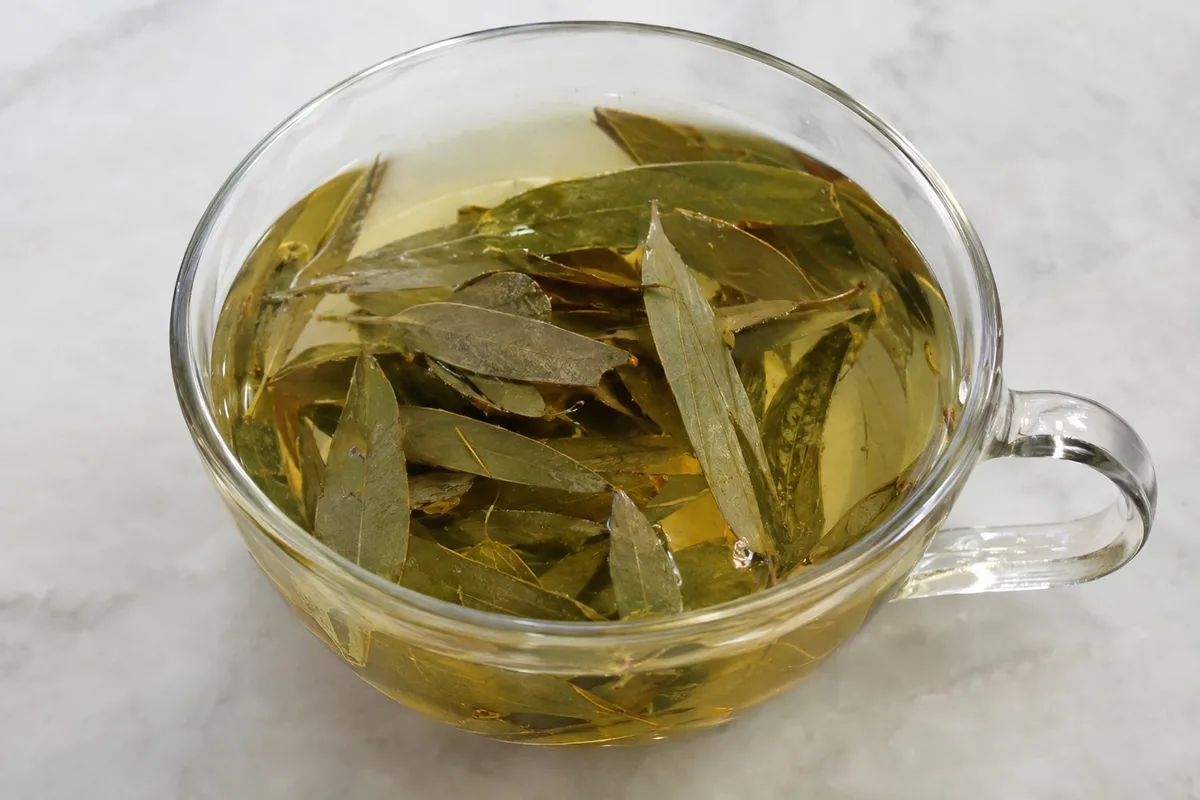
The leaves used for a packaged tea are not the same as eucalyptus essential oil. Essential oil is highly concentrated and should not be swallowed or added to drinks. Leaves picked from an unidentified tree are also unsuitable because not every eucalyptus product is prepared for use as food.
- Choose dried leaves clearly labelled for making tea
- Follow the preparation directions on the packet
- Keep eucalyptus essential oil out of food and drinks
- Do not use decorative or unidentified leaves
Possible benefits without the hype
A warm cup can be soothing to drink, and the strong aroma may feel refreshing. Eucalyptus leaves also contain plant compounds with antioxidant properties. However, finding these compounds in a leaf does not prove that a cup of tea will produce a particular result in the body.
Research specifically on drinking eucalyptus tea is limited. Many broad claims come from traditional use, laboratory work or research on concentrated extracts rather than an ordinary infusion. It is therefore more accurate to view the tea as an optional drink, not as a reliable way to change health outcomes.
- Provides a warm, aromatic drink
- May offer a change from caffeinated drinks
- Contains naturally occurring plant compounds
- Can add variety without requiring a sweet flavour
How it fits into food tracking
Plain eucalyptus tea usually contributes little energy because only a small amount of material passes from the leaves into the water. The exact number depends on the leaves, portion and brewing method. If your tracker has no suitable entry, logging it as an unsweetened herbal infusion is a practical approach.
Added ingredients often matter more to the log than the brewed leaves. Sugar, syrup, honey, milk and plant-based drinks can change the energy and nutrient totals. Record these separately using the amount you actually add rather than relying on a generic sweetened-tea entry.
Tracking can also help you notice how the drink fits into your routine. Note the serving size and any symptoms rather than assuming that a natural ingredient will suit everyone. A detailed log is especially useful when trying a small amount for the first time.
- Log the infusion separately from sweeteners
- Measure additions when accuracy matters to you
- Use a consistent serving description
- Make a note if you notice discomfort
Side effects and reasons for caution
Eucalyptus tea can cause unwanted effects, particularly when it is strong or consumed in large amounts. Possible signs include nausea, stomach discomfort, dizziness or irritation around the mouth and throat. The amount that causes trouble depends on the person and the preparation.
Stop drinking it if you develop a rash, swelling, breathing difficulty or another sudden reaction. Breathing difficulty or marked swelling needs urgent professional help. Do not test the drink again simply to check whether it caused the reaction.
Extra caution is sensible during pregnancy or breastfeeding, and when preparing the drink for a child. There is not enough clear information to assume that every strength or serving is suitable in these situations. A qualified health professional can give advice based on individual circumstances.
- Avoid swallowing eucalyptus essential oil
- Do not make an unusually concentrated brew
- Stop if the drink causes discomfort
- Store the leaves away from children and pets
Preparing a simple cup
Use only a food-grade product intended for brewing. Steep it according to the supplier's directions, then strain out the leaves before drinking. A longer steep may taste stronger, but stronger does not automatically mean more beneficial.
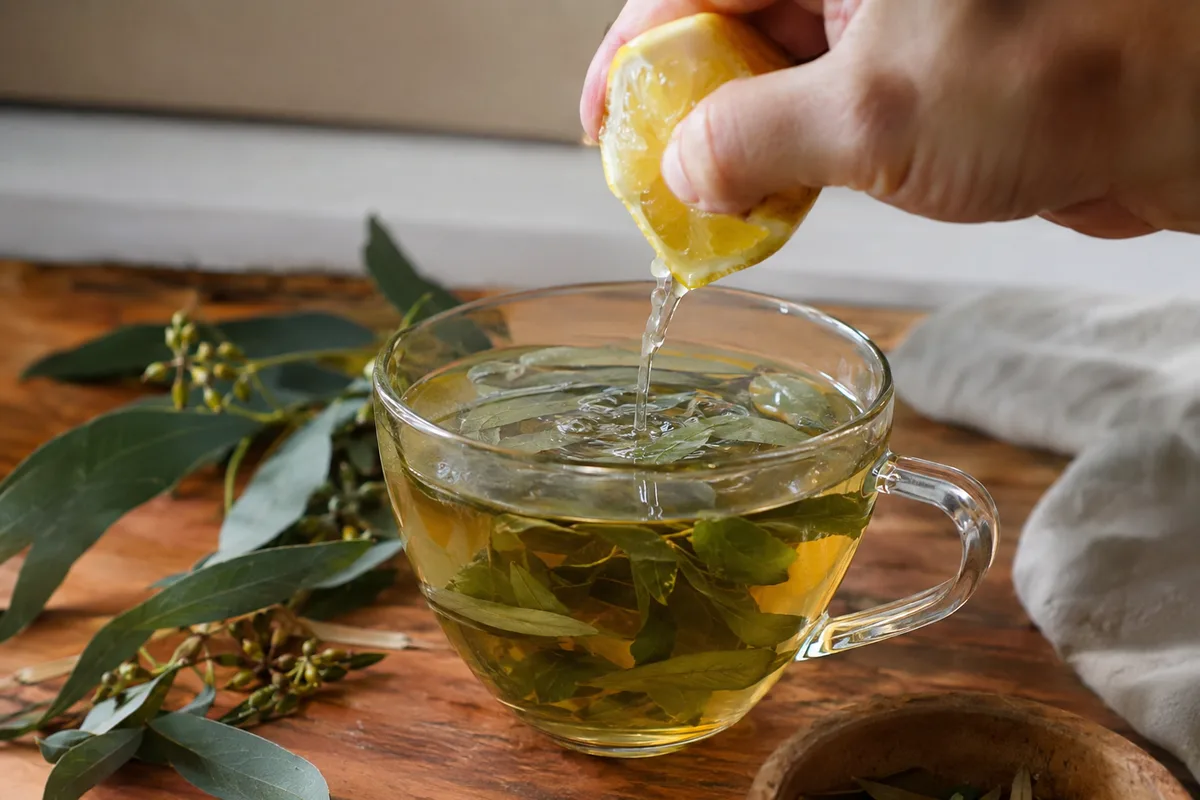
Try the tea plain before adding other flavours. If the taste is too intense, use more water or shorten the steeping time rather than adding more leaves. Lemon or a measured sweetener can soften the flavour, although any addition should be included in your food log.
Begin with a modest serving and avoid making several strong cups part of your routine straight away. This gives you a chance to judge the flavour and how you feel afterwards. If the tea repeatedly causes discomfort, leave it out.
- Use a product labelled for brewing
- Measure the leaves as directed
- Add hot water and steep for the stated time
- Strain fully before drinking
- Record any milk, lemon or sweetener separately
The practical takeaway
Eucalyptus tea can be an aromatic alternative when you want something different from ordinary tea or coffee. Its clearest benefit is simple enjoyment and variety, while wider health claims remain uncertain. It should not be treated as a shortcut that compensates for an unbalanced eating pattern.
For tracking purposes, focus on what is actually in the cup. Record sweeteners and milky additions, use the same entry consistently, and pay attention to serving size. Most importantly, keep essential oil out of drinks and use only leaves prepared and labelled as food.