
How to combine food tracking and exercise for weight loss
Weight loss depends on your overall energy balance, while food choices and movement affect how manageable the process feels. This guide explains how to use your existing food log, plan satisfying meals and choose exercise you can repeat.
Start with the role of energy balance
Your body uses energy throughout the day, and food and drink provide that energy. Weight loss can occur when your average intake is lower than the energy your body uses over time. The exact intake needed for this balance depends on the person, so another person's target may not suit you.
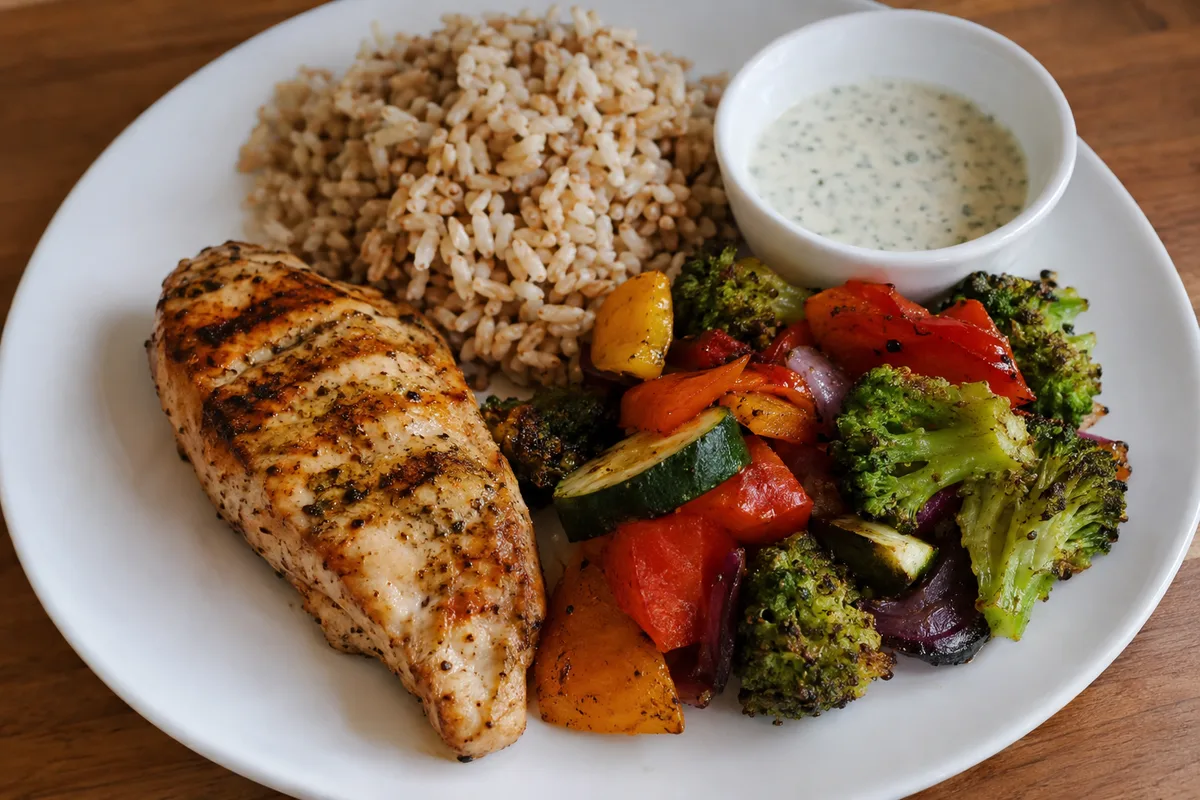
Exercise can increase the energy you use, but it does not make food intake irrelevant. It is often more practical to treat eating and movement as two connected parts of the plan. Your food log can then show whether your usual pattern is moving you towards your goal.
- Look at your average intake across several typical days rather than judging one meal.
- Include drinks, cooking oils, sauces and small bites in your log.
- Notice repeated habits that add energy without making meals more satisfying.
- Make one manageable adjustment before changing several parts of your routine.
Use your food log to find useful changes
A food diary is most helpful when it records what really happened, not what you hoped to eat. Keep logging weekends, meals out and less structured days as well as ordinary weekdays. This gives you a clearer view of where changes could fit without redesigning your whole diet.
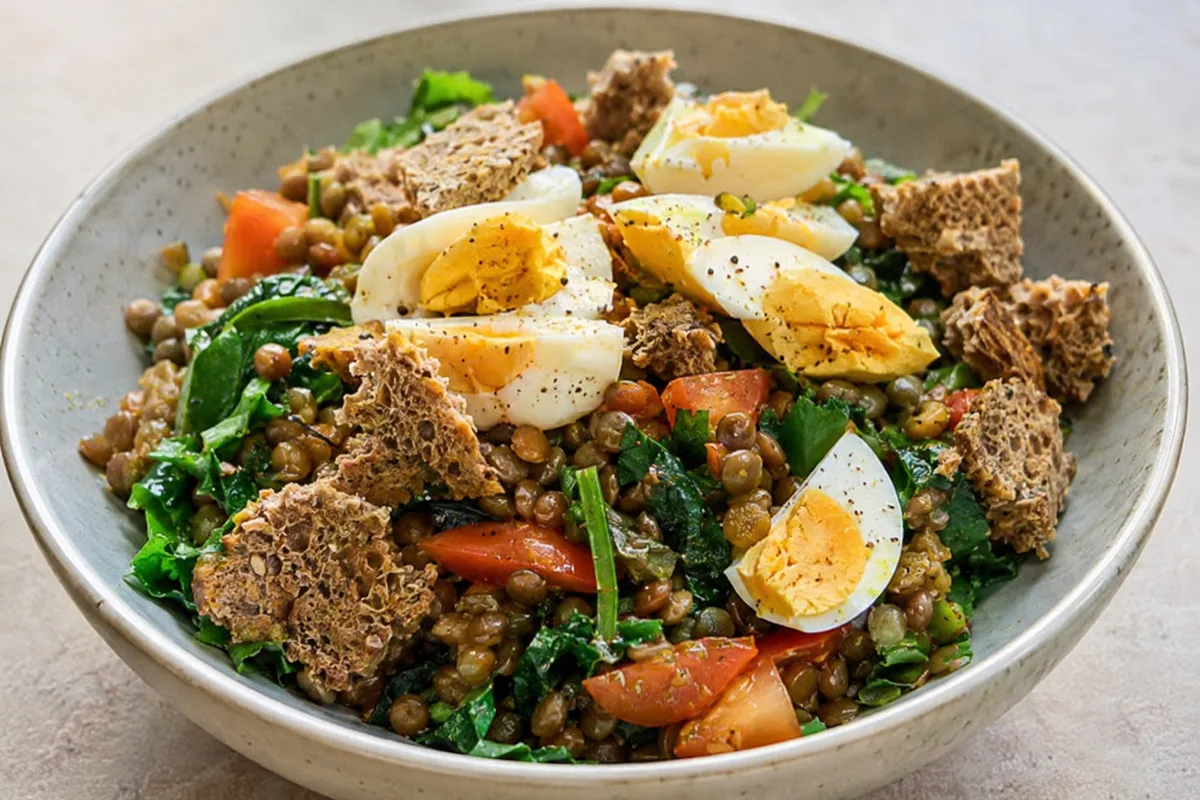
Start with foods or drinks you have often, because small recurring choices can matter more than an occasional celebration. You might reduce a portion, have an item less often or replace it with something more filling. There is no single best swap, and the right choice depends on your appetite and preferences.
- Compare portions of energy-dense extras such as oils, dressings, spreads and sauces.
- Check whether drinks are adding energy without helping you feel full.
- Notice when snacks come from hunger and when they come from routine or convenience.
- Keep favourite foods in the plan by adjusting their frequency or portion rather than banning them.
Build meals that are easier to stick with
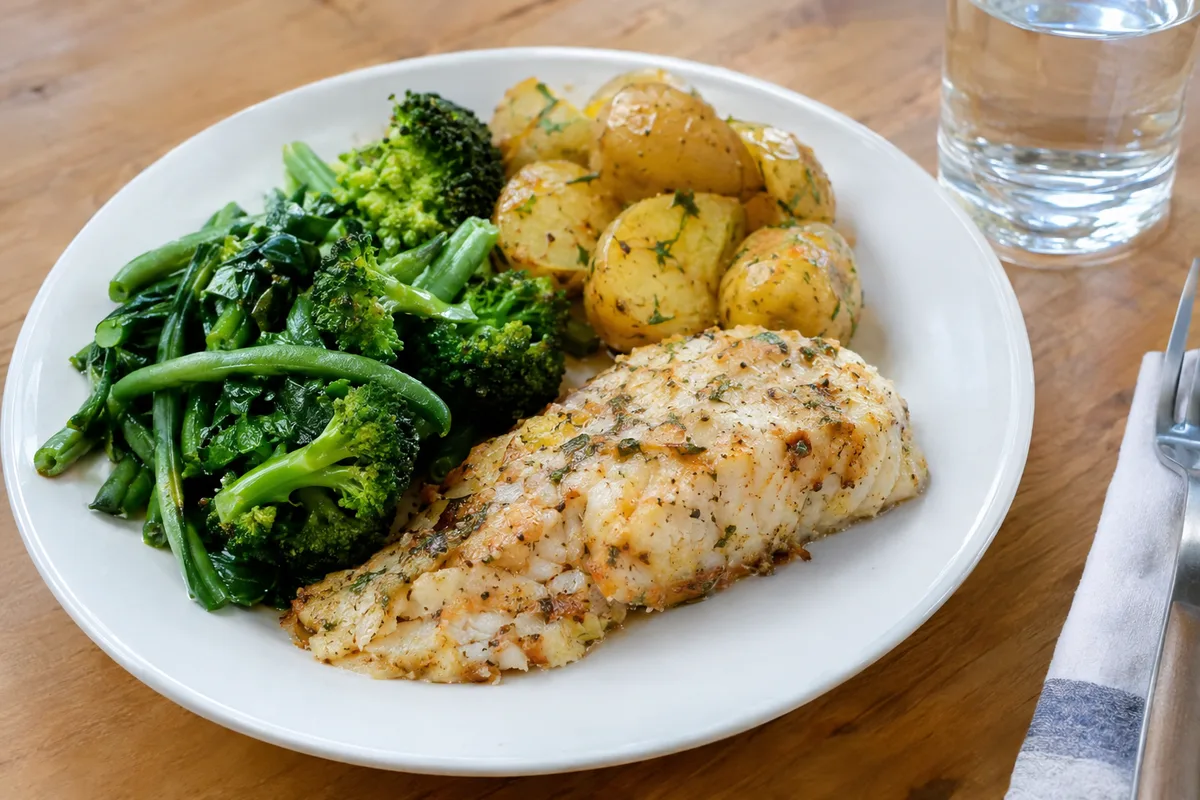
A useful meal usually combines a protein source, high-fibre foods and some fat for flavour and satisfaction. Protein sources include eggs, fish, poultry, yoghurt, tofu, beans and lentils. Fibre comes from foods such as vegetables, fruit, wholegrains, beans and pulses.
You do not need a perfect plate at every meal. Aim for a pattern that keeps you reasonably satisfied and fits the intake you are tracking. If a meal regularly leaves you hungry soon afterwards, adjust its ingredients rather than relying only on willpower.
- Add vegetables or salad to meals where they fit naturally.
- Choose a clear protein source rather than leaving the meal mostly based on refined carbohydrate.
- Use potatoes, rice, pasta, bread or other grains in portions that match your overall plan.
- Include measured oils, nuts, cheese or dressings when these are easy to underestimate.
- Choose fruit, yoghurt or another planned option when you want a snack.
Choose exercise you can repeat
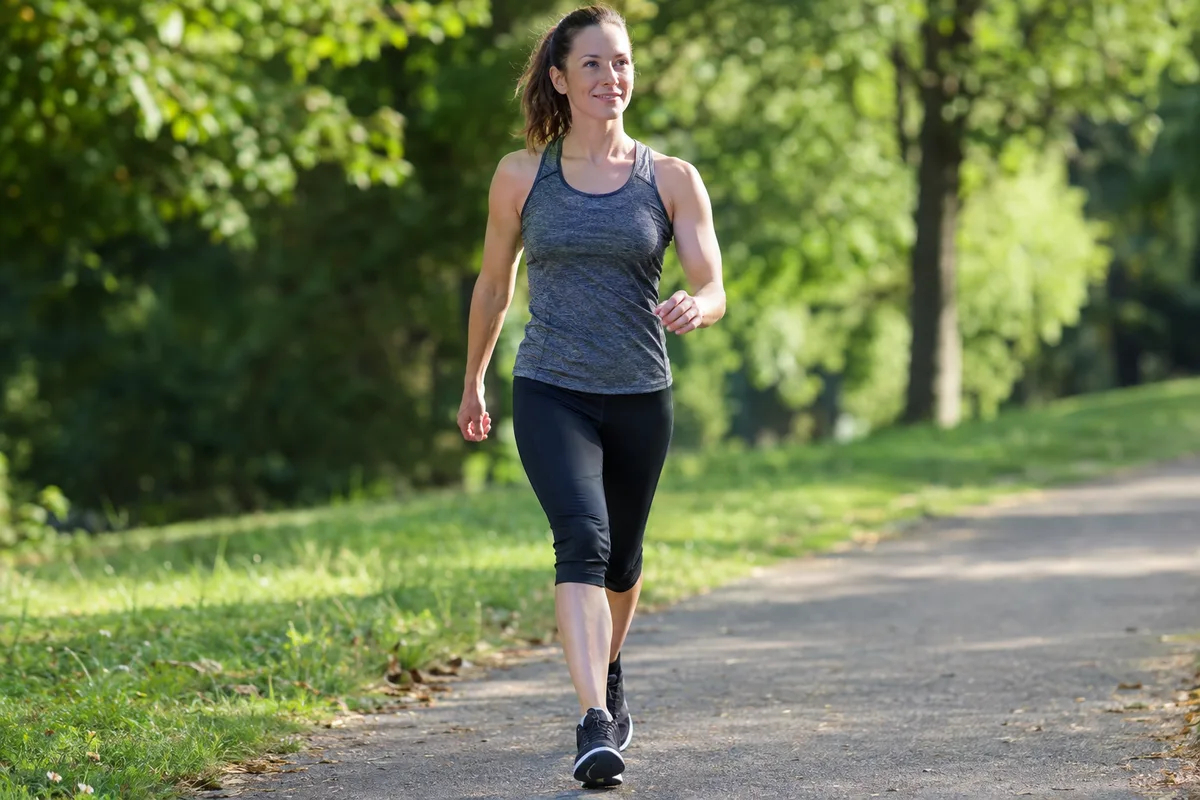
The best exercise plan is one you can perform regularly and recover from. Walking, cycling, swimming, strength work and active hobbies can all contribute to your daily movement. Your choice should reflect your current ability, available time and what you are willing to keep doing.
Exercise calorie estimates are only estimates and can vary with body size, pace, terrain and technique. Avoid automatically eating back every calorie that an activity estimate claims you used. Instead, watch your food log, hunger, energy and longer-term progress together.
- Begin with a manageable amount of movement and build gradually.
- Schedule activity at times that usually work rather than waiting for spare time.
- Include strength-based movement alongside activities that raise your breathing rate.
- Use duration, distance or completed sessions to track consistency instead of focusing only on estimated calories.
- Choose a simpler session when you are tired rather than abandoning the routine entirely.
Plan food around exercise without overcomplicating it
Many ordinary meals already provide enough carbohydrate and protein for a typical exercise session. You may prefer to eat before activity, while someone else may feel more comfortable exercising between meals. The timing and amount depend on the session, your appetite and how your body feels.
After exercise, return to your usual planned eating pattern rather than treating the session as a reason for an unplanned reward. A meal containing protein, carbohydrate and fluids can support recovery. Longer or more demanding sessions may change your needs, but the amount varies by person.
- Before exercise, choose a familiar meal or snack that feels comfortable to digest.
- After exercise, combine a protein source with bread, rice, potatoes, pasta, fruit or another carbohydrate food.
- Drink water regularly and pay attention to thirst.
- Log exercise-related snacks and drinks just as you log the rest of your intake.
Review the plan and adjust one thing at a time
Daily body weight can shift for reasons unrelated to body fat, including food volume and normal changes in body water. Look for a trend over time rather than reacting to a single reading. Also consider whether your plan supports steady energy, manageable hunger and regular exercise.
If your trend is not moving in the direction you want, check the accuracy and consistency of your food log first. Then make one modest change to intake or activity and allow enough time to observe the result. A plan that is too strict may be harder to follow than a slower, more flexible approach.
- Review your average intake and repeated eating patterns.
- Check whether portions have gradually changed.
- Look for missed drinks, sauces, snacks or weekend meals.
- Assess whether your exercise routine is consistent enough to judge.
- Keep changes that feel workable and revise those that repeatedly break down.