
What is the fastest way to burn carbohydrates?
Your body uses carbohydrates all day, but harder movement usually makes it rely on them more heavily. This guide explains what that means, which activities help and how to use your food log alongside exercise.
What burning carbohydrates actually means
Carbohydrates from food are broken down into glucose, which your body can use for energy. Some is used soon after eating, while some is stored in your muscles and liver as glycogen. Your body moves between carbohydrate and fat rather than switching one fuel completely on or off.

You also cannot choose to burn only the carbohydrates from your latest meal. The mix of fuel used depends on exercise intensity, duration, recent meals, fitness and your own physiology. This means there is no single amount of activity that clears a set portion of carbohydrate for everyone.
Burning more carbohydrate during one session is not the same as losing body fat. Changes in body weight depend on energy intake and expenditure over time, along with other personal factors. Treat carbohydrate use as part of normal energy metabolism rather than something that needs to be erased after eating.
Harder movement generally uses carbs faster
During gentle movement, your body has time to draw on a mixture of fat and carbohydrate. As the effort becomes harder, carbohydrate tends to supply a larger share of the energy because it can support demanding muscle work quickly. Activities involving large muscle groups are useful because more muscle is working at once.
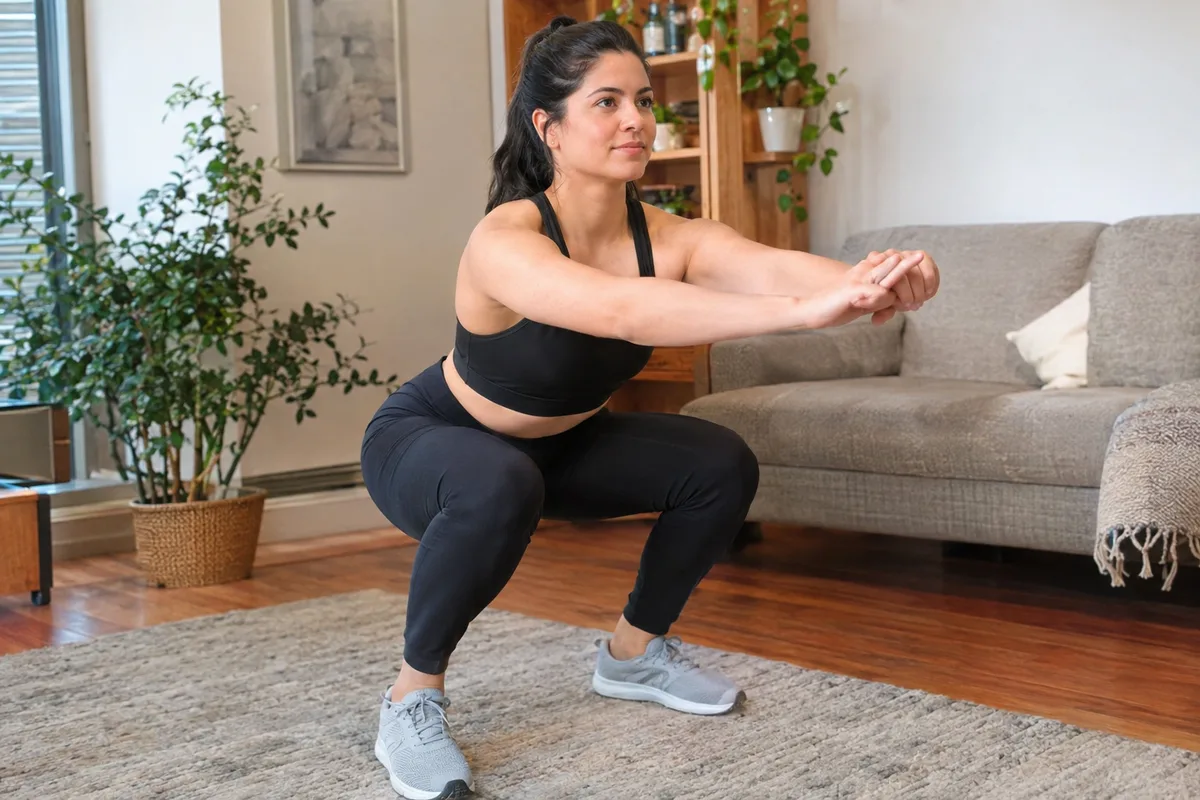
Running, brisk uphill walking, fast cycling and energetic swimming can all raise carbohydrate use. Short bursts such as climbing stairs or quick bodyweight movements also demand readily available energy. The fastest suitable option is the hardest large-muscle activity you can perform with control, not simply the most punishing one you can imagine.
Intensity is personal, so use your breathing and movement quality as guides. A vigorous effort feels challenging, makes conversation difficult and cannot usually be maintained as long as a steady pace. Slow down if your form becomes poor or you feel unwell.
- Run or walk quickly up a hill
- Cycle at a strong, controlled pace
- Swim continuous lengths with purposeful effort
- Climb stairs steadily
- Perform repeated squats or step-ups
Intervals can concentrate the effort
Intervals alternate harder work with easier recovery. The harder periods increase the demand for carbohydrate, while the easier periods let you regain enough control to repeat the effort. The exact length and number of rounds depend on your current ability and the activity you choose.
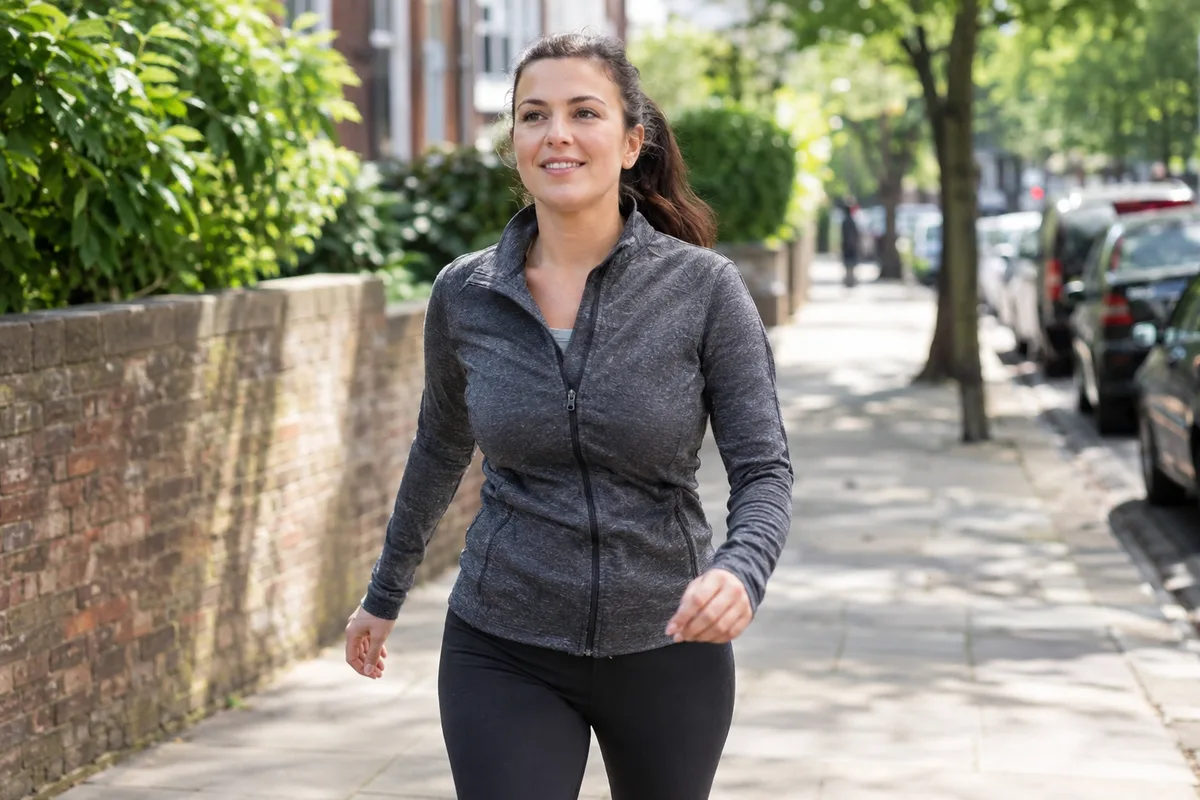
Begin with a comfortable warm-up, then raise the pace for a brief period before easing back. Repeat only while your technique remains steady, and finish at an easier pace. A longer session is not automatically better if fatigue causes your movement to deteriorate.
Intervals do not need to involve sprinting. A brisk hill walk followed by level walking can create the same basic pattern, as can faster and slower lengths in a pool. Choose a gap between easy and hard that is noticeable but manageable.
- Warm up at an easy pace
- Increase the pace or resistance for a brief interval
- Recover with gentle movement rather than stopping suddenly
- Repeat while you can keep good form
- Finish with an easy cool-down
Steady activity still counts
Vigorous exercise may use carbohydrate quickly, but steady activity can continue for longer and still uses energy. Brisk walking, relaxed cycling, swimming and active household tasks all contribute. The best choice is often the one that fits your day and can be repeated consistently.
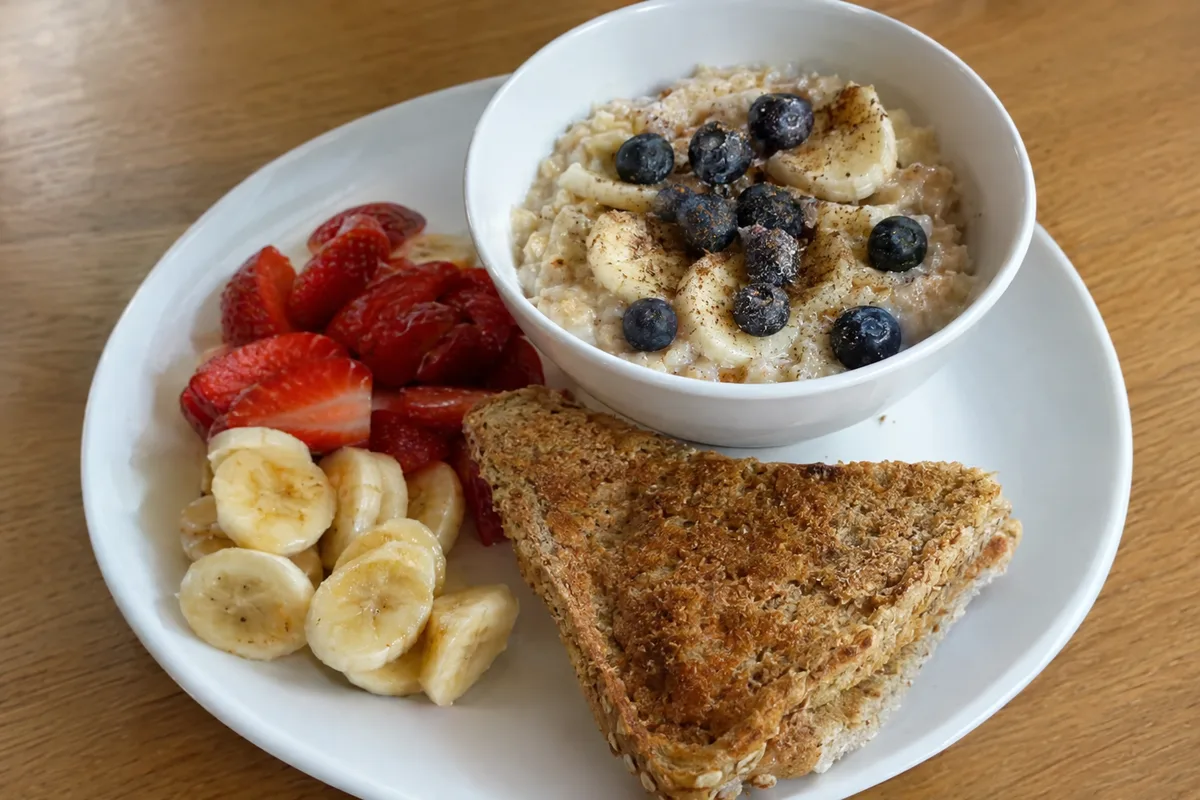
A walk after eating does not cancel the meal, but it gives your muscles an immediate job to do. Several ordinary bouts of movement across the day may be more practical than one demanding session. Their effect varies with pace, duration, body size, fitness and what you have eaten.
Do not dismiss low-intensity movement because it uses a different fuel mix. Total activity matters alongside the proportion supplied by carbohydrate. Recovery also matters, especially when you already train hard.
- Take a brisk walk after a meal
- Walk for short journeys where practical
- Use stairs at a controlled pace
- Add an active household or garden task
- Break up long seated periods with movement
Use your food log without trying to repay meals
Your log can help you notice how meals affect comfort, hunger and energy during activity. It cannot tell you exactly which bite of food is being burned at a particular moment. Exercise estimates are also broad because the true energy cost depends on the person and the conditions.
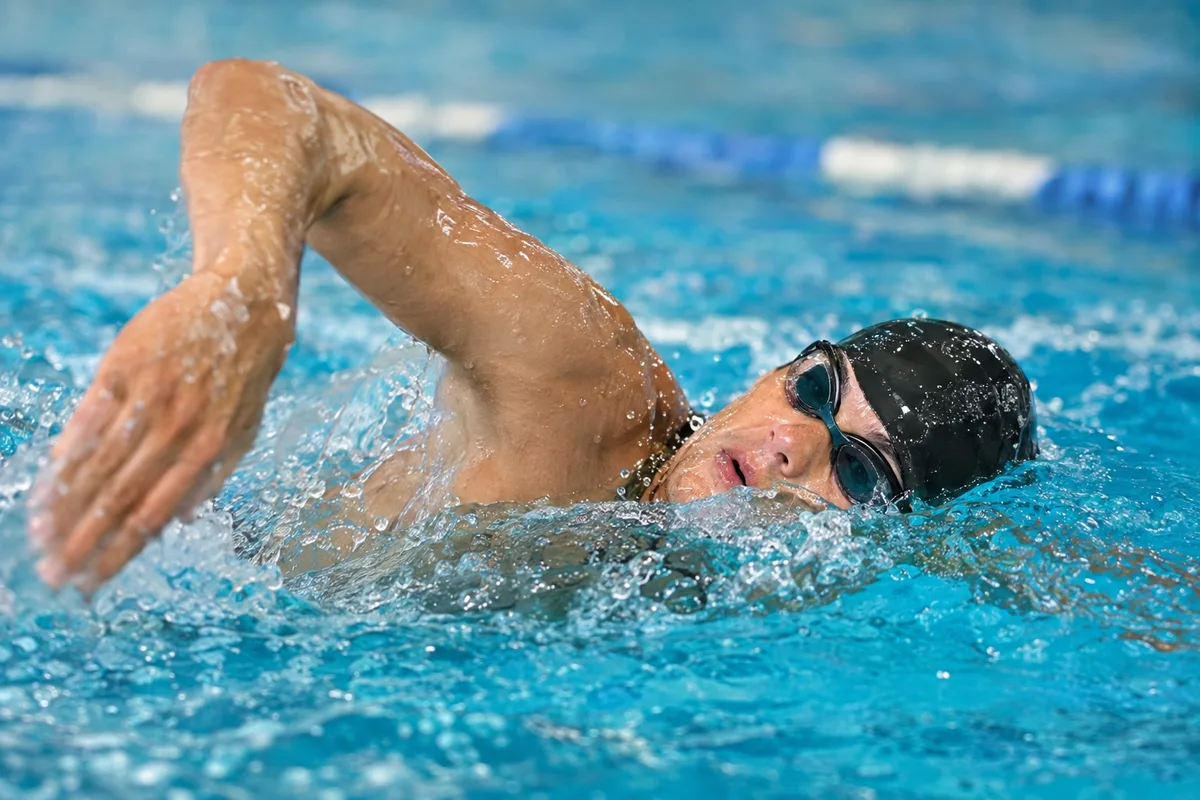
Before harder exercise, a carbohydrate-containing meal or snack may support the work, depending on timing and personal preference. Examples include fruit, oats, bread, rice or potatoes alongside other foods that make the meal satisfying. There is no need to remove all carbohydrate simply because you want your body to use it.
Avoid treating exercise as a repayment for eating. Instead, track food and movement as separate parts of the same routine, then look for patterns over time. A sustainable plan combines meals that suit your needs with activity you can recover from and repeat.
- Note what you ate and roughly when
- Record the type and duration of movement
- Add a simple note about energy and comfort
- Review repeated patterns rather than one session
The practical answer
If your aim is to use carbohydrates quickly, vigorous movement involving large muscles is the most direct approach. Running, uphill walking, cycling, swimming and controlled intervals are straightforward examples. Your fastest safe pace will depend on your fitness, experience and surroundings.
You do not need an extreme session to make activity worthwhile. Warm up, increase the effort gradually and stop before fatigue disrupts your technique. Regular movement matters more than trying to exhaust stored carbohydrate in one go.
Keep the goal in perspective. Your body needs carbohydrate for everyday activity and demanding exercise, and its fuel use changes from moment to moment. Use your tracking record to build a routine that supports eating, movement and recovery rather than chasing a precise burn figure.