
Can a Daily 30-Minute Treadmill Walk Reduce Belly Fat?
Walking on a treadmill for 30 minutes each day adds regular movement to your routine and uses energy. It may support belly fat loss over time, but food intake, walking intensity and individual body patterns also matter.
Walking burns energy, not fat from one chosen area
A treadmill walk makes your muscles work and increases the energy your body uses. When your average energy intake is lower than your average energy use over time, stored body fat can help cover the difference.
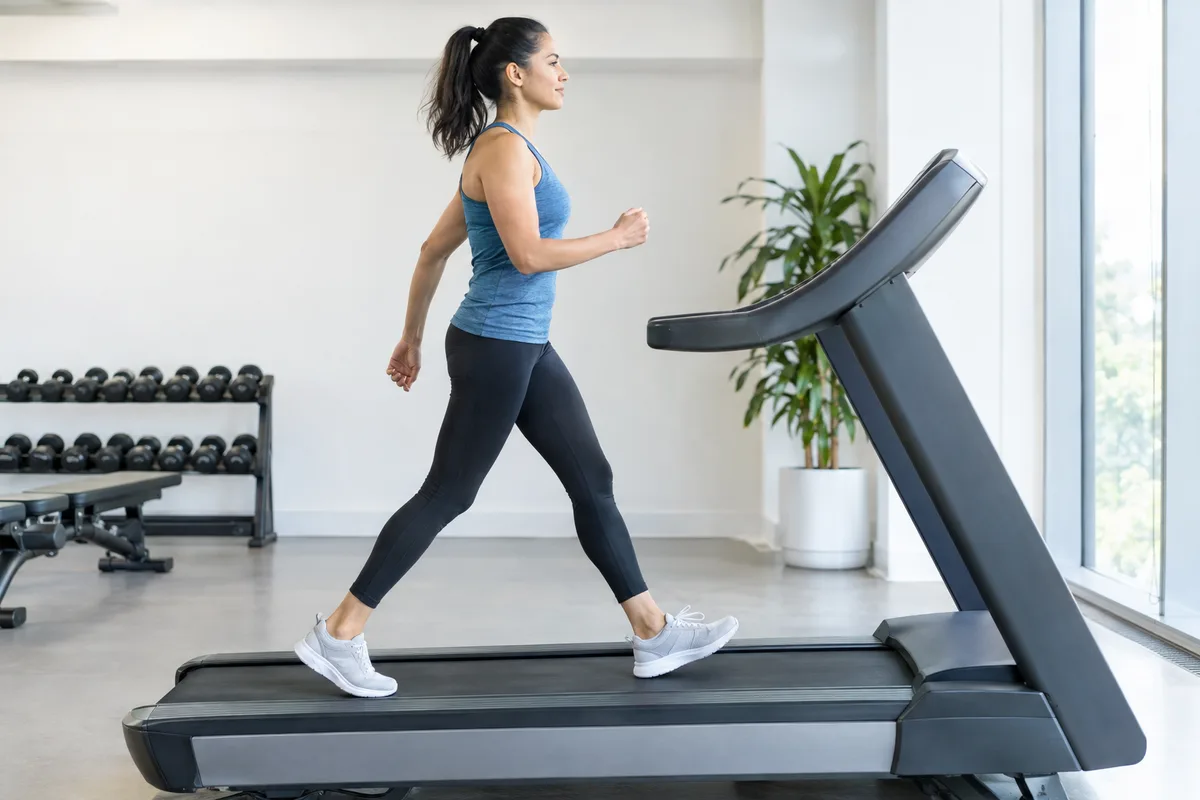
Walking cannot instruct your body to take that fat specifically from your stomach. Where fat comes off first or last depends on the person, so changes may also appear in other areas.
Thirty minutes can be a useful daily target
A set 30-minute session is simple to schedule and repeat, which can make it easier to build a steady habit. How much energy it uses depends on factors such as your body size, pace, incline and fitness level.
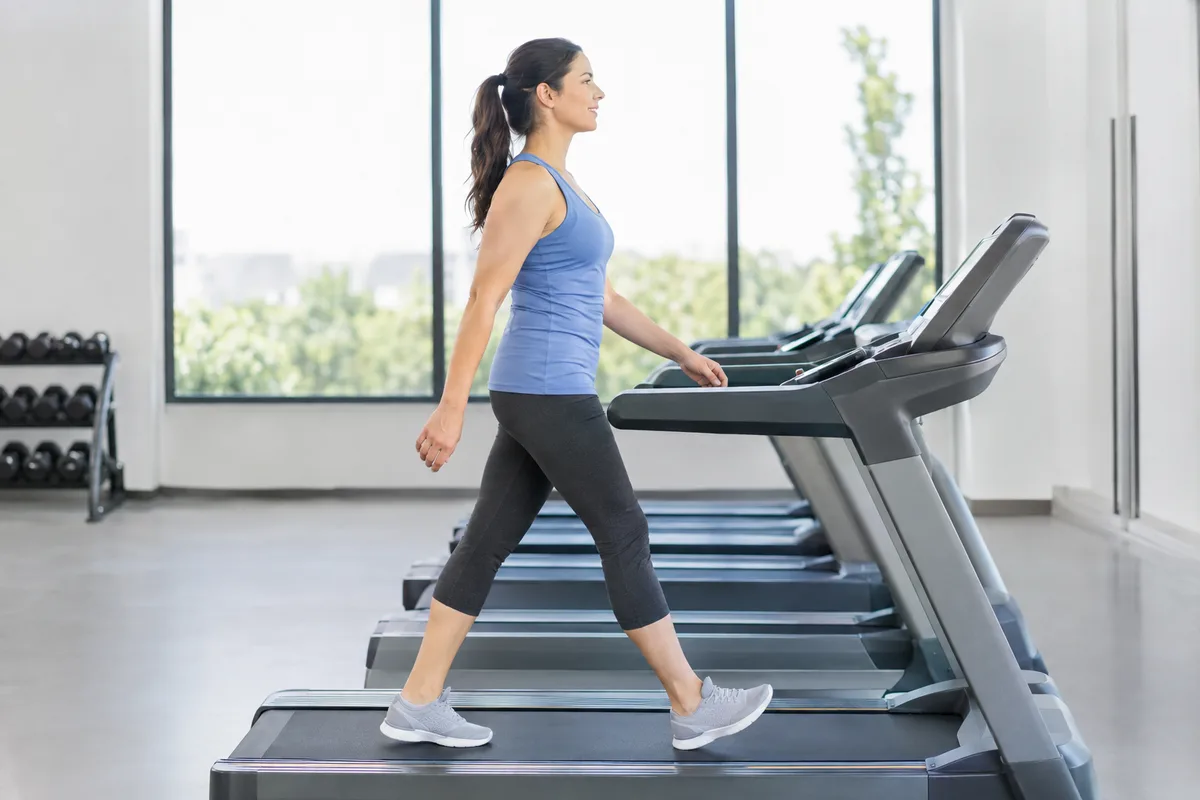
A brisk pace or a gentle incline usually requires more effort than a slow, flat walk. You should still choose settings that feel manageable, especially when making the activity a daily part of your routine.
Your food log still matters
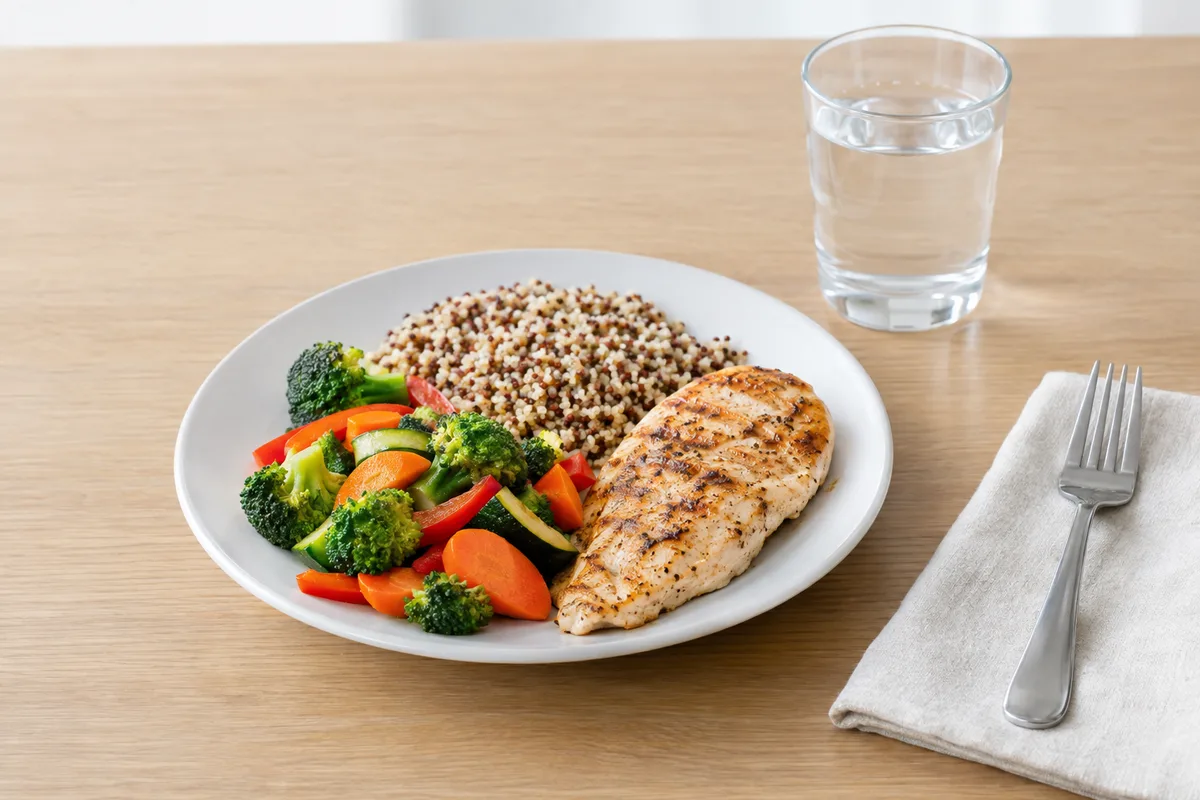
Treadmill walking works alongside what you eat rather than cancelling it out. If your goal is fat loss, use your existing food log to look at your overall intake and notice whether portions, snacks or drinks regularly add more energy than expected.
Avoid treating the treadmill's calorie display as an exact allowance for extra food. Machine estimates can differ from your actual energy use, so it is more helpful to track consistent habits and longer-term changes.
Measure progress beyond one workout
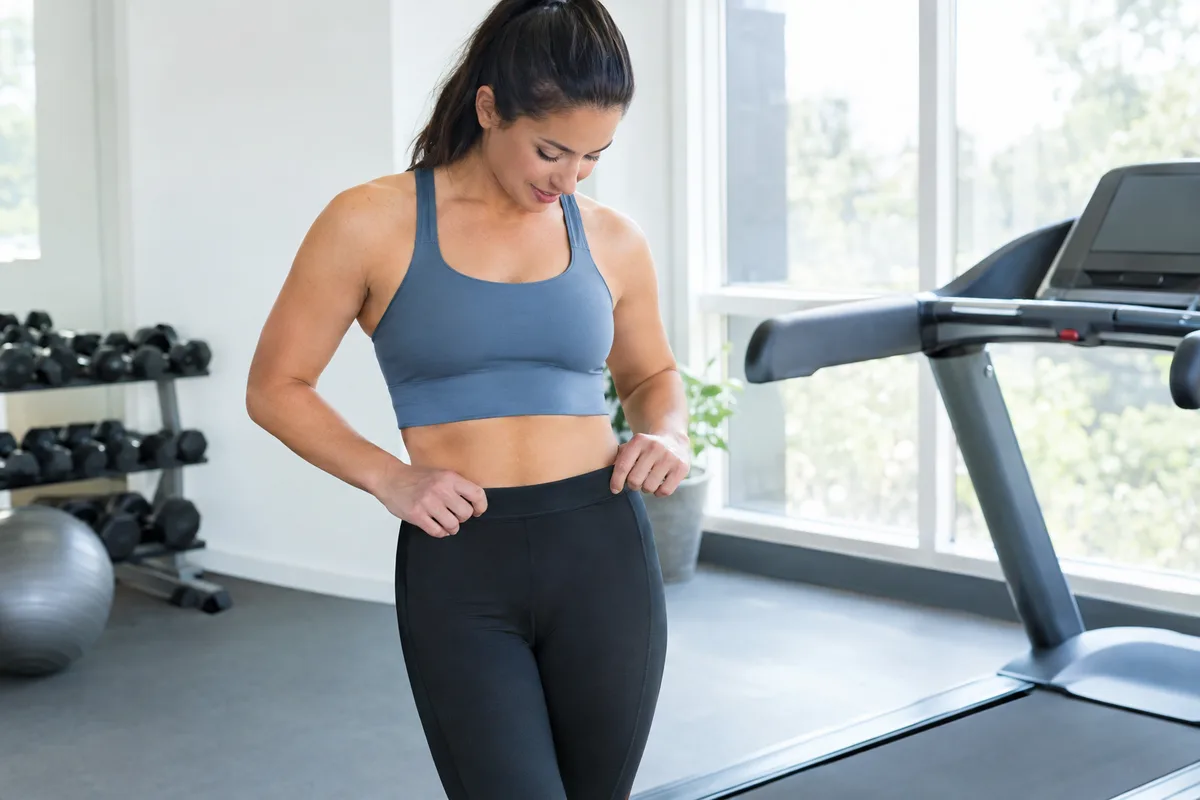
Give the routine time and review patterns rather than judging each session. You might track walking pace, incline, consistency, waist measurements and how your clothes fit, while remembering that normal day-to-day changes can blur short-term results.
If 30 minutes at once does not suit your day, shorter walks can still add useful movement. The most effective routine is one you can repeat while keeping your food intake, recovery and expectations realistic.