
Can You Eat Wild Cherries Safely?
Some wild cherries are suitable to eat, while similar-looking fruits may not be. This guide explains identification, safe preparation and how to record wild cherries in your food diary.
The short answer
The flesh of some correctly identified wild cherries is edible. Depending on the tree and the ripeness of the fruit, it may taste sweet, sharp, bitter or slightly astringent. Wild fruit can also vary greatly in size and colour.
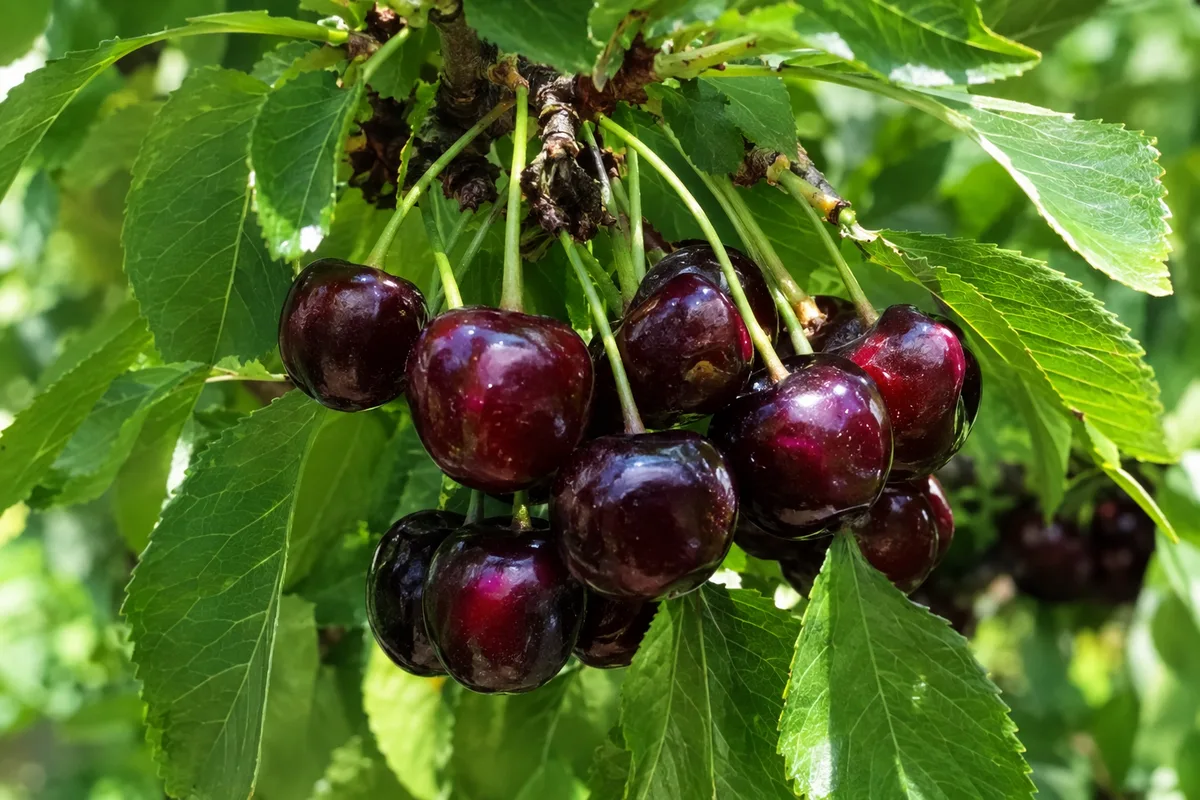
Do not eat a wild cherry simply because it resembles one from a shop. Several trees and shrubs produce small red or dark fruits, and appearance alone is not enough for a safe identification. If you cannot confirm the species, leave the fruit where it is.
- Eat only fruit from a tree you can identify confidently.
- Choose ripe, undamaged cherries.
- Remove the stalk and stone before eating.
- Start with a small amount of an unfamiliar edible fruit.
How to identify a wild cherry
Identification should use the whole plant rather than the fruit alone. Look at the leaves, bark, stalks, flowers or old flower structures, and the way the fruits grow. A photograph of one berry without the tree is rarely enough.
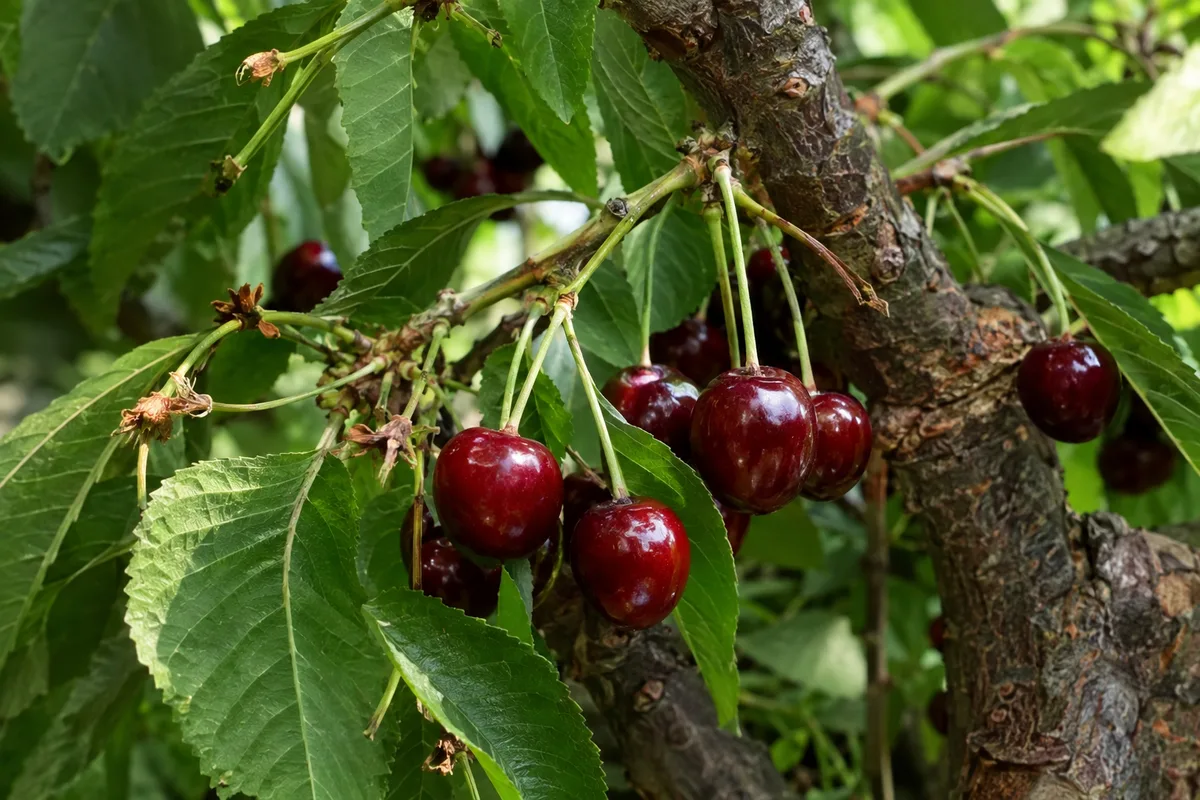
Wild cherry trees usually produce stone fruits with a single hard pit. However, other plants can carry cherry-like fruits, including cherry laurel, which should not be treated as an edible cherry. Use a reliable regional plant guide or ask an experienced local forager to confirm the tree.
- Check whether the plant is a tree or shrub.
- Compare the leaf shape, edge and arrangement.
- Look at how the fruits attach to their stalks.
- Check the bark and any remaining flower structures.
- Confirm the species with more than one reliable feature.
The stone, leaves and stalks are not food
The juicy flesh is the part eaten from an edible cherry species. The hard stone contains compounds that can release harmful substances when crushed, chewed or ground. Swallowing a stone whole by accident is different from deliberately breaking it, but the safest habit is to remove every stone.
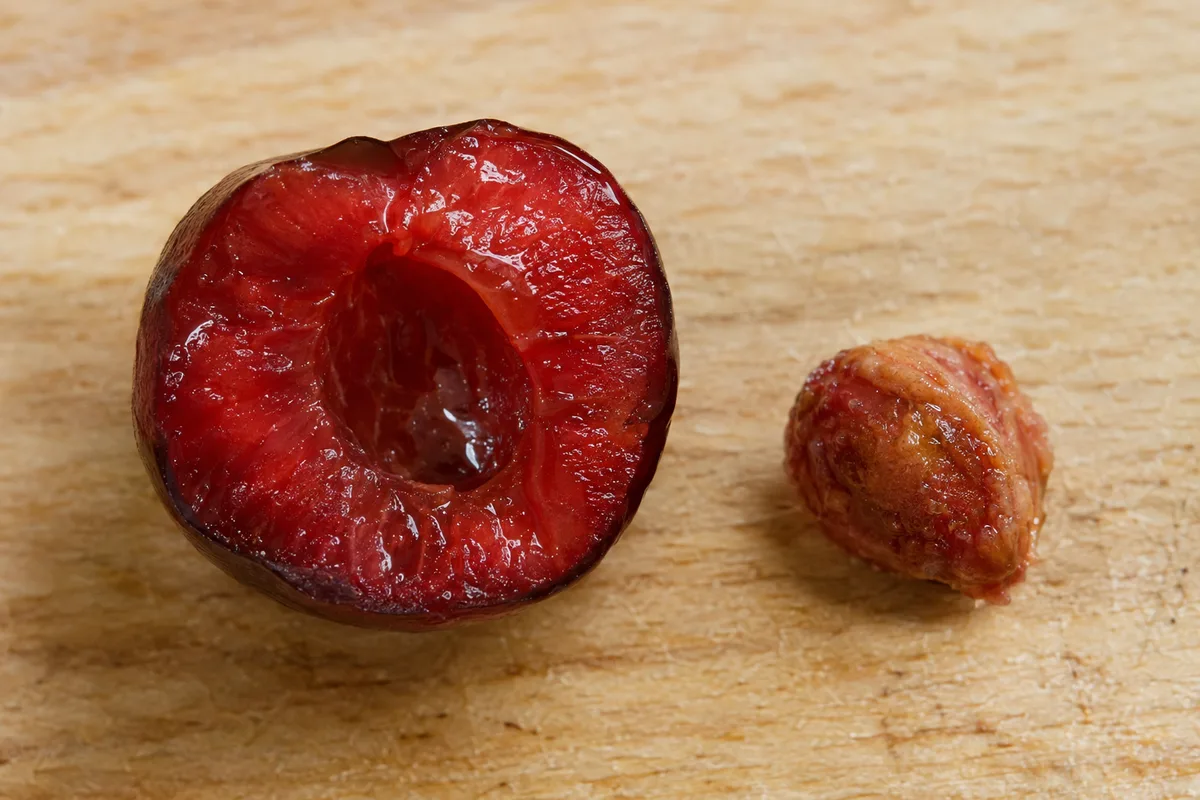
Do not use the leaves, bark or stalks as ingredients. Keep discarded stones away from children and animals, and do not blend whole cherries with their pits. If anyone chews or eats unknown stones or other plant parts and feels unwell, seek urgent professional advice.
- Pull away the stalk.
- Split or bite open the fruit carefully.
- Remove the stone without crushing it.
- Discard damaged, mouldy or fermented fruit.
- Wash your hands and utensils after preparation.
Picking and preparing the fruit
Pick only where you have permission and where gathering is allowed. Avoid fruit beside busy roads, sprayed ground or visibly contaminated water. Leave plenty on the tree for wildlife and avoid damaging branches.
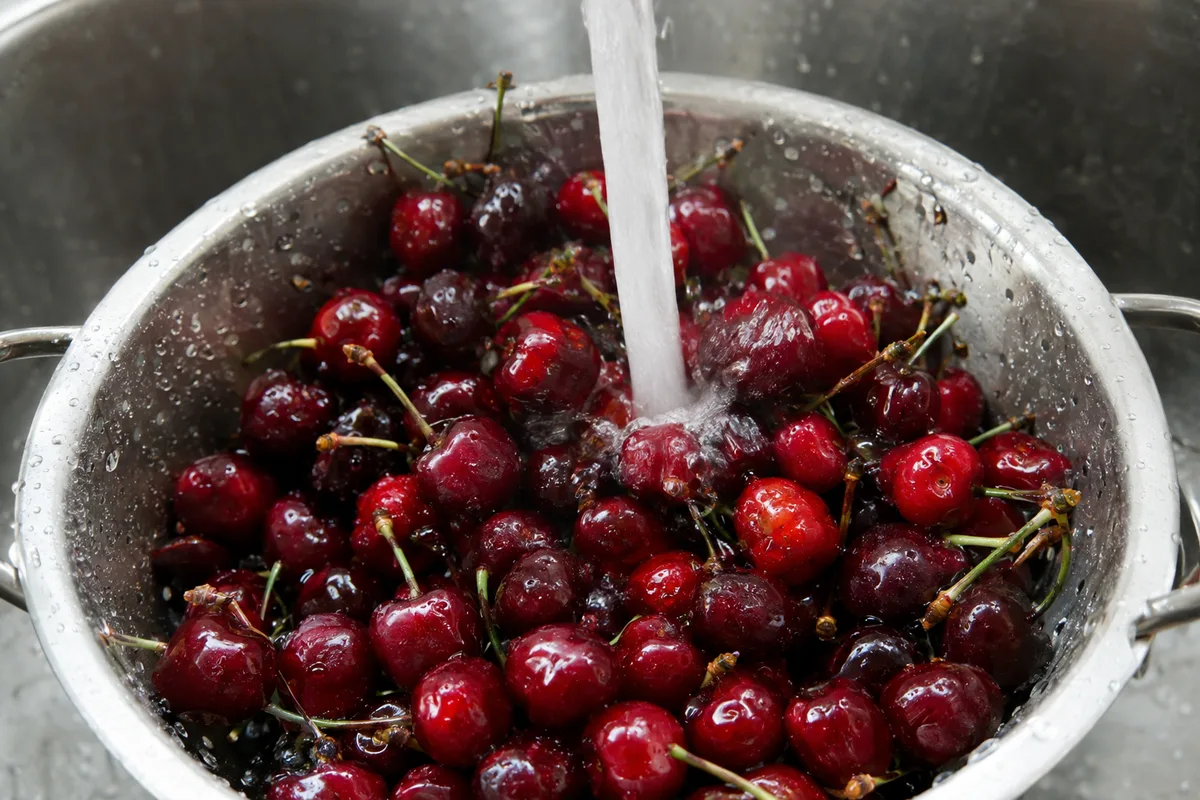
Rinse the cherries under clean running water and inspect them closely. Wild fruit may contain insects or have split, bruised or mouldy areas. Remove the stones before eating the flesh raw or using it in a cooked dish.
- Choose ripe fruit that releases easily from the stalk.
- Use a clean container rather than a used chemical or garden container.
- Wash the fruit shortly before eating or preparing it.
- Discard cherries with mould, an unusual smell or extensive damage.
How wild cherries fit into food tracking
You can record edible wild cherries in the same way as other fresh cherries. Log the amount of prepared flesh you actually eat, excluding stalks and stones. If your tracker has no entry for the exact species, a plain fresh cherry entry is a practical estimate.
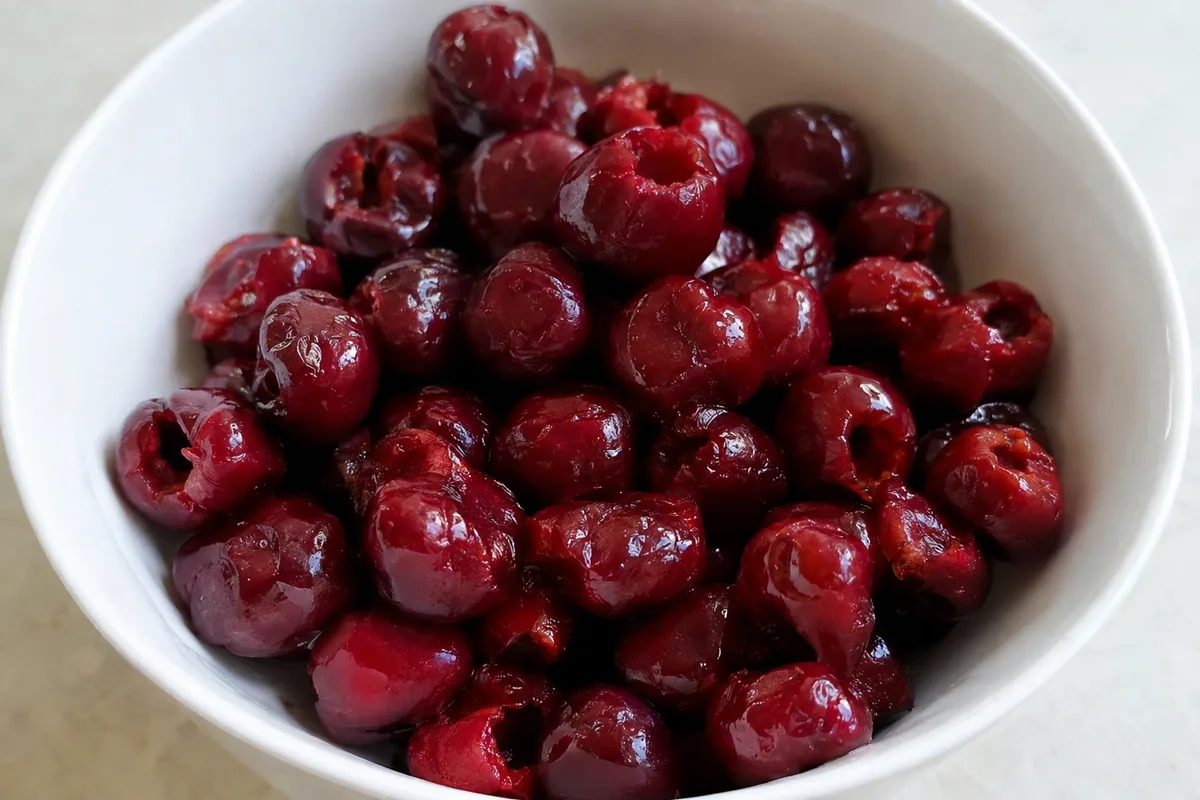
The energy and nutrient content depends on the variety, ripeness and amount eaten. Recipes made with sugar, pastry, cream or alcohol need separate entries for those ingredients. For homemade preserves or cooked dishes, enter the full recipe and divide it by the portions you serve.
- Record the edible flesh rather than the picked weight.
- Choose a plain fresh entry when eating them raw.
- Add every extra recipe ingredient separately.
- Use a saved recipe for dishes you make more than once.
When to leave wild cherries alone
Do not eat fruit when the identification rests only on colour, size or a phone image. Common names can also be confusing because unrelated plants may be called cherry. If trusted sources disagree, treat the identification as uncertain.
Leave fruit that is unripe, mouldy, fermented or contaminated. It is also sensible to avoid picking from protected sites or private land without permission. When in doubt, enjoy looking at the tree rather than tasting it.
- The tree cannot be identified with confidence.
- The fruit comes from cherry laurel or another uncertain plant.
- The stones have been crushed or damaged.
- The site may be polluted or chemically treated.
- Local rules do not allow gathering.