
Can Cream of Wheat Fit Into a Weight-Loss Diet?
Cream of Wheat does not cause or prevent weight loss on its own. This guide explains how to track it accurately, make it more filling and choose toppings that suit your goal.
Weight loss depends on the overall calorie balance
You can eat Cream of Wheat while trying to lose weight. What matters most is whether your average food intake supports a calorie deficit over time, rather than whether one particular food is on the menu. The amount needed for that deficit depends on the person.
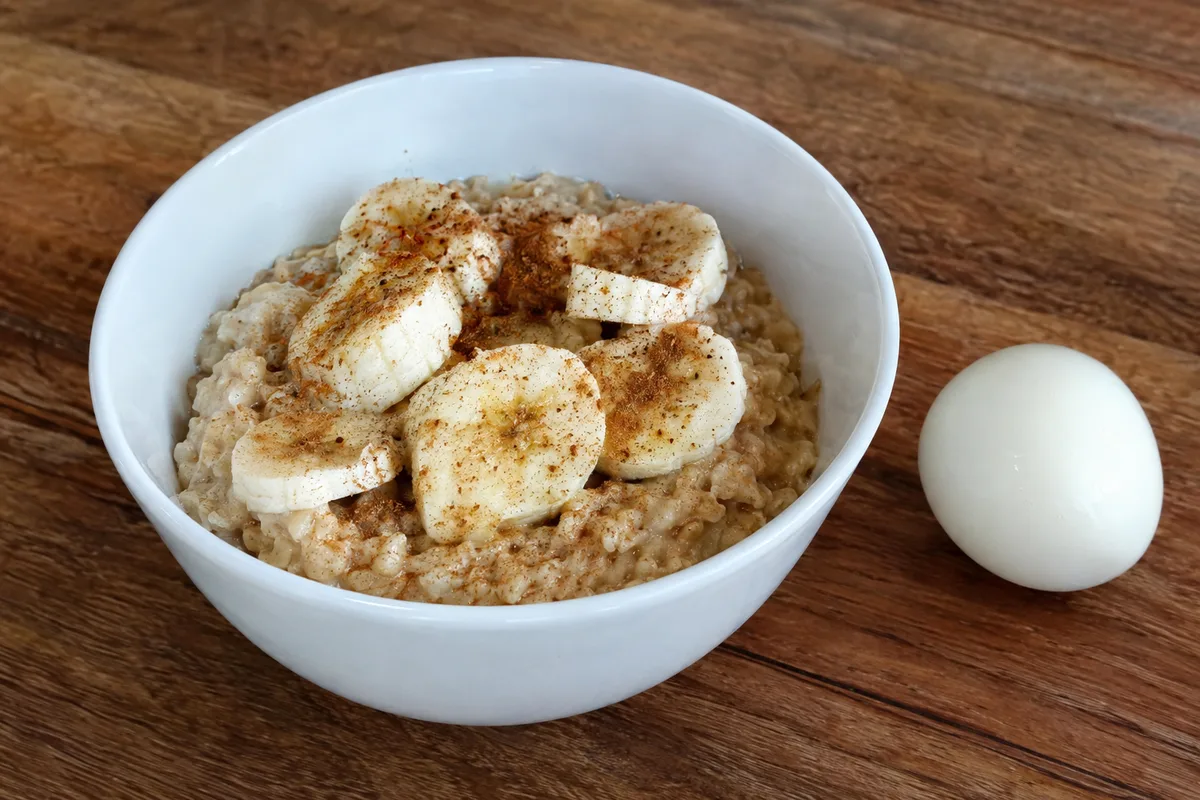
Cream of Wheat is a smooth hot cereal made from milled wheat. Plain cereal can provide a simple base for breakfast, but additions such as sugar, butter, cream and large amounts of nut butter can change the total considerably. Since you already track your food, log the complete bowl rather than treating the cereal and its toppings as one vague entry.
Track the dry cereal and cooking liquid correctly
The quantity in your bowl changes when the cereal absorbs liquid, but water does not add calories. This means a large cooked volume may come from a much smaller dry amount. Check whether your tracking entry refers to the cereal dry, prepared with water or prepared with milk.
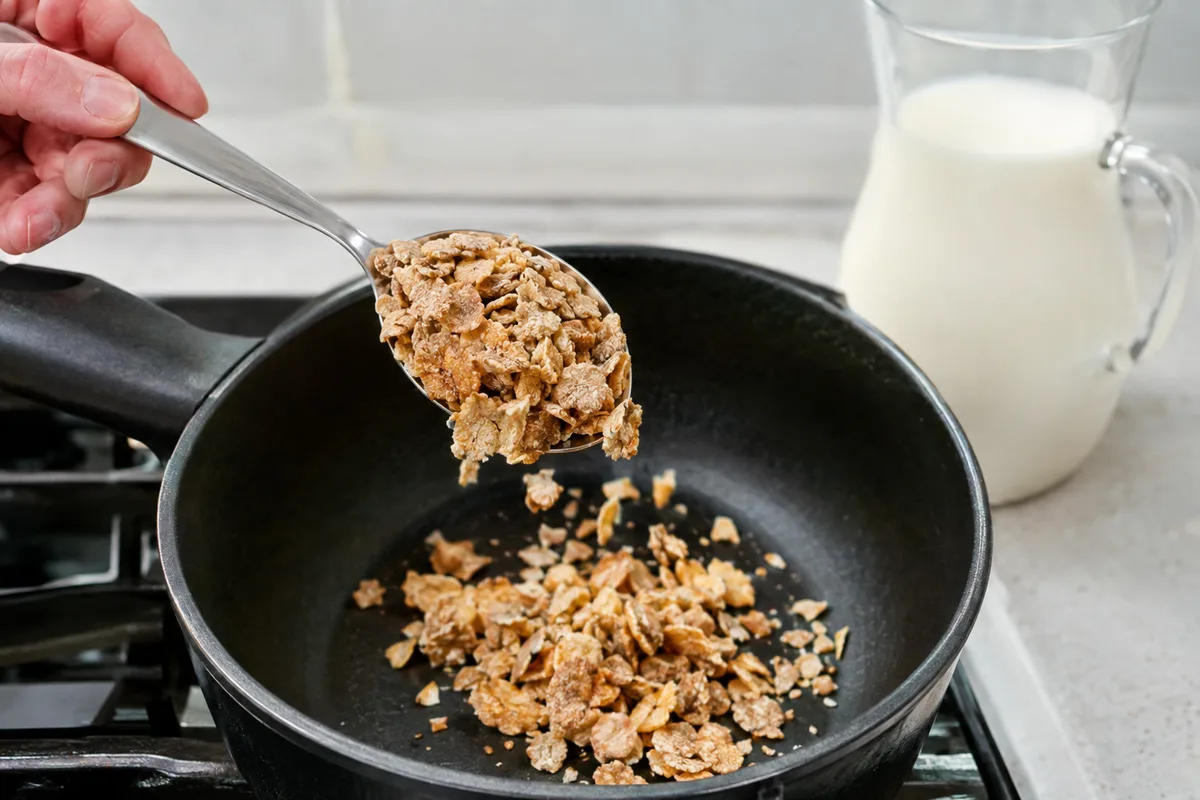
For the clearest entry, measure the dry cereal before cooking and log that amount using the information on its packet. Then record milk, butter, sweeteners and other additions separately. If someone else prepared the bowl, estimate each ingredient as carefully as you can and accept that the result will be less precise.
- Measure the dry cereal before it goes into the pan
- Use the packet information that matches the product
- Log milk or a milk alternative separately
- Add sweeteners, spreads, fruit and toppings as separate entries
- Save the completed meal in your tracker if you often make it the same way
Build a bowl that keeps you satisfied
Plain Cream of Wheat is mainly a source of carbohydrate and may not feel substantial enough by itself. Adding a protein source, fruit or seeds can make the meal more balanced and may help it feel satisfying for longer. The best combination is one that fits your calorie target and leaves you comfortable until your next planned meal.
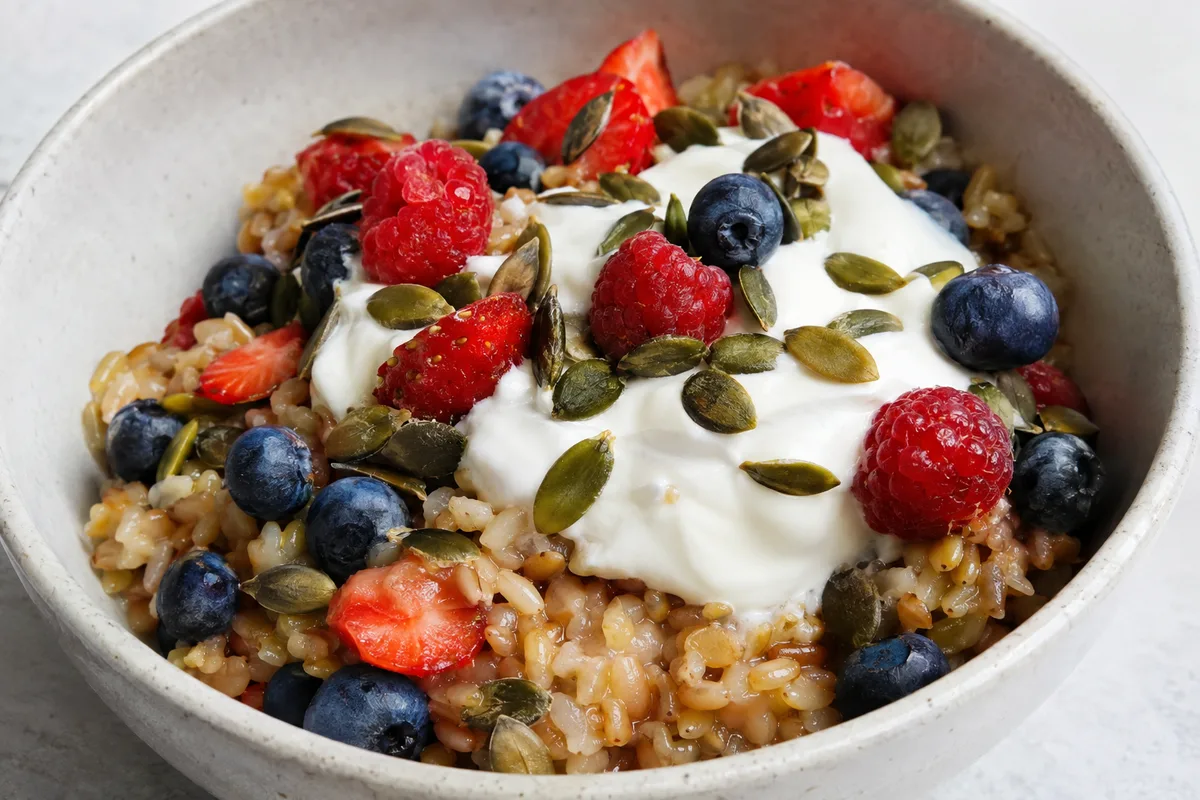
You do not need every possible topping in one bowl. Choose one or two useful additions, measure calorie-dense ingredients and notice how hungry you feel afterwards. Your preferred serving may change with your appetite, activity and what else you plan to eat that day.
- Stir in milk or serve with plain yoghurt for added protein
- Add berries, chopped apple, pear or banana for fruit and fibre
- Use cinnamon, nutmeg or vanilla for flavour without relying only on sugar
- Measure nuts, seeds or nut butter because small-looking portions can add up
- Pair a smaller bowl with eggs if you prefer a savoury breakfast
Watch the extras rather than blaming the cereal
The cereal itself may be only one part of the bowl. A generous pour of cream, several spoonfuls of sugar or an unmeasured swirl of nut butter can make the meal much more energy-dense. These foods are not forbidden, but measuring them makes your log more useful.
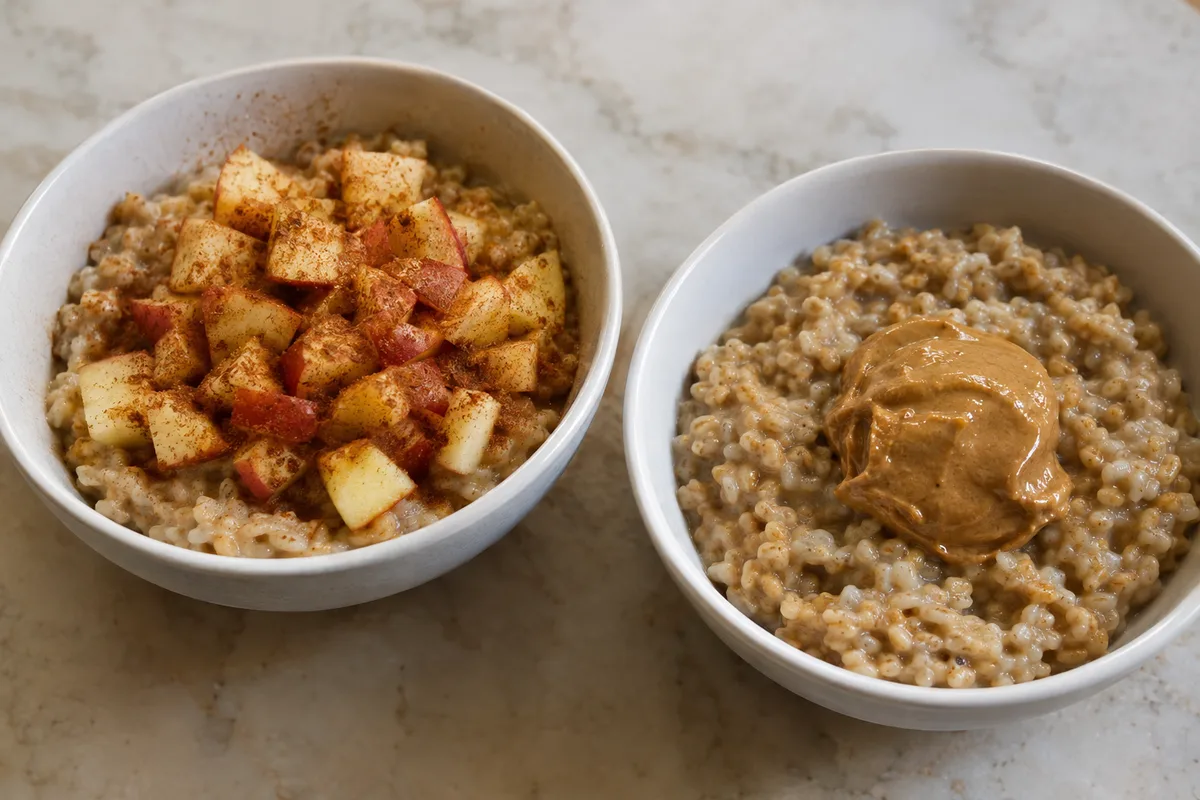
If your usual recipe does not fit your target, adjust one element at a time. You might use less sweetener, choose milk instead of cream, or keep a favourite topping while reducing another. A change that still tastes good is more likely to become part of your normal routine.
- Sweeten with fruit before deciding whether more sugar is needed
- Measure butter, syrup, honey and nut butter rather than judging by sight
- Use spices or vanilla to add flavour
- Choose either a rich topping or several lighter toppings
- Enter the recipe before cooking when you want to plan the meal in advance
Choose a portion that fits the rest of your day
There is no single correct serving for weight loss. Your portion depends on your overall calorie target, hunger, usual meal pattern and the ingredients served with it. The serving shown on a packet can be a useful tracking reference, but it is not a rule about how much you must eat.
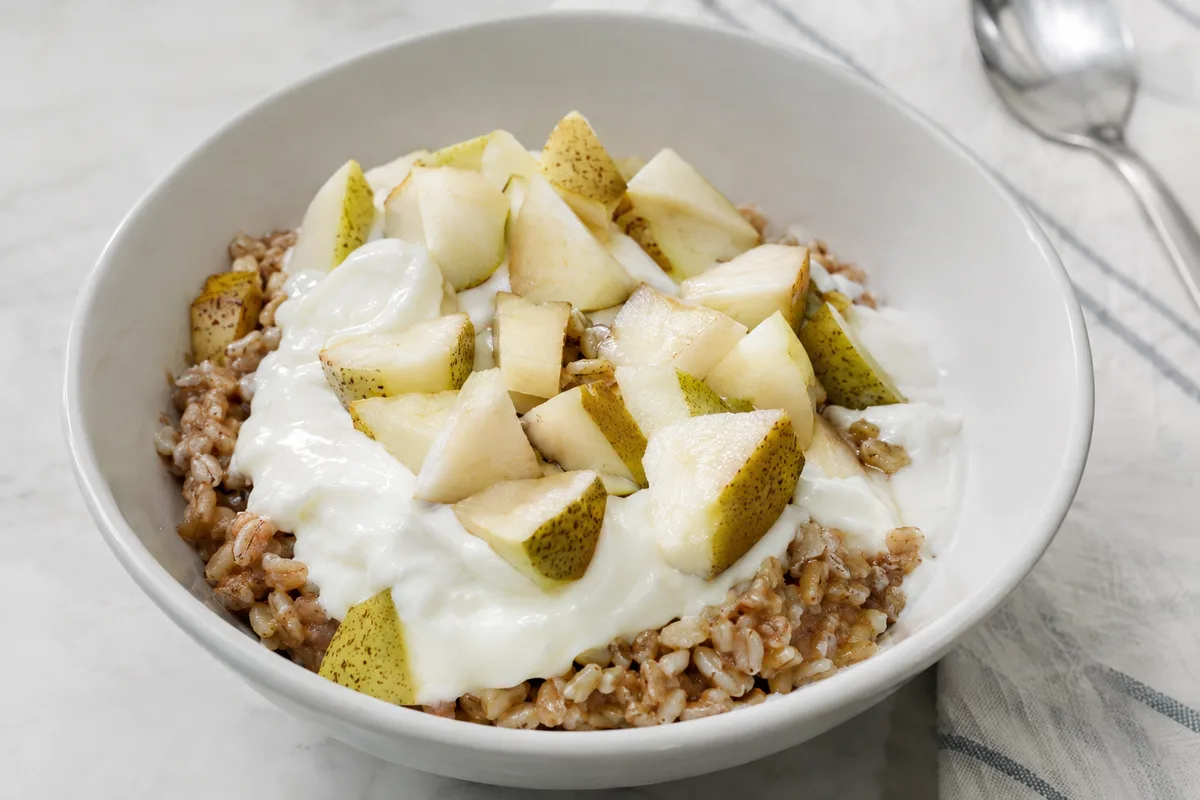
Look at the whole meal rather than trying to make the cereal portion as small as possible. A tiny bowl that leaves you hungry may lead you to eat again soon, while a very large bowl may crowd out other foods you value. Use your food log and hunger cues together to find a practical middle ground.
- Plan the bowl within your daily target
- Include any drinks or side dishes in the meal total
- Compare hunger after different portions and topping combinations
- Adjust gradually rather than cutting the serving sharply
- Review your weekly pattern instead of judging one breakfast
Decide whether it works for you
Cream of Wheat can be convenient if you enjoy warm, mild breakfasts and want a meal that is easy to customise. It can also work before or after an active part of the day, depending on your preferences. However, you do not need to eat it to lose weight, and there is no special weight-loss advantage to choosing it.
Keep it in your routine if it fits your target, tastes good and helps you feel satisfied. If you regularly feel hungry soon afterwards, try adding protein, fruit or a measured source of fat, or choose a different breakfast. Your tracking record can show which version fits most comfortably into the rest of your eating pattern.