
Can cantaloupe support weight loss?
Cantaloupe is a sweet, water-rich fruit that can add volume to meals and snacks without dominating your energy intake. Here is how to track it accurately, make it more filling and use it without treating it as a shortcut to weight loss.
Why cantaloupe can fit a weight-loss plan
Weight loss depends on your overall pattern of energy intake, not on one particular fruit. Cantaloupe can be useful because its high water content gives it plenty of volume for the energy it provides. If you enjoy it, that volume may help a meal or snack feel more substantial.
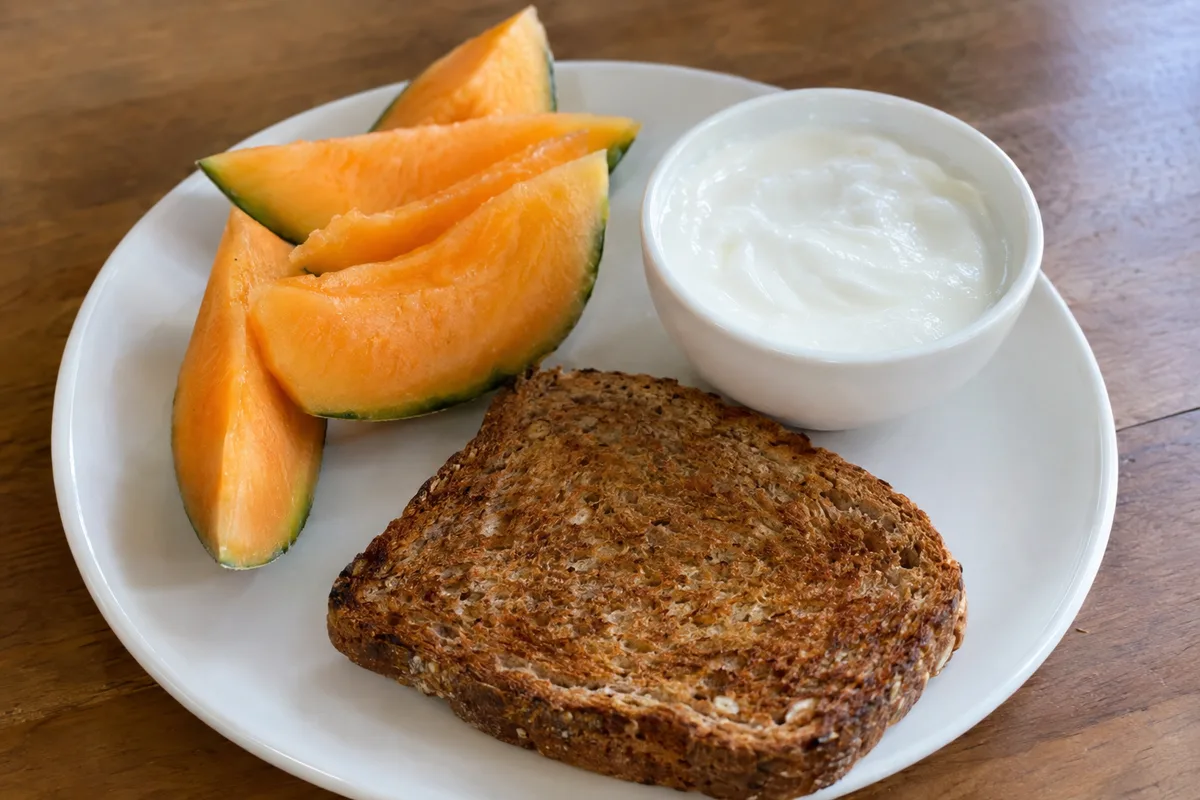
Cantaloupe also provides fibre and natural sweetness. It can replace foods that are easier to eat quickly or less satisfying for the amount logged, but it does not need to replace every dessert or snack. Your preferred foods, appetite and daily energy target should guide how you use it.
- Add it to breakfast for sweetness and volume
- Use it as part of a planned snack
- Serve it after a meal when you want something sweet
- Combine it with other fruit for variety
Track the part you actually eat
Food databases may list cantaloupe by weight, portion, wedge or cup. A weight entry is often the simplest choice when the size and shape of the pieces vary. Log the edible flesh rather than including the rind and seeds.
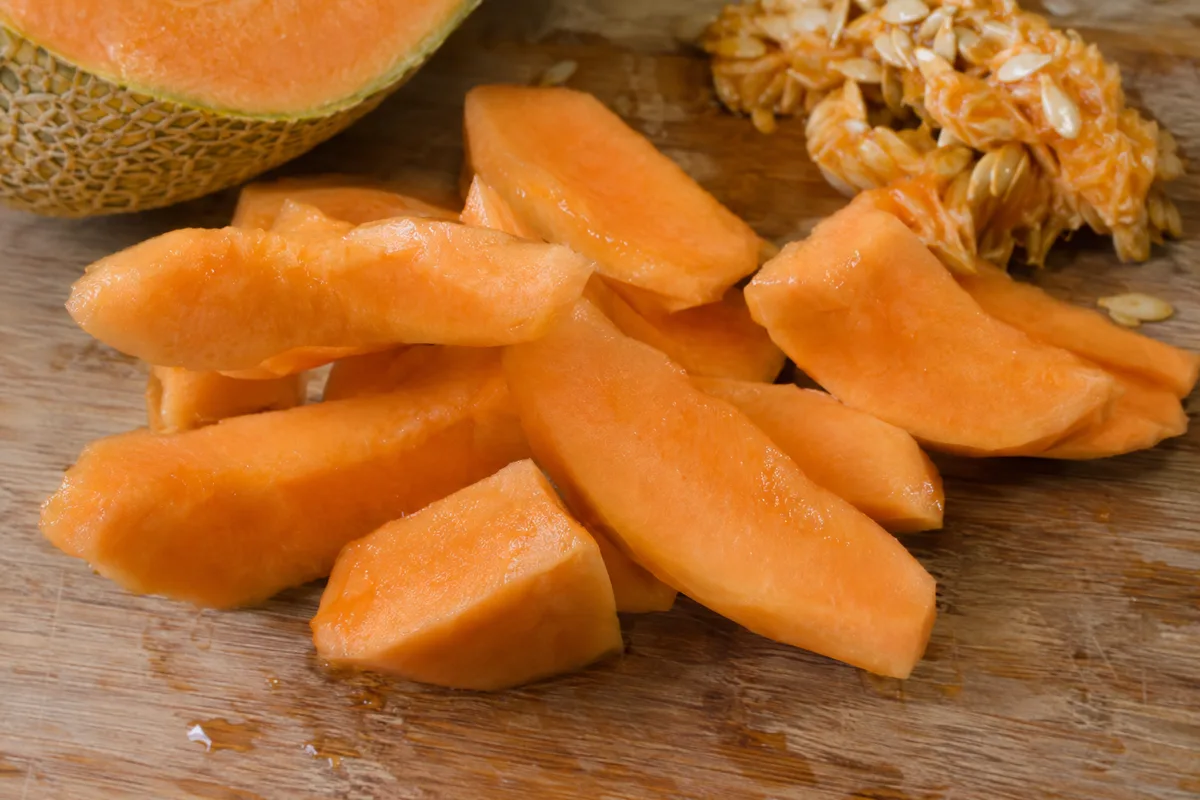
Check whether your entry describes fresh, frozen, canned or prepared fruit. Syrup, juice and other additions can change the energy content, so choose the closest match to what is in front of you. If you prepare several portions at once, divide the edible fruit between them before logging.
- Remove the rind and seeds before judging the edible portion
- Choose an entry that clearly says cantaloupe or melon
- Match the entry to fresh or prepared fruit
- Record toppings and accompaniments separately
Make it more filling
Cantaloupe on its own may feel refreshing but not always sustaining. It contains mostly water and carbohydrate, with relatively little protein or fat. Pairing it with a source of protein, fat or both can make a snack feel more complete.
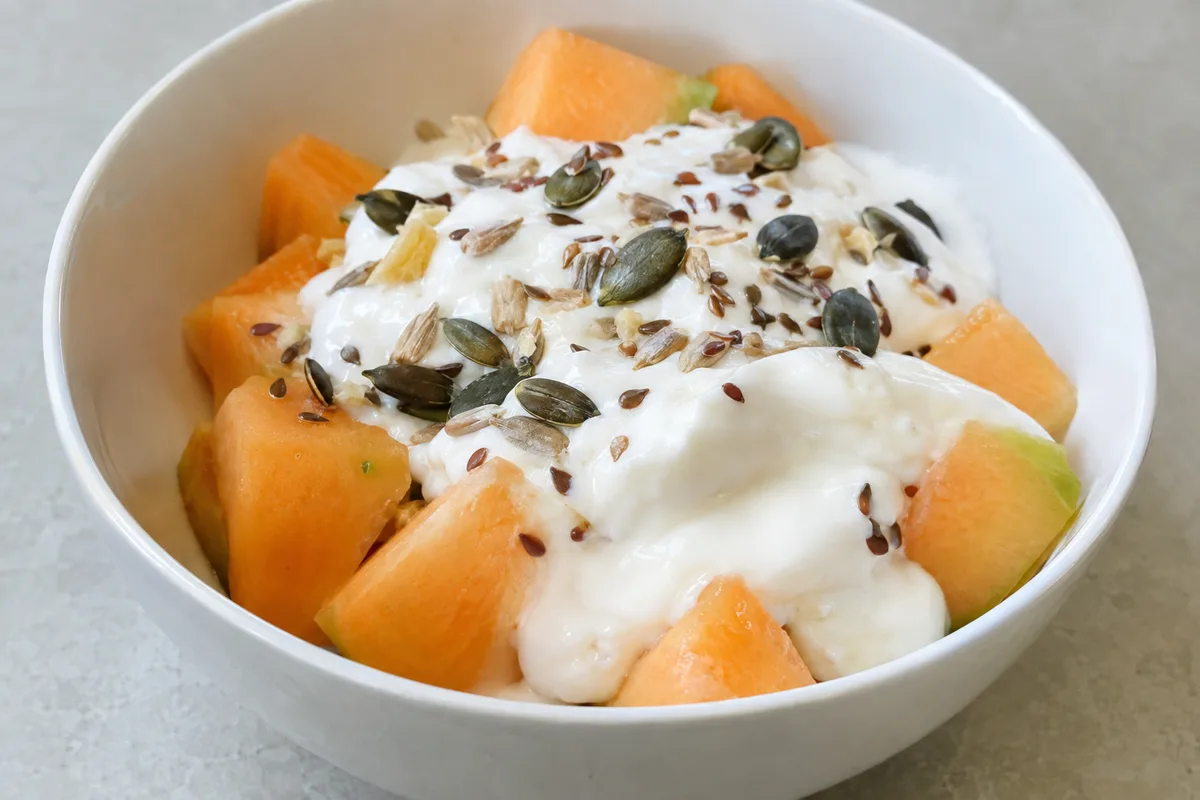
The best pairing depends on your preferences and what else you plan to eat that day. Keep each addition visible in your food log, as nuts, seeds, yoghurt and cheese can contribute meaningful energy. Adjust the amounts rather than assuming every balanced snack needs the same portion.
- Cantaloupe with plain yoghurt
- Cantaloupe with cottage cheese
- Cantaloupe with a small portion of nuts or seeds
- Cantaloupe alongside eggs at breakfast
Use cantaloupe as a swap, not an extra
Adding fruit without changing anything else may simply increase your daily intake. A more useful approach is to decide what role the cantaloupe will play before you eat it. It might replace part of a dessert, add volume to a smaller breakfast or take the place of an unplanned snack.
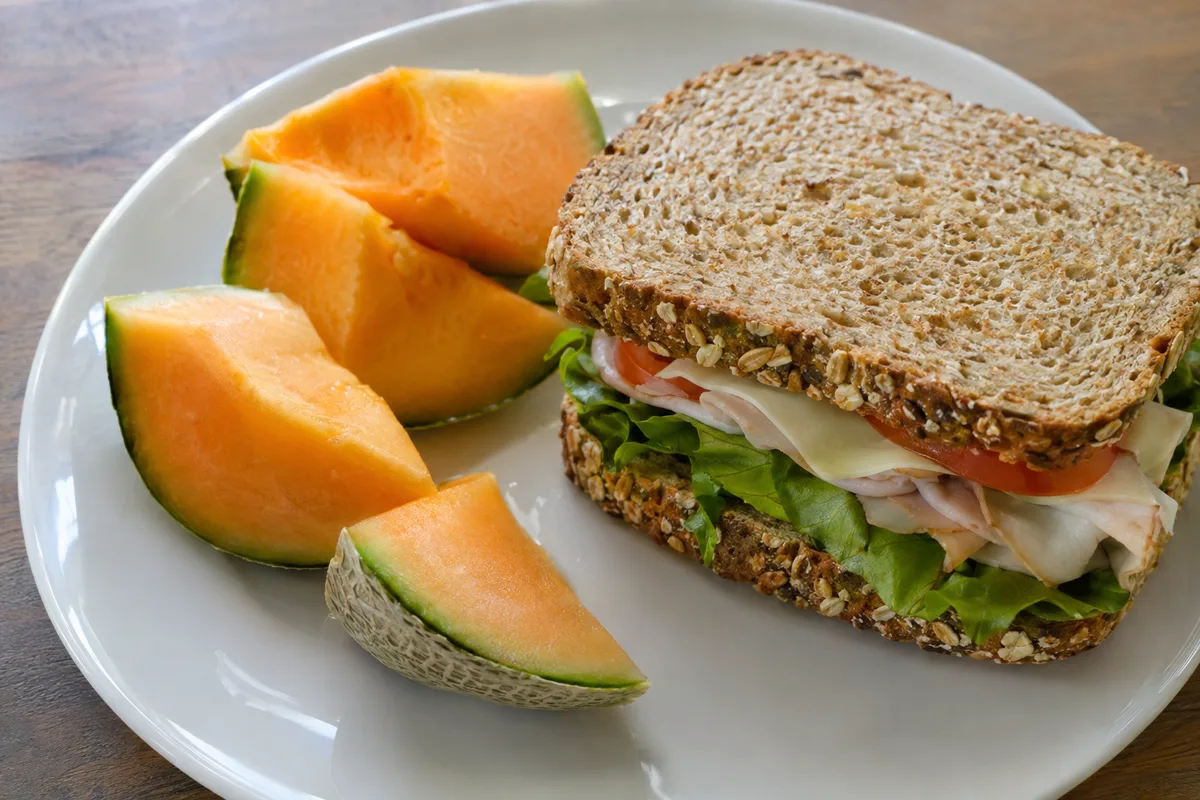
A swap does not need to be exact or perfect. Compare the cantaloupe combination with what you would normally choose, then check how each option affects your total and your hunger later. The right amount depends on your appetite, target and the rest of your day.
- Replace part of a rich dessert with fresh cantaloupe
- Swap a sweet drink for water and a portion of cantaloupe
- Add cantaloupe to a smaller bowl of cereal rather than increasing the cereal
- Serve cantaloupe beside a sandwich instead of adding another energy-dense side
Watch the easy-to-miss additions
Cantaloupe is sometimes served with ingredients that change the character of the dish. Cream, sweetened yoghurt, syrup, honey and large amounts of nuts can raise the total considerably. That does not make the meal unsuitable, but those additions should be tracked.
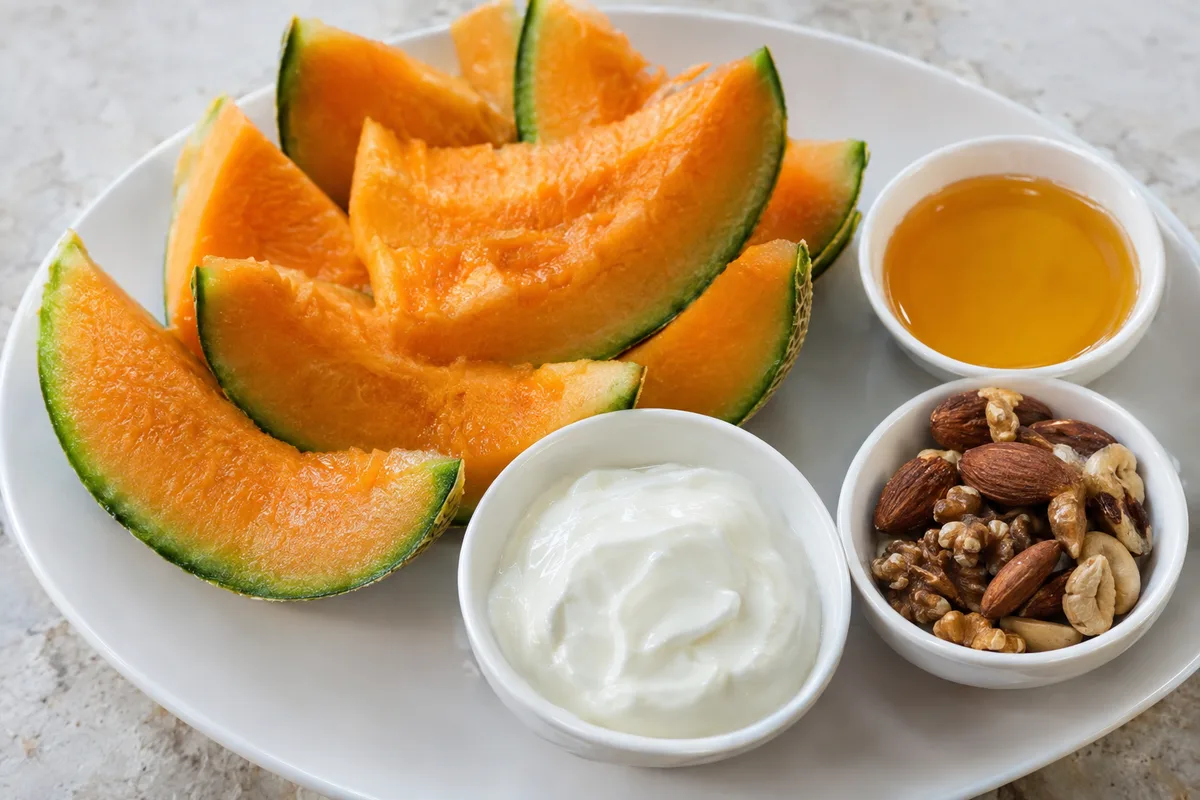
Dried melon and melon drinks are also different from fresh cantaloupe. Removing water concentrates the fruit into a smaller volume, while drinks can be consumed quickly and may be less filling than chewing the fruit. Use a database entry that matches the form you actually had.
- Log yoghurt, cream or cheese separately
- Include honey, syrup and sweet sauces
- Record nuts and seeds rather than treating them as garnish
- Check whether packaged or canned melon contains added liquid
- Avoid logging a drink as though it were fresh fruit
Judge it by your whole-day pattern
Cantaloupe can support a lower-energy eating pattern, but it cannot determine the result by itself. Look at your food log across the full day and notice whether the fruit helped you stay satisfied, displaced another food or was simply added on top. This gives you more useful information than labelling cantaloupe as good or bad.
You may prefer a small serving with a filling accompaniment or a larger bowl as part of a meal. There is no single portion that suits everyone, and appetite can vary from day to day. Keep the amount that works with your target, enjoyment and usual eating routine.