
Cardio 101: Using the Elliptical to Support Fat Loss
The elliptical offers a low-impact way to add cardio to your routine. It can support fat loss by increasing energy use, but your overall food intake and activity still matter most.
How the elliptical fits into fat loss
Fat loss happens when your body uses more energy than it takes in over time. An elliptical session can contribute by increasing your daily energy use, while the food tracking you already do helps you see the intake side of the picture.
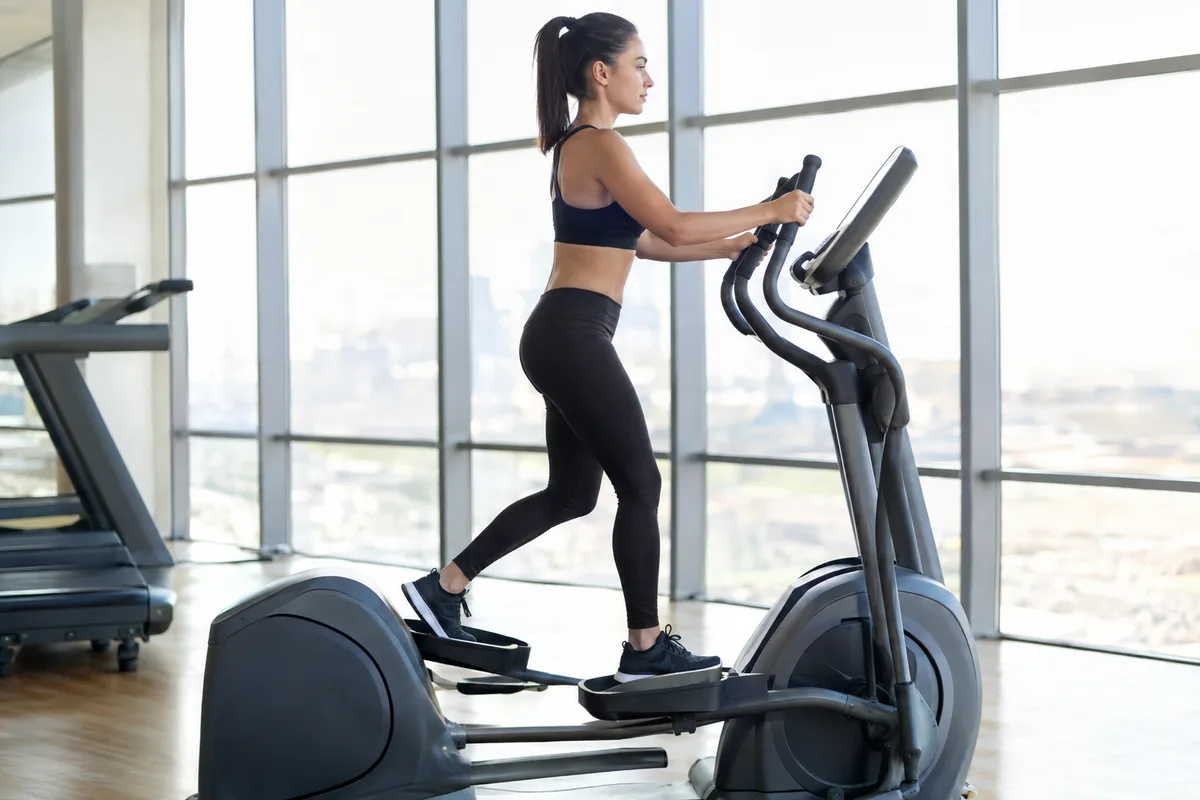
Machine calorie displays are only estimates, so avoid treating them as calories you have definitely earned back. Your actual energy use depends on factors such as body size, workout length, resistance, pace and how much of the work you do yourself.
Set up the machine properly
Place your feet flat on the pedals, stand tall and keep a soft bend in your knees. Hold the moving handles lightly if you want to involve your upper body, rather than pulling hard or leaning your weight onto them.
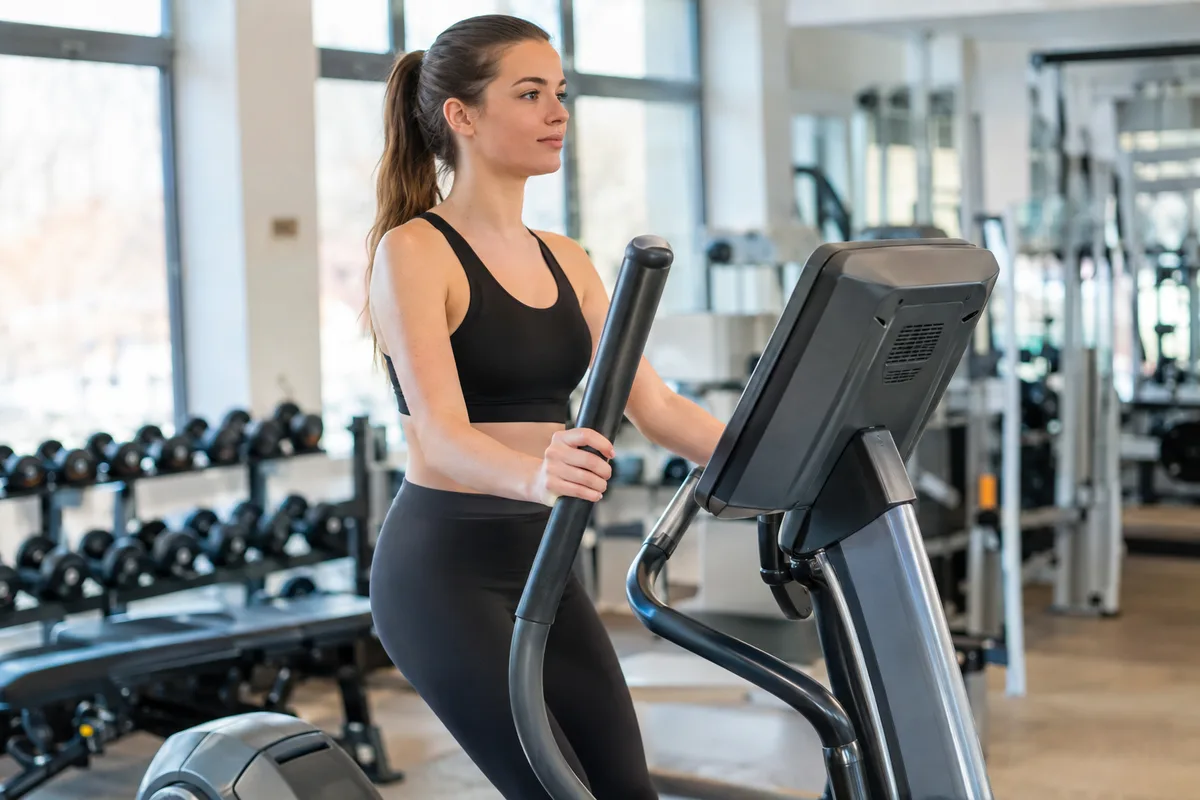
Start with an easy pace and gradually increase the resistance until the movement feels smooth but purposeful. Choose a stride length that lets you move without rocking your hips, reaching with your toes or hunching your shoulders.
Choose an effort you can repeat
For a steady session, work at a pace where your breathing is deeper but you still feel in control. The right duration depends on your current routine and fitness, so begin with an amount you can complete comfortably and build gradually.
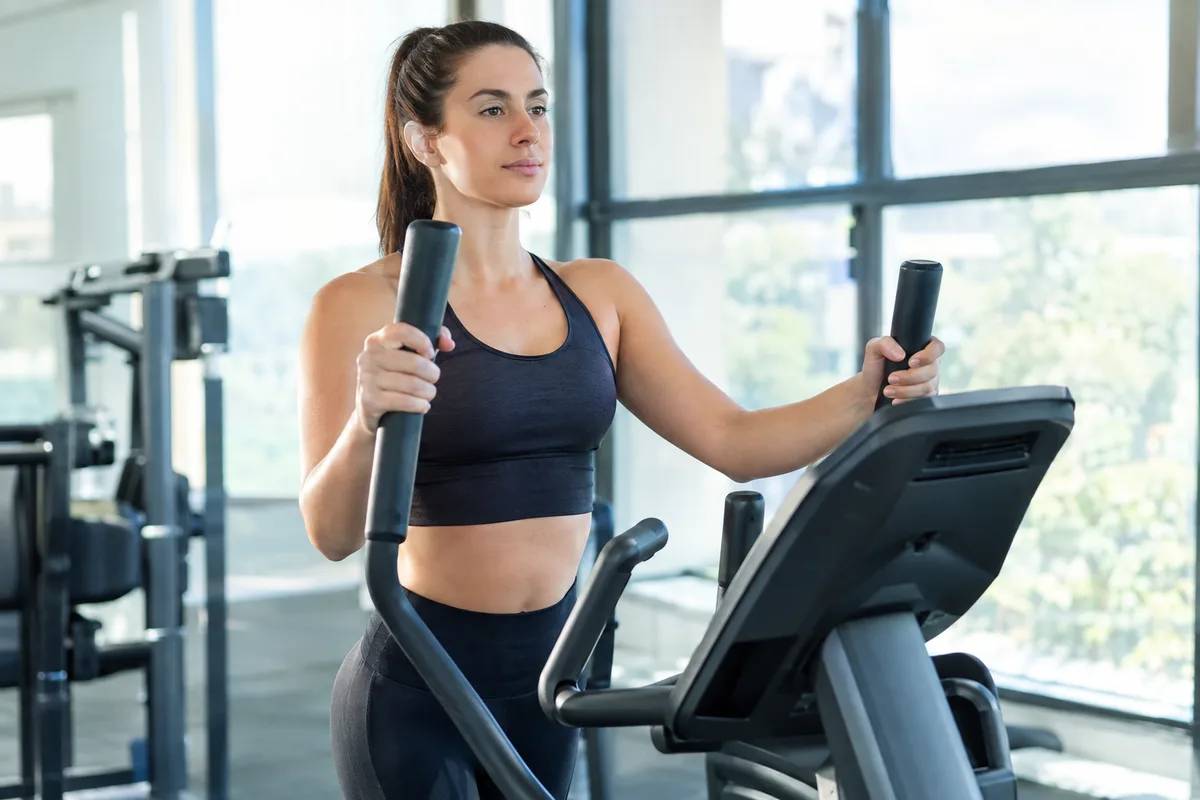
Intervals offer another option: alternate short, harder efforts with easier recovery periods. Increase resistance or pace during the harder sections, but keep your movement controlled and allow enough recovery to maintain good form.
Track progress beyond the calorie display
Record the session length, resistance, pace and how difficult it felt, rather than relying only on the machine's calorie estimate. Over time, you may notice that the same session feels easier or that you can sustain a slightly higher workload.
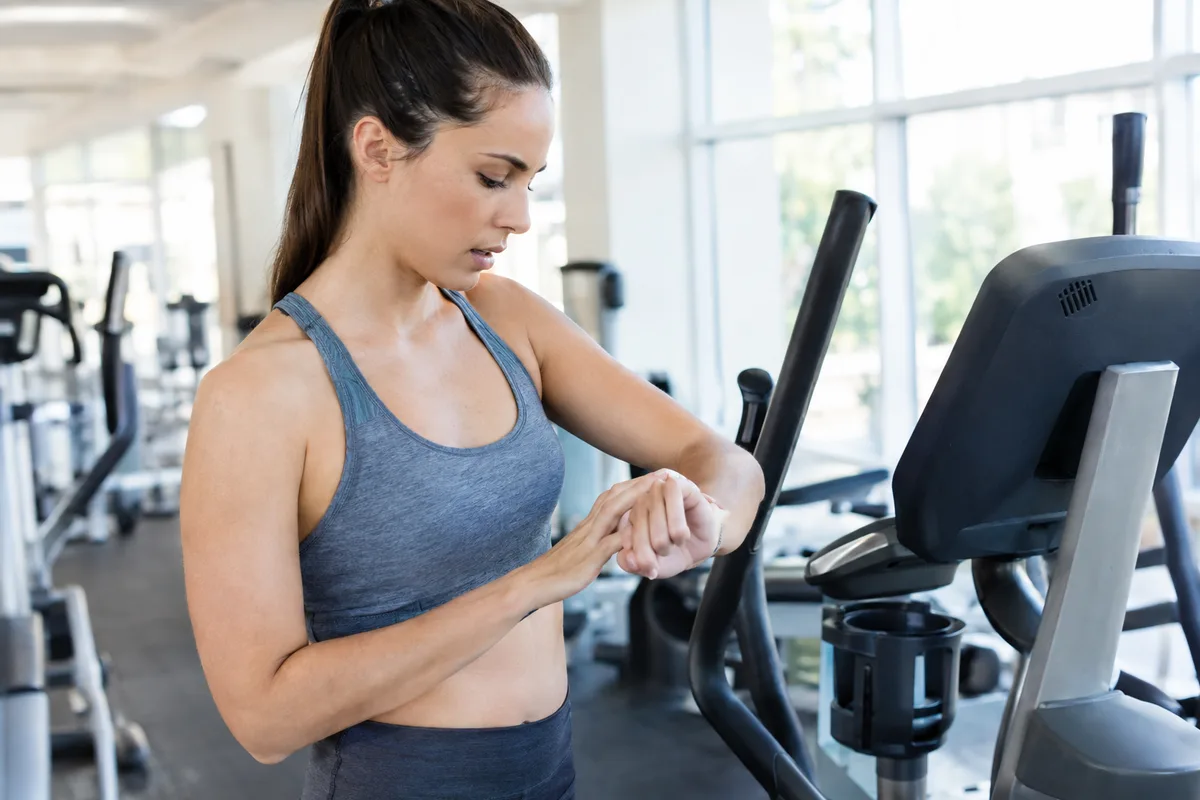
Compare your training notes with your food log and longer-term body-weight trend, not a single day's reading. If progress is not moving in the direction you want, review your overall intake, everyday movement, recovery and workout consistency before making small, manageable adjustments.