
Canned foods that can make weight-loss meals easier
Canned foods can bring fibre, protein and plenty of flavour to meals without demanding much preparation. This guide explains which options dietitians often suggest, how to use them and what to record in your food log.
Why canned food can fit a weight-loss plan
There is no official list of canned foods approved by registered dietitians. However, many canned staples are useful because they make balanced meals quicker to assemble. That convenience can help when the alternative is skipping a meal or choosing something that does not match your plan.
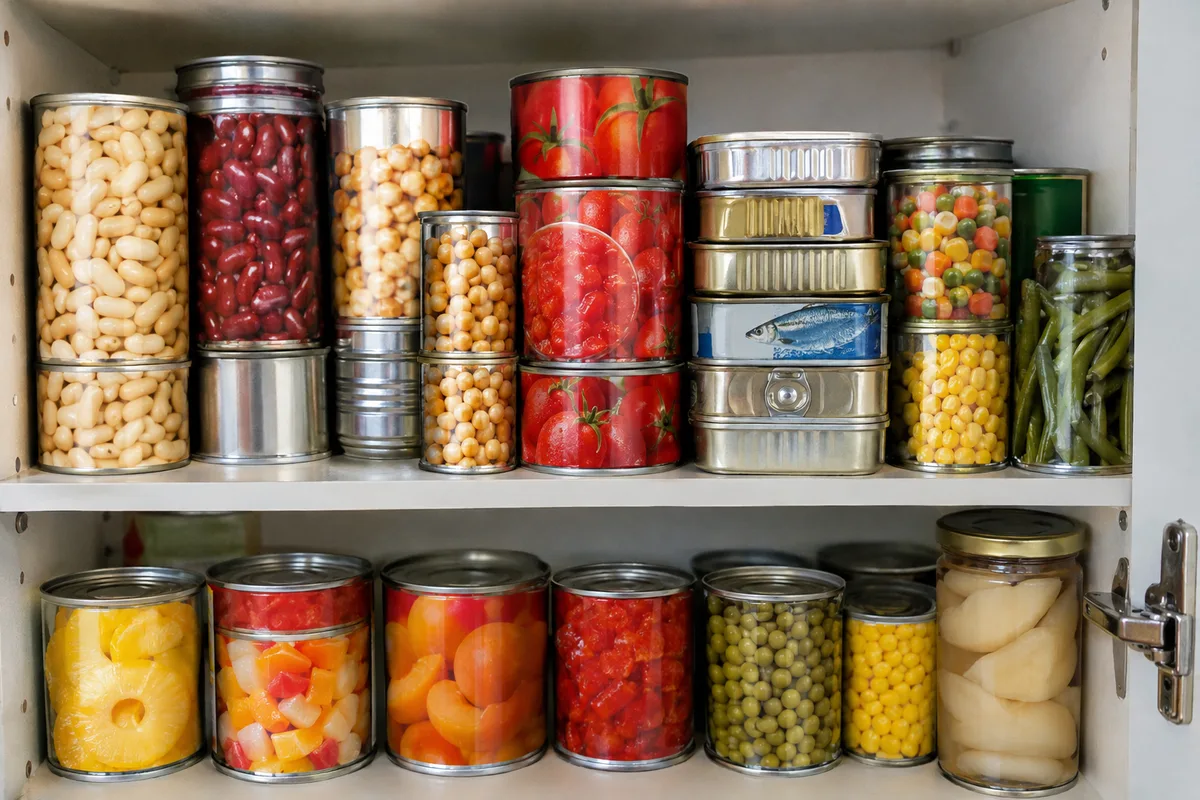
The can itself does not make a food better or worse for weight loss. What matters is the food inside, the liquid or sauce added to it, your portion and the rest of the meal. As you already track your food, use the label details for the exact product rather than relying on a generic database entry.
- Look for foods that add protein, fibre or vegetables to a meal.
- Compare products in the same category because sauces and added ingredients vary.
- Check whether the label information refers to drained or undrained food.
- Choose portions that suit your appetite, targets and wider eating pattern.
Beans, lentils and chickpeas for fibre and substance
Canned beans, lentils and chickpeas offer a useful combination of fibre and plant protein. They can make a salad, soup or grain bowl feel more substantial without requiring soaking or lengthy cooking. Their mild flavour also makes them easy to use across different meals.
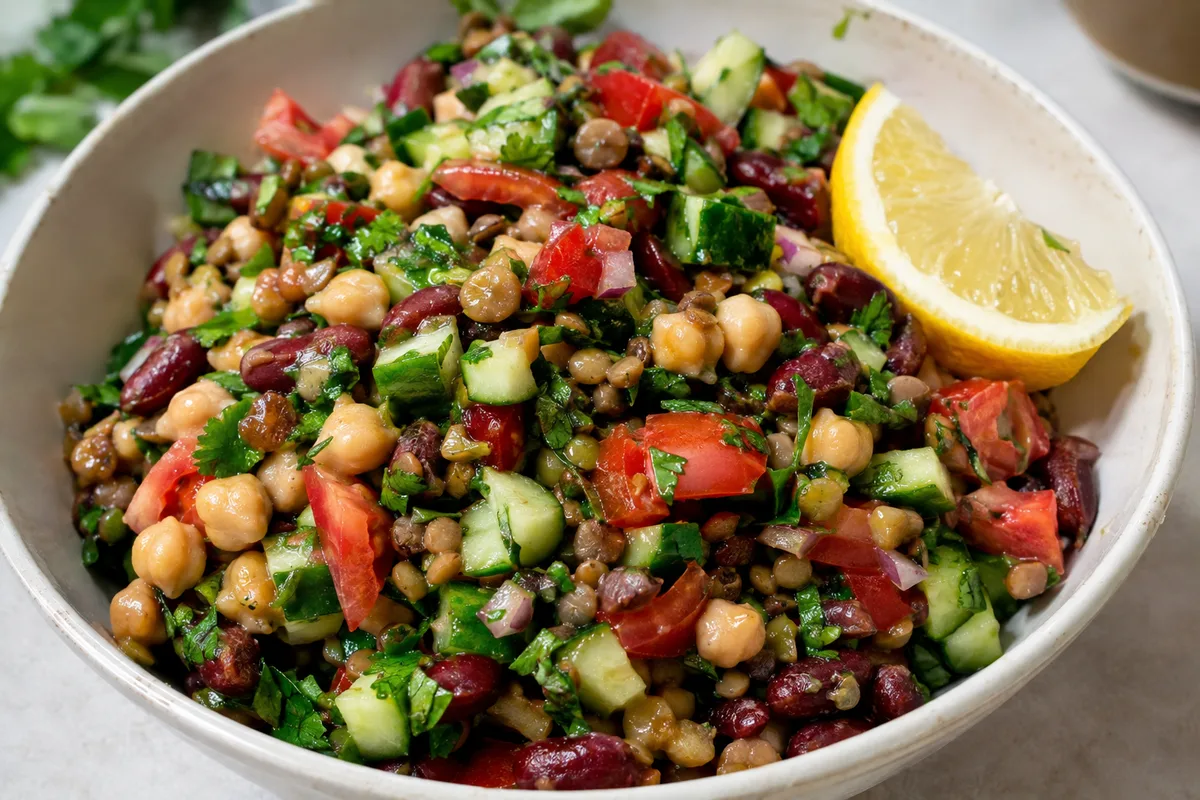
Drain and rinse them when you do not need the canning liquid. They work well with vegetables, herbs, spices and an acidic ingredient such as lemon juice or vinegar. If a full serving feels like too much at first, add a smaller amount and adjust it over time.
- Stir lentils into tomato soup or a vegetable stew.
- Add chickpeas to a chopped salad with cucumber and tomatoes.
- Mix beans with rice, roasted vegetables and salsa.
- Mash beans with herbs and lemon for a sandwich filling.
Fish and chicken for quick protein
Canned fish and chicken can add protein to a meal with very little preparation. Protein can help a meal feel satisfying, although the amount that suits you depends on the person and the rest of the day. Choose the type and serving size that fit your usual food log.
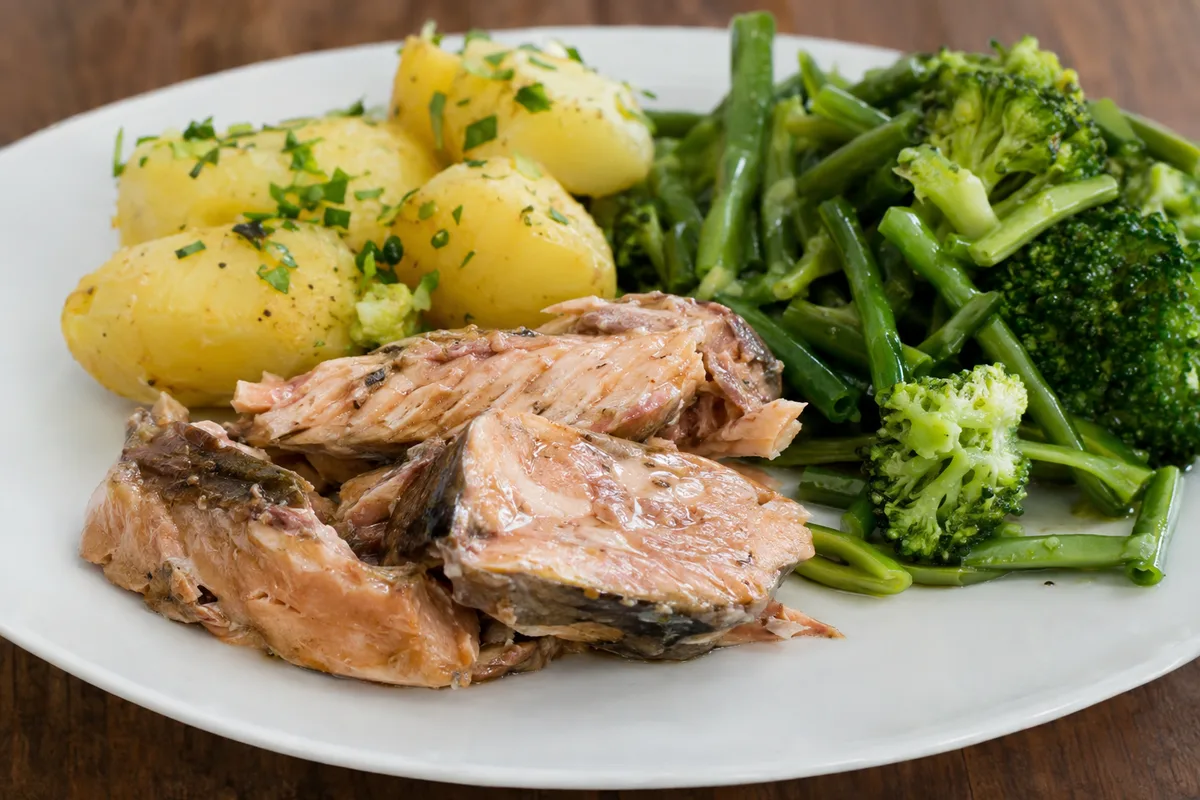
Products may be packed in water, brine, oil or sauce. Oil and sauce can change the energy content, so record what you actually eat rather than assuming all versions are alike. Draining can remove some liquid, but the label is still the best starting point for tracking.
- Combine canned fish with potatoes and green vegetables.
- Mix chicken with yoghurt, mustard and chopped celery for a filling.
- Add fish to a tomato and bean salad.
- Fold chicken into a vegetable soup or wholegrain wrap.
Tomatoes and vegetables for more volume
Canned tomatoes and vegetables make it easier to build meals around a generous amount of produce. They are particularly useful in sauces, curries, soups and stews, where fresh ingredients may take longer to prepare. Adding vegetables can increase the volume and fibre of a meal while keeping its ingredients easy to track.
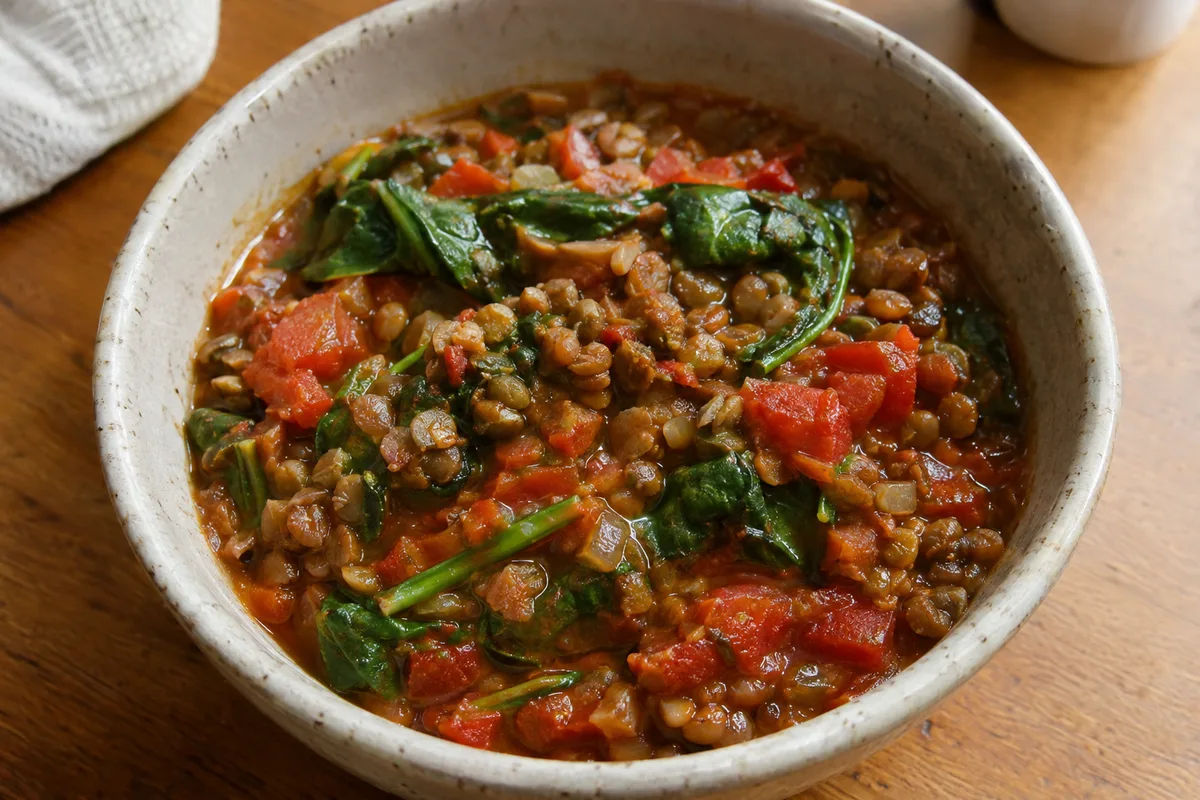
Plain versions give you more control over seasoning and added fats. Flavoured varieties can also fit, but their sauces may change the energy content and salt level. Compare the labels and choose according to the full meal rather than judging one ingredient in isolation.
- Use chopped tomatoes as the base for a bean or vegetable sauce.
- Add sweetcorn and beans to rice bowls or salads.
- Stir peas or carrots into soups and casseroles.
- Combine tomatoes, lentils and spinach for a simple one-pan meal.
Fruit that is ready when you need it
Canned fruit is a practical option when fresh fruit is unavailable or likely to go to waste. It can add sweetness, fibre and colour to breakfast or a snack. Fruit packed in juice or water is easier to account for than versions served in a rich syrup, although either can be logged accurately from the label.
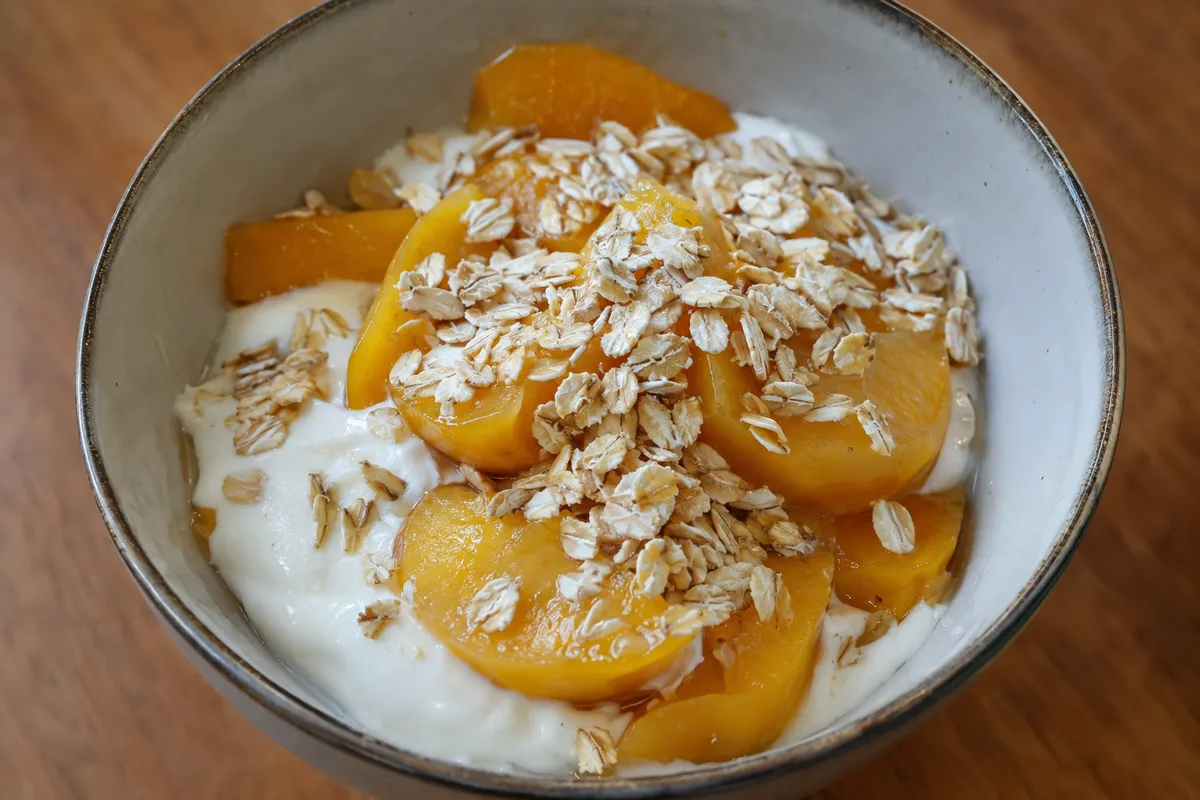
Drain the fruit if that is how you plan to eat it, and check whether the nutrition information covers the fruit alone or the whole contents. Pairing it with yoghurt, oats or another protein-containing food can make it part of a more complete meal. The right portion depends on your appetite and daily targets.
- Spoon peaches over plain yoghurt and oats.
- Add pineapple to a savoury rice bowl with vegetables.
- Mix pears with yoghurt, cinnamon and chopped nuts.
- Serve fruit alongside a protein-containing breakfast.
Turn the label into an accurate food-log entry
Canned food labels differ in serving size, total contents and whether values include the packing liquid. Before logging, check the product name, the stated portion and the amount you actually used. If you drain the food, choose a drained entry when one is provided or follow the label instructions.
Build a meal by starting with a protein or fibre-rich canned food, then adding vegetables and a carbohydrate that suits your plan. Include oils, dressings, cheese and sauces because these are easy to overlook in a quick meal. No single canned food causes weight loss, but well-chosen staples can make a consistent eating pattern easier to maintain.
- Match the exact variety rather than selecting the first database result.
- Notice whether the listed amount is per serving, per portion or for the full can.
- Record sauces, oils and toppings separately when needed.
- Save frequently used combinations to make future tracking quicker.