
How to Fit Popular Dunkin Foods Into a Weight-Loss Plan
Dunkin foods do not need to be automatically ruled out when you are trying to lose weight. This guide explains how to compare familiar choices, build a satisfying order and record it accurately.
Start with the whole order, not one food
Weight loss depends on your overall energy intake over time, rather than whether one particular food is considered good or bad. A Dunkin breakfast or bakery item can fit if it works within the rest of what you eat. The suitable portion and frequency depend on your appetite, routine and personal target.

Look at everything included in the order before deciding what fits. A main item may be reasonable for your plan, while added sides, spreads and another bakery item can make the meal harder to accommodate. Tracking each part separately gives you a clearer picture than recording only the main food.
- Check the nutrition details for your local menu, as recipes and serving sizes can vary
- Record fillings, spreads, toppings and sides as well as the main item
- Compare foods by serving, rather than assuming similar-looking items are equal
- Plan the rest of the day around the complete order, not just one ingredient
Savoury breakfast sandwiches and wraps
Egg-based sandwiches and wraps are popular savoury choices because they combine a bread base with a filling. Options such as an egg and cheese Wake-Up Wrap or an egg and cheese English muffin may be easier to fit into some plans than a larger sandwich with several fillings. The exact difference depends on the current recipe and the customisations selected.
Protein can help make a meal feel more substantial, while cheese, meat and sauces add their own energy. That does not mean they must be removed, but it is worth deciding which extras matter most to you. A simpler sandwich can also leave room for fruit, yoghurt or another food later in the day.
- Egg and cheese Wake-Up Wrap
- Egg and cheese English muffin
- Breakfast sandwich with one chosen filling
- A sandwich without an extra spread or sauce
- One main breakfast item without a second side
Bagels, toast and spreadable toppings
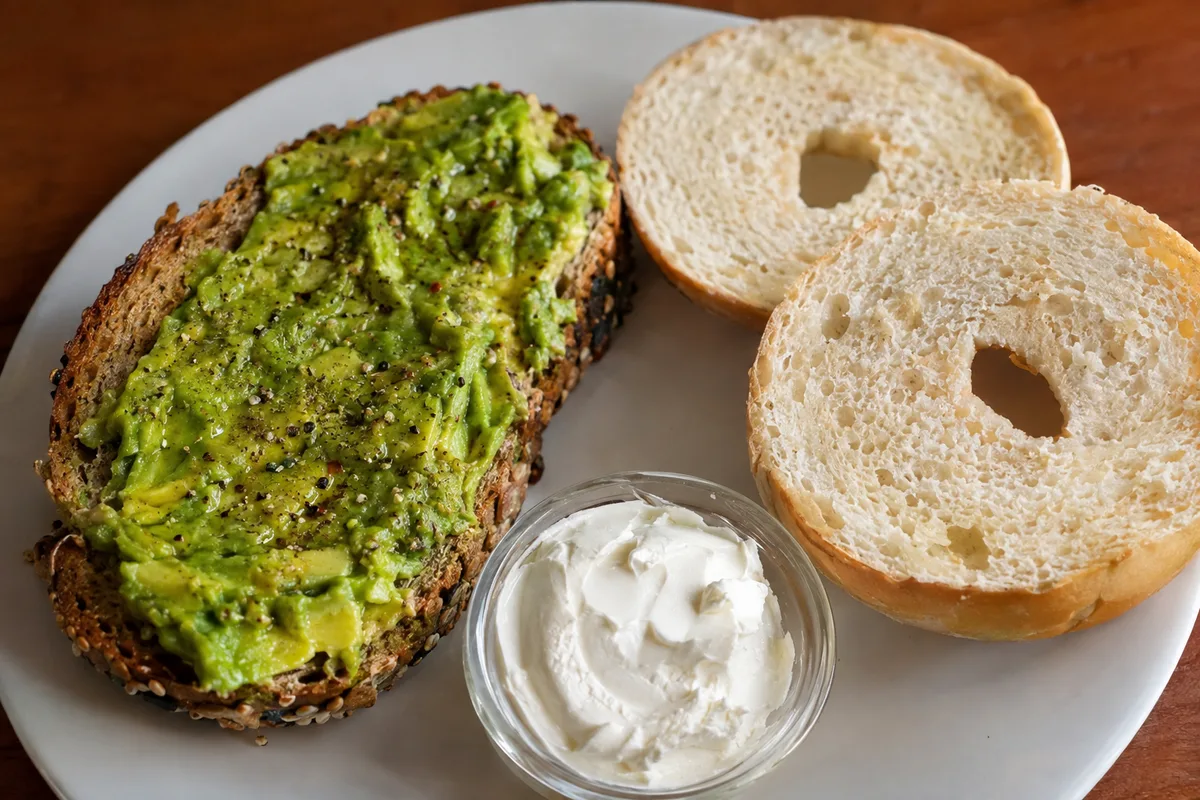
A plain bagel, a bagel with cream cheese and avocado toast are different meals once their toppings are included. The bread provides carbohydrate, while cream cheese or avocado adds fat and changes the total energy content. Fat provides about 9 kcal per gram, compared with about 4 kcal per gram from carbohydrate or protein.
Avocado toast may offer fibre and a savoury flavour, but it is not automatically the lowest-energy choice. Likewise, a plain bagel is only plain if no spread is added. Use the listed serving as your starting point, then track any topping separately if it is not already included in the menu entry.
- Avocado toast as a single main item
- A plain bagel with the chosen spread recorded separately
- An English muffin in place of a larger bread option when that suits your plan
- Part of a larger bread serving, with the remainder saved for another time
Doughnuts and other bakery foods
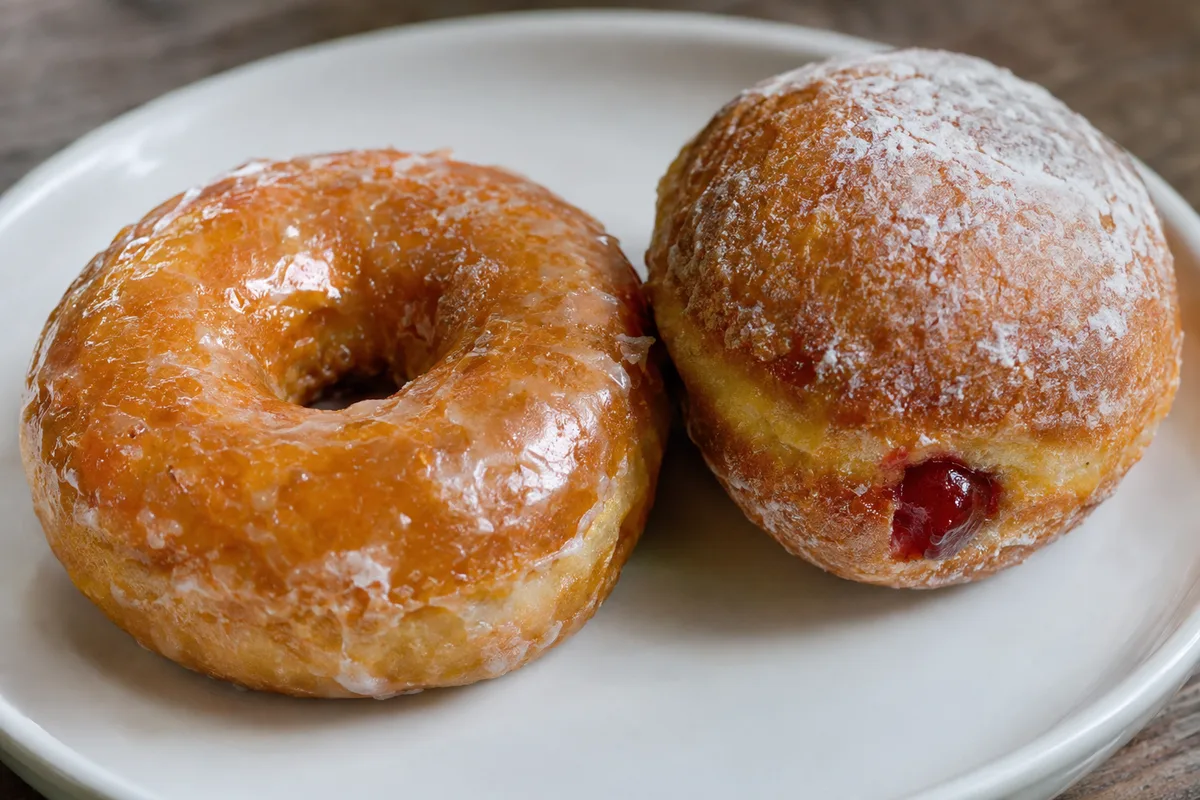
A doughnut can fit into a weight-loss plan, but it may not keep you full for as long as a meal containing more protein and fibre. Glazes, fillings, icing and toppings can also create meaningful differences between varieties. Check the entry for the exact doughnut rather than logging a generic average.

It can help to decide whether the bakery item is the main event or an addition to breakfast. If it is an addition, consider whether the rest of the order still matches your planned intake. Choosing one favourite deliberately may feel more worthwhile than adding several items simply because they are available.
- Track the exact flavour and filling shown on the menu
- Choose the bakery item that you genuinely prefer
- Treat a doughnut and a breakfast sandwich as separate parts of the order
- Save an unwanted portion rather than eating it only to finish the serving
Sides and small items still count
Hash browns, stuffed bagel minis and other small foods can be easy to overlook because they are described as sides or snacks. Their size does not make them irrelevant to your food log. They may work well as the main food for a lighter eating occasion, but adding them to a full breakfast changes the overall order.
Think about what the side contributes and whether you are likely to notice its absence. If the main item already feels satisfying, another side may add little beyond habit. If a smaller item is your favourite part, you could include it deliberately and simplify another part of the order.
- Hash browns recorded as their own serving
- Stuffed bagel minis tracked using the listed portion
- One small item paired with food from home
- A chosen side in place of an extra bakery item
Make the order easy to track
The most useful Dunkin choice is one you can record accurately and that fits your day. Before ordering, find the closest exact menu entry available in your food tracker or use the official nutrition information for your location. Avoid selecting a similar item if its bread, filling or portion is different.
After eating, note whether the meal kept you satisfied and whether you enjoyed the choices you made. This is not about labelling the order as a success or failure. It is a way to learn which combinations are practical for your appetite, preferences and routine.
Menu foods can remain occasional favourites or become part of a regular pattern, depending on how they fit your overall intake. Consistency matters more than making every order as small as possible. A repeatable choice that you enjoy is often easier to plan for than a restrictive order that leaves you searching for more food soon afterwards.
- Choose the exact menu item in your tracker
- Adjust the entry for omitted or added ingredients
- Record the portion actually eaten
- Review the full day rather than judging one meal alone