
Which breads can fit a weight-loss plan?
Bread does not need to be removed from your food diary when you want to lose weight. This guide explains how to compare popular choices and build a satisfying meal around them.
There is no single best bread
Weight loss depends on your overall eating pattern, not one type of bread. Any bread can fit when its portion and toppings work within what you are tracking. The most useful choice is often one that you enjoy and find filling enough for the meal.
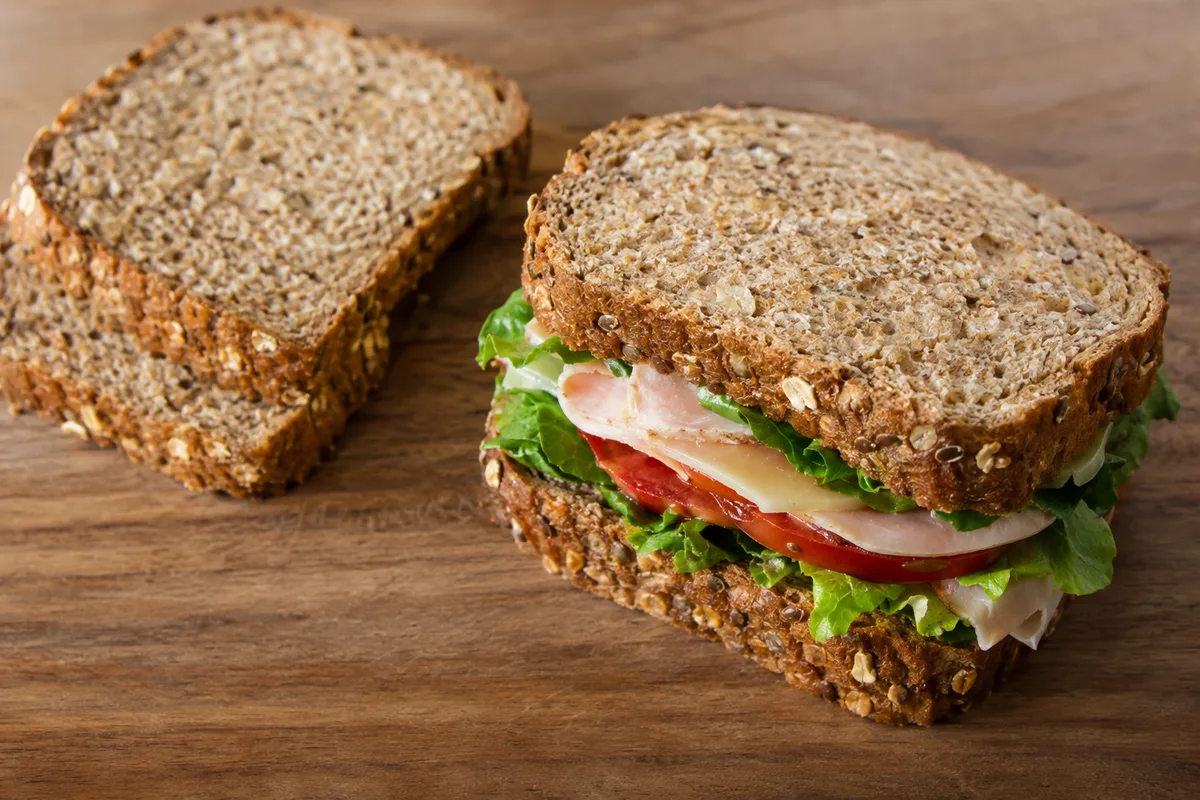
Bread varies in fibre, protein, texture and slice size. These details can affect how satisfying it feels and how easily the serving fits your plan. Calories also differ between products, so check the label rather than assuming every slice is similar.
- Choose bread you genuinely like, so the meal feels worthwhile.
- Compare the serving shown on the label with the amount you eat.
- Look for fibre and protein alongside calories.
- Count spreads, fillings and extras as part of the whole meal.
Wholemeal and wholegrain bread
Wholemeal bread is made using the whole grain, including its fibre-rich outer parts. Wholegrain loaves may also contain visible grains and seeds, although recipes vary. Their fibre and firm texture can make a meal feel more substantial.
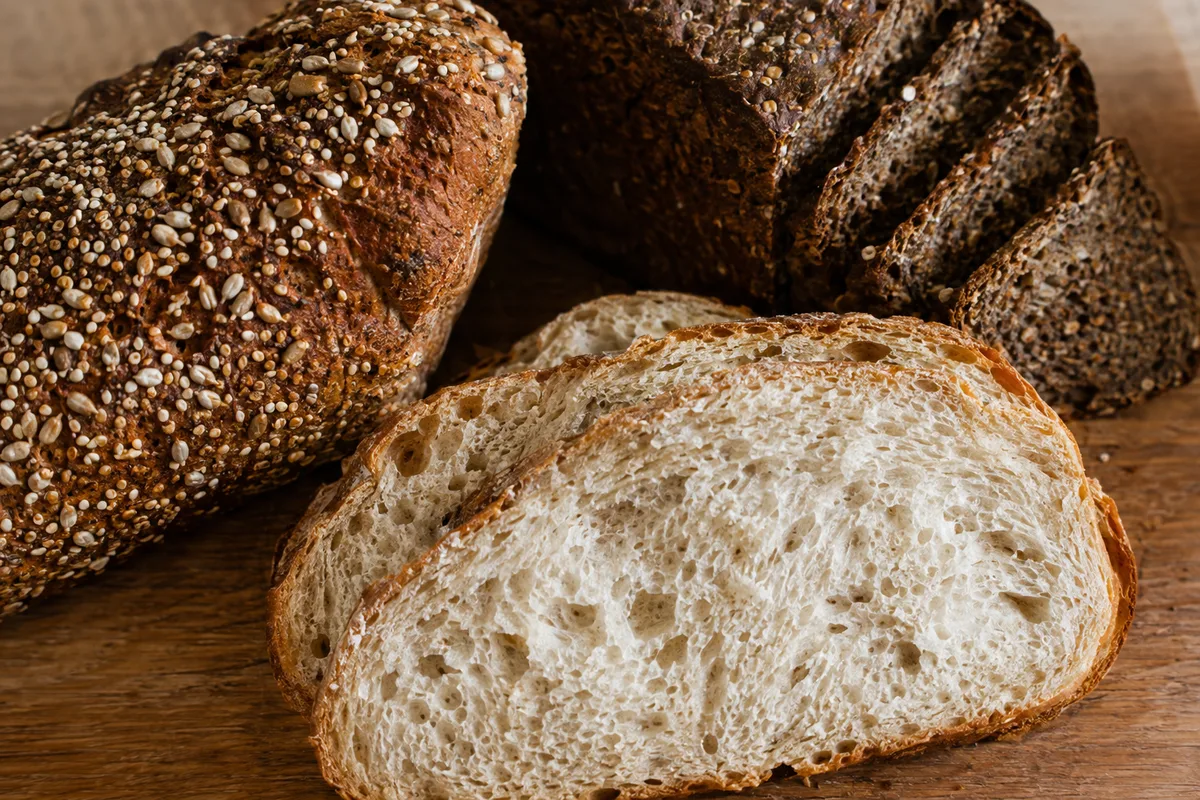
Do not rely only on a brown colour or a rustic-looking package. Some darker loaves contain refined flour, while genuine wholemeal bread should be clearly named in the ingredients. Compare labels because slice size, added ingredients and nutrition can differ between loaves.
- Wholemeal sliced bread for toast or sandwiches
- Wholegrain bread with a dense, chewy texture
- Granary-style bread when the label shows a useful fibre content
- Wholemeal rolls, with the roll counted as the portion
Seeded, rye and sourdough choices
Seeded bread brings crunch and may add fibre, protein and fats. Seeds are energy-dense, however, so a seeded loaf is not automatically lower in calories. The label will show whether its nutrition suits the meal you have planned.
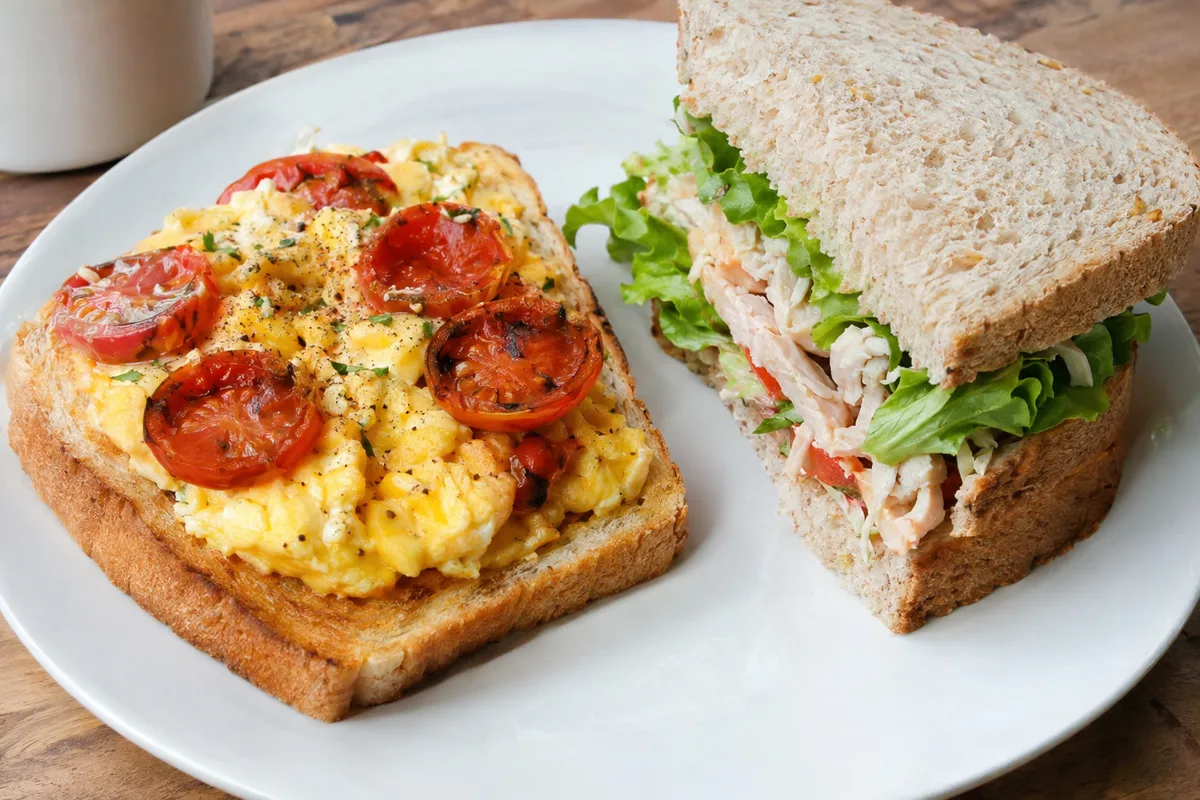
Rye bread is often dense and strongly flavoured, which can work well with simple toppings. Sourdough refers mainly to the fermentation method rather than a guaranteed calorie or fibre level. Either can fit, but their ingredients and slice sizes matter more than the name alone.
A thicker or denser slice may be more satisfying, but it may also contribute more calories than a thin standard slice. That is not a reason to avoid it. Track the amount you actually serve and decide whether it gives enough enjoyment and fullness for its place in the meal.
- Seeded bread with a clearly stated serving size
- Rye bread topped with eggs, fish or cottage cheese
- Sourdough served with a protein-rich filling and vegetables
- Mixed-grain bread when you prefer extra texture
White, high-fibre and lower-calorie bread
White bread can still be included in a weight-loss plan. It is often lower in fibre than wholemeal bread, so some readers may find it less filling on its own. Pairing it with protein and vegetables can make the meal more balanced and substantial.
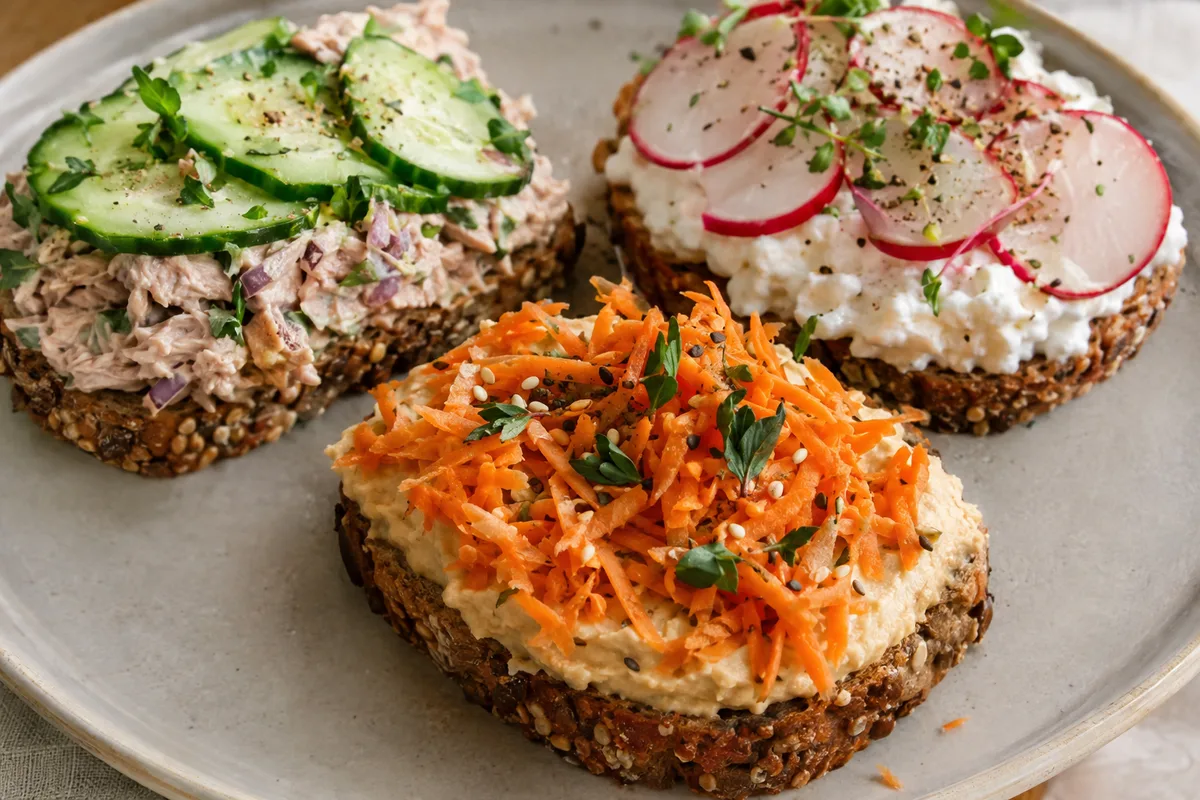
High-fibre white bread can be useful if you prefer a softer texture but want more fibre. Lower-calorie loaves often achieve their numbers through smaller or thinner slices, so notice whether the suggested serving matches what you normally eat. A smaller slice only helps if the finished meal still feels satisfying.
Taste matters because an unsatisfying substitute can leave you looking for something else soon afterwards. Compare the bread you prefer with the alternatives in your tracker. The best fit depends on your appetite, meal size and overall calorie target.
- White toast with eggs and grilled tomatoes
- High-fibre white bread with chicken and salad
- A smaller sliced loaf when you prefer more individual pieces
- An open sandwich when one topped slice makes a complete meal
Look beyond the bread itself
Bread is often only one part of the calories in a sandwich, toast meal or snack. Butter, mayonnaise, cheese, processed fillings and large amounts of spread can change the total quickly. Logging each part separately gives you a clearer picture than labelling the whole meal as simply bread.
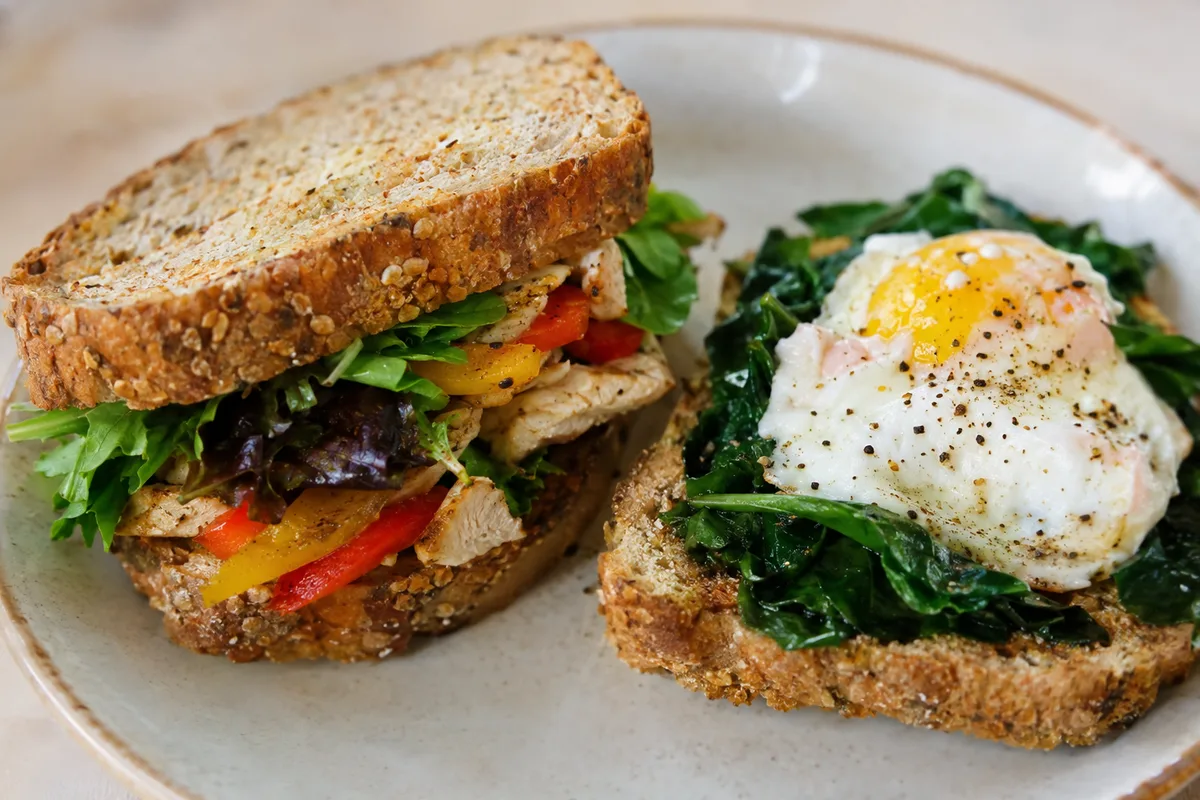
Build the meal around a sensible bread portion, a protein-rich food and plenty of vegetables where they fit. Protein and fibre can help the meal feel more satisfying, while vegetables add volume and variety. The right amounts depend on your appetite and the rest of your day.
Open sandwiches and thinner layers of rich spreads are options, not rules. You might prefer a full sandwich with lighter fillings or a thick slice of toast with a substantial topping. Use your food record to find the version that keeps you satisfied without crowding out other meals.
- Egg with spinach and tomato
- Tuna with cucumber and salad leaves
- Chicken with peppers and yoghurt-based dressing
- Cottage cheese with radish and herbs
- Hummus with grated carrot and roasted vegetables
A simple way to choose in the shop
Start with the nutrition label and compare breads using the same basis, such as per slice or per stated serving. Check calories, fibre and protein, then look at the physical size of that serving. A loaf with impressive figures per slice may simply use a smaller slice.
Read the ingredients to see whether wholemeal or wholegrain flour is a main component. Seeds, oats and grains can be useful additions, but their presence on top of a loaf tells you little about the full recipe. Salt and added sugars may also vary, so compare products if these matter in your tracking.
Finally, choose a loaf that works for the meals you actually make. Track your normal portion and notice how hungry you feel before the next planned meal. That practical feedback is more useful than calling one bread universally good or bad.
- Compare like with like on the nutrition labels.
- Check whether the listed serving matches your portion.
- Prioritise enough fibre and protein for your needs.
- Choose a texture and flavour you will enjoy.
- Review the complete meal in your tracker.