
Which cheese is highest in protein?
Parmesan-style cheese is usually among the highest-protein cheeses when compared by weight. This guide explains why, how other cheeses compare and what to record in your food diary.
The short answer: hard cheese usually comes out on top
Parmesan-style cheese is generally one of the highest-protein cheeses per 100 grams. Other firm, aged cheeses can also rank highly because much of their water has been removed during production. The exact result depends on the cheese and the figures shown on its label.
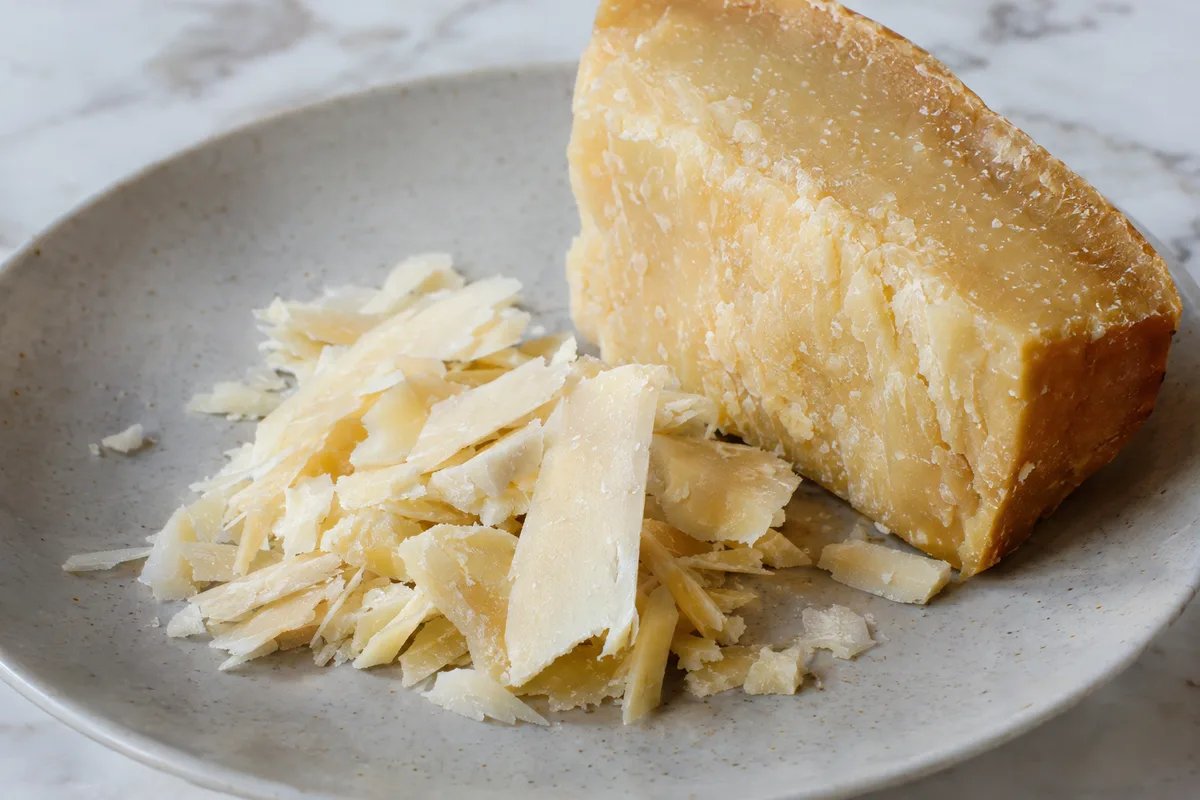
A high figure per 100 grams does not automatically mean a high-protein serving. Parmesan is often grated or shaved in a fairly small amount, while softer cheese may be eaten in a larger portion. For useful tracking, compare both the label figure and the amount you actually eat.
- Parmesan-style hard cheese
- Other firm, long-aged Italian-style cheese
- Reduced-fat hard cheese
- Mature firm cheese such as Cheddar
Why harder cheeses contain more protein by weight
Cheese contains protein, fat, water and small amounts of carbohydrate. As cheese matures, it often loses moisture and becomes firmer. This concentrates the protein and fat into a smaller weight of food.
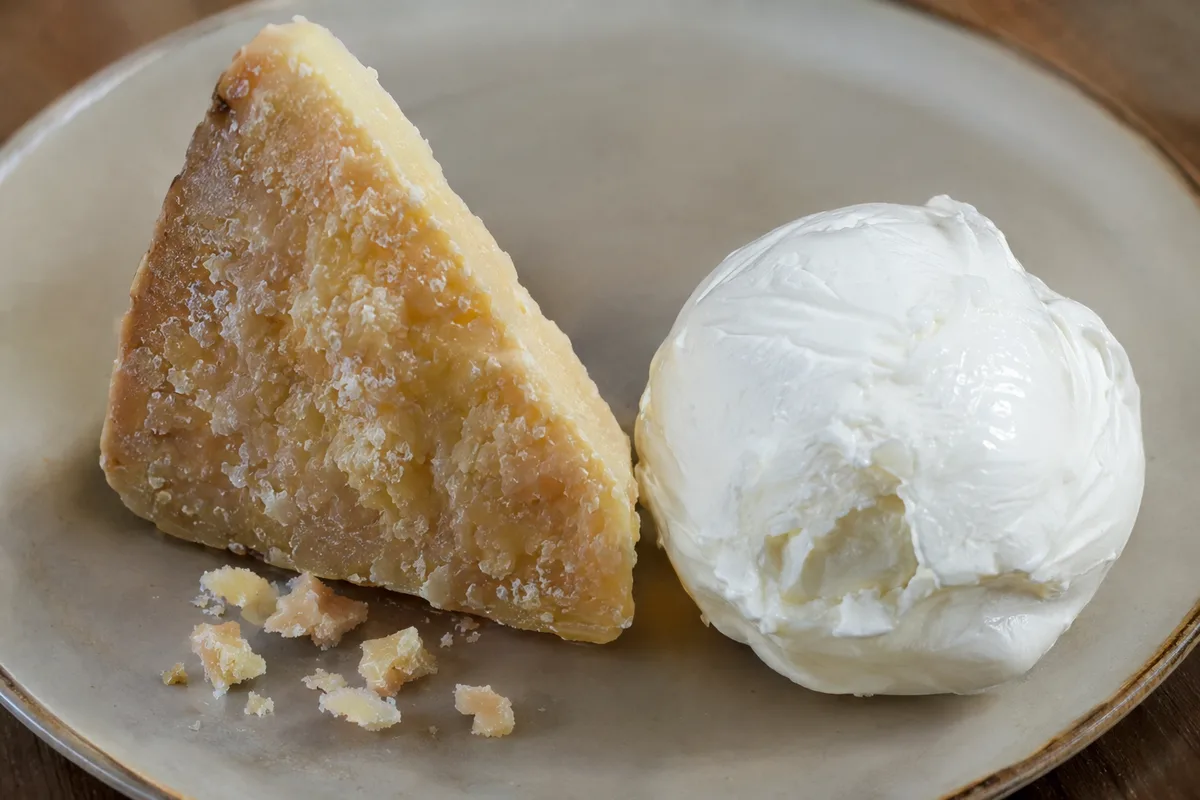
Fresh cheeses hold more water, so each 100-gram portion usually contains less protein than the same weight of a dry, hard cheese. That does not make fresh cheese a poor choice. It simply means water affects the comparison.
Fat level can matter too. In some reduced-fat cheeses, protein makes up a larger share of the final product because there is less fat present. Recipes differ, so the nutrition panel remains more reliable than the style name alone.
How common cheeses compare
Firm aged cheeses, including Parmesan-style cheese, usually sit near the top when protein is compared per 100 grams. Cheddar, Gouda and similar firm cheeses are also protein-rich, although their figures vary with moisture and fat content. Semi-soft cheeses tend to fall somewhere below the driest varieties.
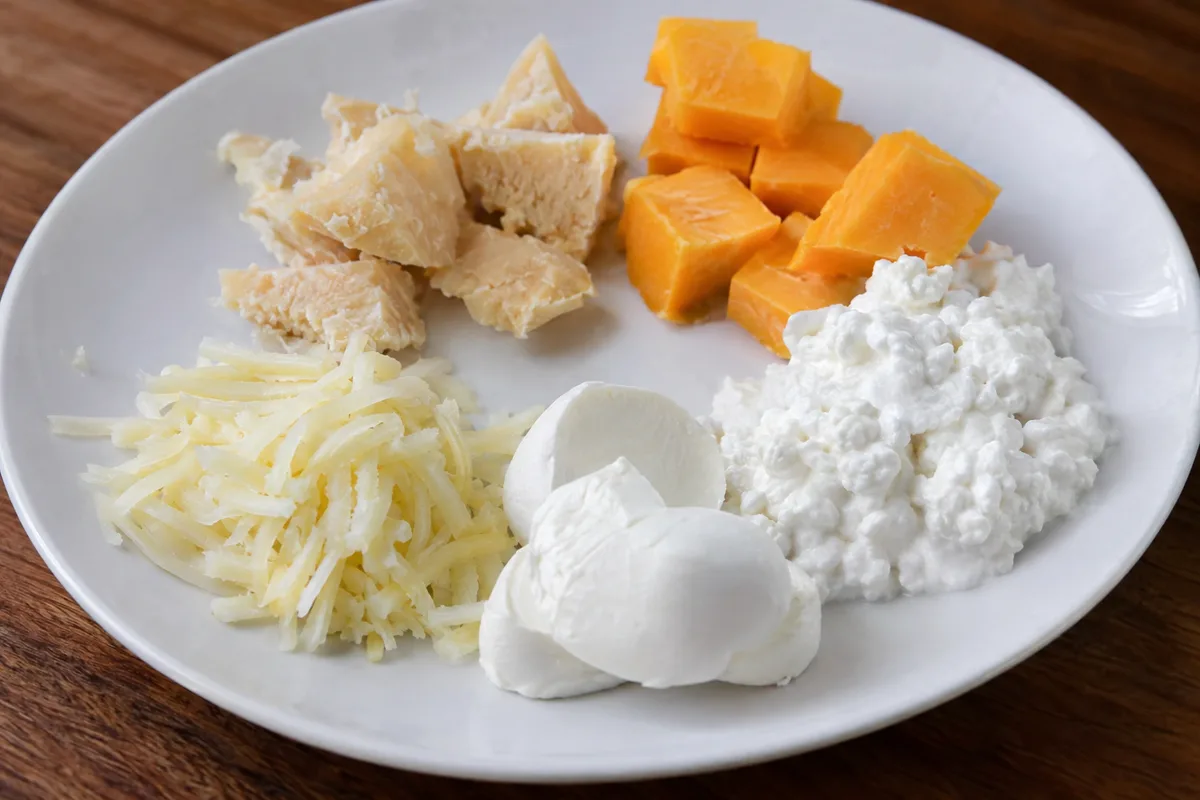
Mozzarella varies considerably. A low-moisture block is more concentrated than fresh mozzarella stored in liquid, so the two should not be logged as if they were identical. Check that the food entry matches the version on your plate.
Cottage cheese and quark-style fresh cheese usually contain less protein per 100 grams than Parmesan-style cheese. However, they are often eaten by the bowlful rather than used as a small topping. Their total protein per meal can therefore be useful, depending on your portion.
- Hard and aged: usually most concentrated by weight
- Firm and semi-hard: generally high, with variation between products
- Low-moisture mozzarella: more concentrated than fresh mozzarella
- Fresh and soft: usually less concentrated because they contain more water
- Cottage-style cheese: lower by weight than hard cheese but often served in larger portions
Compare labels in a way that matches your goal
Start with the protein figure per 100 grams when you want a like-for-like comparison. This removes the confusion caused by different suggested serving sizes. Make sure you are comparing the same type of value across every label.
Next, work out the protein in your own portion. If your tracker has the exact product, enter the weight or household measure you used. If it does not, choose an entry with similar protein, fat and energy information.
Protein is only one part of the label. Cheese can also contribute substantial fat and salt, with amounts differing between styles and recipes. Looking at the full nutrition panel helps you choose the cheese that fits the rest of the meal.
- Check protein per 100 grams
- Confirm whether the cheese is fresh, low-moisture, reduced-fat or full-fat
- Enter the amount actually eaten
- Match the tracker entry to the packet label
- Review fat, salt and total energy alongside protein
Protein concentration is not the same as portion usefulness
A dry cheese may lead the per-100-gram table but still add only a modest amount of protein when used as a light garnish. A softer cheese can provide more in the meal if you eat a larger serving. Neither measure is wrong; they answer different questions.
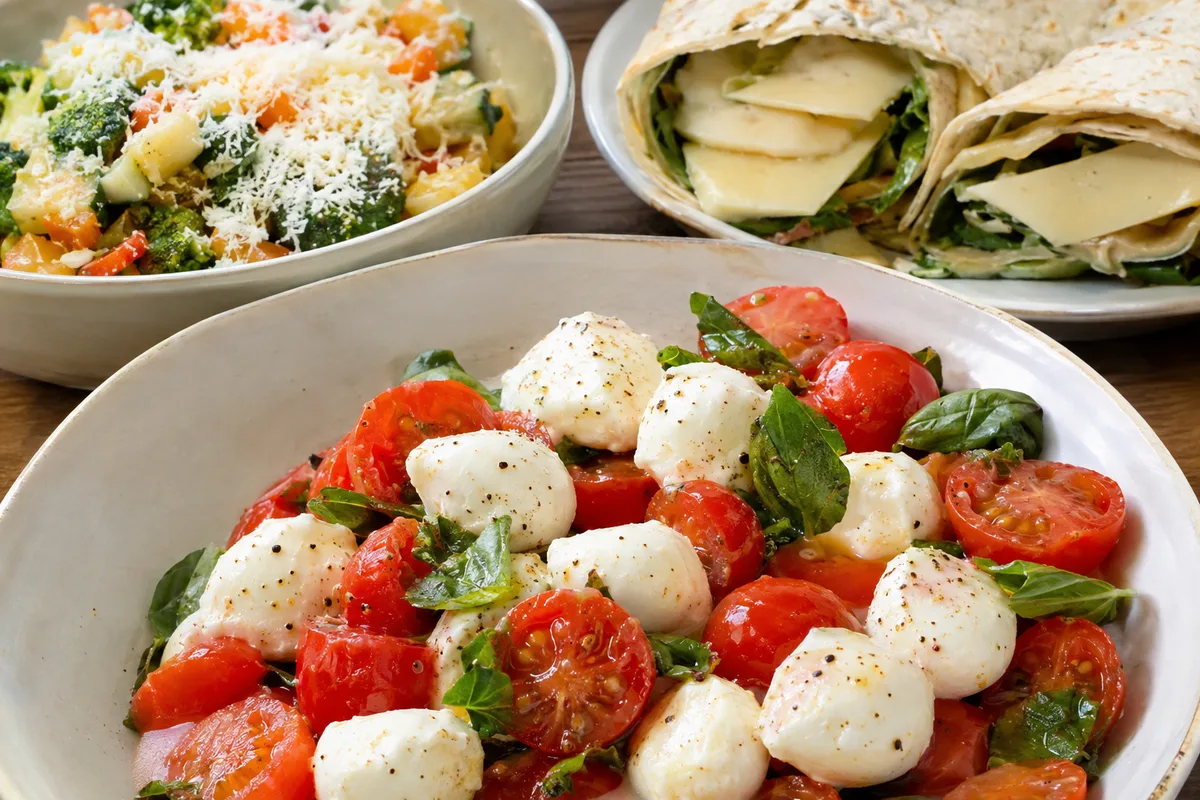
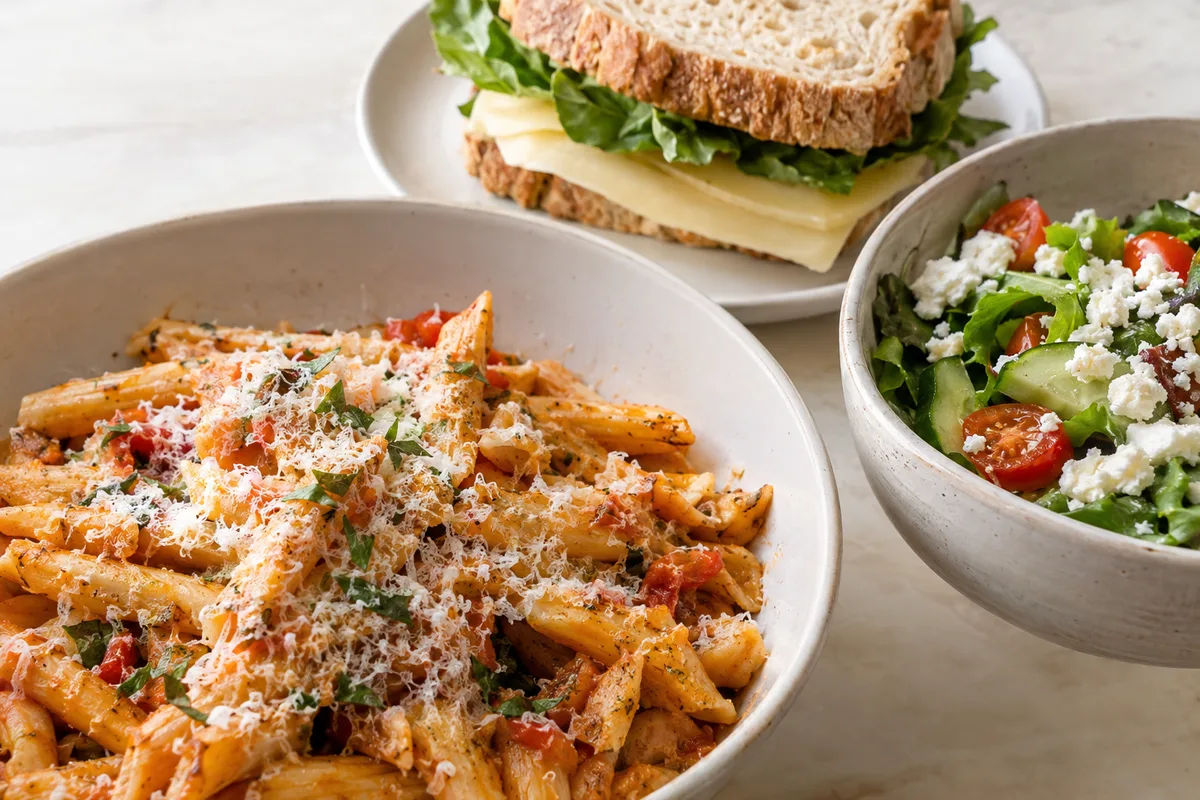
Think about the role of the cheese in the dish. Grated hard cheese adds a concentrated savoury topping, sliced firm cheese can form part of a sandwich, and cottage-style cheese can act as the main protein-containing ingredient. The most useful option depends on the portion and the foods around it.
When tracking, save portions that reflect how you normally use each cheese. This makes repeated meals quicker to record and avoids relying on a generic serving. Adjust the entry whenever your portion changes.
- For a topping, record the small amount of grated hard cheese
- For a sandwich, record the number and weight of slices where available
- For a bowl or filling, record the full serving of fresh cheese
- For a mixed recipe, divide the cheese between the portions served
Choosing the right cheese for your meal
Choose Parmesan-style cheese when you want the most protein-concentrated type and only need a strongly flavoured addition. Choose Cheddar or another firm cheese when you want slices, cubes or a melted layer. Choose cottage-style cheese when a larger, softer serving suits the dish.
There is no single best cheese for every food diary. The highest number per 100 grams may not produce the highest total in your usual portion, and the rest of the meal also matters. Use the label and your real serving to make the comparison personal.
If the label is unavailable, select the closest cheese style in your tracker rather than treating all cheese as the same. Note whether it is hard, soft, fresh, low-moisture or reduced-fat. That simple distinction makes the entry more representative.
- Grate hard cheese over pasta, vegetables or soup
- Add sliced firm cheese to a sandwich or wrap
- Use cottage-style cheese in a filled potato or salad bowl
- Add fresh mozzarella when texture and mild flavour matter more than protein concentration