
How to Find Portion Sizes That Support Weight Loss
There is no single correct portion size for weight loss because energy needs, appetites and routines differ. This guide explains how to build balanced plates, track portions accurately and make practical adjustments over time.
A portion is the amount you choose to eat
A serving is often a suggested amount shown on a food label, while a portion is what you actually put on your plate. Your portion might be smaller or larger than the labelled serving. For tracking to be useful, record the amount you ate rather than assuming that your portion matched the packet.
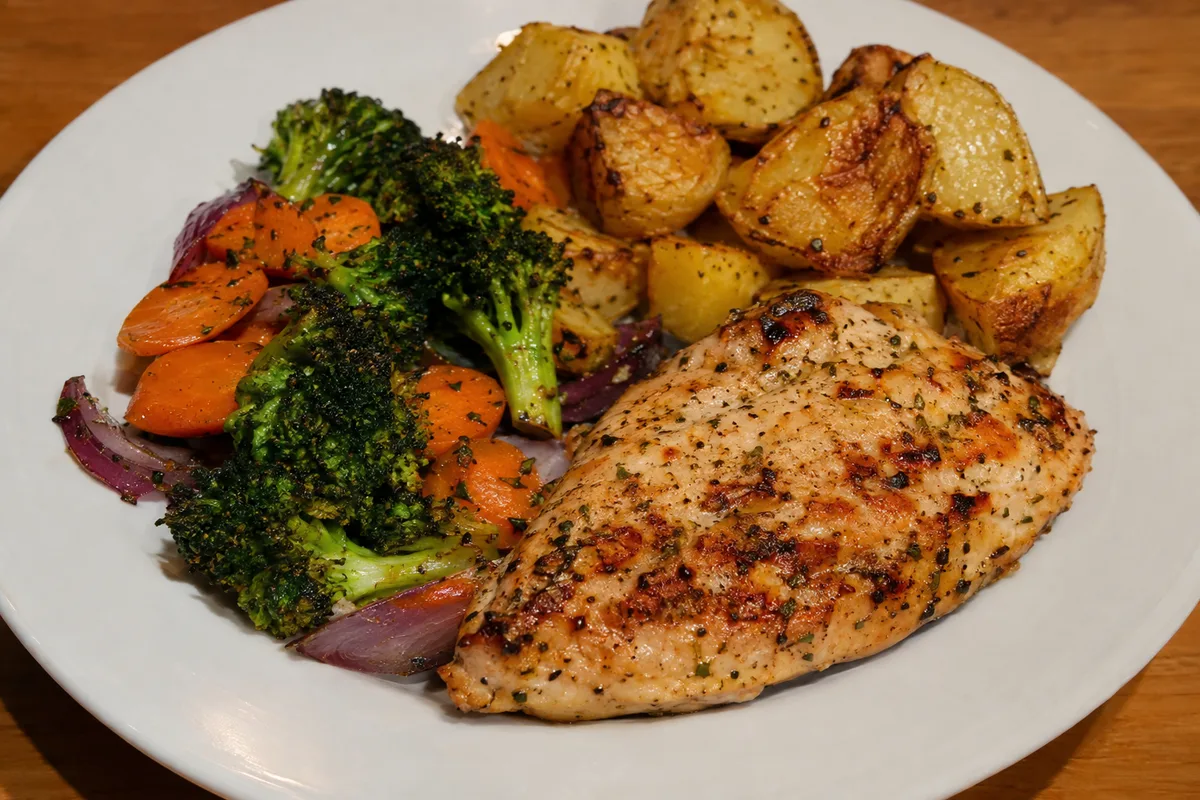
The right amount for you depends on factors such as body size, activity, appetite and your overall eating pattern. It can also change from one meal or day to another. A portion is therefore a starting point to assess, not a rule that must always stay the same.
Weight loss generally requires you to take in less energy than you use over time, but making every portion tiny is not the answer. Very small meals can leave you hungry and make the plan difficult to maintain. Aim for portions that create a manageable overall intake while still making meals feel complete.
- Check how many labelled servings are in the amount you ate.
- Log second helpings, cooking oils, dressings and drinks as part of the meal.
- Use your usual eating pattern, appetite and progress to judge whether portions need changing.
- Treat restaurant and takeaway portions as amounts to assess rather than automatic single servings.
Build a balanced plate before cutting food
Start by looking at the balance of the meal rather than simply removing food. Give plenty of plate space to vegetables or salad, then include a clear source of protein and a portion of starchy carbohydrate. Add fats and sauces deliberately because small-looking amounts can contribute substantial energy.
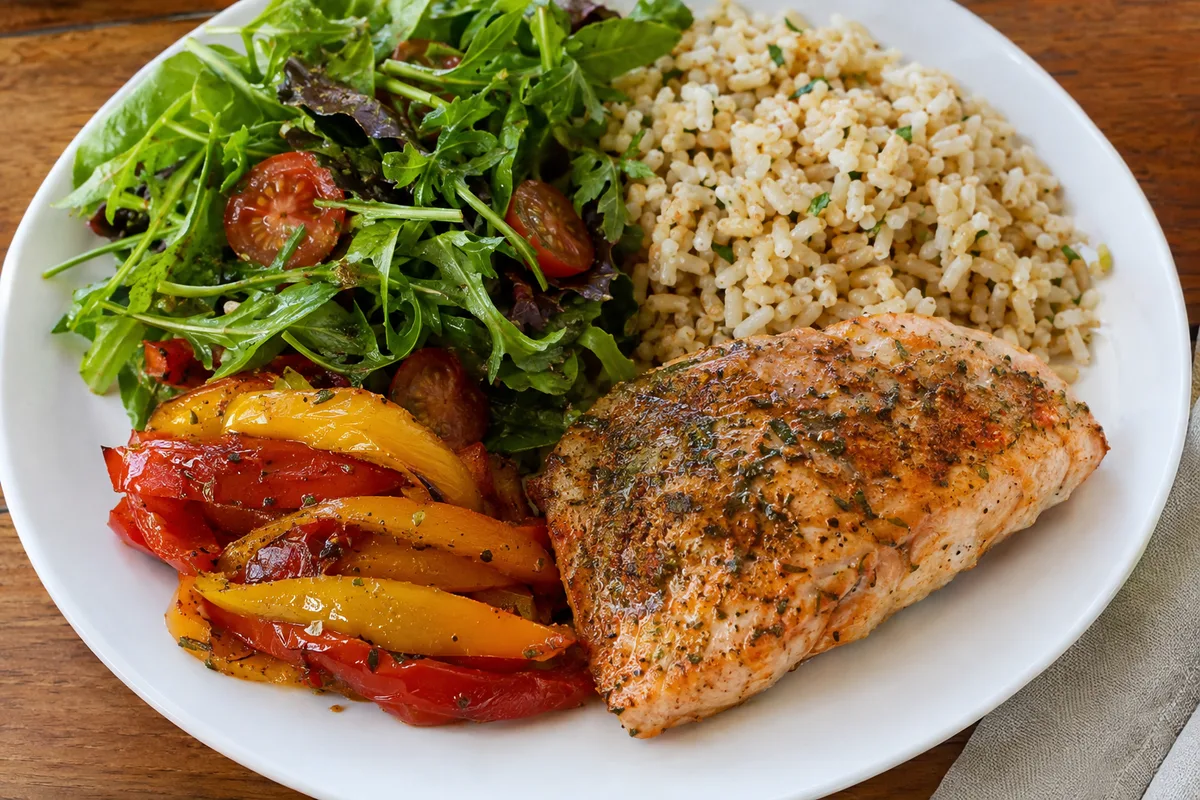
Vegetables can add colour, fibre and volume without requiring the whole meal to be large in energy. Protein-rich foods often make a meal feel more substantial, while carbohydrate foods provide energy and can remain part of a weight-loss approach. Fat also has a place, but pouring or spreading it without checking the amount can make tracking less accurate.
Not every dish separates neatly into sections. For pasta dishes, curries, stews or sandwiches, think about the ingredients that make up the whole meal. Ask whether it contains a useful amount of vegetables and protein, then decide how much starch, sauce or added fat suits your plan.
- Vegetables or salad: make these a prominent part of the meal.
- Protein: include foods such as eggs, fish, poultry, beans, lentils, tofu or yoghurt.
- Starchy carbohydrate: choose an amount of bread, rice, pasta, potatoes or grains that fits your needs.
- Added fat: account for oil, butter, spreads, cheese, nuts and creamy sauces.
Use hand portions when measuring is impractical
Your hand can provide a quick visual guide when you cannot measure food. Because hand sizes vary, this method is approximate and naturally differs between individuals. It works best as a way to stay reasonably consistent, not as a precise calculation.
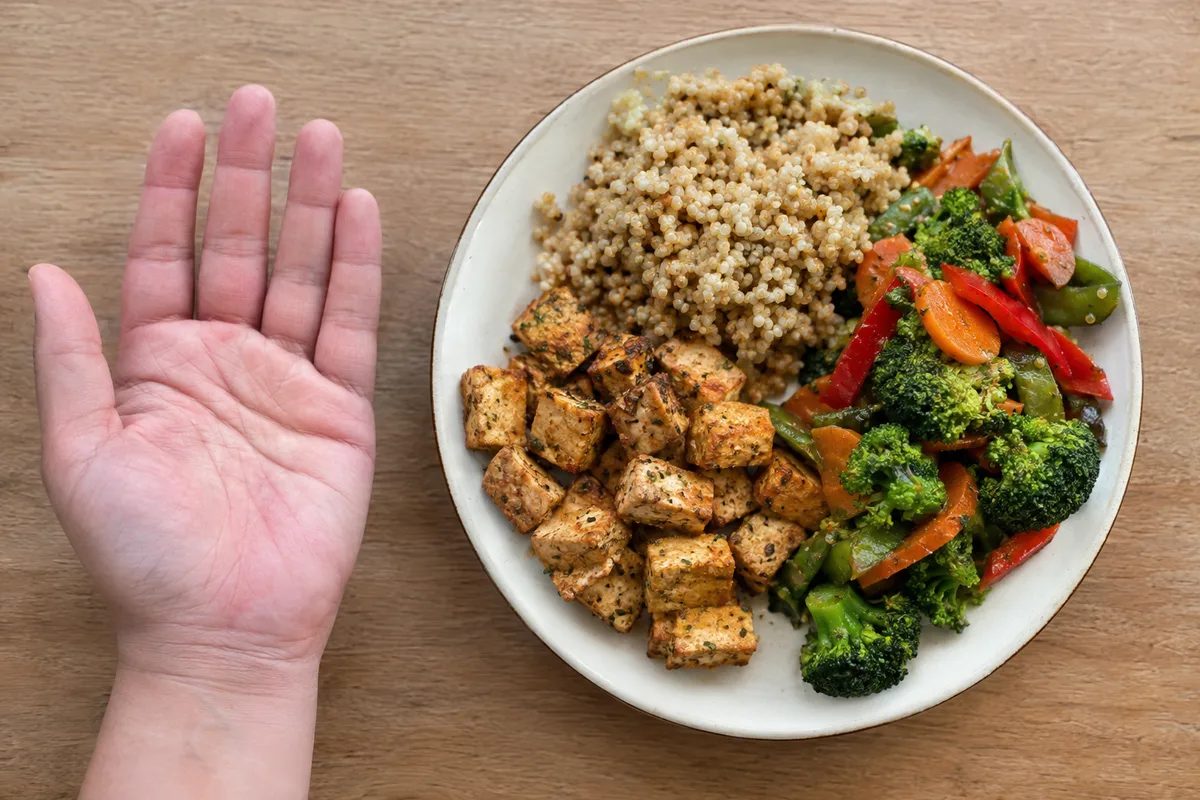
A palm-sized piece can guide a protein portion, while a cupped hand can suggest an amount of cooked rice, pasta or grains. A fist can help you picture a portion of vegetables, and a thumb can act as a reminder to be deliberate with concentrated fats. These are visual cues rather than fixed nutrition targets.
Compare these guides with the portions you normally log at home. Once you recognise what your usual amounts look like, estimating meals away from home becomes easier. If an estimate is uncertain, record it honestly and return to your normal routine at the next meal.
- Palm: a rough visual cue for fish, meat, tofu or another main protein.
- Cupped hand: a rough guide for cooked grains, rice or pasta.
- Fist: a simple reference for vegetables or fruit.
- Thumb: a reminder to notice spreads, oils and other concentrated fats.
Make your food log match your plate
Tracking works best when the entry reflects what was actually prepared and eaten. Cooked and uncooked foods can have different weights because they gain or lose water. Choose the matching database entry and record whether the food was weighed cooked, raw or drained.
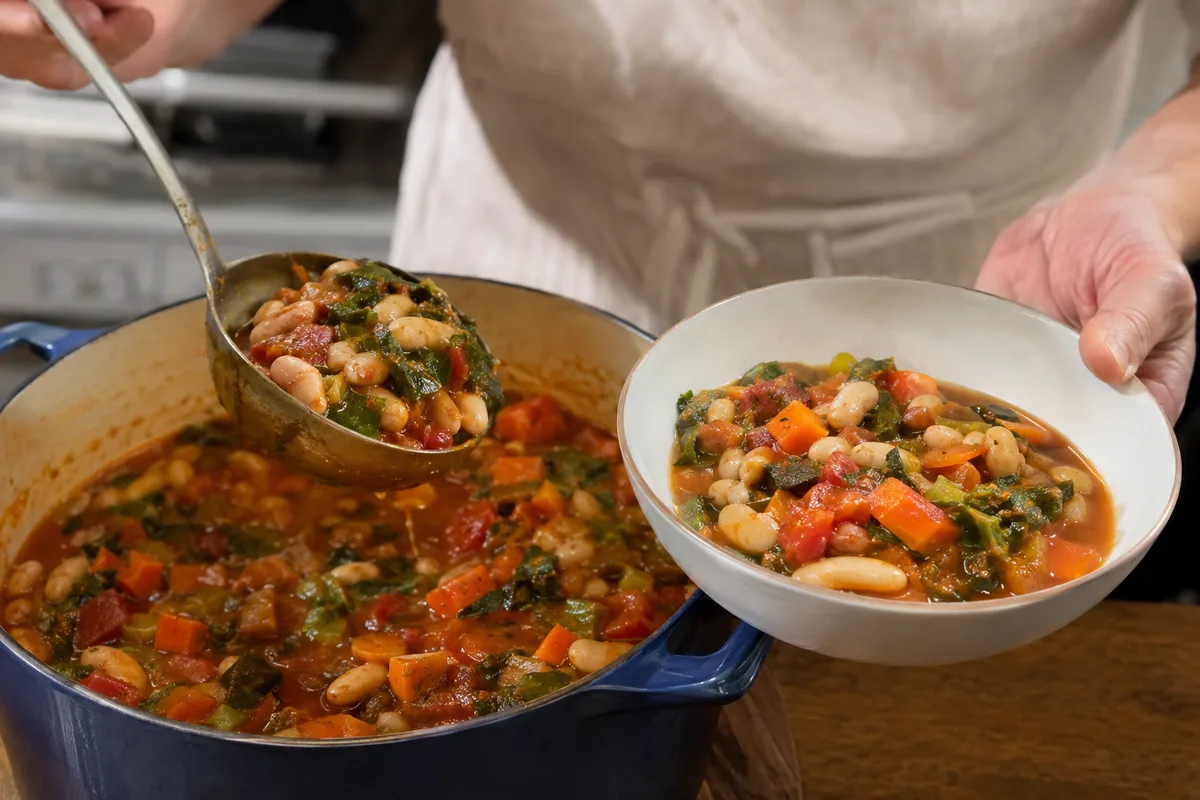
Mixed dishes need extra attention because a bowlful does not show how much oil, cheese, sauce or each main ingredient it contains. When cooking at home, log the ingredients used for the full recipe and divide the total according to the share you ate. The number of portions depends on how the dish was divided, not what a generic recipe calls one serving.
You do not need perfect measurements at every meal. Consistency matters more than pretending an estimate is exact. Pay particular attention to foods that are easy to pour, spread, nibble or add during cooking, as these can be missed in an otherwise detailed log.
- Match raw entries with raw weights and cooked entries with cooked weights.
- Include oil used for frying, roasting or dressing.
- Record sauces, spreads, toppings and drinks.
- Log tastes, bites and second helpings when they are more than incidental.
- Save frequently cooked recipes so their portions are easier to record consistently.
Keep filling foods generous and extras deliberate
Reducing portions does not have to mean shrinking every part of the meal equally. You may prefer to keep vegetables and a satisfying protein portion steady while making a modest change to richer sauces, added fats or large helpings of starch. The best place to adjust depends on what your log shows.
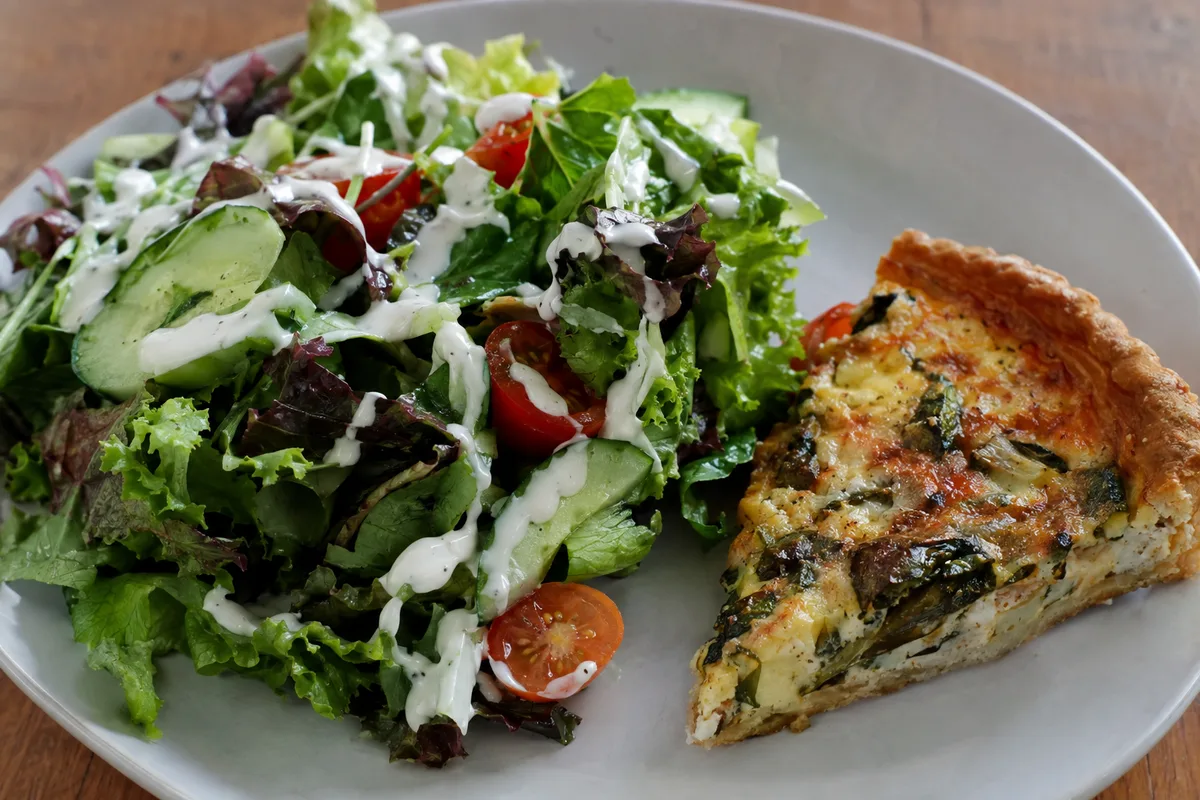
Some foods contain a lot of energy in a relatively small amount, while others provide more volume for less. This does not make one food good and another bad. It simply means that a small change to oil, cheese, pastries, confectionery or creamy sauces may affect total intake more than removing the same-looking amount of vegetables.
Choose changes that preserve enjoyment as well as fullness. A meal that feels disappointing can be difficult to repeat, even if it looks controlled on paper. Keep favourite foods in portions that fit the wider day rather than treating them as forbidden.
- Use less cooking oil while keeping the main ingredients the same.
- Add vegetables to a pasta sauce, curry, omelette or sandwich filling.
- Serve dressings and rich sauces in a deliberate amount instead of pouring freely.
- Pair a smaller portion of a favourite rich food with fruit, vegetables or a protein-rich food.
- Put the intended portion on a plate rather than eating repeatedly from a packet.
Adjust portions from patterns, not one meal
Review several weeks of consistent entries rather than reacting to one large meal or a short-term change on the scale. Body weight can move up and down for reasons unrelated to changes in body fat. Look for the broader direction alongside your hunger, energy and ability to follow the routine.
If there is no movement in the direction you want, check tracking accuracy before cutting every portion. Look for missed drinks, cooking fats, weekend meals, second helpings and entries that do not match the amount eaten. Then make one modest adjustment that you can observe clearly.
If you are frequently hungry, distracted by food or low in energy, the portions or meal balance may be too restrictive for you. Consider adding more vegetables, protein or fibre-rich carbohydrate, or distributing food differently across the day. Portion control should make your intake more intentional, not turn every meal into a test of willpower.
- Review the overall pattern across several weeks.
- Correct obvious tracking gaps before reducing portions.
- Change one regular portion or extra at a time.
- Keep satisfying foods in the plan and reassess how the change feels.
- Seek personalised guidance from a registered dietitian if you are unsure what intake is appropriate.