
Unsweetened Tea: The Benefits and Drawbacks
Unsweetened tea offers flavour without the added sugar found in many hot and cold drinks. Its benefits and drawbacks depend on the type of tea, how it is brewed and how your body responds.
Why unsweetened tea can be useful
Tea can make hydration more varied when plain water feels repetitive. Because no sugar is added, it usually contributes little energy, although the exact amount depends on the leaves, blend and preparation.

For someone who already tracks their intake, unsweetened tea is straightforward to record. Any milk, honey, syrup or other addition should be logged separately, as these extras can change its energy and nutrient content.
Flavour without added sweetness
Black, green, white and herbal teas offer different flavours without needing sugar. Brewing time, water temperature and the amount of tea used can all affect bitterness, so adjusting the method may make an unsweetened cup more enjoyable.
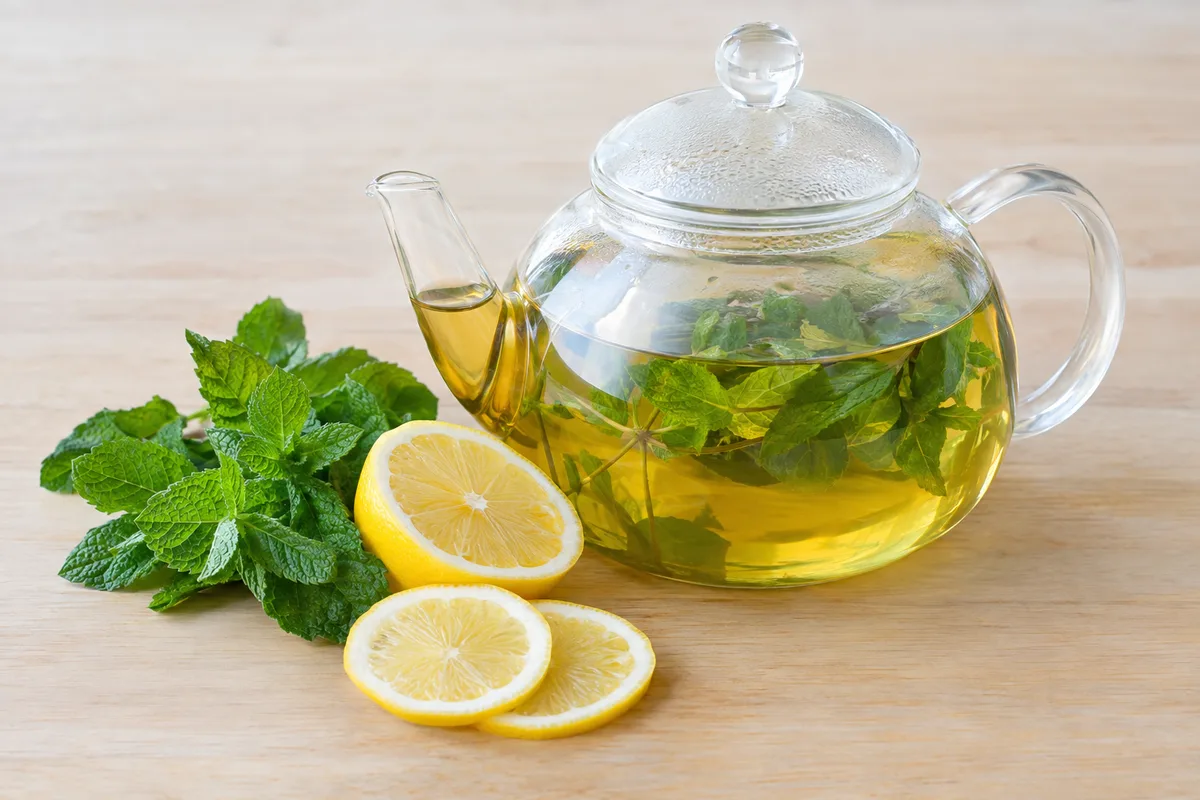
Choosing tea instead of a sweetened drink can reduce added sugar in that particular swap. It does not automatically improve the rest of the day’s diet, but it can support a preference for less sweetness over time.
Possible drawbacks to consider
Many traditional teas contain caffeine, with the amount varying by type, serving size and brewing method. Caffeine may affect sleep, concentration, restlessness or comfort differently from one person to another, so your own response is more useful than a fixed rule.

Tea can also taste bitter or feel uncomfortable on an empty stomach for some drinkers. Strongly coloured varieties may gradually stain teeth, especially when sipped frequently throughout the day.
How it fits into food tracking
Tea itself may be a small part of your food log, but tracking it can reveal patterns around caffeine, hydration and added ingredients. Recording the type and approximate serving can help you connect your choices with sleep, appetite and how you feel.

Tea can reduce the absorption of some iron from plant foods when consumed with a meal. Whether this matters depends on the person and their overall diet, so consider noting when you drink it rather than treating every cup as nutritionally identical.