
Can Replacing Two Meals with Protein Shakes Help You Lose Weight?
Replacing two meals with protein shakes can create a lower-energy eating pattern, but weight loss is not guaranteed. Here is how to assess your tracked intake, the quality of the shakes and whether the routine works in everyday life.
The shake itself does not cause weight loss
Weight change depends mainly on your overall energy intake over time, not on whether meals are solid or liquid. Two shakes may contain less energy than the meals they replace, which could bring your daily total down. However, a large evening meal, frequent snacks or energy-rich additions to the shakes could close that gap. Your food log can show what is actually happening across the whole day.
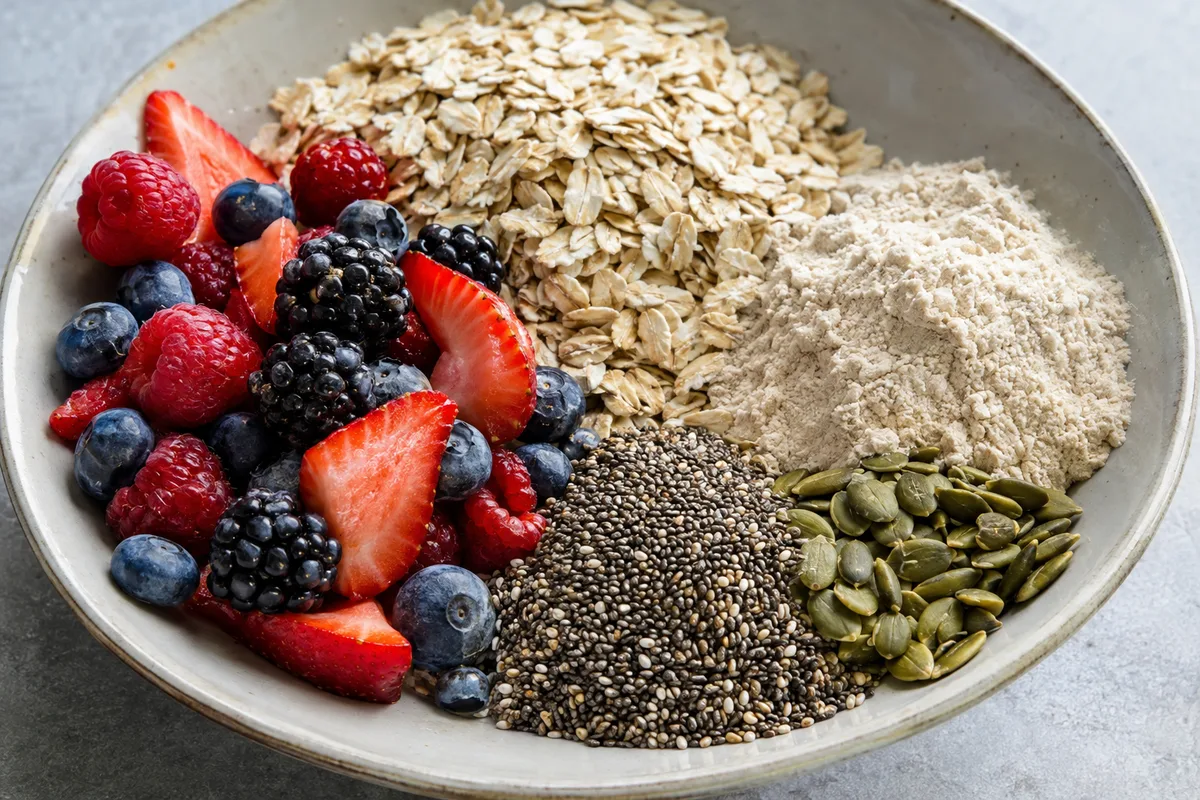
Protein can make meals more satisfying and helps maintain muscle while losing weight. Even so, a drink may feel less filling than food that needs chewing, particularly if it contains little fibre or fat. Some people also find that hunger returns quickly after a liquid meal. The result depends on the shake, the remaining meal and your individual appetite.
- Compare your usual daily intake with days that include two shakes
- Count milk, fruit, nut butter and other additions you normally track
- Notice when hunger returns after each shake
- Look at your weekly pattern rather than one unusually light day
A protein shake is not always a complete meal
A basic protein shake may supply plenty of protein while offering little fibre, fat or variety. A normal meal can include vegetables, fruit, wholegrains and different sources of fat alongside protein. Those foods contribute nutrients and textures that a simple powder-and-water drink may not provide. The word “protein” on its own does not mean the drink replaces everything in a meal.
Check the nutrition information and ingredients rather than relying on the product name. Look at what the shake contributes to your full day, including protein, fibre, fat and any added sugars. Some drinks are designed as meal replacements, while others are simply protein supplements. They are not automatically interchangeable.
- Protein for fullness and muscle maintenance
- Fibre from fruit, oats, seeds or other plant foods
- Some fat where it fits your overall intake
- A varied remaining meal with vegetables or fruit
- Enough total food to make the day manageable
Two liquid meals can change hunger and eating behaviour
Chewing, meal volume and texture can all affect how satisfying food feels. Drinking a shake quickly may leave you wanting the experience of eating even when it supplied a reasonable amount of energy. That can lead to unplanned grazing later in the day. Tracking hunger beside your food record can reveal this pattern.
Replacing breakfast and lunch may also place too much pressure on dinner. You might arrive at the final meal extremely hungry and eat faster or choose a much larger portion than planned. This is not a lack of willpower; it can be a predictable response to an eating pattern that feels too restrictive. A plan is only useful if you can follow it without repeatedly fighting strong hunger.
- Record hunger before the shake and again later
- Note any snacks that were not originally planned
- Check whether dinner portions become larger
- Watch for tiredness, poor concentration or irritability
- Consider whether you miss chewing and normal meal textures
Your remaining meal needs to do more work
If two meals are shakes, the solid meal becomes the main chance to eat a broad range of foods. It should not have to provide every nutrient, but variety matters more when the rest of the day is repetitive. Build it around a clear protein source, plenty of vegetables and a suitable portion of carbohydrate. Add a source of fat if the rest of the day contains very little.
The exact portions depend on your body, activity, appetite and overall target. Use your existing food log to see whether the meal balances the day rather than trying to make it as small as possible. A very light dinner after two small shakes may leave the plan hard to sustain. A very large dinner may mean the shakes have not reduced your overall intake.
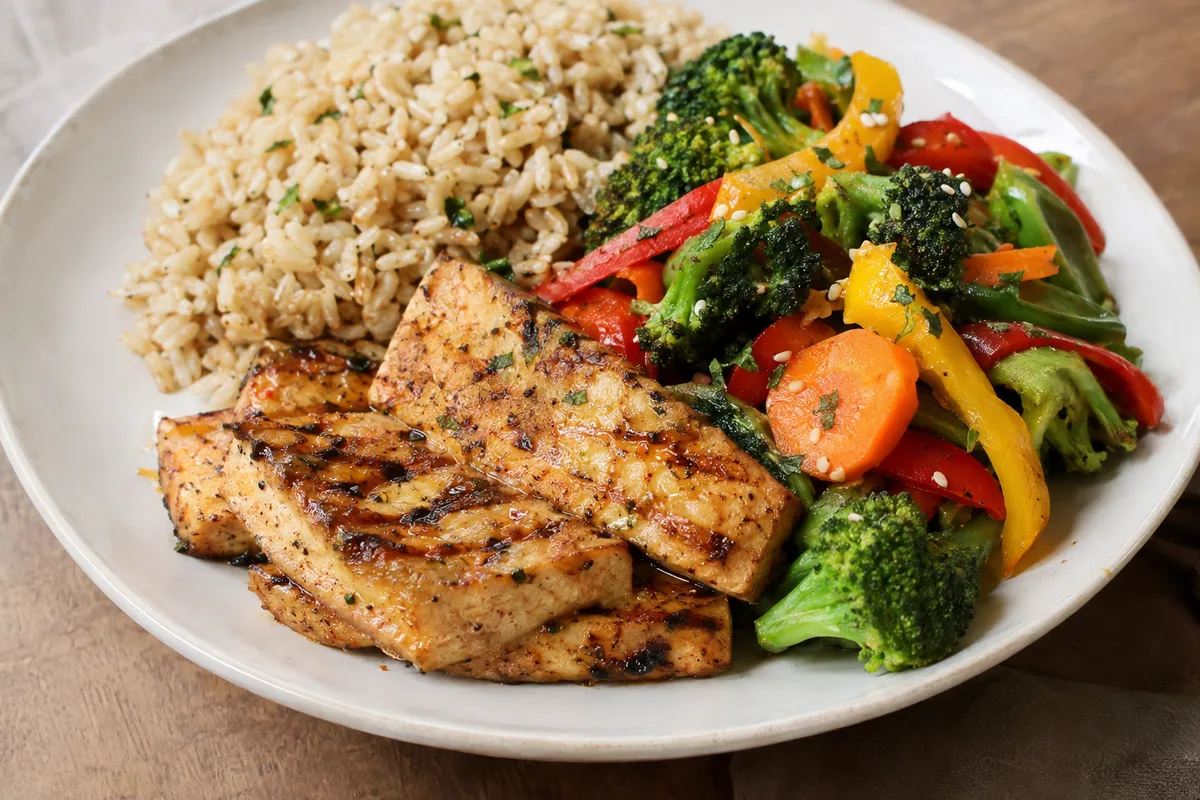
- A protein food such as eggs, fish, poultry, tofu, beans or lentils
- Vegetables in more than one colour
- A carbohydrate such as potatoes, rice, pasta or wholegrains
- A source of fat such as olive oil, avocado, nuts or seeds
A more flexible approach may work better
You do not have to replace two meals every day to use protein shakes. One shake can be useful when time is short, while ordinary meals can provide more fibre, variety and eating satisfaction. You could also use a smaller shake alongside food rather than treating it as the entire meal. The best structure is the one that supports your target without making the rest of the day harder.
Try comparing a few tracked patterns instead of committing to a rigid rule. For example, compare two-shake days with days containing one shake and one simple solid meal. Look at total intake, hunger, meal quality and how easy each pattern is to repeat. This gives you personal evidence rather than assuming that more meal replacements must produce a better result.
- One shake and two balanced meals
- A shake with fruit and a fibre-rich food
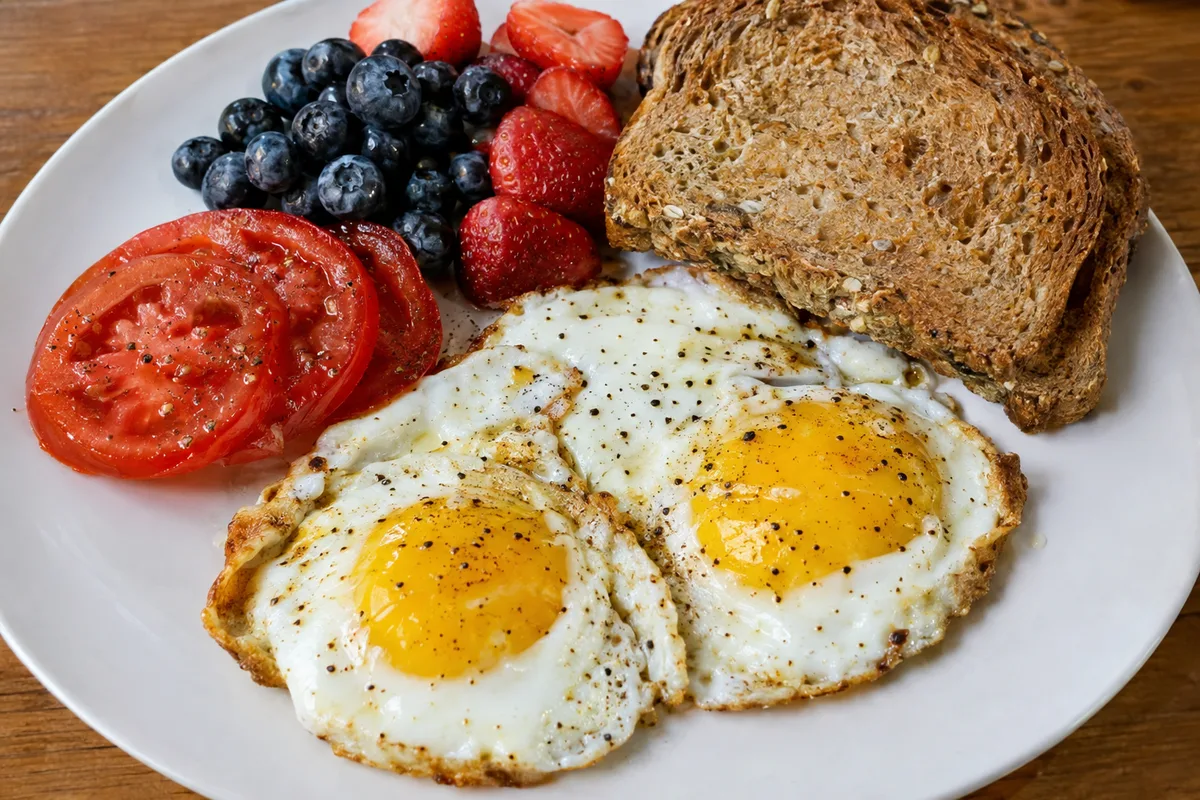
- A simple meal of eggs and wholegrain toast
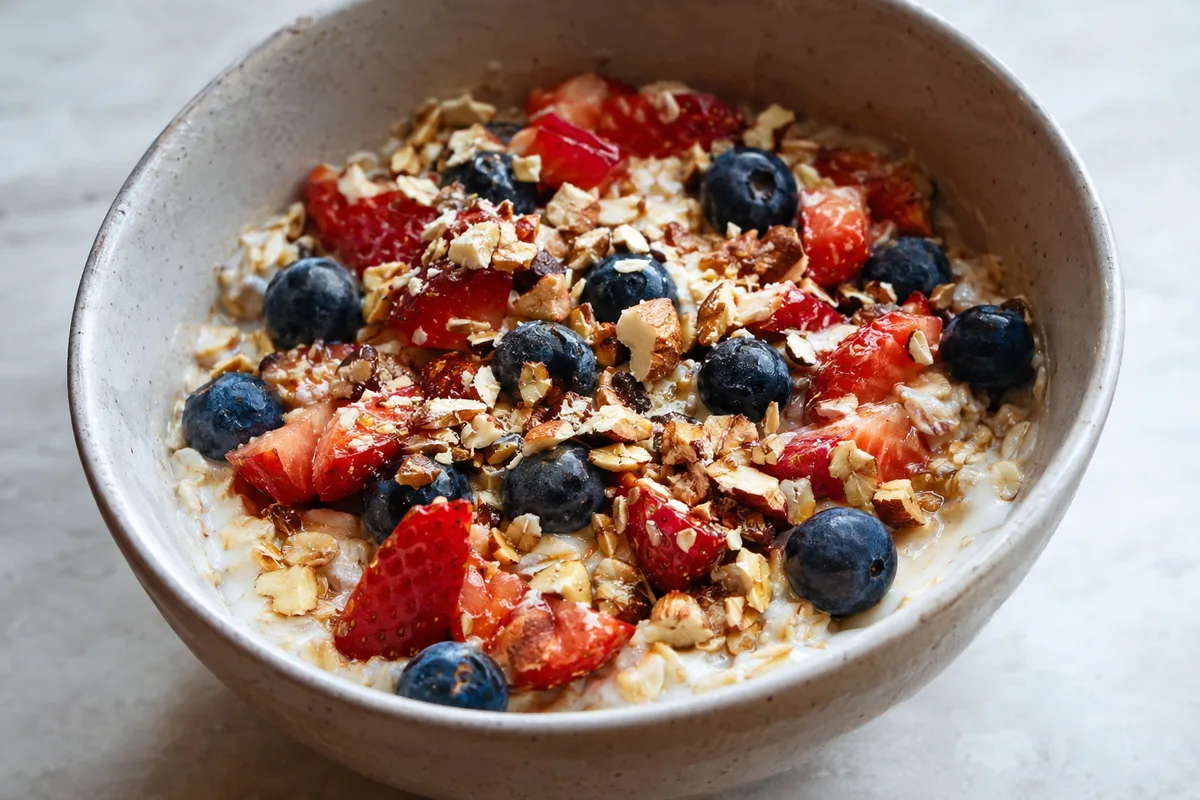
- Yoghurt, fruit and oats instead of a liquid meal
- Leftovers built from protein, vegetables and carbohydrate
How to decide whether to continue
Replacing two meals with protein shakes may help with weight loss if it lowers your overall energy intake and still meets your nutritional needs. It may be a poor fit if it causes persistent hunger, frequent overeating, digestive discomfort or a very narrow food intake. Results and suitable quantities depend on the person. Your tracking record should show both what you consume and how the routine affects you.
Review the pattern over enough ordinary days to include work, rest and social meals. Ask whether you can maintain it without avoiding normal situations or feeling that one different meal has ruined the plan. If your needs are complex or you are unsure whether the routine is nutritionally adequate, speak with a registered dietitian or another appropriately qualified professional. A useful plan should support steady habits, not simply replace as much food as possible.
- Is your overall intake aligned with your goal?
- Are you getting enough variety and fibre?
- Does hunger remain manageable between meals?
- Can the routine fit weekends and social occasions?
- Would one shake provide a better balance than two?