
Why You Might Feel Tired After Eating Chocolate
Feeling sleepy or flat after chocolate can depend on the type, portion and what else you have eaten. Your food log can help you test simple changes without treating chocolate as the only possible cause.
Why chocolate can seem to trigger tiredness
Chocolate combines carbohydrate and fat, while some varieties also contain milk, nuts or other ingredients. The carbohydrate can provide energy quickly, but the way you feel afterwards depends on the portion, the rest of the meal and your usual eating pattern. Tiredness may be more noticeable when chocolate follows a long gap without food.
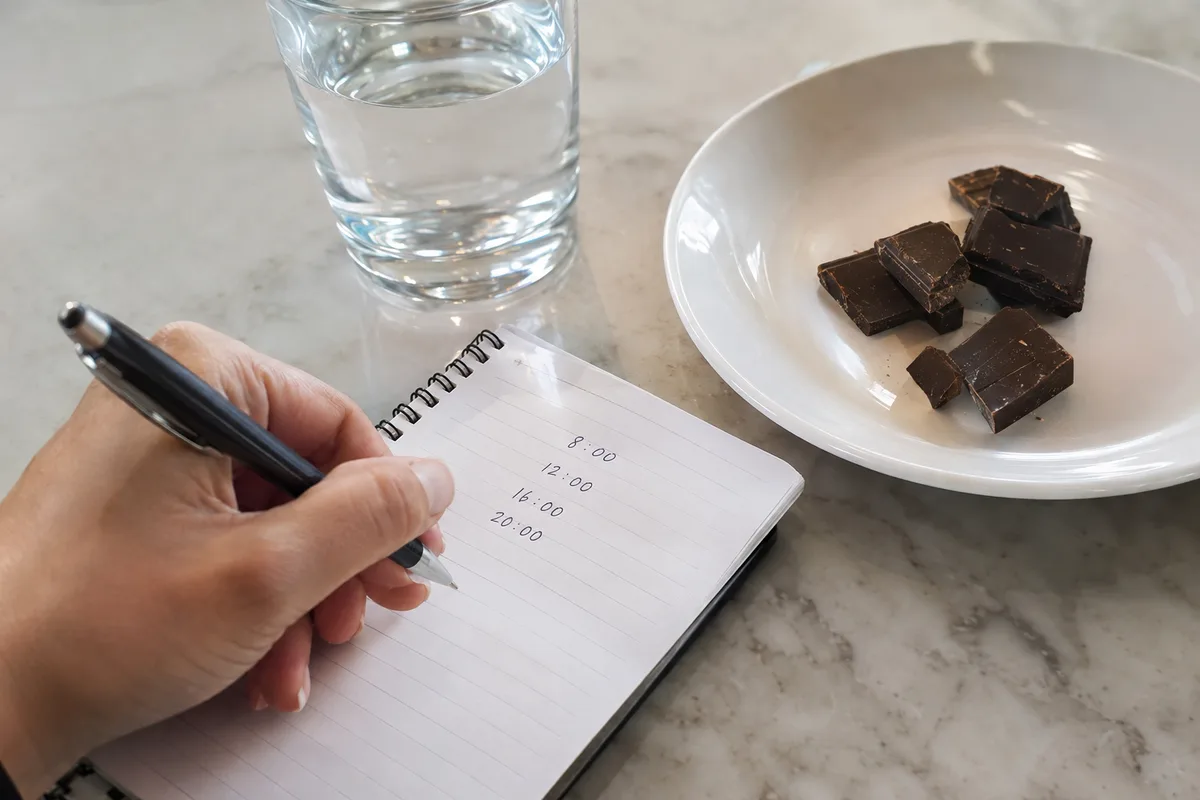
Timing can also create a misleading link. An afternoon dip may happen around the same time as your usual chocolate snack, even when the chocolate is not the main reason for it. Poor sleep, stress, dehydration and a demanding day can all affect how alert you feel.
- Note when the tiredness begins and how long it seems to last
- Record the type and approximate portion of chocolate
- Check how long it had been since your previous meal
- Add brief notes about sleep, drinks, stress and activity
The type and portion can make a difference
Different chocolates contain different balances of sugar, fat, cocoa and added ingredients. A sweet chocolate bar may feel different from a small piece of darker chocolate or chocolate eaten with nuts. The response is personal, so your own repeated observations matter more than assumptions about one variety.
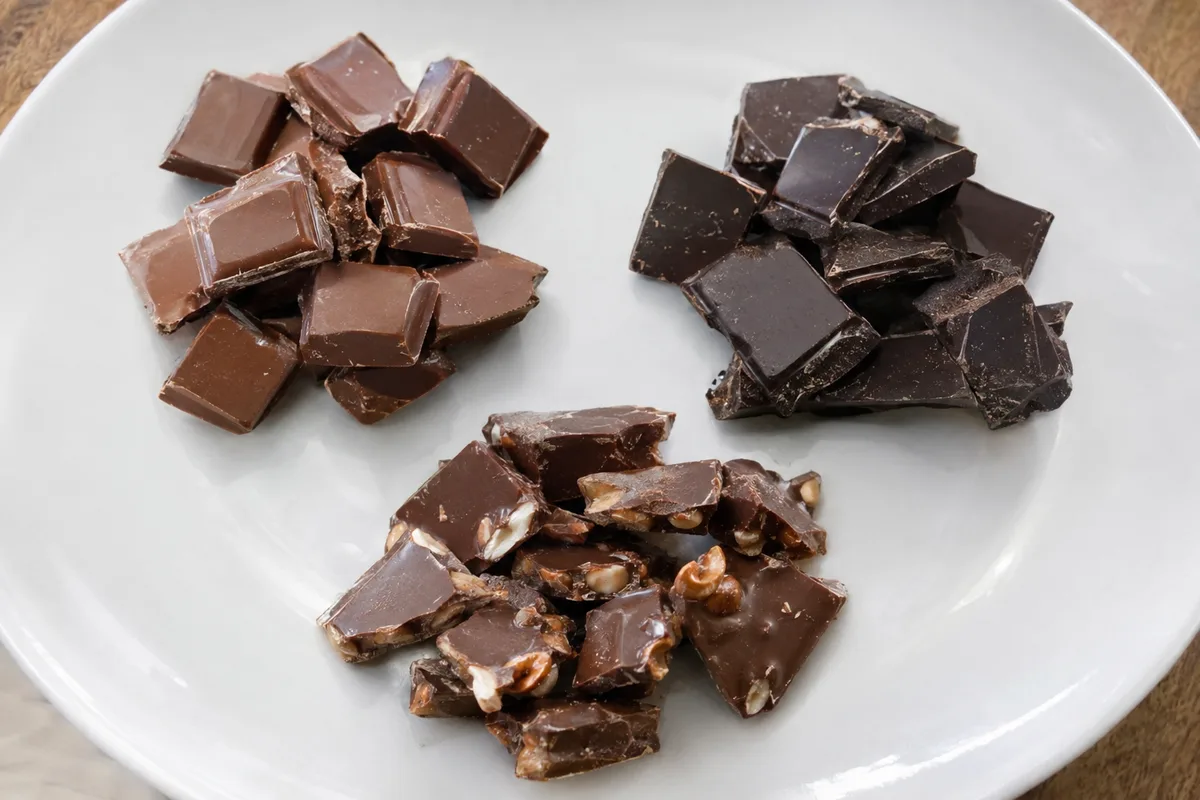
A larger portion also brings more carbohydrate and fat, which can make a snack or dessert feel heavy. Eating quickly may make it harder to notice when you have had enough. Logging the portion before eating can give you a clearer record than trying to remember it later.
- Compare similar portions on different days
- Keep the time of day similar when testing varieties
- Avoid changing several parts of the snack at once
- Record fullness, alertness and hunger in simple words
Chocolate on its own versus with a meal
Chocolate eaten by itself after a long food gap may not feel the same as chocolate eaten after a balanced meal. Meals containing protein, fibre and fat usually take longer to digest than a sweet snack alone. That can make energy and fullness feel steadier, although individual responses vary.
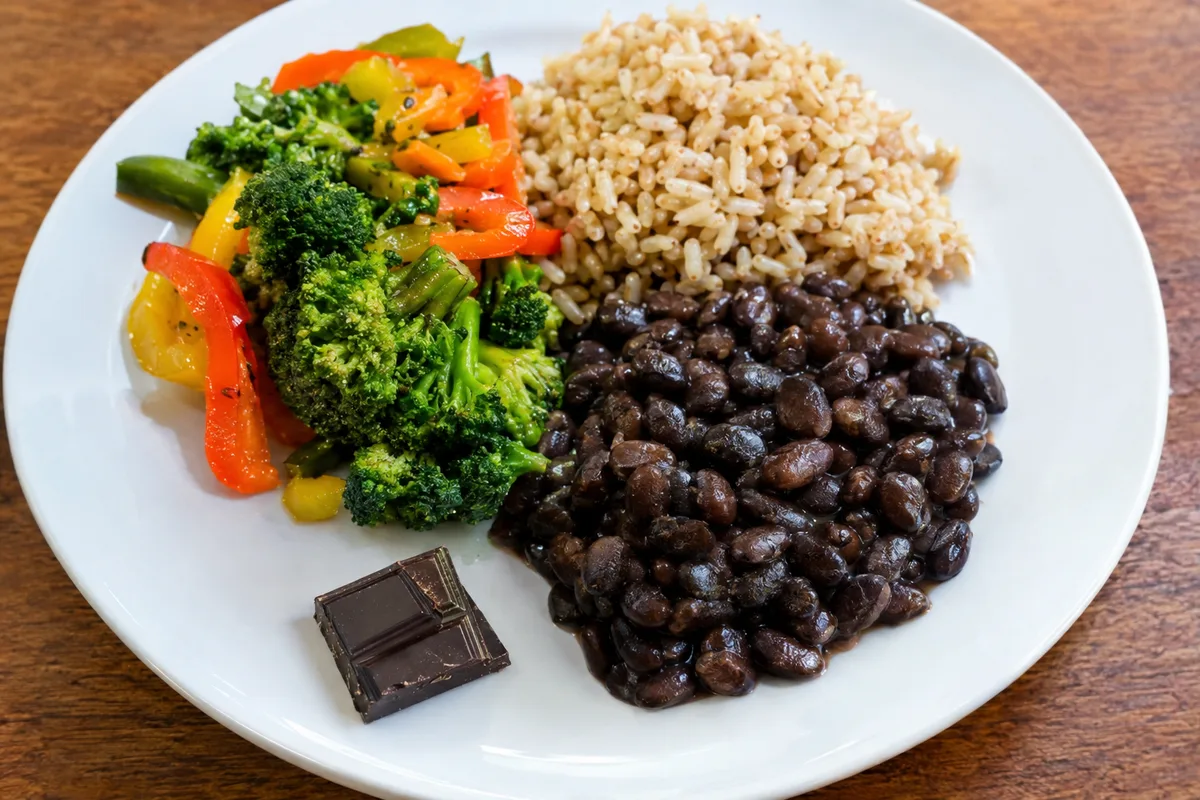
You do not have to remove chocolate to explore this pattern. Try placing a modest portion alongside or just after a meal that already includes vegetables, a protein food and a fibre-rich carbohydrate. Keep tracking how you feel so you can compare occasions rather than judging one experience.
- Pair chocolate with plain yoghurt and fruit
- Have it after a meal containing beans, vegetables and rice
- Choose a small portion alongside fruit and nuts
- Compare eating it alone with eating it after lunch
Look beyond sugar alone
Chocolate naturally contains compounds that can affect alertness, and the amount varies with cocoa content. Some people notice little effect, while others find that chocolate later in the day does not fit well with their sleep routine. A poor night can then make tiredness more obvious the next day.

Chocolate desserts may also include rich fillings, biscuits, cream or large amounts of added fat. The overall food can therefore matter more than the chocolate itself. Your tracker is most useful when it records the full item rather than simply labelling everything as chocolate.
- Write down fillings, coatings and added biscuits
- Note whether the chocolate was part of a larger dessert
- Track tea, coffee and other stimulating drinks nearby
- Compare earlier and later eating times
Use your food log as a simple experiment
Start by observing rather than making a strict rule. Look for a pattern across several similar occasions, including days when chocolate does not seem to cause tiredness. One entry can show what happened, but it cannot tell you why.
Next, change one detail at a time, such as the portion, timing or food pairing. Keep the rest of your routine as similar as is practical. This makes it easier to see which change may have helped and avoids blaming chocolate for every low-energy period.
Use neutral notes such as alert, slightly sleepy or very tired. You can also record hunger, fullness and mood without assigning them a score. The useful level of detail depends on what you can maintain consistently.
- Observe your current pattern first
- Choose one detail to change
- Repeat the comparison on ordinary days
- Review your notes for recurring links
- Keep changes that feel practical
When the pattern deserves more attention
Occasional sleepiness after a rich snack or meal is different from tiredness that is strong, frequent or difficult to explain. Pay attention if it disrupts normal activities, appears after many different foods or comes with other unusual symptoms. In that situation, speak with a qualified health professional rather than relying only on food tracking.
Bring a short, clear record of meals, drinks, sleep and the timing of the tiredness. Avoid cutting out broad groups of foods without suitable guidance, as this can make eating less balanced and the pattern harder to interpret. A tracker should support a conversation, not provide a diagnosis.