
Foods That Can Help You Gain Weight
Gaining weight usually means eating more energy than your body uses, but larger portions are not the only option. This guide explains how to build satisfying meals and snacks while using your food log to adjust your approach.
Start with your usual food log
Because you already track what you eat, begin by looking for meals, snacks or days that regularly contain less food. Your log can also show which foods are easy for you to eat and which leave you too full for the next meal. This gives you a practical starting point without changing everything at once.
Body weight can vary naturally, so focus on the overall direction rather than a single reading. If your average weight is not rising, your current food intake may be close to the amount of energy you use. Add food in a manageable way, keep tracking and review the pattern again later.
- Look for long gaps between meals or snacks
- Notice meals that lack a clear source of carbohydrate, protein or fat
- Mark foods that provide plenty of energy without an uncomfortable volume
- Record drinks, sauces, spreads and cooking fats as well as main foods
Choose foods that provide more energy in a smaller volume
Energy-dense foods provide more energy in each mouthful, which can help when larger portions feel difficult. Foods containing fat are especially useful because fat provides about 9 kcal per gram, compared with about 4 kcal per gram from protein or carbohydrate. This does not mean every meal needs to feel heavy or oily.
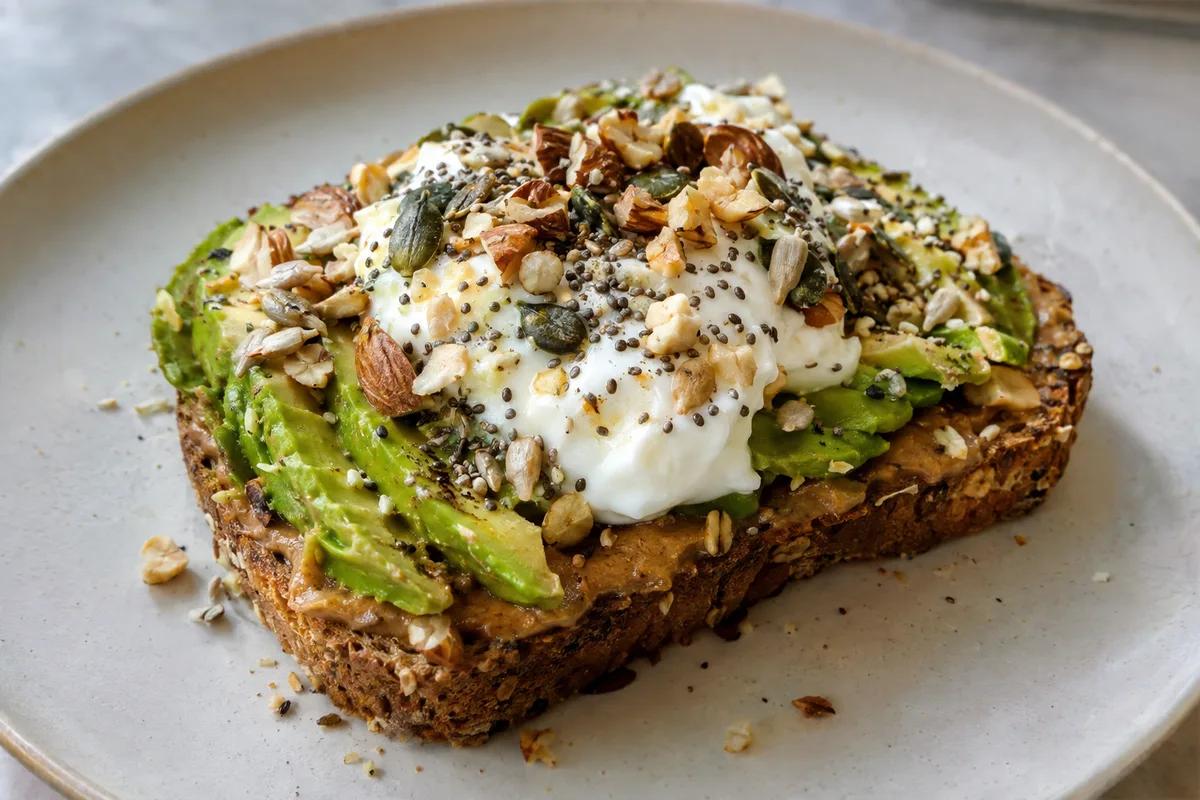
Nuts, seeds, avocado, cheese, full-fat yoghurt and oily fish can fit alongside familiar staples. Oils, nut butter and seed pastes can also be stirred, spread or drizzled rather than eaten as a separate portion. The amount that suits you depends on your appetite, routine and progress.
- Spread nut butter on toast, oatcakes or fruit
- Add avocado or cheese to sandwiches and wraps
- Stir seeds or chopped nuts into porridge and yoghurt
- Drizzle olive oil over potatoes, rice, pasta or vegetables
- Choose full-fat yoghurt when it suits your preferences
Build meals from carbohydrate, protein and fat
A useful weight-gain meal contains a source of carbohydrate, a source of protein and some added fat. Carbohydrate foods such as rice, pasta, bread, oats and potatoes provide energy and make a practical base. Protein foods support the maintenance and growth of body tissues, while fat raises the meal's energy content efficiently.
You do not need unusual recipes to use this structure. A bowl of pasta can include beans or meat, vegetables, cheese and olive oil, while porridge can include milk, yoghurt, fruit and nut butter. Combining food groups often creates a more substantial meal than simply making one ingredient much larger.
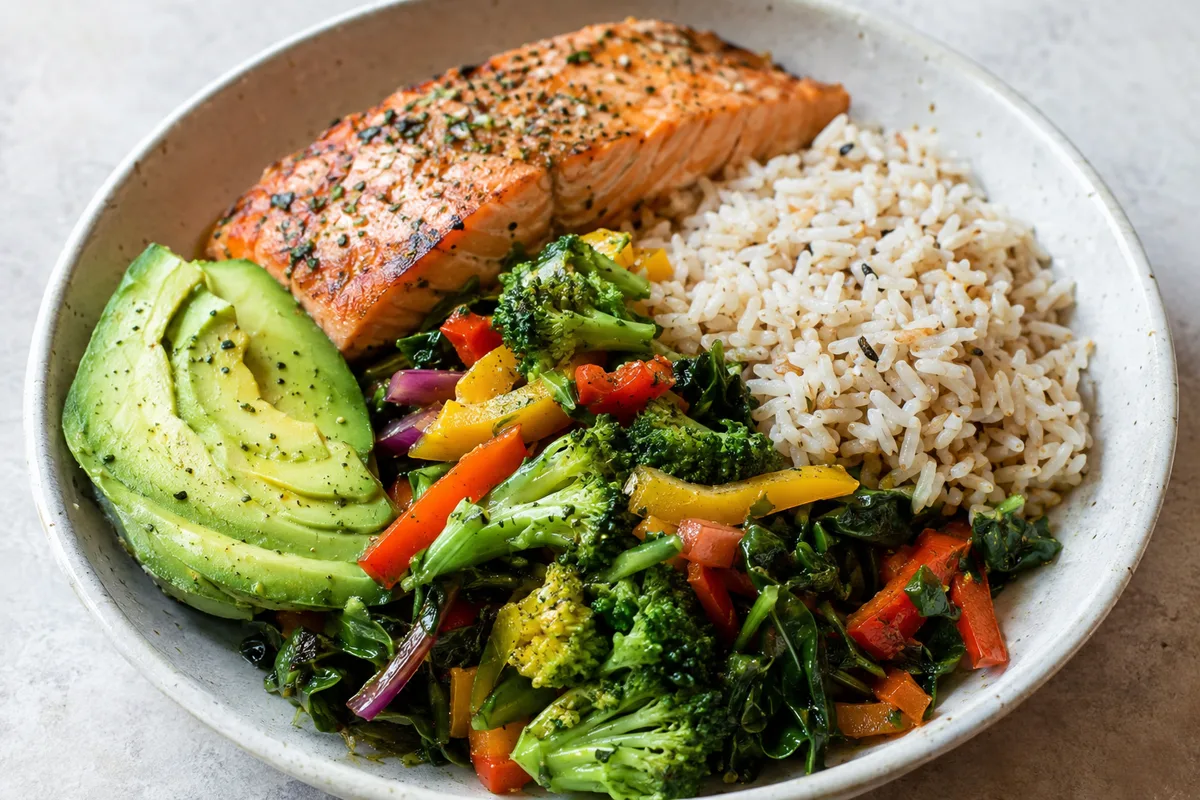
- Rice with salmon, vegetables and an oil-based dressing
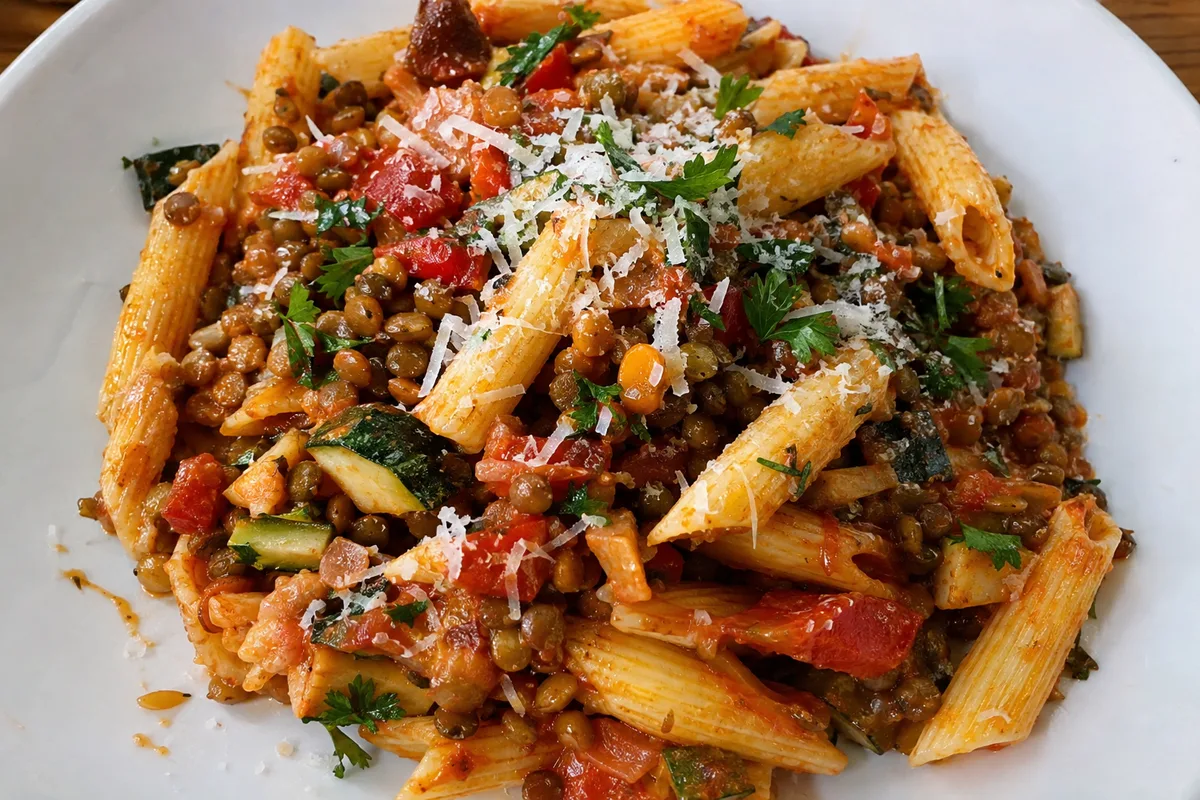
- Pasta with lentils, tomato sauce and grated cheese
- Baked potato with beans, cheese and avocado
- Porridge made with milk, topped with banana, yoghurt and nut butter
- Toast with eggs, avocado and cooked tomatoes
Use snacks to add food between meals
Snacks can increase your total intake without making main meals uncomfortably large. Choose snacks that combine more than one food group, rather than relying only on low-energy fruit or raw vegetables. A planned snack may also be easier to remember than waiting until you feel very hungry.
Place snacks at points in the day when they do not spoil your appetite for meals. Your food log can help you see whether a snack replaces part of the next meal or genuinely adds to the day. If it regularly replaces a meal, try a smaller snack or move it to another time.
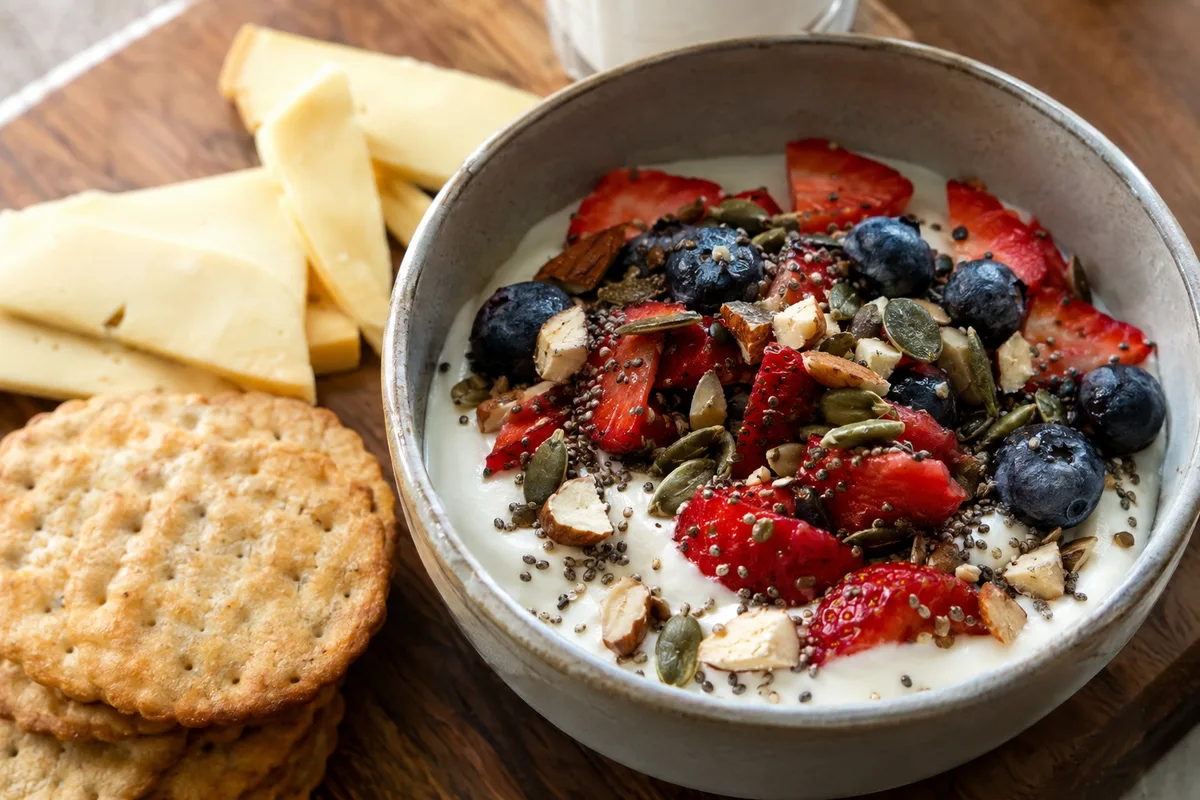
- Yoghurt with fruit, nuts and seeds
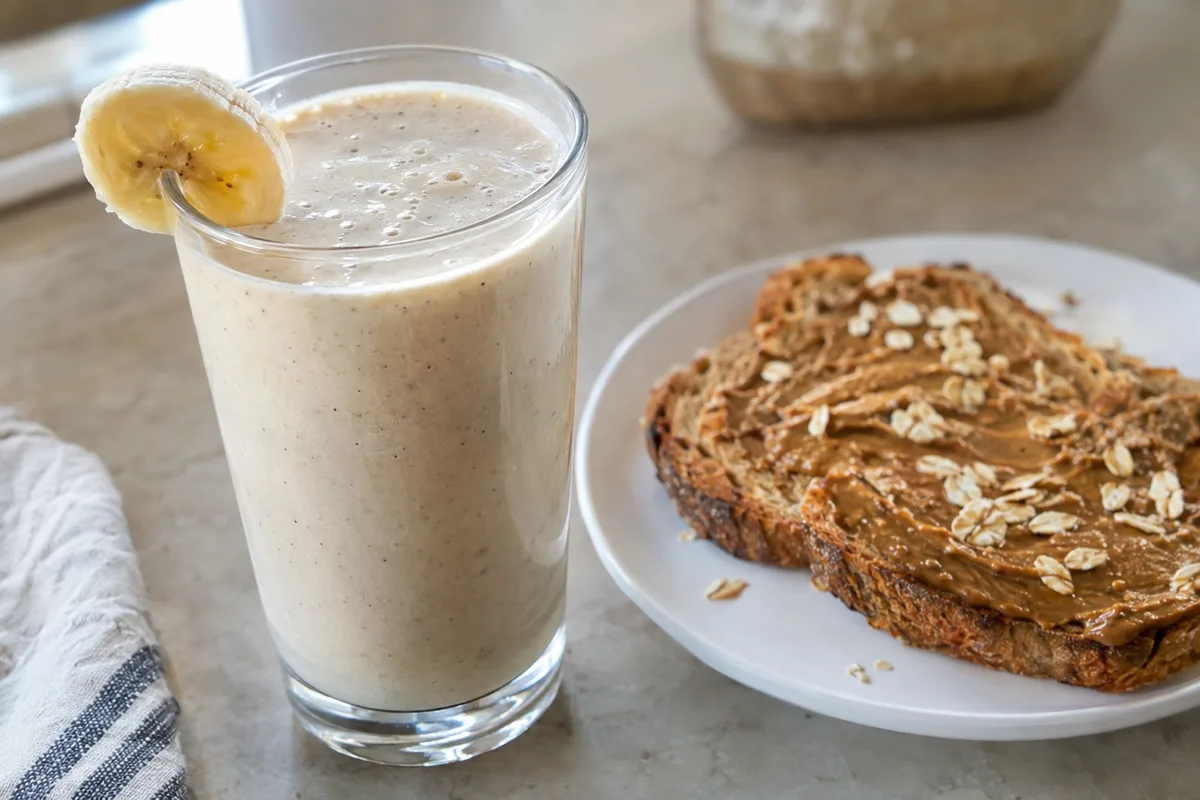
- Toast with nut butter and sliced banana
- Cheese with crackers and grapes
- Hummus with pitta bread and olives
- A sandwich filled with egg, tuna, cheese or beans
Make drinks count when appetite is limited
Drinks can be useful when chewing another meal feels unappealing, although they should not crowd out food that you enjoy. Milk-based drinks and smoothies can contain carbohydrate, protein and fat in an easy-to-consume form. Water, tea and coffee still contribute fluid, but they add little or no food energy by themselves.
A homemade smoothie can include milk or yoghurt, fruit, oats and nut butter. Blend only as much as feels comfortable, as the right serving size depends on the person. Drinking large amounts immediately before eating may reduce appetite, so consider having nourishing drinks between meals instead.
- Milk blended with banana, oats and nut butter
- Yoghurt blended with berries and ground seeds
- Milk with cocoa and a spoonful of nut butter
- A fruit smoothie served alongside toast or a sandwich
Increase intake without losing balance
Foods such as cakes, sweets and fried snacks can add energy, but they need not become the main strategy. Regular meals built from varied foods also provide protein, fibre, vitamins and minerals. Enjoyable foods can still fit alongside meals based on grains, dairy or alternatives, protein foods, fruit and vegetables.
Review your log after you have followed your changes consistently. If your average weight is still unchanged, add another food, enrich an existing meal or make a regular snack more substantial. If eating more causes persistent discomfort or you are unsure what approach suits your circumstances, seek individual guidance from a qualified nutrition professional.
- Add olive oil, cheese or avocado to an existing meal
- Use milk or yoghurt instead of water where the recipe allows
- Choose a more substantial filling for bread, wraps or potatoes
- Keep favourite foods in the plan so eating remains enjoyable