
How High-Calorie Foods Can Support Weight Gain
High-calorie foods provide plenty of energy in a relatively small amount of food. They can support weight gain when they help you eat more energy than your body uses over time.
What makes a food high in calories
Calories describe the energy supplied by food. Fat provides about 9 kcal per gram, while protein and carbohydrate each provide about 4 kcal per gram, so foods higher in fat are often more energy-dense.

Energy density is not the same as nutritional quality. A food can be high in calories while also providing protein, fibre and useful nutrients, so look beyond the calorie figure when reviewing your log.
How weight gain happens
Body weight tends to rise when your average energy intake stays above your energy use. A high-calorie food can make that easier, but one serving or one day does not determine the overall trend.

The amount needed for weight gain depends on the person, including their body size, activity and usual intake. Use your food record alongside changes in your weight over several weeks rather than reacting to normal daily movement.
Making meals more energy-dense
You can raise a meal's energy content by adding calorie-dense ingredients or choosing fuller-fat versions of foods you already enjoy. Nuts, seeds, oils, dairy foods, eggs, grains and pulses can add energy while contributing other nutrients.
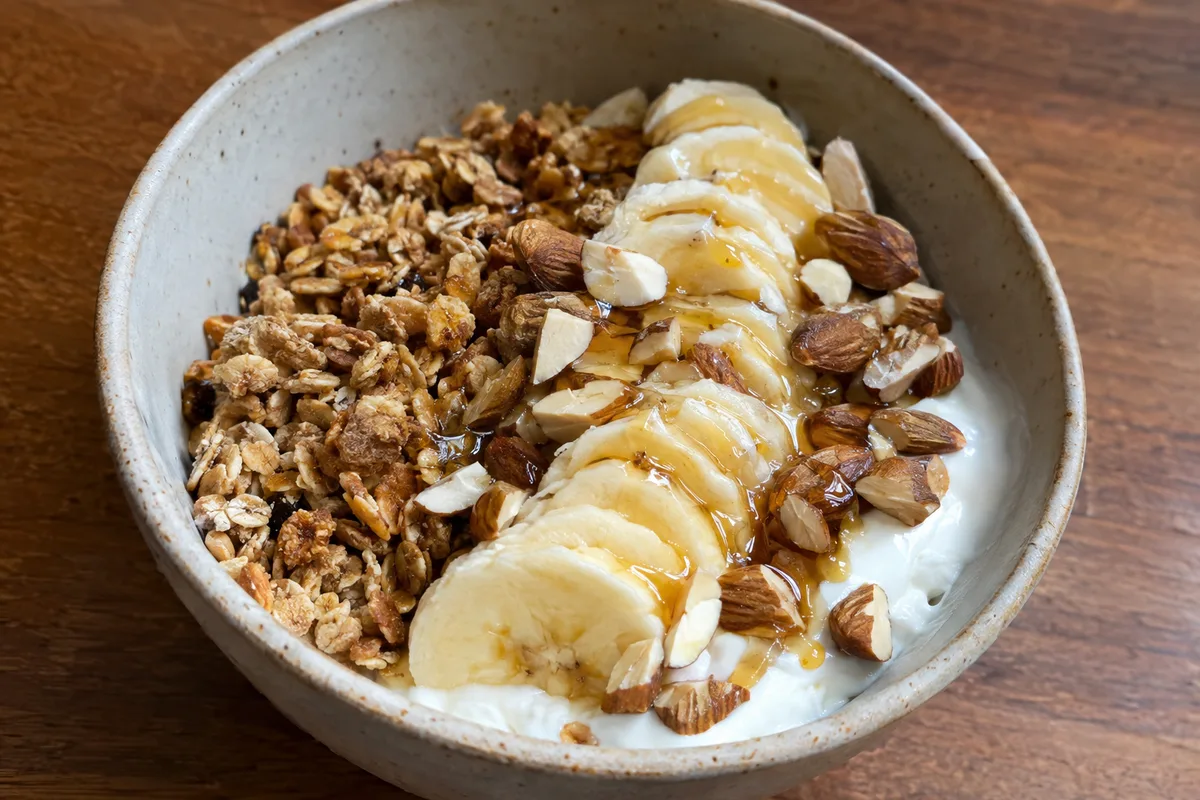
If large portions feel difficult, spread food across regular meals and snacks instead. Small additions made consistently may be easier to manage and simpler to track than forcing a much larger meal.
Using your food log well
Record oils, spreads, toppings and drinks as carefully as main ingredients, because small amounts can make a noticeable difference to the total. Weighing or measuring foods for a short period can also help you check whether your usual entries match your actual portions.

Compare your average intake with your longer-term weight trend, then adjust gradually if needed. Keep protein, fibre and a varied range of foods in view rather than using the calorie total as the only measure of a useful eating pattern.