
8 practical ways for women to gain weight steadily
Healthy weight gain means eating enough to support your body while keeping meals balanced and enjoyable. These eight methods explain how to increase energy intake, plan food and include strength-building movement without relying on rigid rules.
1. Aim for a small, manageable increase
Weight gain happens when you regularly take in more energy than your body uses. Rather than making every meal much larger, start by adding a little more food to your usual routine. The right amount depends on your body, activity and current eating pattern.
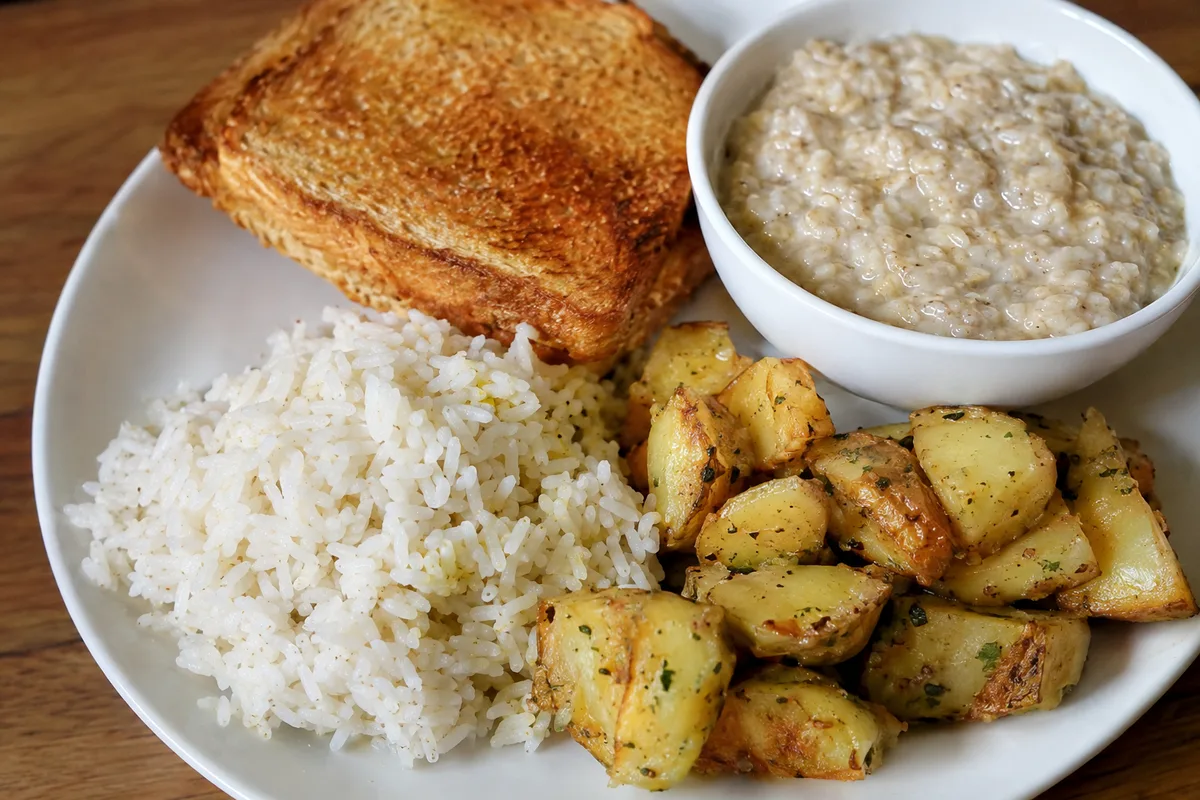
Because you already track your food, look at what you usually eat before changing anything. Add one consistent meal, snack or serving, then watch the trend over time rather than reacting to a single day. Hunger, routines and body weight can naturally vary across the menstrual cycle, so short-term changes do not always show whether your plan is working.
- Add toast or oats alongside your usual breakfast
- Include a planned afternoon or evening snack
- Serve an extra spoonful of rice, pasta or potatoes
- Add a side dish rather than making the main meal uncomfortably large
2. Eat regularly instead of waiting for strong hunger
A regular meal rhythm can make it easier to eat enough, especially if your appetite is modest. Try not to leave such long gaps that you become tired or lose interest in preparing food. Meals and snacks do not need to happen at exact times, but a loose routine can help.
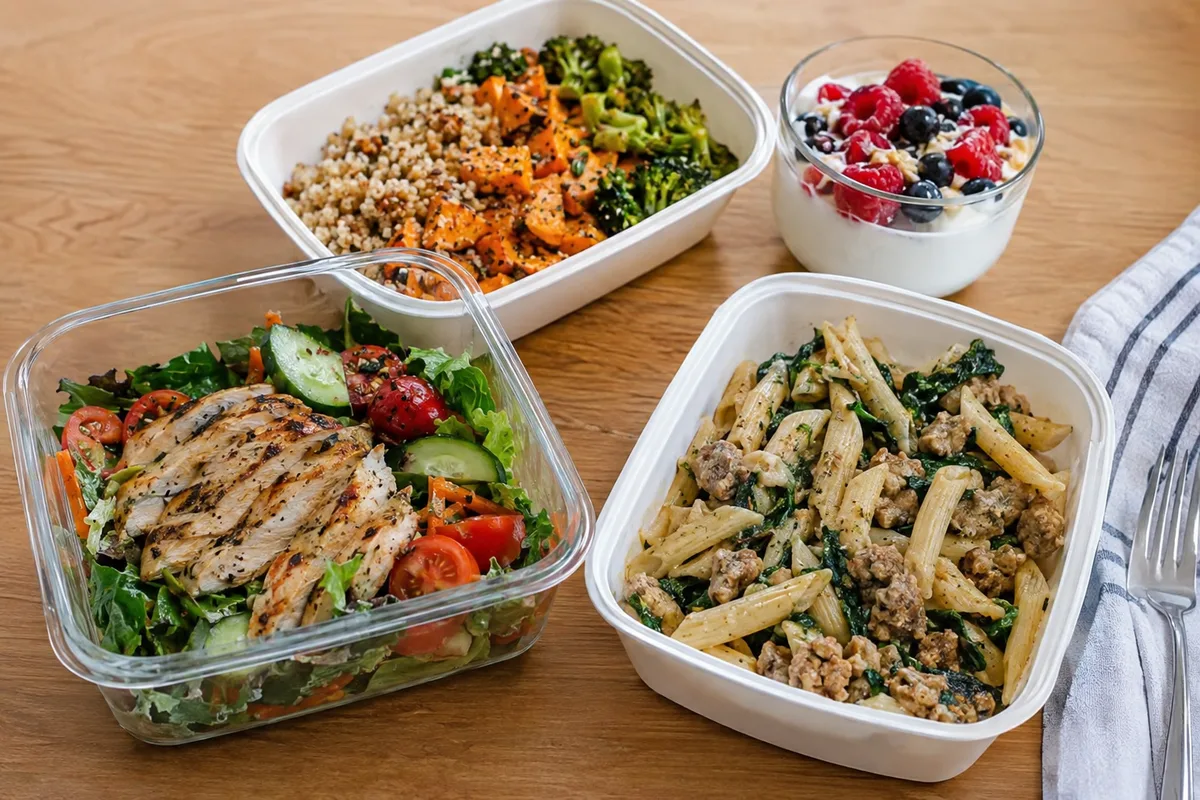
You might use breakfast, lunch and dinner as anchors, with snacks fitted around work, study, caring responsibilities or exercise. If mornings are difficult, begin with something simple and eat more later. The best pattern is one you can repeat without feeling constantly overfull.
- Keep easy snacks ready for busy parts of the day
- Plan the next meal before your usual hunger fades
- Split a large meal into two smaller eating occasions
- Use familiar foods when time or appetite is limited
3. Make meals more energy-dense
Energy-dense foods provide more energy in a smaller volume, which can help when large portions feel uncomfortable. You can add them to meals you already enjoy instead of changing your whole diet. Fats are especially energy-dense because they provide about 9 kcal per gram, while protein and carbohydrate provide about 4 kcal per gram.
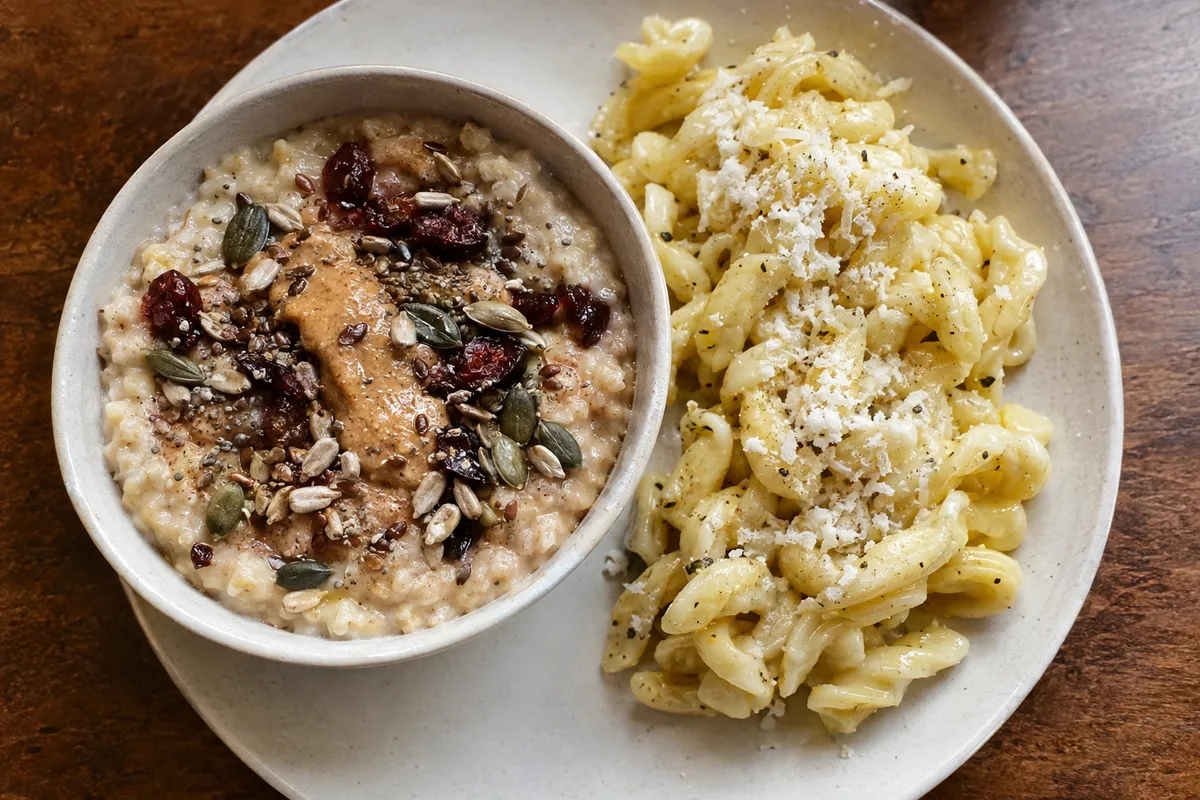
The aim is not to cover every dish in added fat or replace fruit and vegetables. Build meals from a mixture of carbohydrate, protein, fats and colourful produce, then add energy where it fits. Small additions can be easier to manage than a much bigger plate.
- Stir nut butter into porridge or yoghurt
- Add olive oil, pesto or avocado to savoury meals
- Top soups, pasta or baked potatoes with cheese
- Choose dried fruit and nuts alongside fresh fruit
- Add seeds to cereal, salads or yoghurt
4. Include protein and carbohydrate across the day
Protein supplies building blocks used throughout the body and supports muscle growth alongside strength training. Useful sources include eggs, dairy foods, fish, meat, tofu, beans, lentils, nuts and seeds. Spreading these foods across meals may feel easier than trying to fit most of them into dinner.
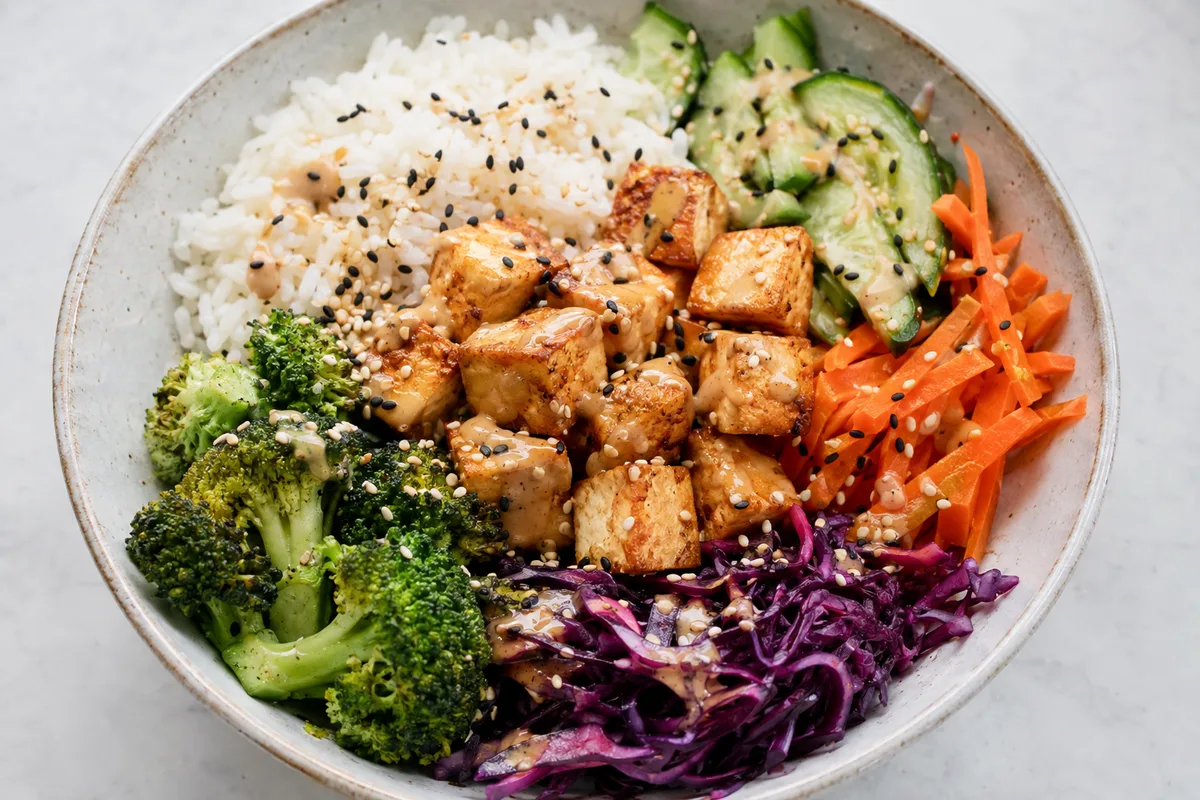
Carbohydrate foods provide energy for daily life and training. Bread, rice, pasta, oats, potatoes and other grains can form the base of satisfying meals, while fats and protein add flavour and staying power. Tracking can help you notice whether a food group is regularly missing, but each meal does not need to look perfect.
- Porridge with milk, yoghurt, fruit and nut butter
- Eggs on toast with avocado and tomatoes
- Rice with tofu, vegetables and a sesame dressing
- Pasta with fish, olive oil and roasted vegetables
- A baked potato with beans, cheese and salad
5. Use drinks and snacks strategically
Drinks can add useful energy when solid food feels less appealing. A smoothie made with milk or a fortified alternative, fruit, yoghurt, oats or nut butter can sit alongside a meal or snack. It should support regular eating rather than replace every meal.
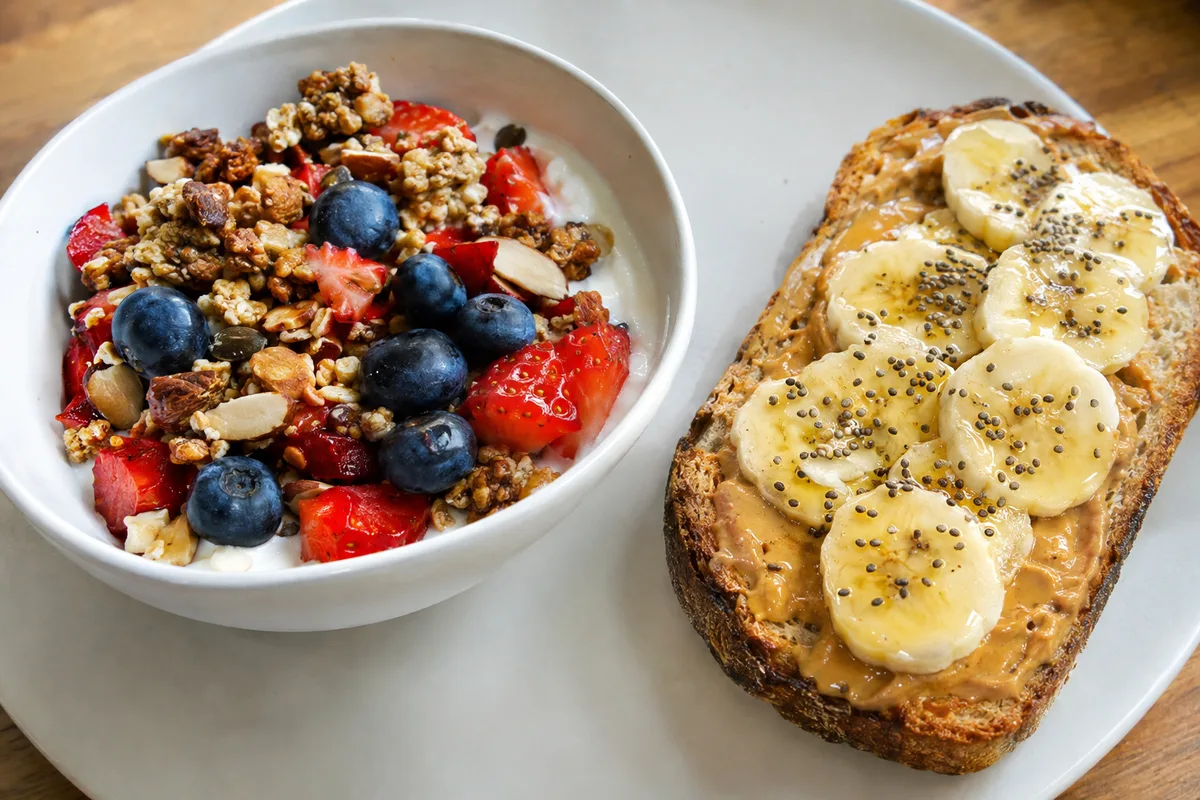
Large drinks immediately before eating can make some women feel full, so adjust the timing if that happens to you. Snacks are most helpful when they contain more than one food group and are substantial enough to make a difference. Choose combinations you genuinely like, as they are easier to repeat.
- Yoghurt with granola and fruit
- Toast with peanut butter and sliced banana
- Cheese with crackers and grapes
- Hummus with pitta bread and vegetables
- A milk-based fruit and oat smoothie
6. Build strength, review your log and adjust
Strength training gives your body a reason to build and maintain muscle as you gain weight. Choose movements that cover the main muscle groups, such as squats, presses, rows, hinges and supported bodyweight exercises. Begin at a manageable level, practise controlled technique and allow time for rest.
Use your food log to check consistency rather than judging individual meals. If there is no gradual upward trend after a reasonable period, add another snack or increase a few regular servings; if eating feels uncomfortable, spread the same food across more occasions. Persistent loss of appetite, unexpected weight change or difficulty eating enough is a reason to speak with an appropriately qualified healthcare professional.
- 2. Progress gradually with strength training
- 3. Allow recovery between demanding sessions
- 4. Review longer-term patterns in your food log
- 5. Adjust portions or snack frequency one step at a time