
Garlic tea: possible benefits, side effects and what to track
Garlic tea is usually made by steeping crushed or sliced garlic in hot water, sometimes with lemon, ginger or honey. This guide explains what the drink may offer, where the evidence is limited and what to consider when logging it.
What garlic tea actually is
Garlic tea is not tea in the usual sense because it does not contain tea leaves. It is an infusion made by adding garlic to hot water and allowing its flavour and plant compounds to move into the drink. Recipes vary, so one cup may be mild while another is strongly flavoured.
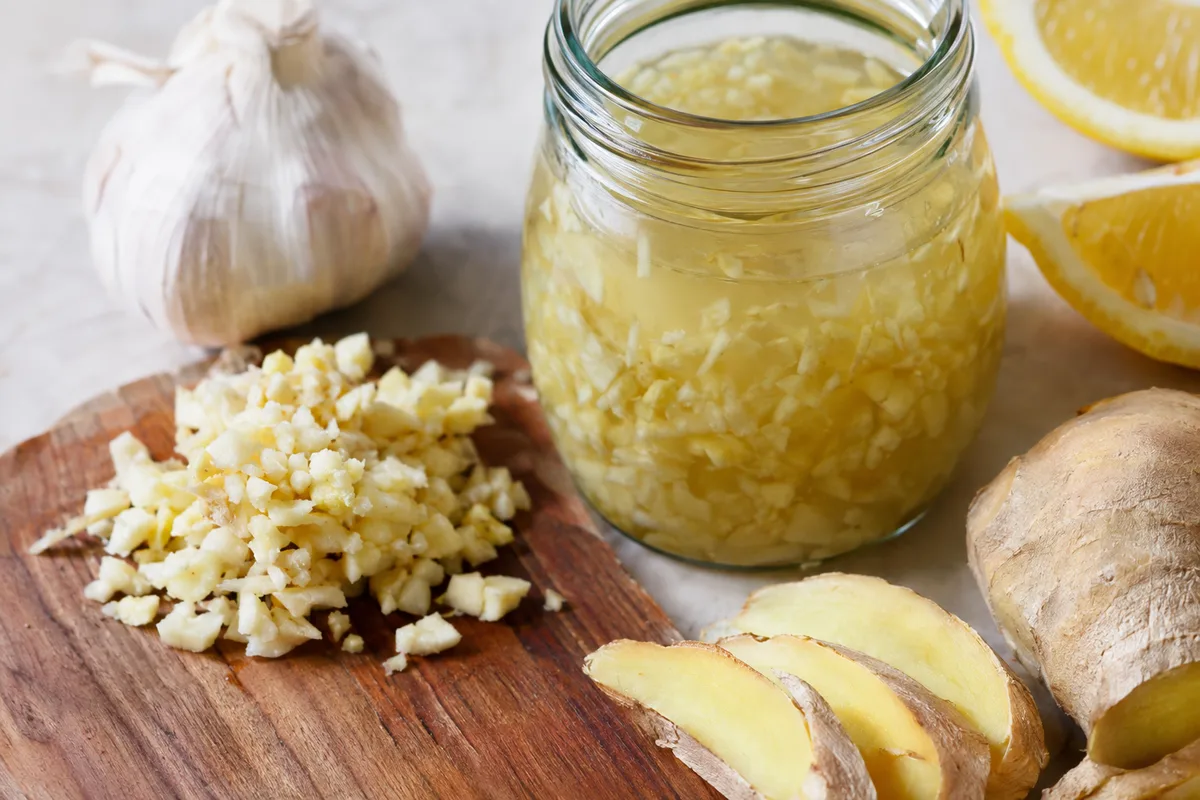
Lemon, ginger and honey are common additions, but they change both the taste and what you need to record. Plain garlic and water contribute little energy to a typical food log, although the exact amount depends on how much garlic is used and whether it is eaten afterwards. Honey, sugar and other sweeteners can make a more noticeable difference.
- Crush or slice the garlic before steeping
- Use hot water and allow time for the flavour to develop
- Strain it for a smoother drink or leave the garlic pieces in
- Log any honey, sugar, fruit juice or other additions
The most realistic benefits
The clearest benefit is simple: garlic tea adds fluid to your day. A warm, savoury drink may also offer variety if you find plain water unappealing. Whether that helps you drink more depends on your taste and routine.
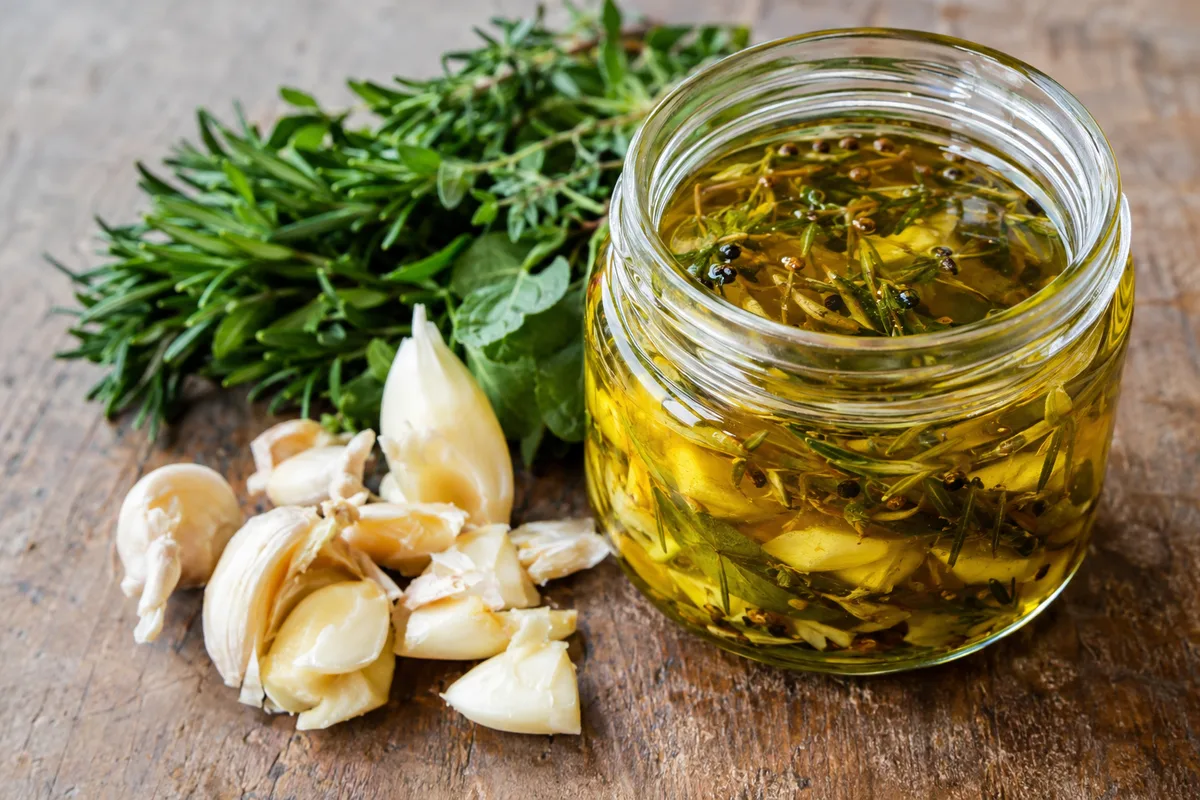
Garlic contains plant compounds, including sulphur-containing compounds that form when the cloves are cut or crushed. However, the amount that reaches the finished drink depends on preparation, heat and whether you consume the garlic pieces. Evidence about eating garlic cannot automatically be applied to a strained cup of garlic water.
- It contributes to fluid intake
- It can replace a sweetened drink if taken without added sugar or honey
- Its strong flavour may make a simple drink feel more satisfying
- Eating the softened garlic provides more of the whole food than drinking only the strained liquid
Why stronger health claims need caution
Garlic is often linked with broad claims about immunity, cleansing and rapid changes in body weight. These claims can make a basic kitchen drink sound more powerful than the evidence supports. Garlic tea should be viewed as a flavoured drink rather than a guaranteed way to change health.
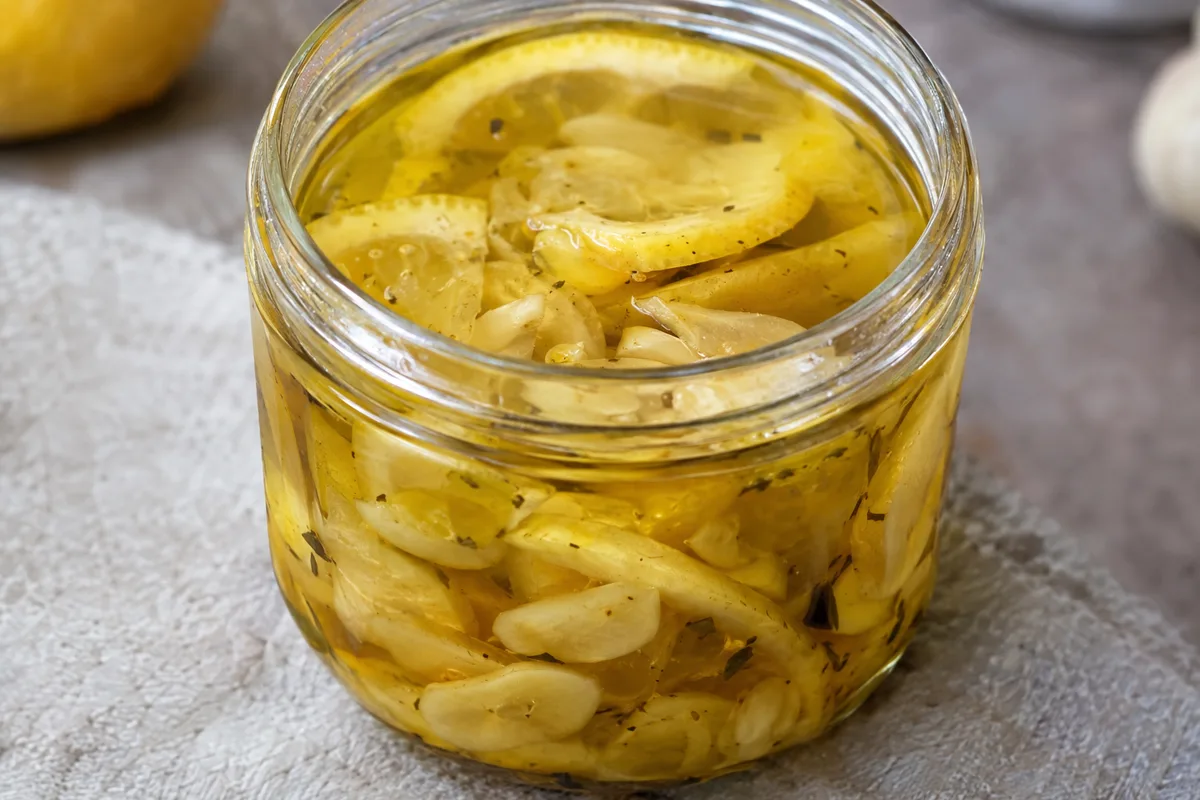
A single ingredient also cannot cancel out the overall pattern of what you eat. Your intake of vegetables, fruit, pulses, wholegrains, protein foods and fats matters more than relying on one drink. If garlic tea suits you, it can sit within that wider pattern without needing to be treated as a remedy.
- Be wary of claims that promise a quick result
- Do not assume more garlic means a greater benefit
- Separate evidence about whole garlic from claims about strained garlic tea
- Judge the drink by how it fits your diet, taste and comfort
Possible side effects
Garlic tea can cause unpleasant effects, especially when it is strong or taken on an empty stomach. Possible reactions include burning in the mouth, throat or chest, nausea, bloating, wind and loose stools. Garlic can also leave a lasting smell on the breath and, for some, the skin.
Very hot drinks can irritate the mouth and throat regardless of the ingredients, so let the tea cool to a comfortable temperature. Garlic may also cause an allergic reaction in some individuals. Stop drinking it and seek prompt medical help if it causes swelling, difficulty breathing or another severe reaction.
- Start with a mild infusion if you do not regularly eat garlic
- Avoid forcing yourself to finish it when it causes discomfort
- Let the drink cool before sipping
- Notice whether stronger recipes or an empty stomach make symptoms worse
Ingredients that can change the drink
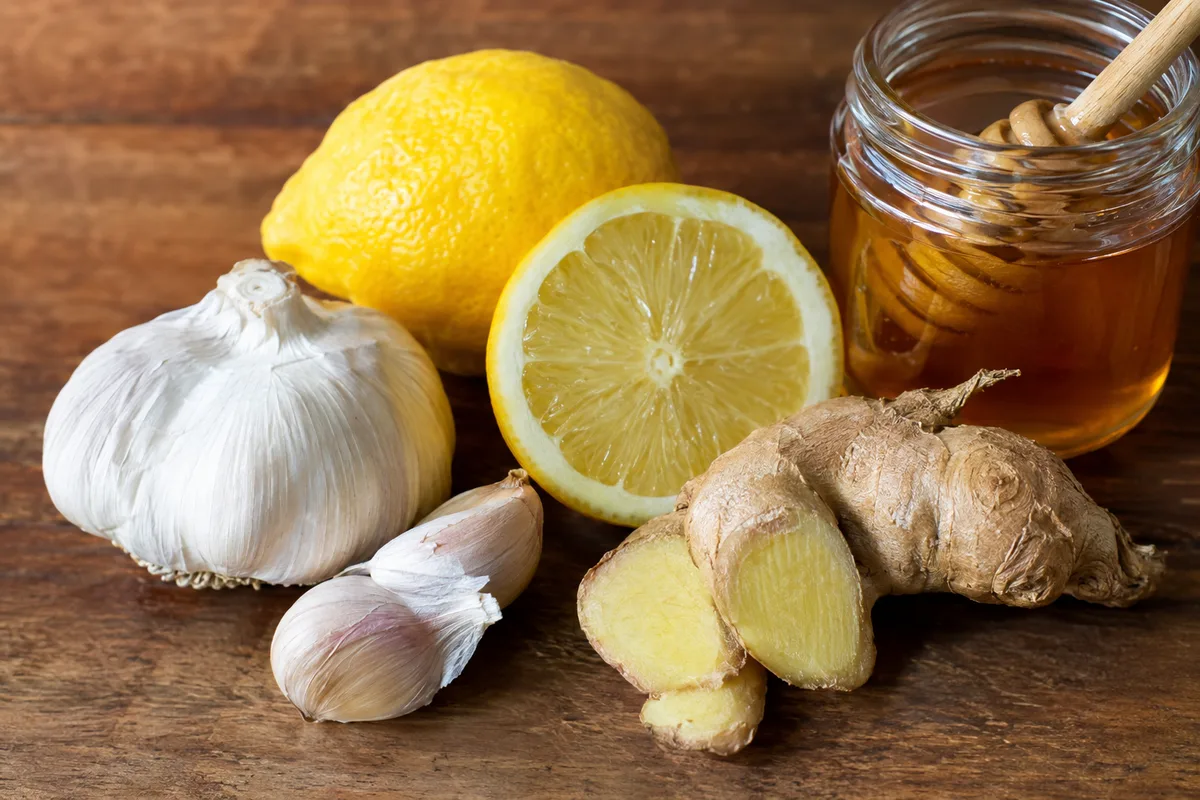
Additions may make garlic tea easier to drink, but they can also change its nutrition. Lemon juice adds acidity, which may feel uncomfortable if your mouth, throat or stomach is sensitive. Ginger adds heat and flavour, while honey and sugar add carbohydrate and energy.
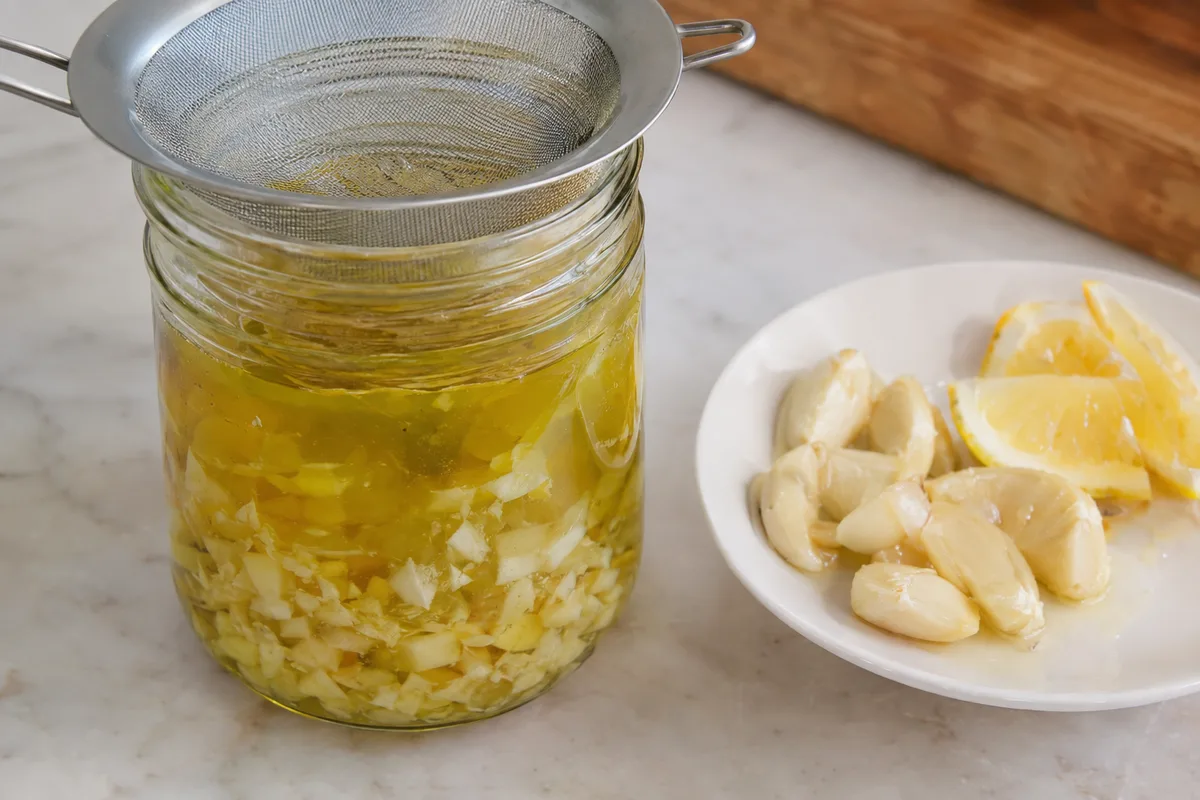
When tracking the drink, record the ingredients you actually consume rather than choosing a generic garlic tea entry. Include sweeteners by the spoonful or weight if that is how you usually log food. If you eat the garlic, lemon pieces or ginger as well, include those rather than recording only the liquid.
- Lemon or lime juice for sharpness
- Fresh ginger for a warmer, spicier taste
- Honey or sugar for sweetness
- Fresh herbs for a softer savoury flavour
How to decide whether it suits you
Garlic tea is optional, not an essential part of a balanced diet. It may suit you if you enjoy the flavour, tolerate garlic well and prefer warm savoury drinks. It is reasonable to leave it out if it causes discomfort or needs a large amount of sweetener to taste pleasant.
Your own food log can help you assess it without making assumptions. Note the recipe, time of day, additions and how you felt afterwards, then look for a repeated pattern rather than judging one occasion. If you have been advised to limit garlic or check food interactions, speak with a qualified healthcare professional before making the drink a regular habit.
- Save the exact recipe as a meal or drink entry
- Track sweeteners and juices separately when quantities vary
- Note whether you consumed the garlic pieces
- Compare taste and comfort across mild and strong versions