
Gluten-Free Fibre Supplements: What to Look For and How to Track Them
Fibre supplements can help fill a gap when food alone does not provide enough fibre, but gluten-free labels and fibre types need careful reading. This guide explains what to check, how to introduce a supplement and how to record it in your food log.
What a fibre supplement actually adds
A fibre supplement is a concentrated source of fibre in a powder, capsule, tablet or chewable form. It can make your daily intake more consistent when meals vary. It does not provide the full mixture of nutrients and textures found in fibre-rich foods.
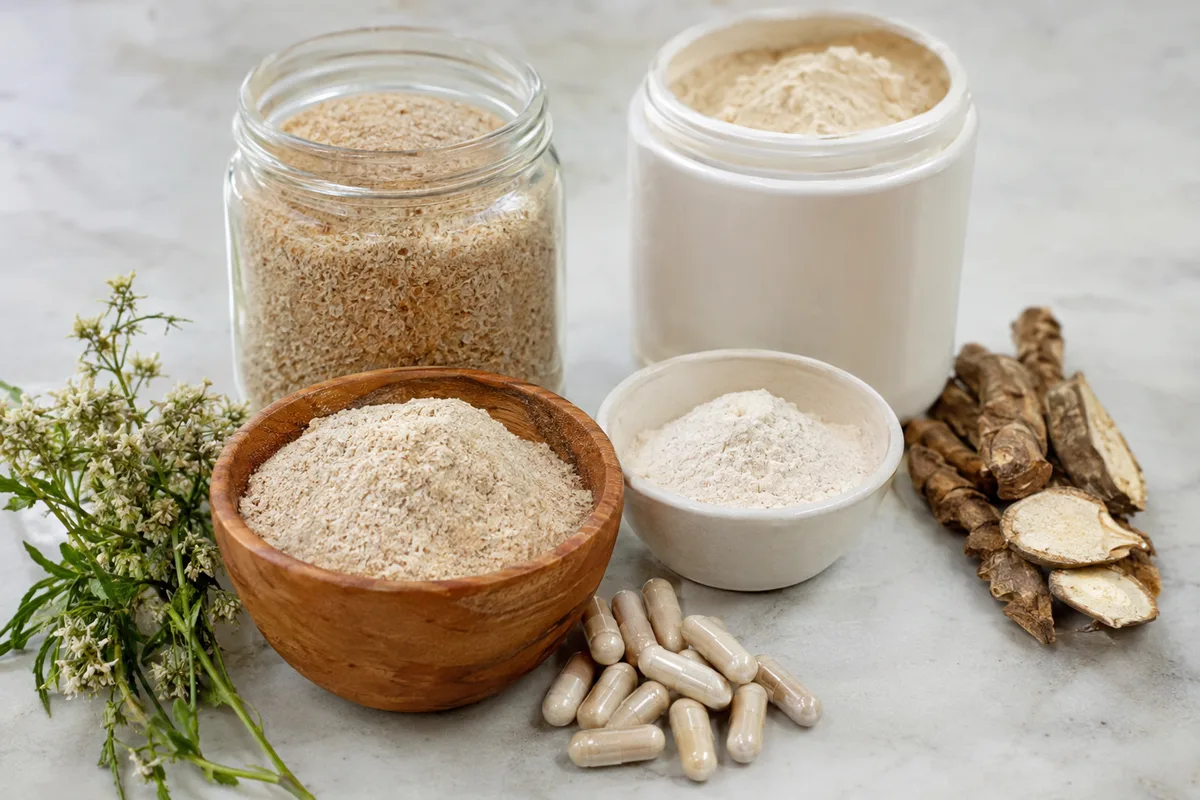
Different fibres behave differently in the gut and in liquids. Some dissolve and form a gel, while others mainly add bulk. A product may contain one fibre source or a blend, so the ingredient list matters as much as the front label.
- Psyllium husk, which absorbs water and thickens
- Inulin or chicory root fibre, which dissolves readily
- Methylcellulose, a manufactured soluble fibre
- Wheat dextrin, which requires particular attention to gluten-free labelling
- Plant gums and other isolated fibres used in powders or chewable products
Why gluten-free needs a separate check
A fibre ingredient can be naturally free from gluten while the finished supplement still needs checking. Flavourings, coatings and other added ingredients may change the picture. Manufacturing and packing processes can also introduce unwanted contact with gluten-containing materials.
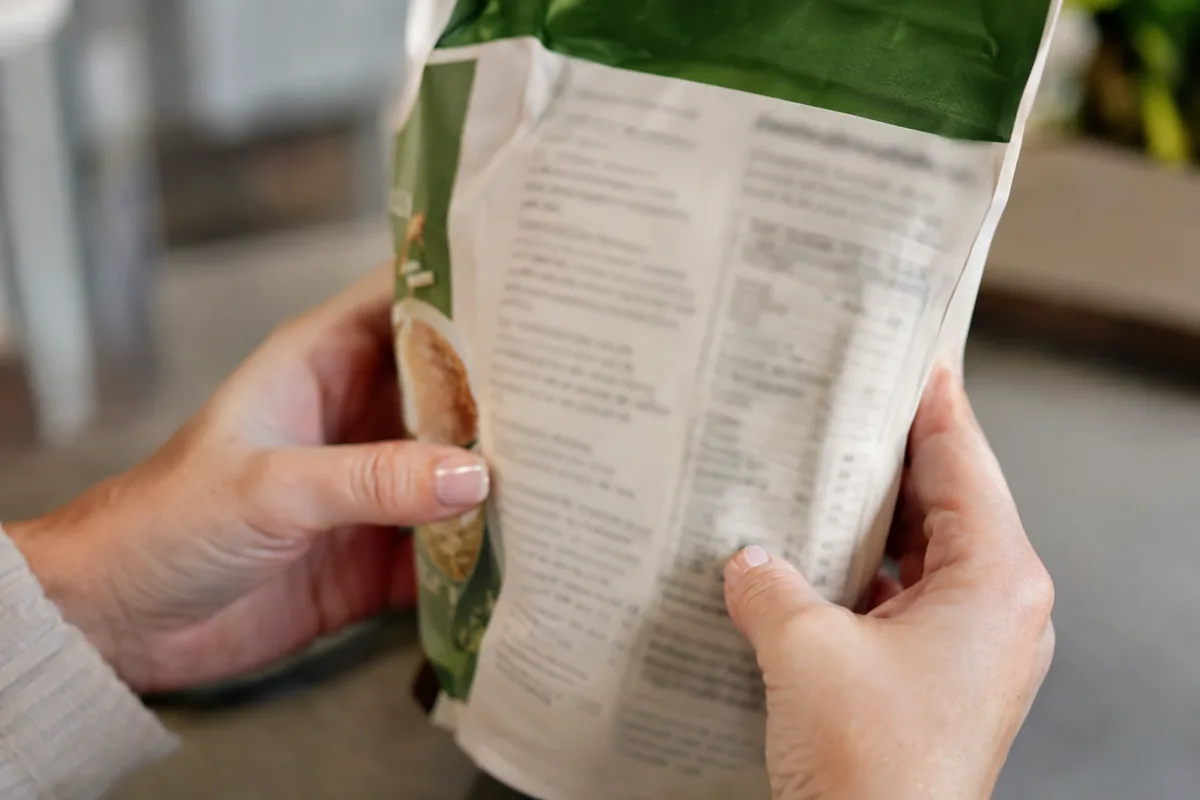
Look for a clear gluten-free statement on the current package rather than relying only on the main fibre source. Ingredient lists and production details can change, so check them again when a package looks different or a formula is updated. If you need to avoid gluten strictly, vague wording such as “made without gluten ingredients” may not give enough information.
- Read both the gluten-free statement and the full ingredient list
- Check warnings about shared manufacturing or packing processes
- Confirm that flavourings, sweeteners and coatings are covered by the claim
- Recheck the label when changing flavour, format or package design
Choosing a fibre type that suits your routine
Start with the reason you want to add fibre. You may be trying to make breakfast more substantial, balance days with fewer vegetables or keep your logged intake steadier. The best format is one you can use according to its directions without disrupting meals or drinks.

Powders can be mixed into water or suitable soft foods, while capsules and tablets require swallowing several pieces in some cases. Chewable products may contain sweeteners or other carbohydrates that affect the nutrition entry. Texture, flavour and serving instructions can therefore matter as much as the fibre source.
Tolerance differs from person to person. Some fibres are more likely than others to cause wind, fullness or changes in bowel habits when introduced quickly. If you have ongoing digestive concerns or need to follow a restricted eating plan, discuss the ingredient choice with a qualified healthcare professional.
- Plain powder for mixing into a drink or soft food
- Capsules or tablets for a measured format
- Chewable fibre with additional ingredients shown on the label
- Single-source fibre for easier ingredient checking
- Blended fibre containing more than one type
Introduce it gradually and include enough fluid
A sudden increase in fibre can feel uncomfortable, even when the product is gluten-free. Follow the package directions and begin at the lower end if the instructions provide a range. Give your usual eating pattern time to adjust before changing the amount again.
Many fibre powders absorb liquid and become thicker after mixing. Prepare them exactly as directed and drink them promptly when the label says to do so. Keep drinking fluids normally across the day rather than relying only on the liquid used for the supplement.
Avoid adding several new high-fibre foods and a supplement at the same time if you want to understand how each affects you. Make one clear change, record it and review how you feel. Stop and seek professional advice if swallowing becomes difficult or you experience a strong or persistent reaction.
- Follow the stated mixing method
- Use the serving measure described on the package
- Increase gradually rather than making a large jump
- Record comfort, fullness and bowel changes
- Review the amount before adding another fibre source
How to log a fibre supplement accurately
Use the nutrition information from the package in front of you rather than a generic database entry. Products with similar names may use different ingredients and serving sizes. Match your logged amount to the portion you actually prepared or swallowed.
Record fibre along with any carbohydrate, energy or other nutrients shown on the label. Some tracking apps display fibre within total carbohydrate, while others list it separately. Use one consistent method so comparisons between days remain useful.
If you mix the supplement into yoghurt, porridge or a drink, log the base food separately. This prevents the fibre powder from hiding the energy and nutrients in the rest of the serving. Notes can also help you connect changes in intake with comfort and routine.
- Product name and fibre source
- Amount actually used
- Fibre listed for that amount
- Other nutrients shown on the label
- Time taken and what it was mixed with
Keep food sources in the picture
A supplement can add fibre, but it should not automatically replace fibre-rich foods. Fruit, vegetables, pulses, nuts, seeds and suitable wholegrains provide different fibres alongside vitamins, minerals and varied textures. A broader food pattern also makes meals more satisfying and interesting.
When eating gluten-free, choose whole food sources that fit your needs rather than assuming every specialist substitute is high in fibre. Refined gluten-free breads, cereals and snacks can vary widely in fibre content. Compare labels and keep portions in line with what you record.
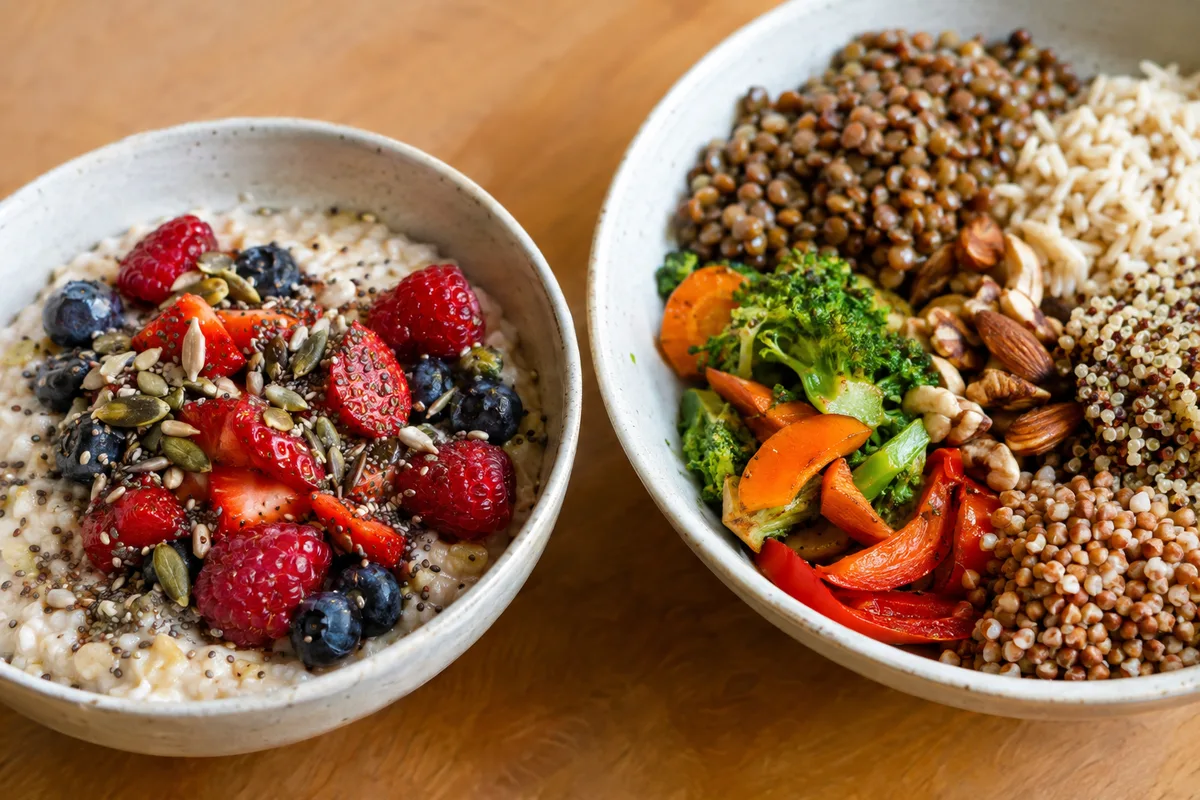
Use your food log to find the meals where fibre is usually low. You might add berries or seeds at breakfast, pulses at lunch, or extra vegetables with an evening meal. The useful balance between food and supplements depends on your diet, tolerance and personal needs.
- Beans, lentils and chickpeas
- Vegetables and fruit with edible skins where suitable
- Nuts and seeds
- Gluten-free oats carrying an appropriate gluten-free statement
- Brown rice, quinoa and buckwheat