
A Practical Gluten-Free Food List for Everyday Tracking
Gluten appears in more foods than bread and pasta, but many everyday ingredients are naturally free from it. This guide covers useful staples, common label checks, meal ideas and practical ways to keep your food diary accurate.
What gluten-free means
Gluten is a group of proteins found in wheat, barley and rye. Spelt is a type of wheat, so it also contains gluten. Foods made with these grains are not gluten-free unless they have been specially produced and labelled as such.
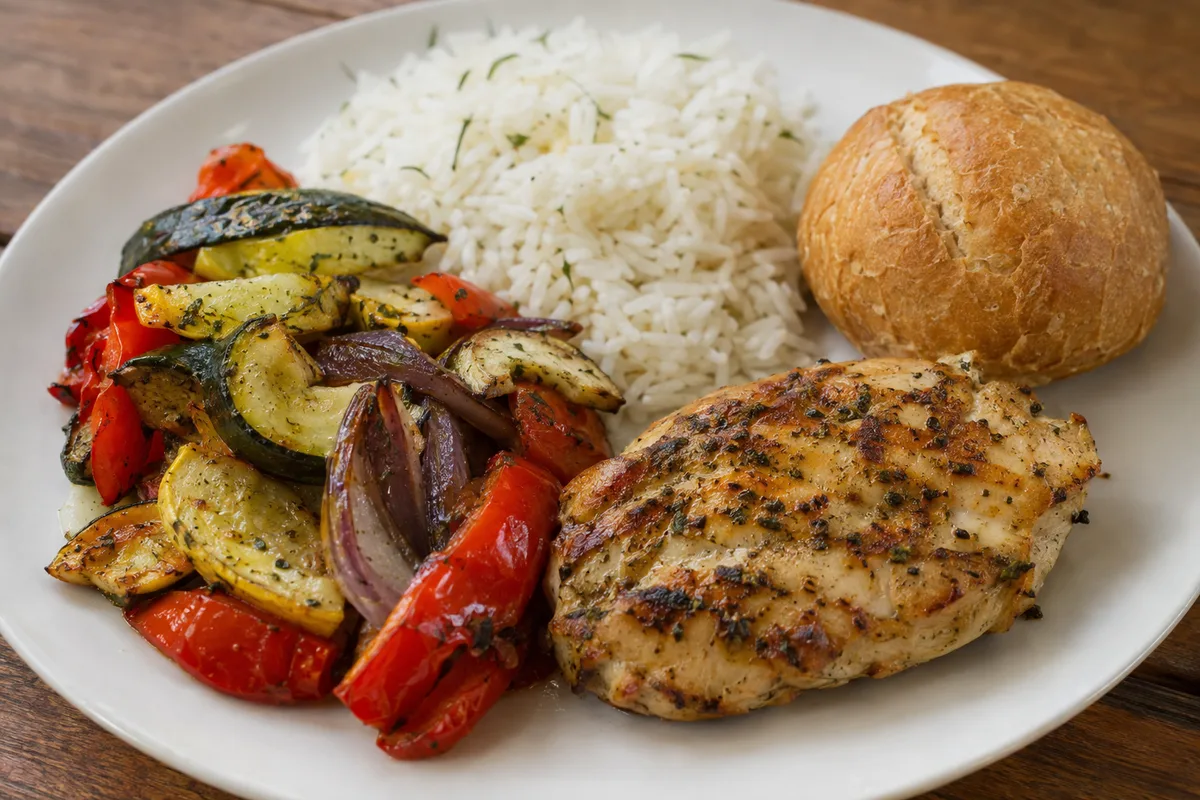
A gluten-free diet can still include a wide range of vegetables, fruit, pulses, dairy foods, eggs, meat, fish and suitable grains. The main task is to check processed and packaged foods, where flour, crumbs, malt or other grain ingredients may be less obvious. A product described as wheat-free is not automatically gluten-free because it may contain barley or rye.
When tracking your meals, record the actual gluten-free product rather than choosing a standard version with a similar name. Recipes and serving sizes can vary between brands and homemade versions. Use the packet information or enter your own recipe when the exact food is not already in your diary.
- Contains gluten: wheat, barley, rye and spelt
- Usually contains gluten: ordinary bread, pasta, couscous and many baked foods
- Needs checking: sauces, seasonings, soups and coated foods
- Gluten-free alternatives: products specifically labelled gluten-free
Naturally gluten-free starchy foods
Rice, potatoes, maize, quinoa and buckwheat are naturally gluten-free. Despite its name, buckwheat is not a type of wheat. These foods can provide the starchy part of a meal without needing a specialist substitute.
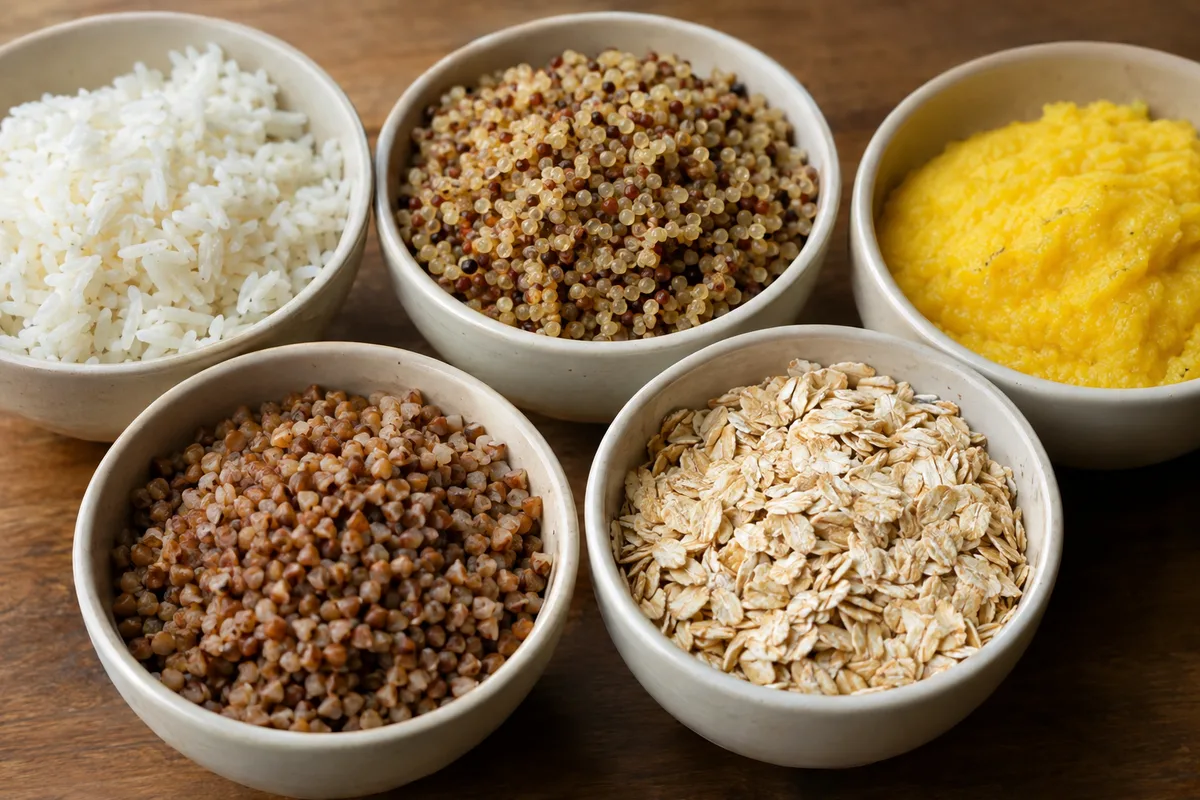
Choose the form that suits the meal and your food diary. A plain baked potato is different from chips with a coating, while plain rice is different from a flavoured rice pouch. Added oils, sauces and seasonings can change both the ingredients and the nutrition entry.
Oats need particular care because they can come into contact with gluten-containing grains during growing or processing. Choose oats that are clearly labelled gluten-free when avoiding gluten strictly. Check oat drinks, granola and oat bars in the same way.
- Rice, including brown, white, basmati and wild rice
- Potatoes and sweet potatoes without unsuitable coatings
- Maize, polenta and products labelled as gluten-free corn tortillas
- Quinoa, buckwheat and millet
- Oats specifically labelled gluten-free
Protein foods, dairy and plant-based choices
Plain meat, poultry, fish and eggs are naturally gluten-free. The same applies to plain beans, lentils, peas, nuts and seeds. Problems are more likely to arise when these foods are breaded, marinated, seasoned or served with a sauce.
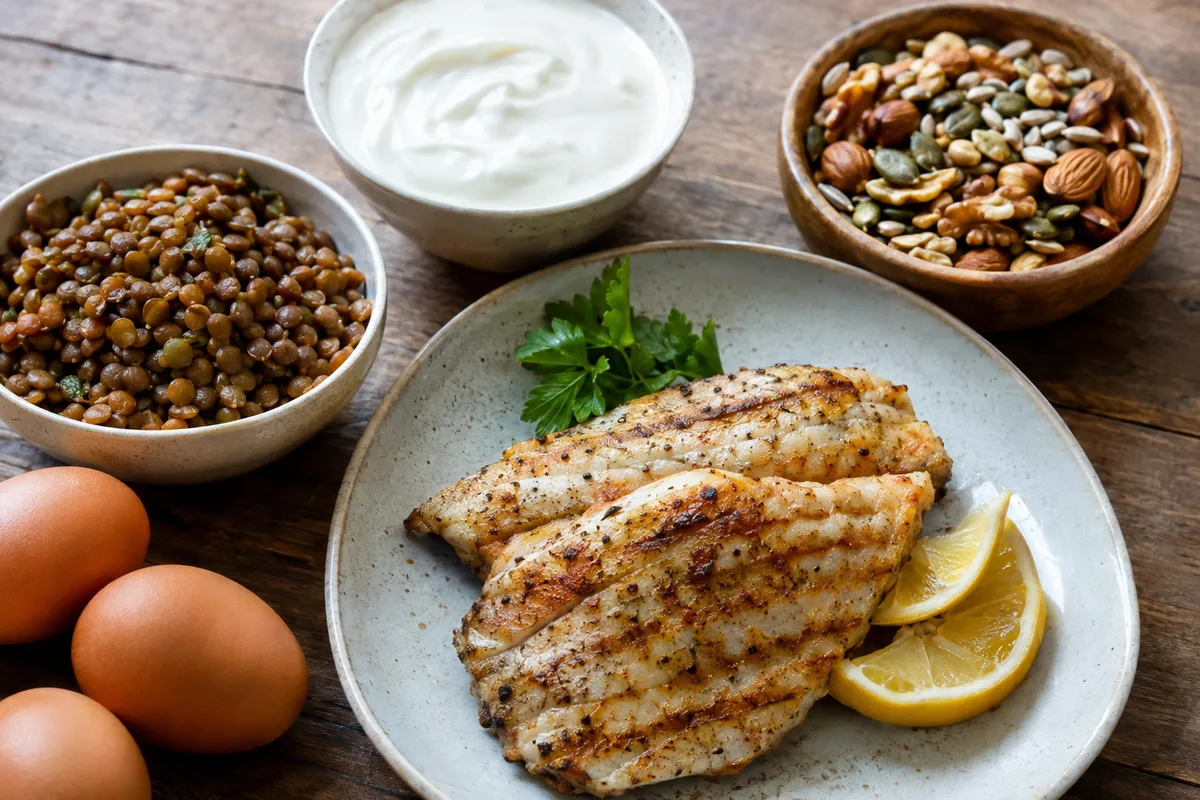
Milk, plain yoghurt and many cheeses have no gluten-containing ingredients, but flavoured or processed versions still need checking. Plant-based alternatives vary widely, especially meat substitutes and flavoured drinks. Read the full ingredient list rather than assuming that every product in a category is suitable.
For accurate tracking, include cooking fats, marinades, batter, crumbs and sauces separately when needed. A grilled chicken breast and a coated chicken portion may have very different diary entries. For mixed dishes, logging the recipe ingredient by ingredient is often the clearest approach.
- Plain eggs, meat, poultry and fish
- Beans, chickpeas, lentils and tofu with suitable ingredients
- Plain nuts, seeds and nut butters without unsuitable additions
- Milk, plain yoghurt and suitable cheeses
- Plant-based alternatives that carry clear gluten-free information
Reading labels and spotting less obvious sources
Start with the gluten-free statement, then read the ingredient list and any allergen information. Wheat, barley and rye may appear as part of another ingredient rather than as the main grain. Recipes can change, so check familiar products again when you open a new pack.
Barley malt is a common ingredient in some cereals, drinks, sauces and flavourings. Wheat flour may be used to thicken soups, gravies and sauces, while breadcrumbs can appear in burgers, sausages and vegetable products. Soy sauce often contains wheat unless the label identifies it as gluten-free.
Cross-contact can happen when gluten-free food shares preparation surfaces, fryers, utensils or storage containers with gluten-containing food. This matters particularly when strict avoidance is required. Ask how food is prepared when eating away from home rather than judging only by the dish name.
- Check cereals, stock cubes, gravy, soup and ready-made sauces
- Look closely at sausages, burgers, meat substitutes and coated foods
- Check soy sauce, marinades, spice mixes and salad dressings
- Confirm that bakery foods and takeaway chips are prepared separately when necessary
- Recheck the label when packaging or recipes change
Building simple gluten-free meals
A straightforward meal can combine a naturally gluten-free starch, a protein food and vegetables or fruit. This approach reduces reliance on complicated substitutes and makes diary entries easier to understand. Add fats, dressings and sauces according to what you actually use.
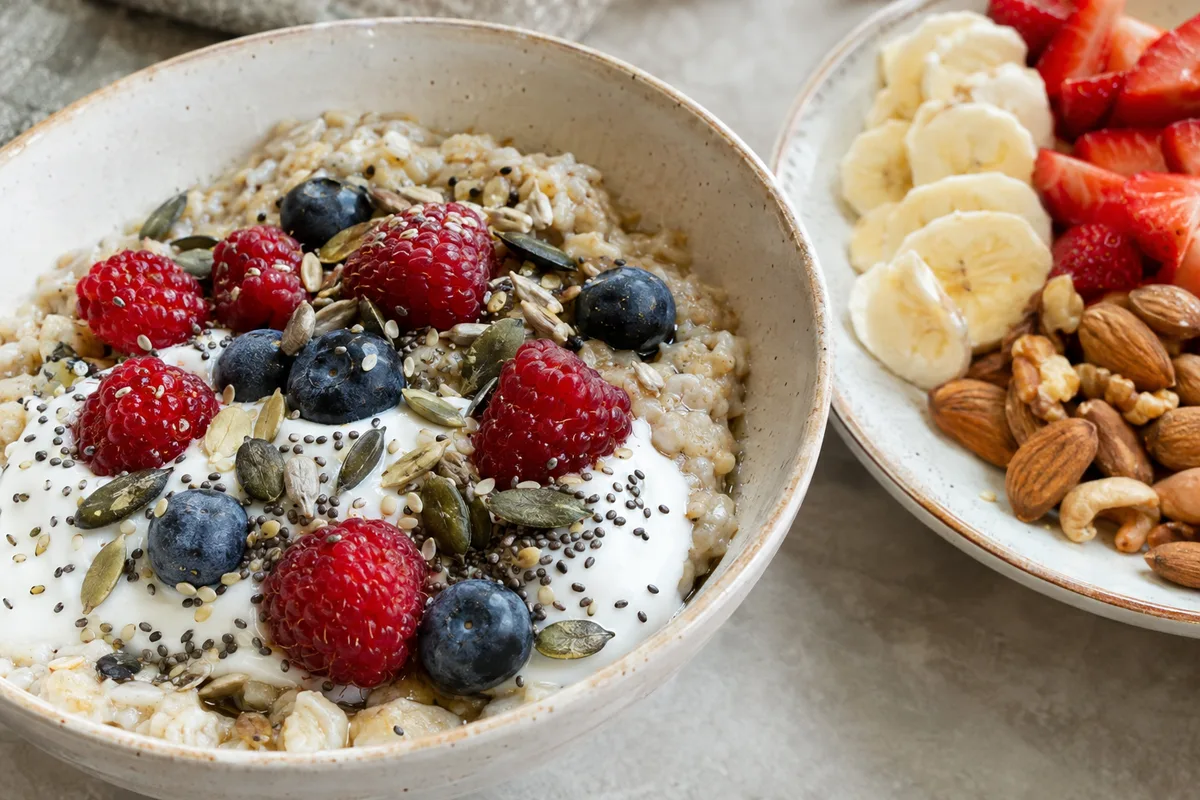
For breakfast, try gluten-free oats with yoghurt and fruit, or eggs with potatoes and tomatoes. Lunch could be a rice bowl with beans and vegetables, while dinner might use quinoa, fish and roasted vegetables. The portion that suits you depends on your appetite, routine and personal goals.
Gluten-free bread and pasta can also fit into meals, but their ingredients and nutrition values differ between products. Some use rice or maize, while others contain pulses, seeds or several starches. Log the specific product and prepared amount shown in your meal rather than using a generic entry.
- Breakfast: gluten-free oats, plain yoghurt, berries and seeds
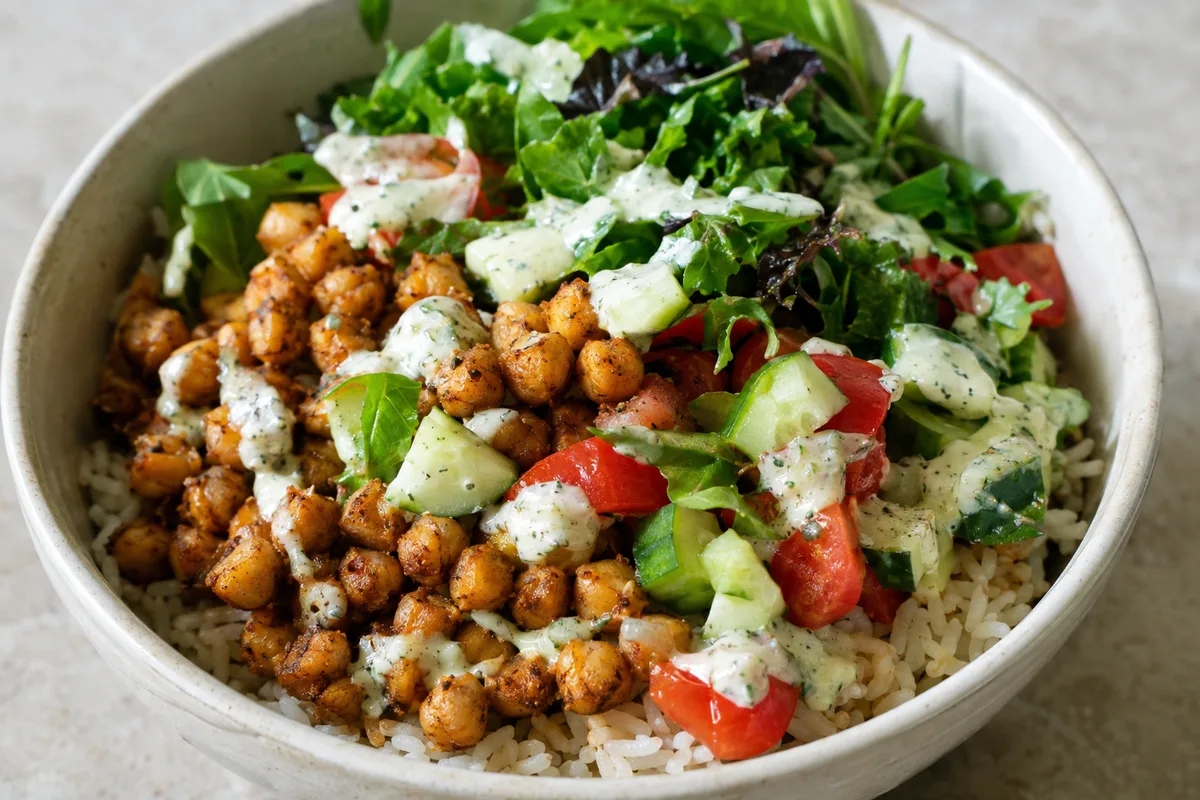
- Lunch: rice, chickpeas, cucumber, tomatoes and a suitable dressing
- Dinner: baked potato, grilled fish and mixed vegetables
- Snack: fruit with plain nuts or yoghurt
- Quick meal: gluten-free pasta with tomato sauce and vegetables
Keeping your food diary useful
A gluten-free label does not tell you everything about a food's energy, fibre, protein or added ingredients. Gluten-free biscuits are still biscuits, and gluten-free bread is not nutritionally identical to every other loaf. Keep tracking the details that matter to you rather than treating gluten-free as a nutrition score.
Save regular meals and recipes if your tracker allows it. Include each ingredient once, confirm the total cooked recipe and divide it by the portions you actually serve. This is more reliable than selecting a meal with the same name but unknown ingredients.
Review your diary for variety as well as gluten avoidance. Rotate rice, potatoes, quinoa, buckwheat and labelled gluten-free oats, and include vegetables, fruit and protein foods across the week. This can make meals more interesting and help you notice when one substitute is dominating your choices.
- Use the exact packaged product where possible
- Enter homemade recipes from their individual ingredients
- Record oils, toppings, sauces and drinks
- Update saved entries when ingredients or portions change
- Check fibre and protein alongside your usual tracking measures