
Golden or brown flax seed: does the colour make a difference?
Golden and brown flax seed are closely related foods with more similarities than differences. Here is how to choose, prepare and log them without treating colour as a nutritional shortcut.
The main difference is the seed colour
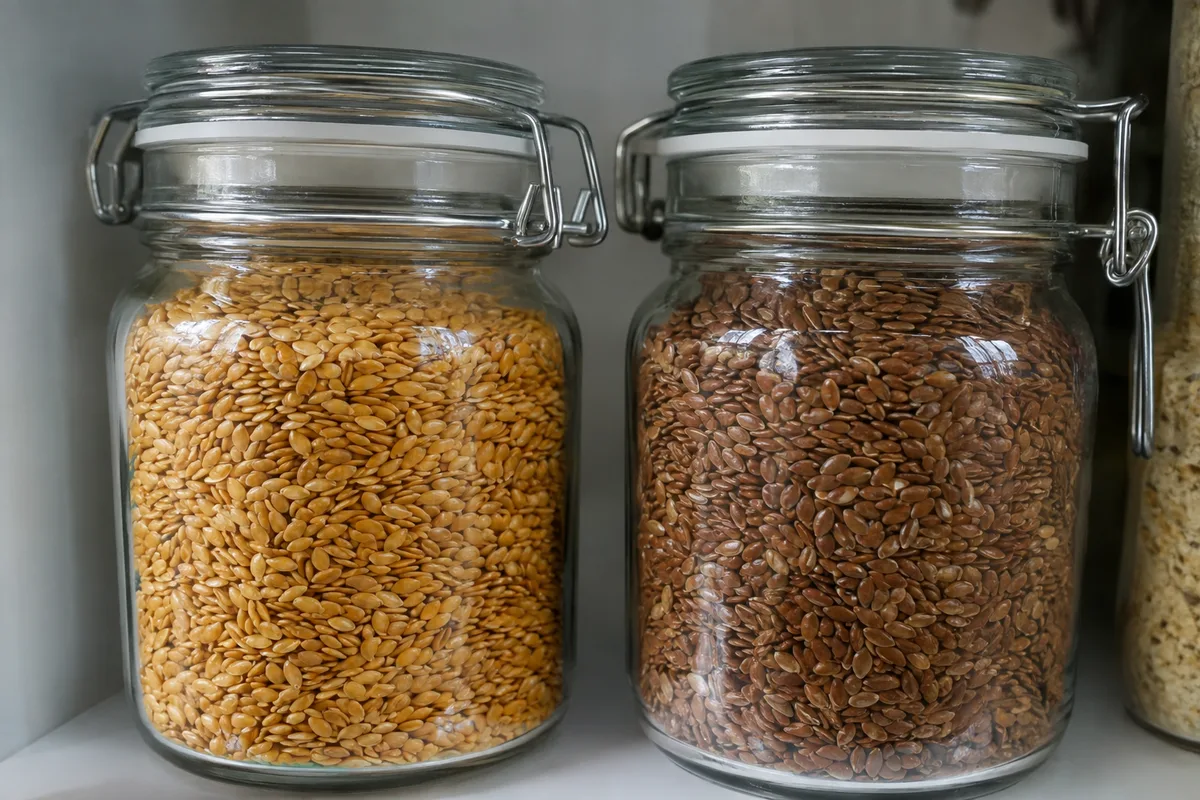
Golden and brown flax seeds are varieties of the same plant, also commonly called linseed. Their outer colour differs, but both provide fibre, fat and protein. Both also contain alpha-linolenic acid, a type of omega-3 fat found in plants.
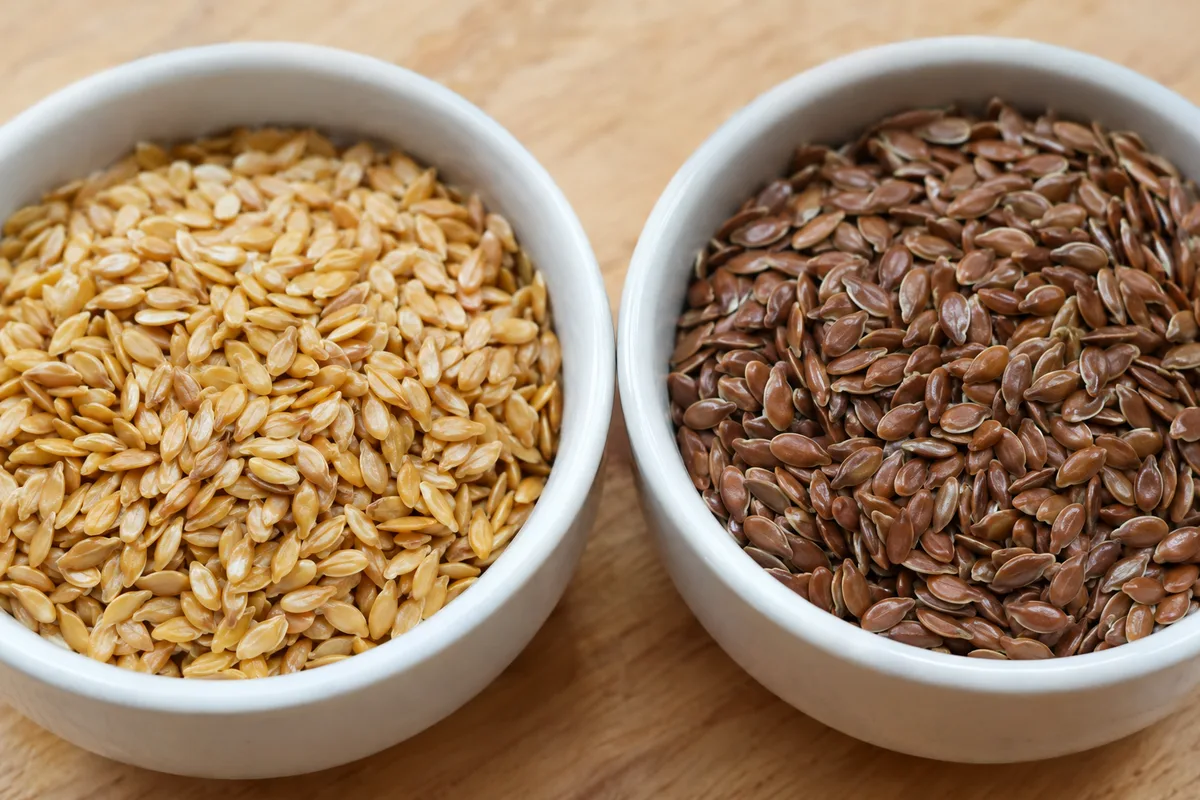
Colour alone does not show that one variety is more nutritious than the other. Nutrient levels can vary with the variety, growing conditions and processing, so the packet information is more useful than a general colour rule. For everyday tracking, the amount and form you eat usually matter more than whether the seeds are golden or brown.
- Both can be eaten whole or ground
- Both add fibre, fat and protein
- Both contain plant omega-3 fat
- Neither colour is automatically the better choice
Flavour and appearance may guide your choice
Golden flax seed is often described as mild, while brown flax seed can taste slightly earthier or nuttier. The difference is usually subtle once the seeds are mixed into porridge, yoghurt or baking. Your preferred variety may depend more on the meal than on nutrition.
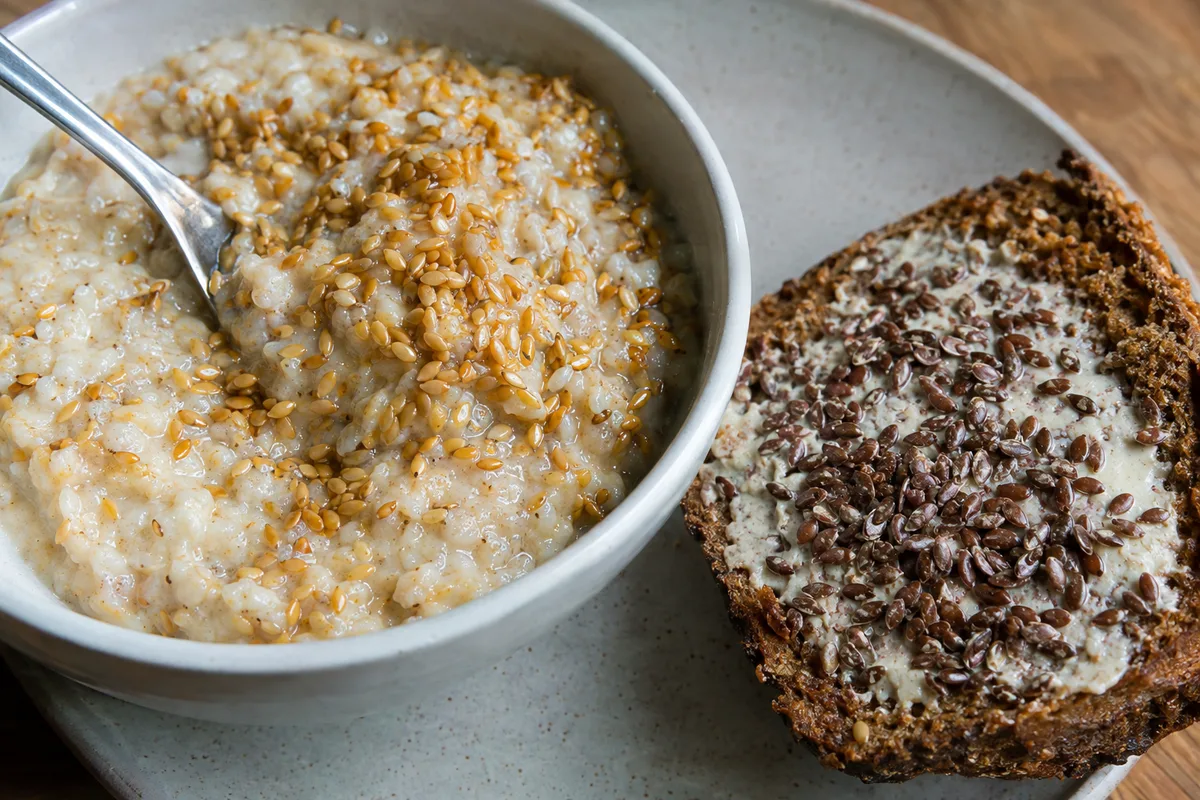
Golden seeds remain more visible in darker foods but can blend gently into pale mixtures. Brown seeds add darker specks and may give bread, cereal or toppings a more noticeable seeded appearance. If you dislike one variety on its own, grinding it or mixing it into food can soften its flavour and texture.
- Use golden flax seed when you want a milder-looking addition
- Use brown flax seed when a nuttier taste suits the food
- Try either variety in porridge, yoghurt or a smoothie
- Add either to bread, muffins or homemade cereal mixtures
Ground and whole seeds behave differently
Whole flax seeds have a firm outer layer and may pass through the digestive system without being fully broken down. Grinding opens that layer, making the inside of the seed easier to use. Chewing whole seeds thoroughly can help, but ground flax is the more reliable option when you want it mixed evenly through a meal.
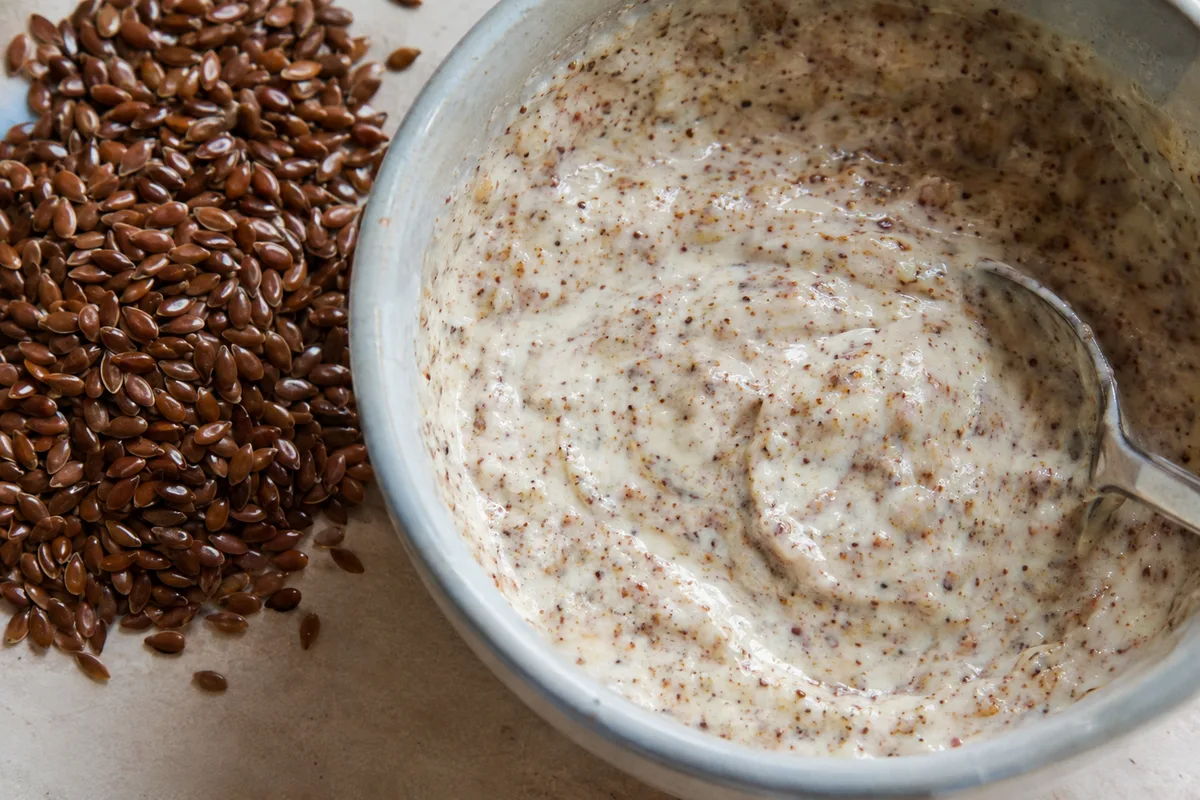
Ground flax also absorbs liquid and thickens as it stands. This can change the texture of porridge, yoghurt, smoothies and baking mixtures, so it is sensible to add it gradually. Golden and brown varieties behave in much the same way when ground.
- Stir ground flax into porridge after cooking
- Mix it into yoghurt and allow time for thickening
- Blend it into a smoothie with enough liquid
- Combine ground flax with water when a recipe uses it as a binder
How to compare the nutrition labels
Check labels using the same serving size because different packets may show different reference amounts. Compare fibre, fat, protein and energy per 100 grams for the clearest like-for-like view. Small differences between two products may reflect the variety or how the seed was processed rather than its colour.
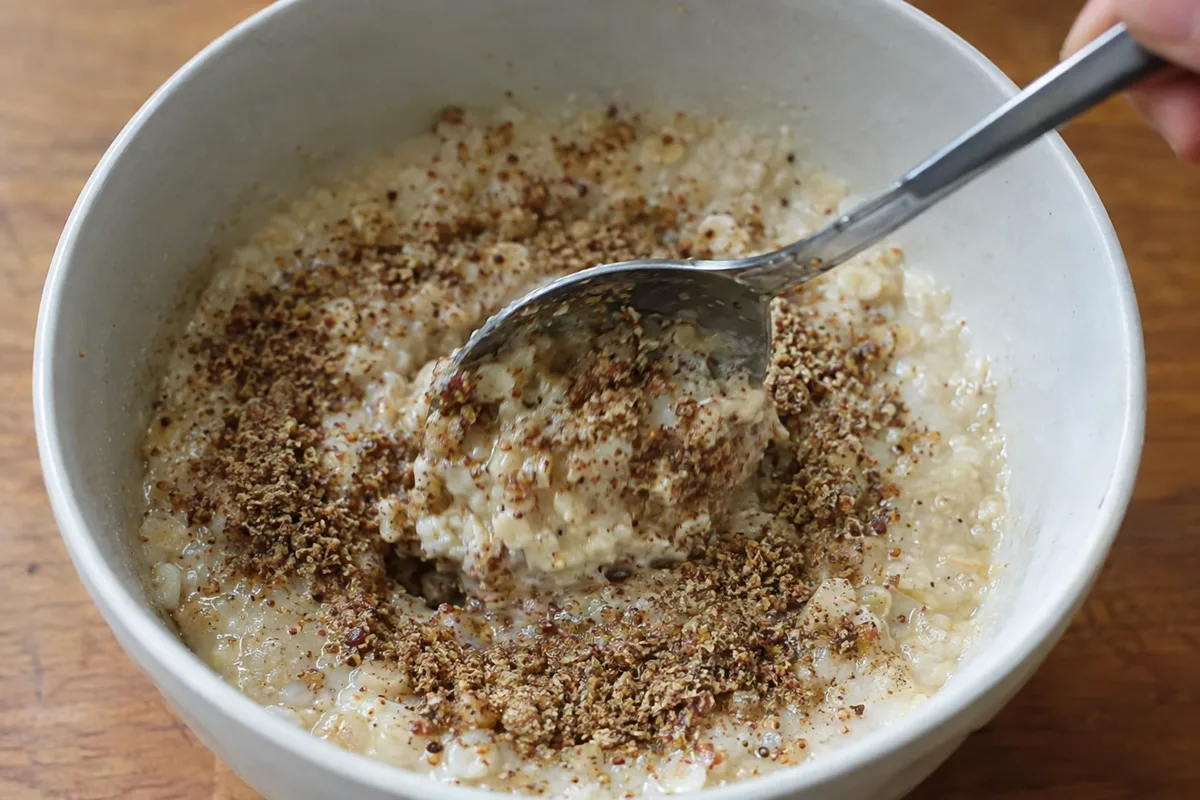
Some packets contain whole seeds, while others contain milled or ground flax. Added ingredients can also change the nutrition information, so check that you are comparing plain flax with plain flax. If omega-3 content is listed, compare it using the same serving basis as the rest of the label.
- Match the serving size before comparing
- Check whether the seeds are whole or ground
- Look for added ingredients
- Use the per-100-gram column for a direct comparison
Logging flax seed accurately
Flax seed contains a substantial amount of fat, so a small-looking addition can make a noticeable difference to a food log. The exact energy depends on the product and portion, which is why the packet entry is preferable to a generic guess. Log the amount you actually add rather than recording the whole recipe serving by habit.
Ground flax can pack more tightly into a spoon than whole seeds, and heaped spoonfuls are not consistent. If you already use measured portions in your tracking routine, apply the same approach here. For a shared recipe, record the total flax added and divide it across the number of portions served.
Do not log golden and brown flax as meaningfully different unless their labels show a difference. A verified entry matching the product and its whole or ground form is usually the most useful choice. Consistency matters more than switching between near-identical database listings.
- Choose an entry that matches whole or ground flax
- Use the packet serving information when available
- Record flax included in baking or blended drinks
- Divide the recipe total across the portions eaten
Keeping flax seed fresh
The natural oils in flax seed can develop an unpleasant smell or flavour when exposed to air, warmth and light. Whole seeds generally keep their quality longer because the outer layer protects the oils. Ground flax has more exposed surface area, so careful storage matters more.
Keep the seeds in a tightly closed container and follow the packet instructions. A cool, dark place may suit unopened whole seeds, while ground flax is often best kept chilled after opening if the label advises it. Discard seeds that smell sharply bitter, stale or paint-like.
Choose the colour you enjoy and can use consistently. Golden flax may suit lighter foods, while brown flax may complement stronger flavours, but either can play the same basic role. Freshness, preparation and portion logging are more useful decision points than colour alone.
- Close the container promptly after use
- Keep the seeds away from heat and direct light
- Follow the storage guidance on the packet
- Check the smell and flavour before adding them to food