
Simple ways to add flaxseed to the food you already eat
Flaxseed, also called linseed, can add fibre, fat and a mild nutty flavour to familiar meals. This guide explains which form to choose, how to introduce it and how to record it in your food log.
What flaxseed adds to a meal
Flaxseed is a small seed containing fibre, fat and some protein. Its fat includes a plant form of omega-3, while its fibre can make meals feel more substantial. It has a mild, slightly nutty taste that works in both sweet and savoury food.
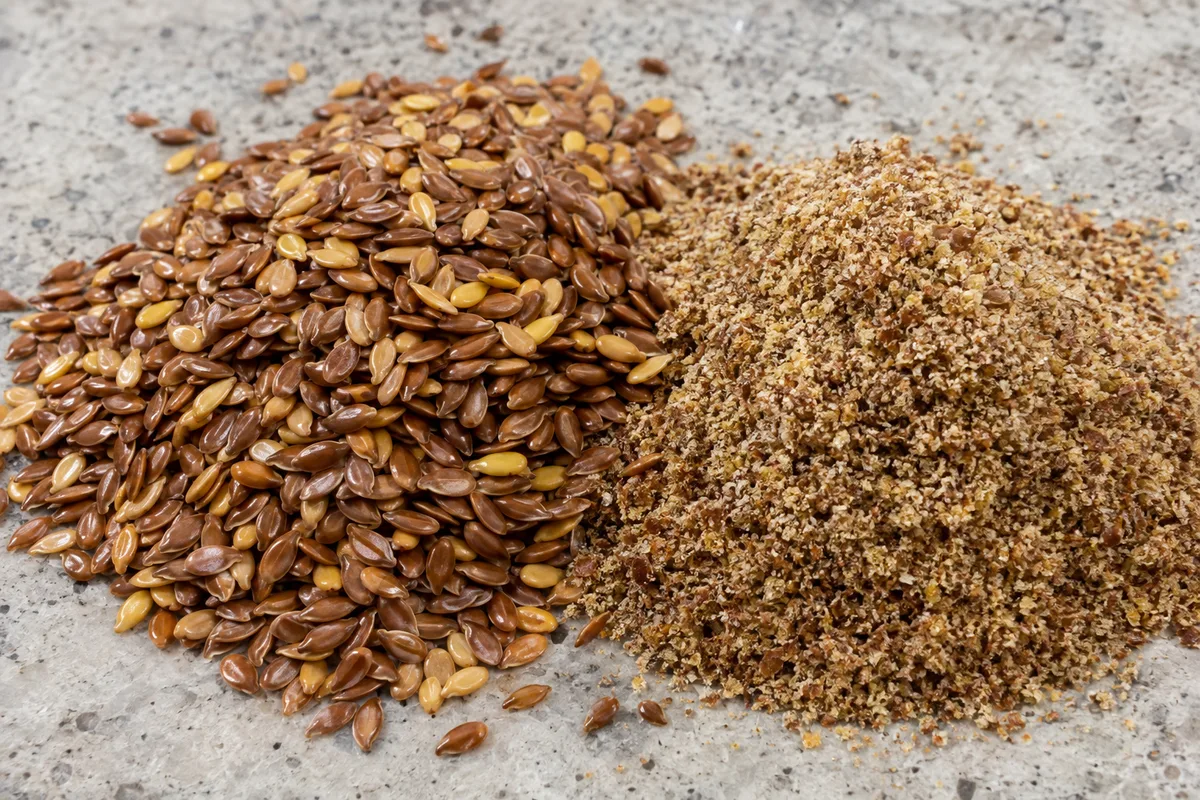
Whole, ground and oil forms do not offer the same things. Ground flaxseed provides the seed's fibre and nutrients in a form that is easier to mix into meals, while whole seeds may pass through the body less fully broken down. Flaxseed oil supplies fat but contains no fibre, so it is not a direct substitute for the seed.
- Ground flaxseed for porridge, yoghurt, soups and baking
- Whole flaxseed for texture in breads, crackers or cereal
- Flaxseed oil for cold dressings and drizzling
- Golden or brown flaxseed, which can be used in similar ways
Choose ground flaxseed for everyday use
Grinding breaks the hard outer shell and makes flaxseed easier to blend into food. Ready-ground flaxseed is convenient, while whole seeds can be ground before use. The best choice is the one that fits your meals and that you can store properly.
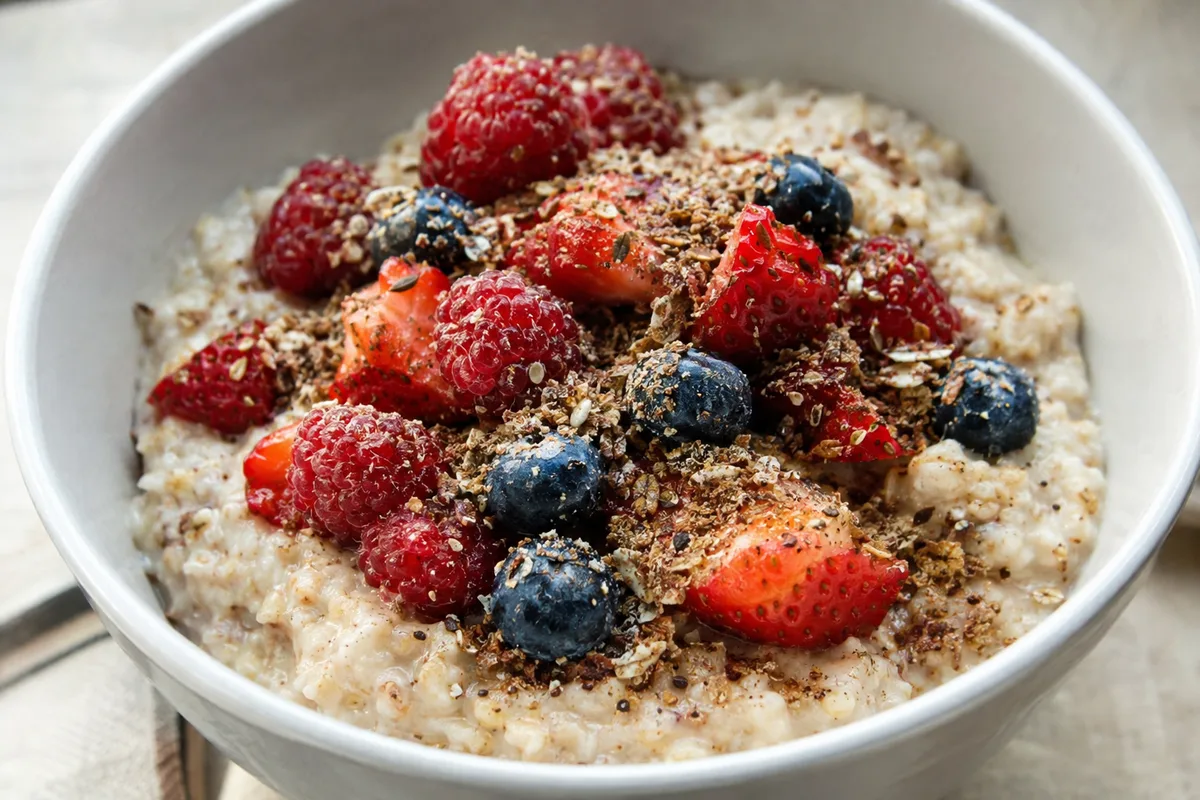
Ground flaxseed absorbs liquid and thickens as it stands. This can be useful in porridge, yoghurt and baking, but it may change a recipe's texture. Mix it in gradually and add more liquid when the food becomes thicker than you want.
- Stir it thoroughly to prevent dry clumps
- Allow a mixed dish to stand briefly before judging its texture
- Add liquid in small stages if the mixture thickens
- Use ground seed rather than oil when fibre is the aim
Add it to breakfast and snacks
Breakfast foods are often the easiest place to begin because ground flaxseed mixes well with soft or moist textures. Stir it into porridge after cooking, fold it through yoghurt or blend it into a thick fruit mixture. If you prefer some crunch, sprinkle whole seeds over cereal rather than mixing them into a drink.
For snacks, flaxseed can be mixed into foods you already log, such as yoghurt with fruit or a homemade oat mixture. Its flavour is subtle, but a large addition can make food taste earthy or feel dry. Start with a modest addition that suits you, then adjust according to taste and digestion.
- Porridge topped with berries and ground flaxseed
- Plain yoghurt with chopped fruit and ground flaxseed
- Overnight oats with flaxseed mixed through
- A fruit and yoghurt mixture thickened with ground flaxseed
Use it in savoury meals
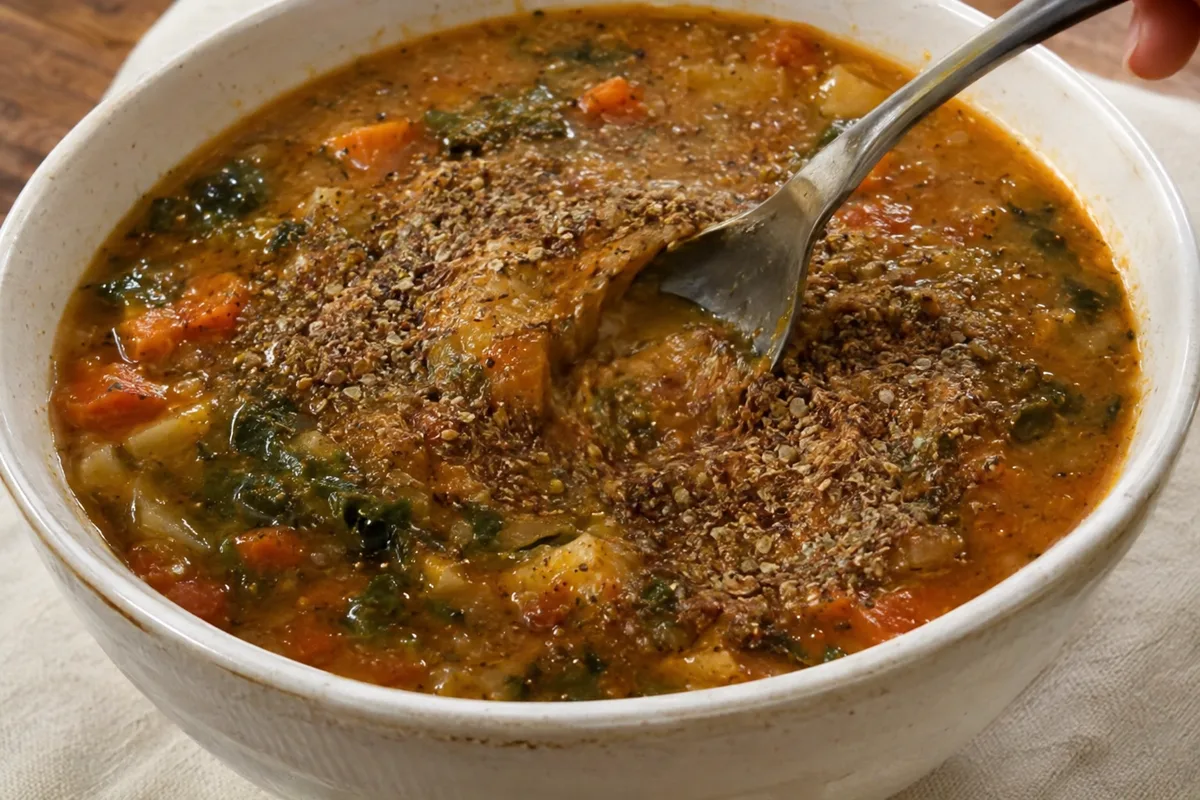
Ground flaxseed does not need to be limited to sweet dishes. It can be stirred into thick soups, bean dishes, pasta sauces or mashed vegetables, where the texture is less noticeable. Add it near the end and mix well so that you can check the consistency.
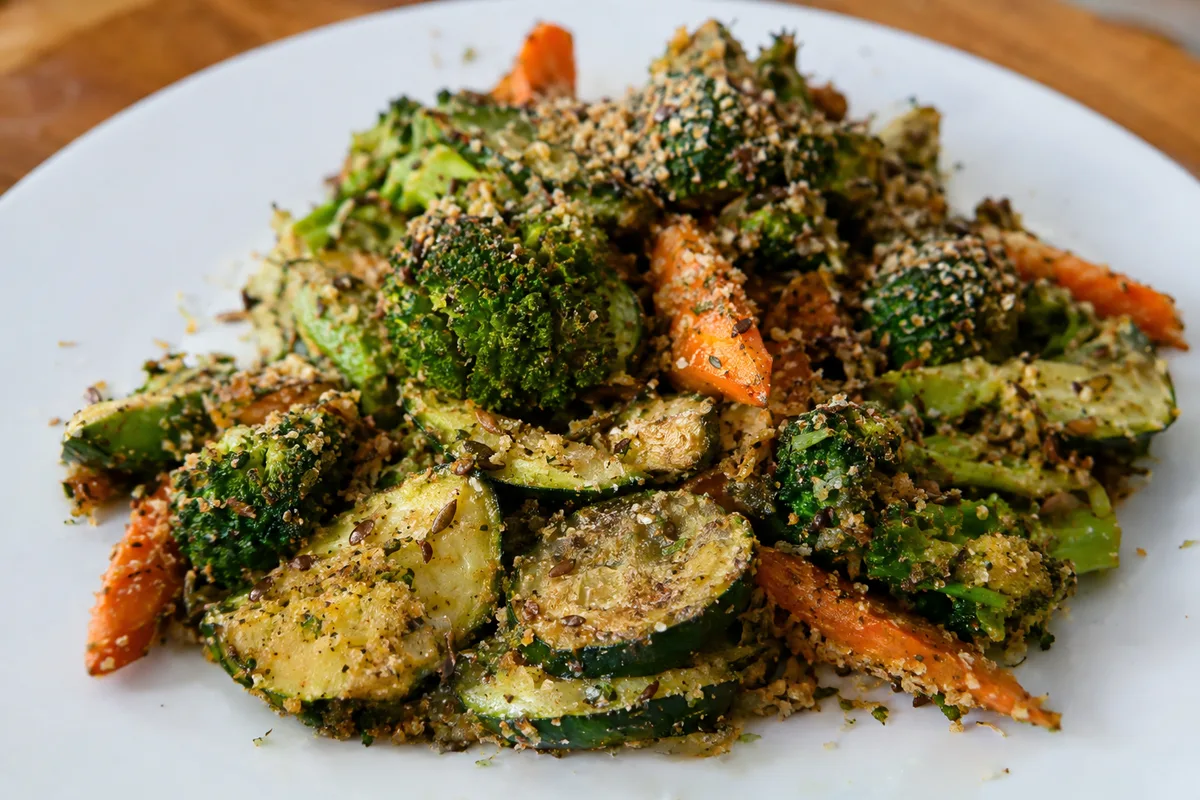
Flaxseed can also form part of a coating or topping. Combine ground seed with breadcrumbs, herbs or spices before coating vegetables, fish or another protein food. In salads, use whole seeds for crunch or a little flaxseed oil as part of a cold dressing.
- Thick vegetable soup with ground flaxseed stirred in
- Mashed root vegetables mixed with ground flaxseed
- Breadcrumb and flaxseed coating with dried herbs
- Salad dressed with flaxseed oil, lemon juice and seasoning
Bake and cook with it thoughtfully
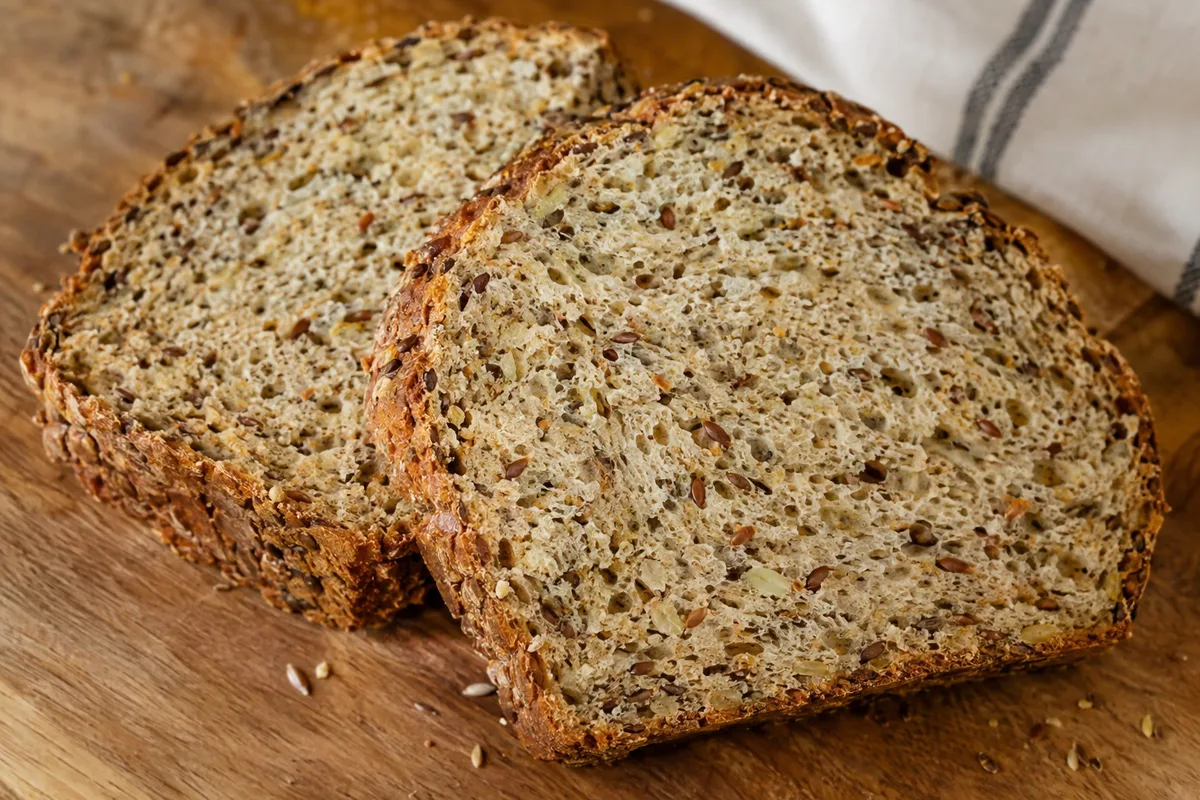
Ground flaxseed can be added to muffins, pancakes, bread and other baked foods. Because it holds water, simply adding it to a familiar recipe may make the result denser or drier. Small recipe adjustments may be needed, and the right amount depends on the other ingredients.
When ground flaxseed is mixed with water and left to thicken, it can sometimes help bind a bake. It does not behave exactly like an egg because it does not provide the same structure, richness or lift. It tends to work better in sturdy mixtures than in light cakes that rely on plenty of air.
- Mix ground flaxseed evenly with the dry ingredients
- Check whether the mixture needs extra liquid
- Expect a slightly denser texture in some bakes
- Use thickened flaxseed mixtures in recipes where binding matters more than lift
Track it accurately and store it well
Flaxseed still contributes energy, so include it in your food log rather than treating it as a free addition. Weigh or measure the form you actually use and choose a matching entry, since whole seed, ground seed and oil are different foods. Nutrition values vary by product and serving size, so use the packet information when it is available.
The oils in flaxseed can develop an unpleasant flavour when exposed to heat, light and air for too long. Keep the container tightly closed and follow its storage instructions, with ground seed often benefiting from a cool place. Introduce extra fibre gradually and drink as you normally would, as a sudden large change may feel uncomfortable.
- Log ground flaxseed, whole flaxseed or oil separately
- Check whether a database entry refers to linseed, another name for flaxseed
- Match the logged weight to the amount that reached your meal
- Keep the container sealed and check its smell and flavour before use