
Can bacon and eggs be a healthy breakfast?
Bacon and eggs provide protein and can make a satisfying breakfast, but the meal may also be high in salt and saturated fat. Here is how to assess what you log and build a more balanced plate.
The short answer
Bacon and eggs can be part of a healthy breakfast, but they do not create a balanced meal on their own. Eggs provide protein and several useful nutrients, while bacon adds flavour and more protein. Bacon is also a processed meat that is often high in salt and saturated fat, so it is better treated as a smaller part of the plate rather than its main feature.

Your overall eating pattern matters more than one breakfast. If bacon and eggs appear occasionally alongside varied, fibre-rich foods, they can fit comfortably into many eating plans. If they are your usual breakfast, it is worth checking the portion, cooking fat and foods served with them.
- Keep eggs as the main protein and use less bacon for flavour
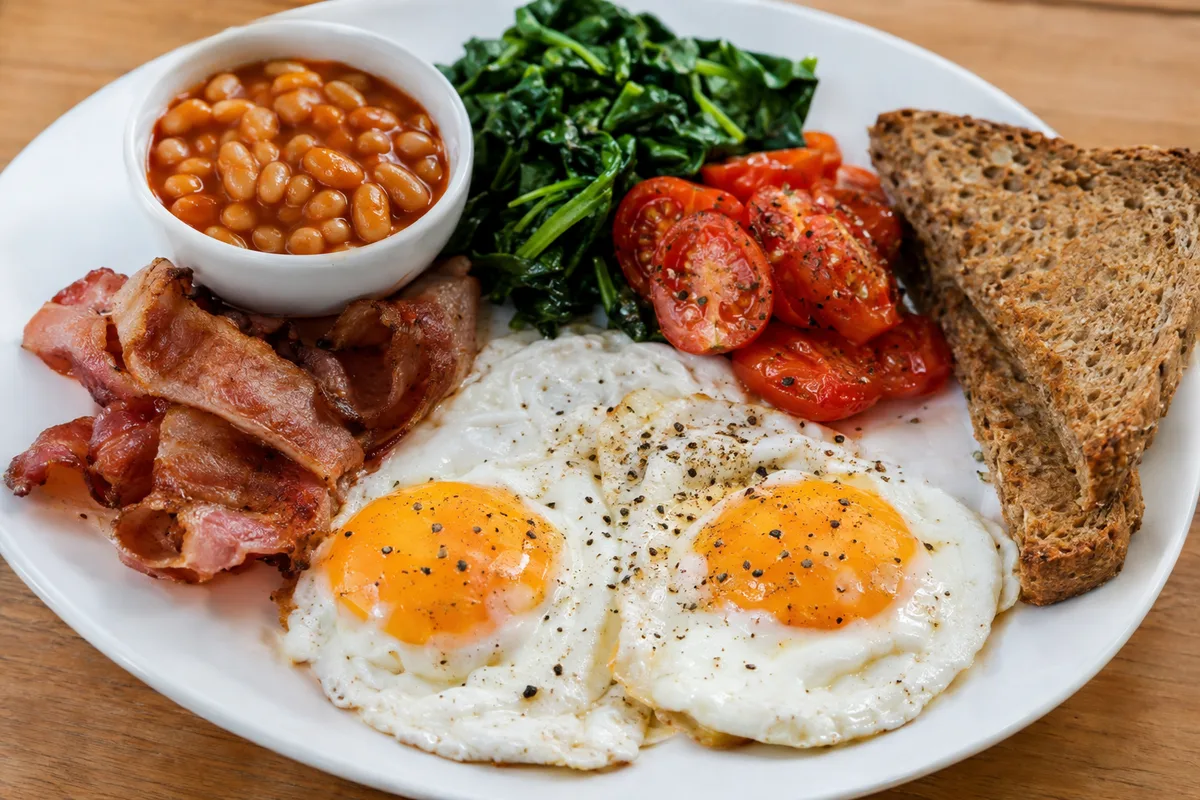
- Add a source of fibre, such as wholegrain toast, beans, vegetables or fruit
- Choose a cooking method that does not require much added fat
- Consider how often bacon appears across your week
What eggs bring to breakfast
Eggs are rich in protein, which can make breakfast feel substantial. They also contain fat and a range of vitamins and minerals. Their exact calorie content in your food log depends on their size and how they are cooked.

Boiled or poached eggs need no added cooking fat. Scrambled or fried eggs can also fit, but butter, oil, cream or cheese may change the meal more than expected. Log these additions separately if your tracking app does not include them in the recipe.
- Boiled eggs with wholegrain toast and tomatoes
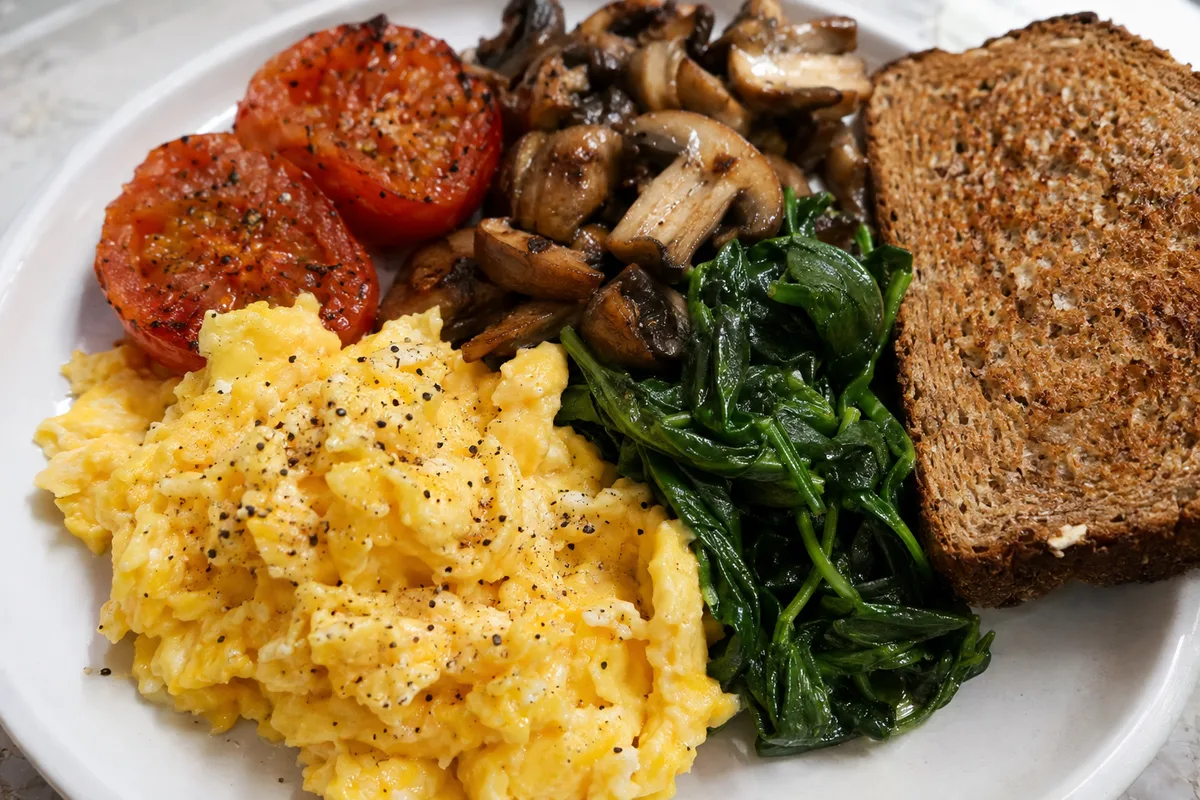
- Poached eggs with mushrooms and spinach
- Scrambled eggs with peppers and a piece of fruit
Why the bacon portion matters
Bacon offers protein and a strong savoury taste, which means a small amount can still shape the whole meal. It can also contribute a notable amount of salt and saturated fat. The amount varies by cut, brand and cooking method, so use the label or the matching entry in your tracker rather than relying on a generic estimate.
Cooking bacon until crisp may release some fat, but that does not turn it into a low-fat food. Adding oil or butter to the pan can increase the meal's energy content further. Grilling or dry-frying can limit extra cooking fat, while draining the cooked bacon removes some fat left on the surface.
- Check whether your log entry refers to cooked or uncooked bacon
- Match the entry to the cut and portion you actually ate
- Include any oil or butter used during cooking
- Use bacon as an accent rather than automatically filling the plate with it
The missing piece is often fibre
A basic plate of bacon and eggs contains little fibre. Fibre-rich foods add bulk, texture and variety, and they support regular digestion. Adding them can turn a protein-heavy breakfast into a more rounded meal.

Wholegrain bread, beans, vegetables and fruit are straightforward options. You do not need to add all of them at once. Choose one or two that suit your appetite and count them in your food log as part of the complete breakfast.
- Swap white toast for wholegrain toast
- Add grilled tomatoes, mushrooms or spinach
- Serve a spoonful of beans alongside the eggs
- Have fresh fruit with or after breakfast
Watch the extras around the plate
The nutritional balance of this breakfast often changes through the extras rather than the eggs themselves. Buttered toast, creamy sauces, fried bread and large servings of cheese can add more energy, salt or saturated fat. None needs to be forbidden, but logging each part gives you a clearer picture.
Drinks count too. A plain hot drink contributes very differently from one made with sweetened syrups or generous additions. Record what you actually have rather than what the standard meal entry assumes.
- Log toast and its spread separately
- Measure cooking oil before it reaches the pan
- Add sauces and cheese as individual entries
- Include milk, sugar and other drink additions
How to make your usual breakfast more balanced
Start with the breakfast you already enjoy and change one feature at a time. You might reduce the bacon portion, add vegetables or choose wholegrain toast. Small adjustments are often easier to repeat than replacing the entire meal.
Use your food log to compare versions of the breakfast, paying attention to protein, fibre, saturated fat and salt as well as total energy. The right portion depends on your appetite, goals and the rest of your day. A balanced version keeps the familiar bacon-and-egg flavour while giving more space to plant foods.
- Make eggs the centre of the meal and bacon the flavouring
- Fill part of the plate with tomatoes, mushrooms, spinach or beans
- Choose wholegrain toast when you want bread
- Use little or no added cooking fat
- Vary breakfast across the week rather than relying on the same plate every day