
Is Butter Bad for You? What Matters When You Track It
Butter is rich, energy-dense and high in saturated fat, so it is worth tracking with care. This guide explains how to judge your intake, compare alternatives and use butter without labelling it simply good or bad.
Butter is not simply good or bad
Butter is a dairy fat that adds flavour, richness and texture to food. Whether it suits your diet depends on how much you use, how often you eat it and what the rest of your meals look like. A small amount stirred into vegetables is different from using generous amounts at several meals each day.
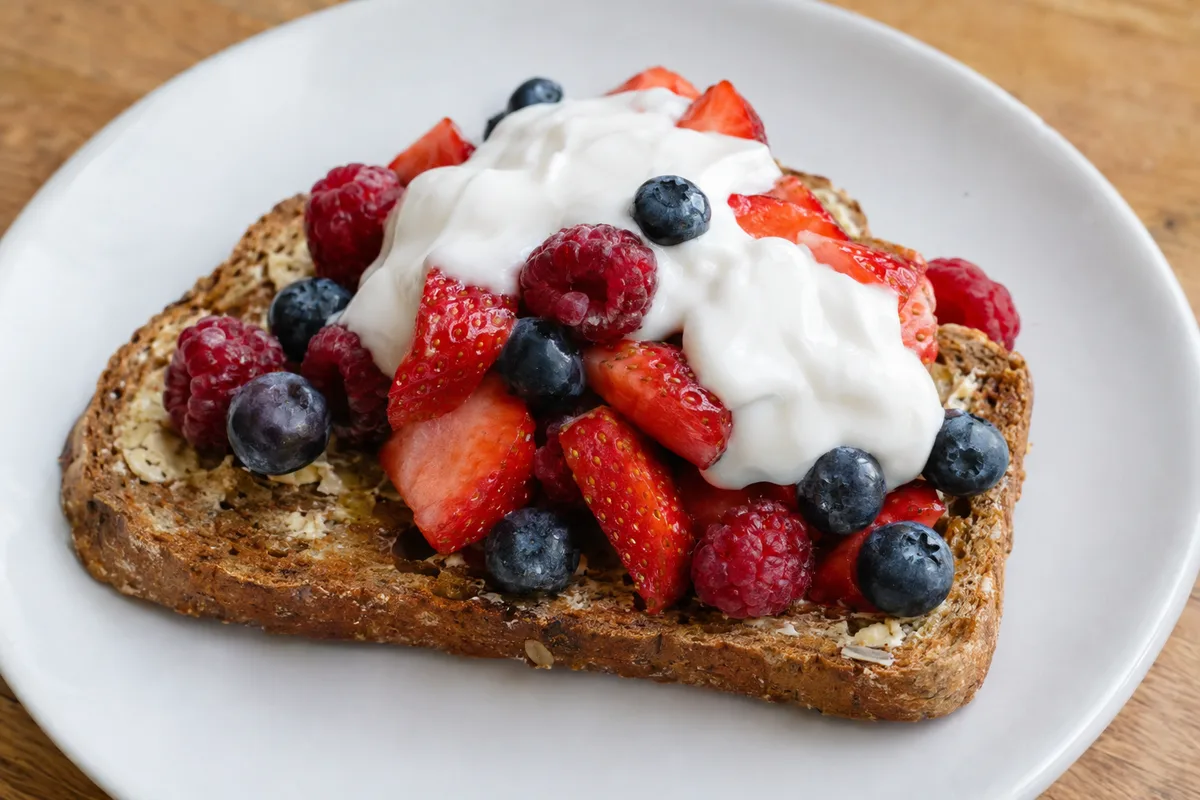
No single food decides the quality of your overall diet. Butter can sit alongside vegetables, wholegrains, beans, fruit and varied protein sources, or it can be part of a pattern that is low in fibre and less varied. Looking at that wider pattern gives you more useful information than treating butter as automatically harmful or healthy.
- Consider the amount used, not just whether butter appears in the meal
- Look at how often it features across the week
- Notice whether it replaces or accompanies other fats
- Check whether the overall meal includes fibre-rich foods
Why saturated fat matters
Most of the fat in butter is saturated fat. Regularly eating more saturated fat than dietary guidance recommends can raise blood cholesterol, which is why guidance generally advises limiting it. This does not mean that every meal containing butter is a problem.
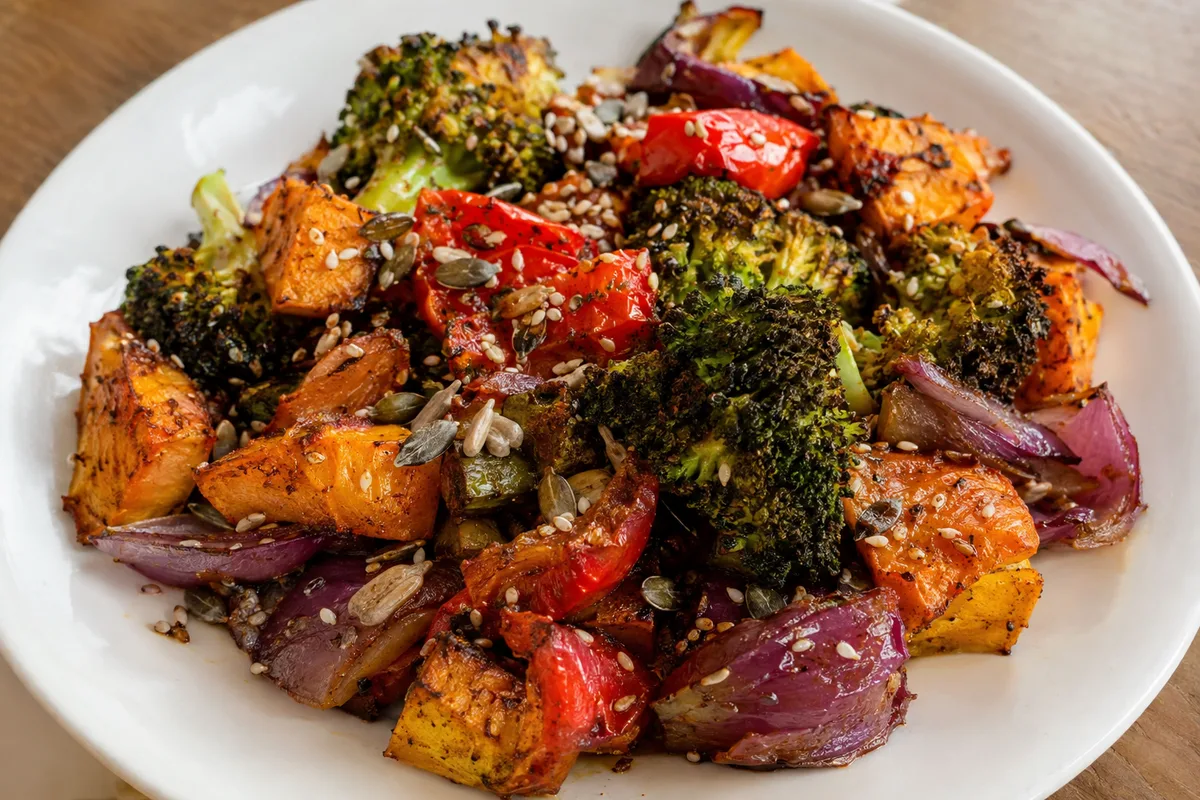
The practical question is what butter replaces and how it fits into your usual intake. Using less butter and more foods rich in unsaturated fat can improve the balance of fats in your diet. Olive oil, rapeseed oil, nuts, seeds and avocado are common sources of unsaturated fat.
- Use olive or rapeseed oil for some cooking
- Add nuts or seeds to meals where their texture works
- Choose avocado as an occasional creamy topping
- Keep butter for dishes where its flavour makes a noticeable difference
Butter is easy to undercount
Fat provides about 9 kcal per gram, so butter contains a lot of energy in a relatively small amount. A thin scrape and a thick layer may look similar once they melt into toast or a hot pan. This makes butter easy to miss or underestimate in a food diary.
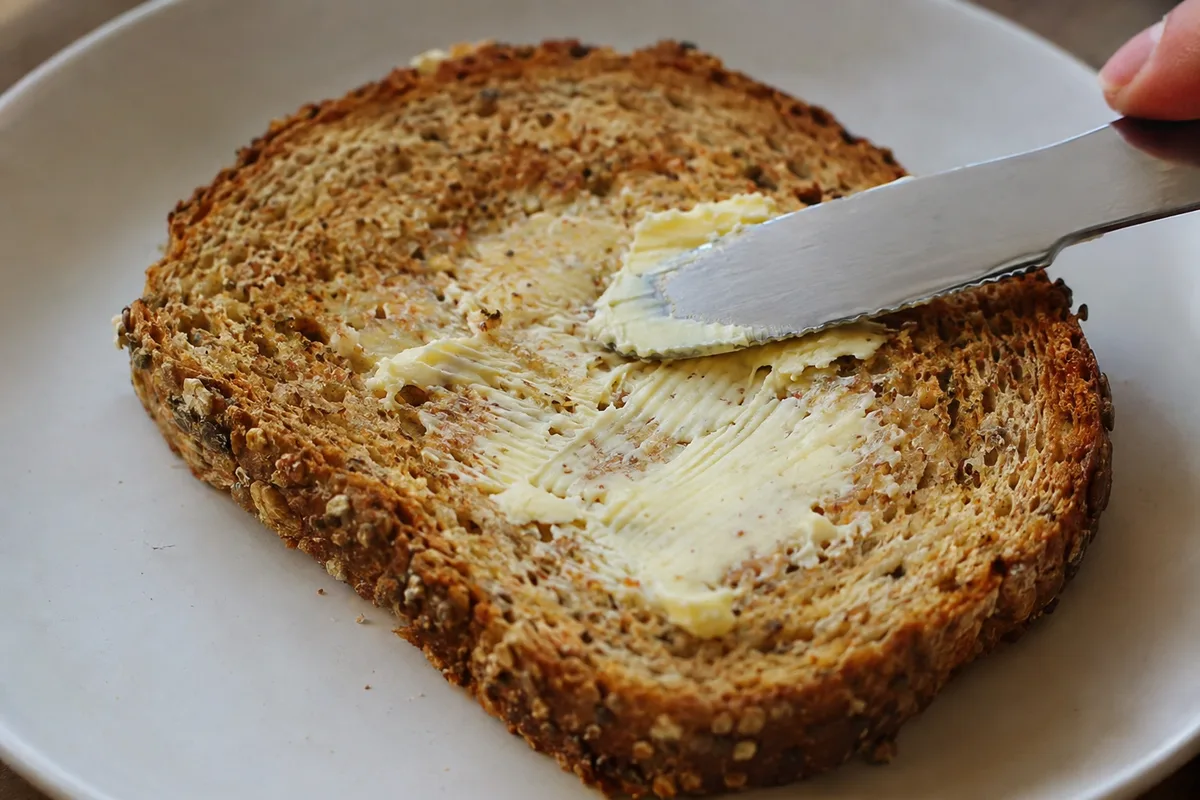
When tracking, record butter added during cooking as well as butter spread at the table. If several portions are cooked together, divide the amount between the servings as accurately as you reasonably can. The right serving depends on your meal, appetite and goals, rather than one fixed number for everyone.
Accuracy does not need to become perfection. Using the same spoon, knife or visual reference each time can make your entries more consistent. Consistency helps you spot patterns even when every entry is not exact.
- Log butter used to fry or finish food
- Include butter added to sauces, mash and baking
- Divide shared cooking amounts between portions
- Save a usual serving in your food log if you use one regularly
Butter compared with spreads and oils
Butter is not always interchangeable with every spread or oil. Products differ in saturated fat, unsaturated fat, salt, water content, flavour and how they behave during cooking. Read the nutrition label rather than relying on words such as natural, light or traditional.
A soft spread made mainly with vegetable oils will often contain more unsaturated fat than butter, although recipes vary. Liquid oils can work well for roasting, dressings and gentle frying, while butter may be chosen for flavour or a particular baking result. The best option depends on the job and on your wider eating pattern.
Replacing butter only helps if the alternative serves your needs. A large pour of oil can add substantial energy even when its fat profile differs from butter. Track the amount of either choice if energy intake is relevant to your goal.
- For toast, compare butter with a vegetable-oil spread
- For roasting, consider a measured amount of olive or rapeseed oil
- For sauces, use butter where its flavour is central and less where it is not
- For baking, follow the recipe because changing the fat can alter the result
Ways to use less without losing flavour
If you enjoy butter, you do not have to remove it completely to reduce your intake. Using it where you can actually taste it often feels more satisfying than adding it automatically. Strong flavours, moisture and good cooking methods can also make a smaller amount go further.
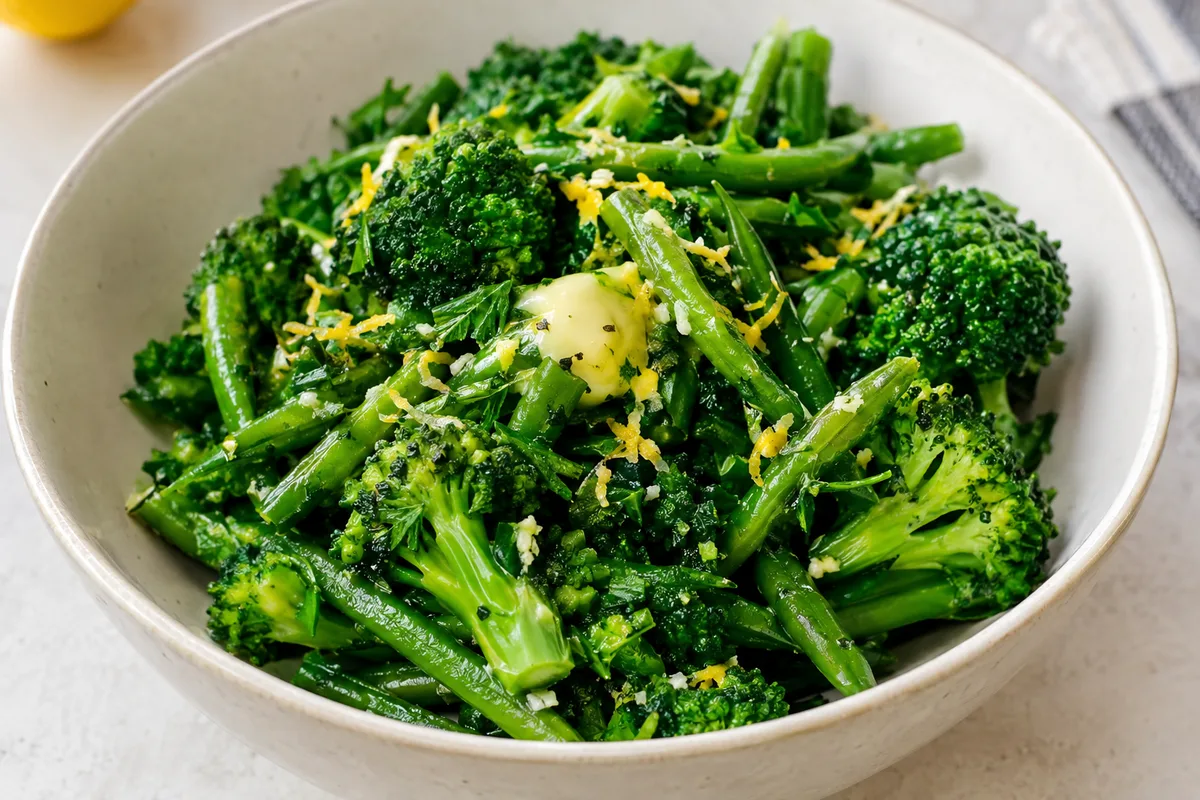
On bread, spread butter while the surface is warm so it softens and covers more evenly. In vegetables, add herbs, spices, citrus or black pepper so butter is not doing all the flavour work. In a pan, a little oil may handle the cooking while a small amount of butter added near the end provides its characteristic taste.
- Spread butter thinly on warm toast
- Finish vegetables with lemon, herbs or spices
- Add butter at the end of cooking for a more noticeable flavour
- Use moist fillings so sandwiches need less spread
- Choose either butter or another rich topping rather than layering both
How to decide what works for you
Review your food log over several days rather than judging one meal. Look for repeated sources of saturated fat, including butter, rich sauces, pastries and some snack foods. If butter is a frequent addition, reducing the amount or swapping it in selected meals may be a useful change.
Also check what the butter accompanies. Butter on wholegrain toast with fruit sits in a different overall meal from butter added to a meal already rich in several fats and low in fibre. The aim is not to earn butter with healthier foods, but to understand the complete picture.
Butter can be included in a varied diet, but it is best treated as a concentrated fat rather than a food to use without thought. Track it honestly, compare it with suitable alternatives and decide where its flavour is most valuable to you. Your preferred amount will depend on your usual diet, energy needs and personal goals.
- Review patterns across several days
- Identify meals where butter is added by habit
- Try one practical swap at a time
- Keep butter in the meals where you value it most