
Is corn gluten-free? What to check before you log it
Corn, also called maize, does not naturally contain the type of gluten found in wheat, barley and rye. This guide explains which corn foods are straightforward, where gluten can enter, and what to record in your food log.
Plain corn is naturally gluten-free
Corn is naturally gluten-free, whether it is fresh, frozen, dried or canned. This includes sweetcorn, corn on the cob and plain popcorn kernels. The natural proteins in corn are different from the gluten found in wheat, barley and rye.
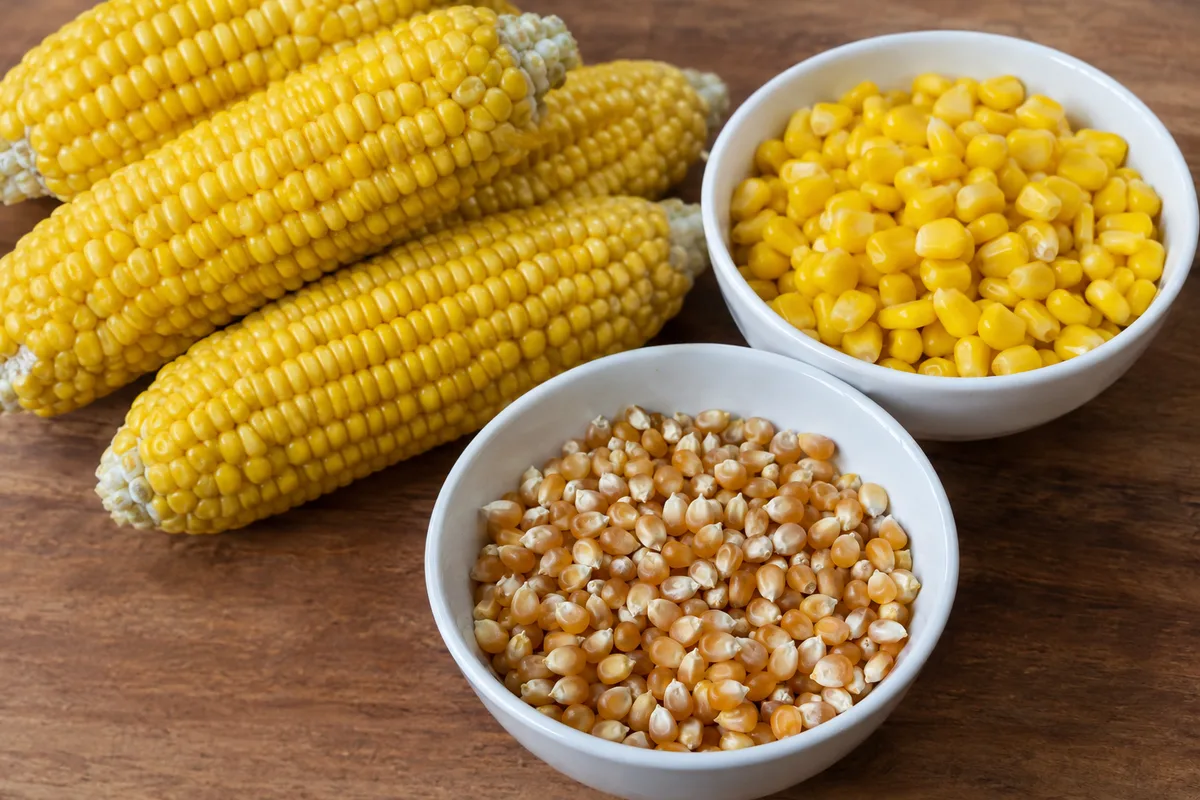
Preparation still matters because other ingredients may be added before the corn reaches your plate. Butter, oil and simple herbs do not usually add gluten, but sauces, seasoning blends and crumb coatings might. When tracking a meal, log the finished food rather than assuming every corn dish is the same.
- Fresh corn on the cob
- Plain frozen sweetcorn
- Canned sweetcorn without added sauce
- Plain popcorn kernels
- Dried maize or cornmeal
Corn products need a closer look
Many basic corn ingredients are gluten-free, including maize flour, cornmeal and pure corn starch. However, names can vary between countries and brands. In Britain, cornflour usually means the fine starch used to thicken sauces, while some recipes from elsewhere use the term for finely milled whole corn.
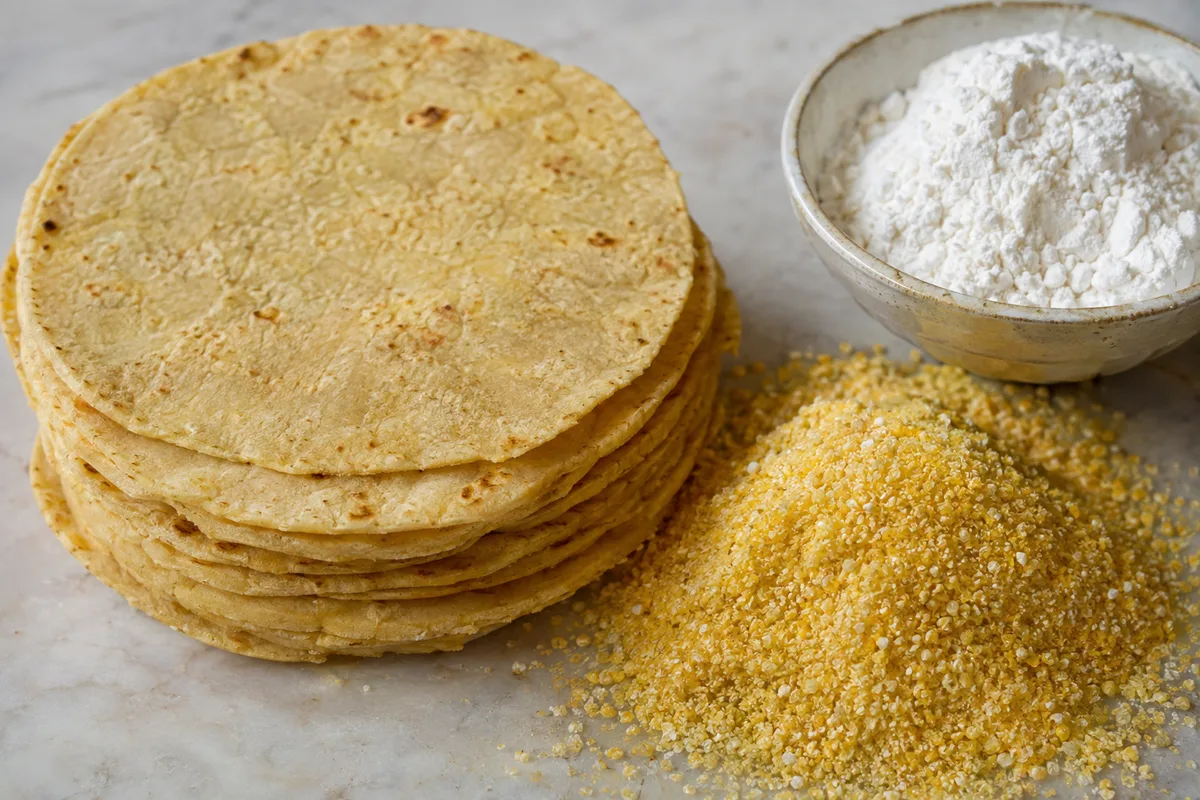
A corn-based food is not automatically gluten-free just because corn is its main ingredient. Tortillas, breakfast cereals, snack foods and baked goods may also contain wheat, barley or flavourings made from gluten-containing ingredients. Check the full ingredient list rather than relying on the product name or front of the packet.
- Choose tortillas that list only suitable corn-based ingredients
- Check cereals for malt or barley ingredients
- Check corn snacks for flour in coatings and flavourings
- Confirm that baking mixes do not combine maize flour with wheat flour
What does corn gluten mean?
The phrase “corn gluten” can sound confusing. It is commonly used for a group of proteins left after corn has been processed, but these proteins are not the same as wheat, barley or rye gluten. The name does not mean that plain corn contains the gluten usually avoided in a gluten-free diet.
Corn gluten meal is more often found in animal feed and other specialist uses than in everyday home cooking. If it appears on an ingredient list, the term alone does not indicate wheat-type gluten. You should still check the rest of the product because other ingredients or manufacturing steps may introduce it.
Where gluten can enter a corn dish
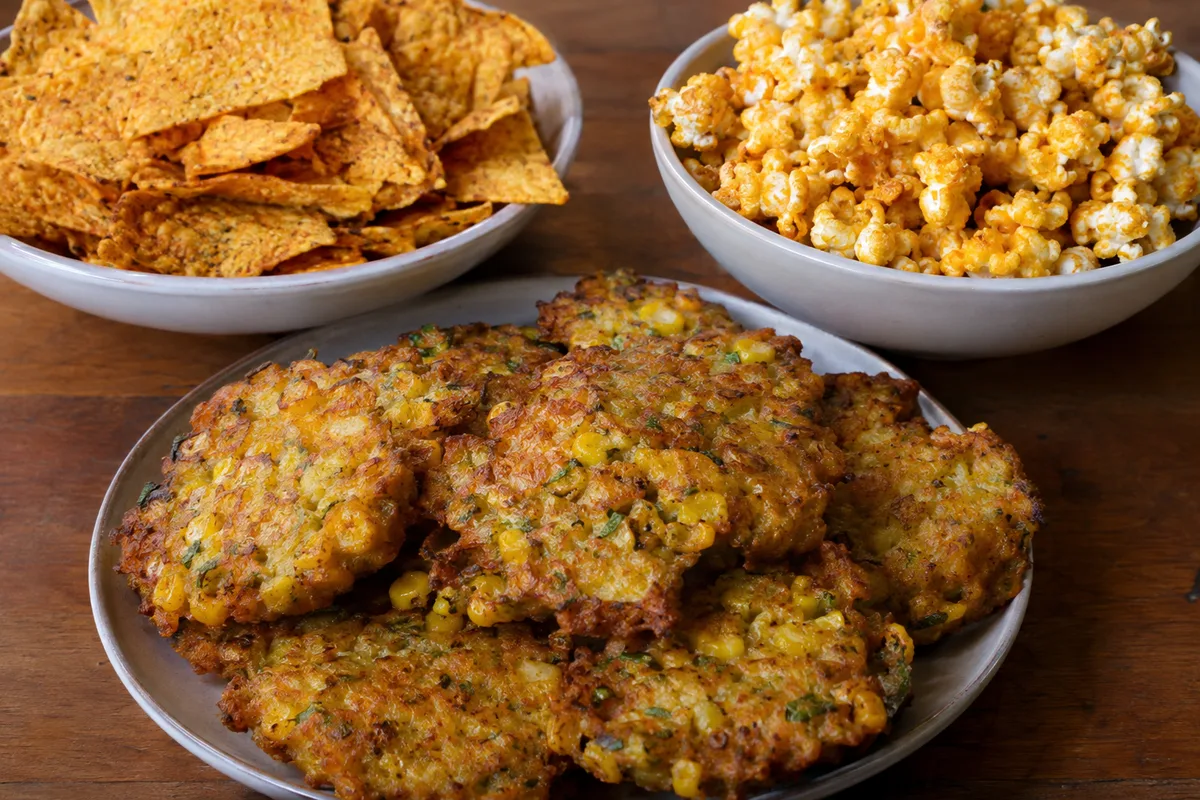
Gluten can be added through recipes, coatings or shared preparation. Corn fritters may contain wheat flour, corn chips may have complex seasonings, and popcorn can come with flavour coatings. Restaurant dishes can also be prepared on surfaces or in oil used for breaded foods.
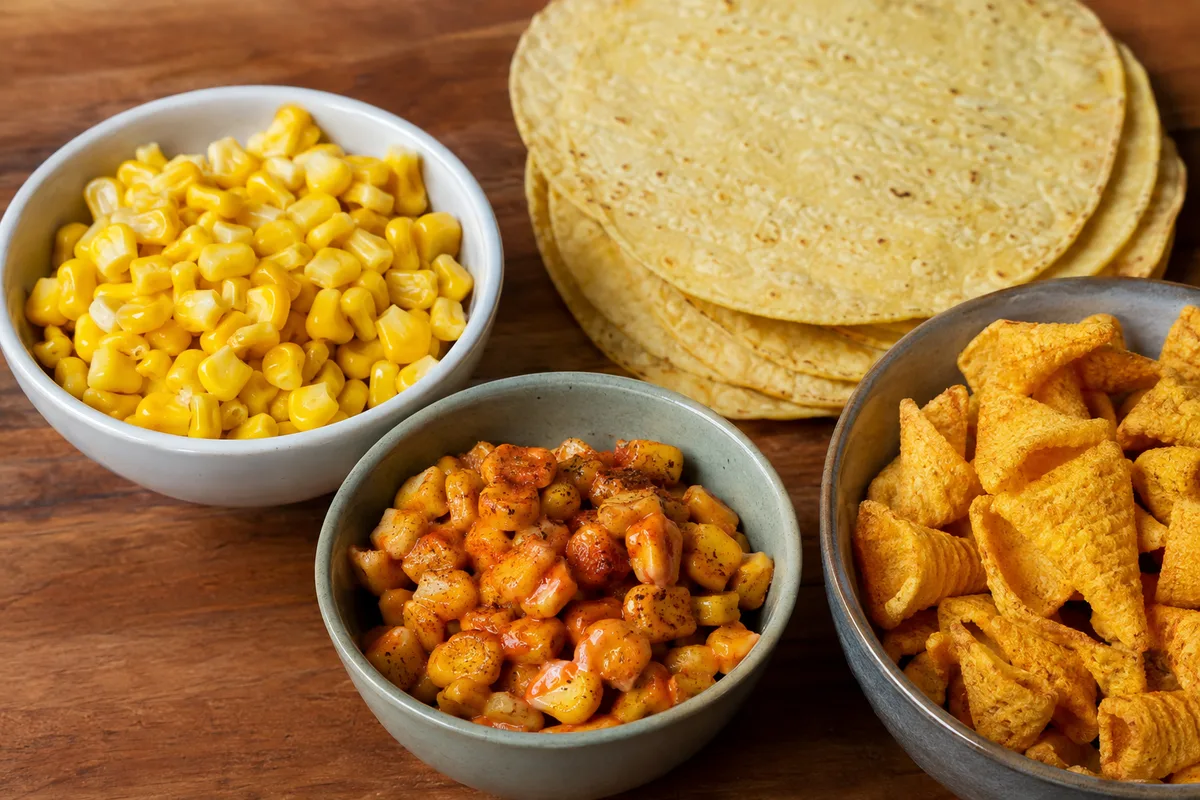
Shared equipment matters when you need to avoid even small traces. A naturally gluten-free corn tortilla may be warmed on the same surface as a flour tortilla, while corn chips may share frying oil with coated foods. Ask how the food was prepared when the menu does not give enough detail.
- Flour added to fritters, breads or batters
- Wheat-based crumbs on coated corn
- Barley-derived malt in cereals or flavourings
- Shared fryers, grills, utensils or preparation surfaces
- Seasoning blends with unclear ingredients
How to check labels and track corn foods
Start with the ingredient list and any allergen information on the pack. Look for wheat, barley and rye, as well as ingredients such as malt when its source is not suitable. A clear gluten-free statement can provide extra reassurance when strict avoidance is important.
In your food log, record the form of corn and any additions. For example, log plain sweetcorn differently from sweetcorn in sauce, and record the exact cereal, tortilla or snack rather than entering only “corn”. This keeps the nutrition entry closer to what you actually ate because added oil, cheese, sauces and coatings can change the overall meal.
If a label or restaurant description remains unclear, choose an option with ingredients and preparation you can confirm. Advice may differ according to how strictly you need to avoid gluten. A qualified healthcare professional can help you decide what level of label and cross-contact checking is appropriate for you.
- Note whether the corn was fresh, canned, frozen or dried
- Record sauces, toppings, oil and seasonings separately when needed
- Use the exact packaged product entry where possible
- Save preparation notes for restaurant or homemade dishes