
Are Corn Flakes Gluten Free? What to Check Before Eating Them
Corn flakes are not automatically gluten free simply because they are made mainly from corn. This guide explains which ingredients and label details matter, and how to record the right product in your food tracker.
The short answer
Corn itself is naturally gluten free, but that does not mean every box of corn flakes is suitable for a gluten-free diet. Manufacturers may add ingredients that contain gluten or make the cereal alongside other grains. The answer therefore depends on the exact product and how it is produced.
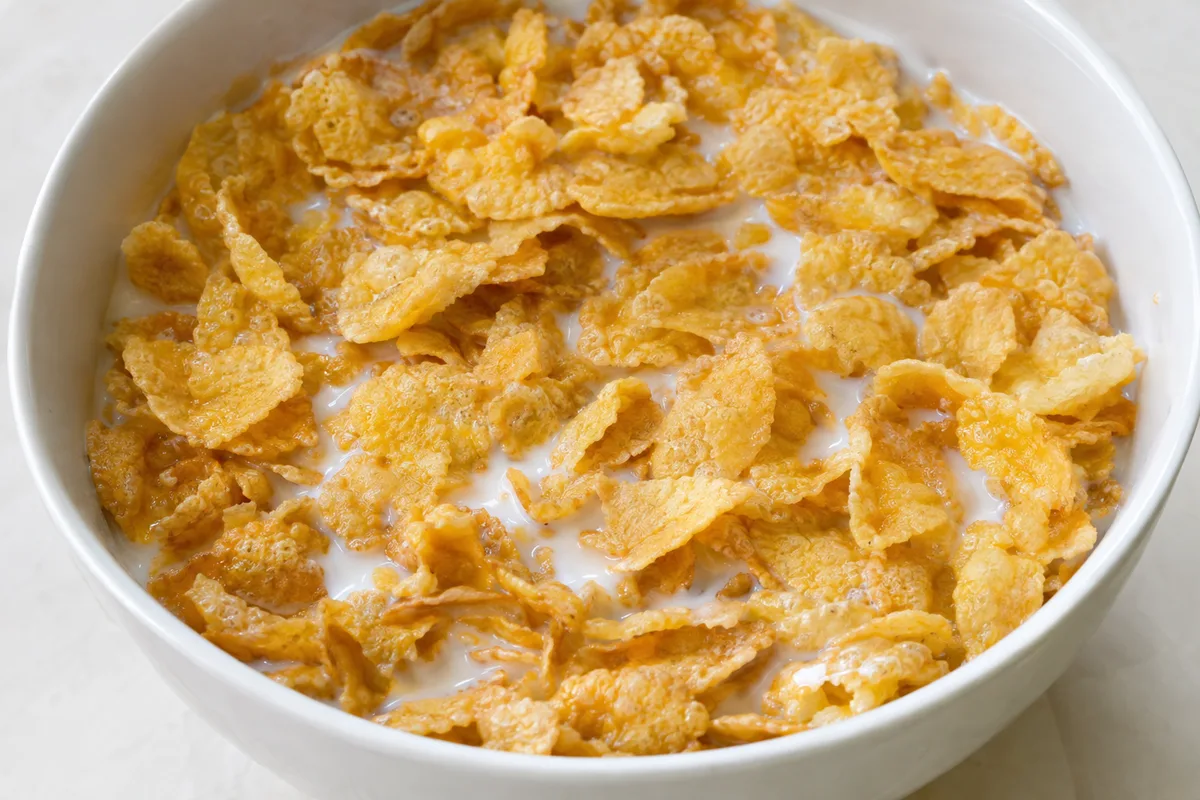
Some corn flakes are specifically made and labelled as gluten free, while others are not. Similar-looking cereals can have different recipes, even when corn is the main ingredient in each one. Check the current packaging rather than relying on the product name or appearance.
Why malt matters
Malt is a common reason why corn flakes may not be gluten free. It can add sweetness, colour and a toasted flavour to the cereal. Malt used in breakfast cereal is often made from barley, which contains gluten.
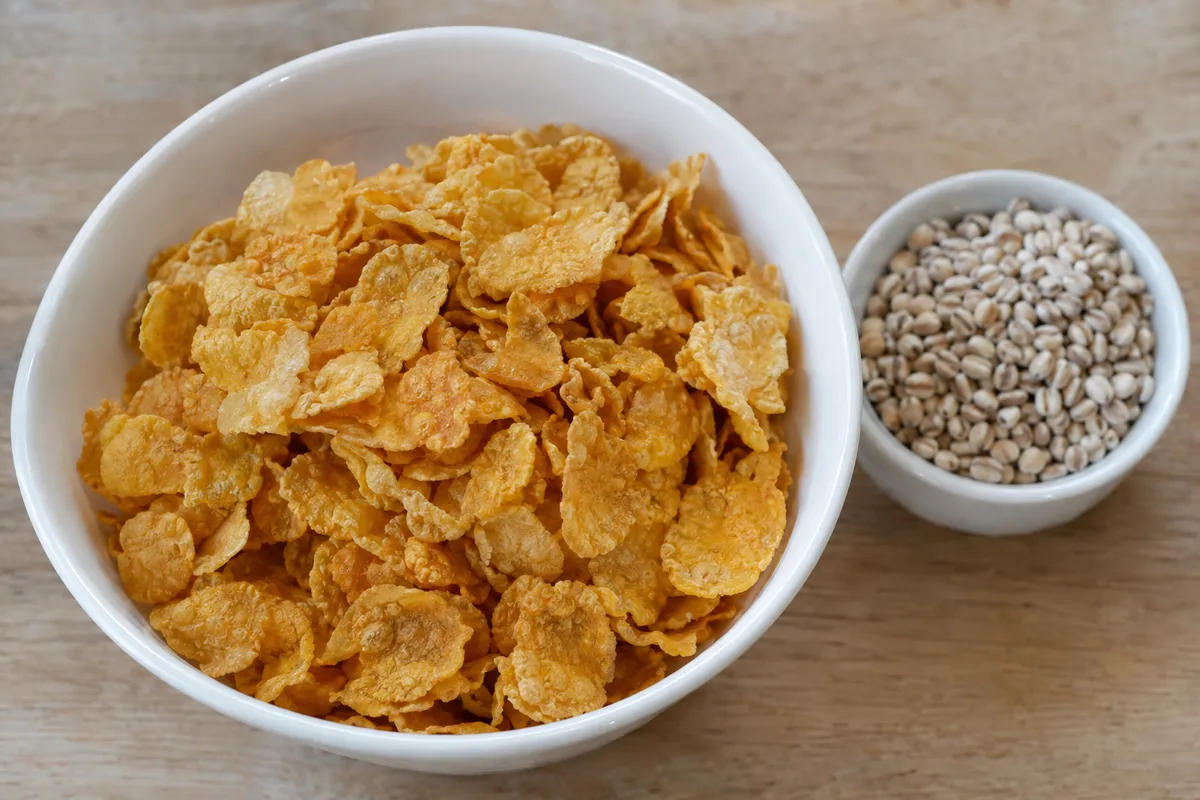
The ingredient may appear as barley malt extract, malt extract or malt flavouring. Do not assume that a small-looking place in the ingredients list makes it suitable. If you need to avoid gluten strictly, look for a clear gluten-free statement as well as checking the ingredients.
- Barley malt extract
- Malt extract made from barley
- Barley malt flavouring
- Other wheat, barley or rye ingredients
Gluten can also enter during production
A recipe can appear to contain only gluten-free ingredients but still be exposed to gluten during processing. This can happen when grains share storage areas, transport, machinery or packing lines. The manufacturer controls and tests these risks, so they cannot be judged from the cereal itself.
A gluten-free claim indicates that the finished product has been made to meet the relevant standard. A precautionary warning, such as a statement about possible traces of gluten-containing grains, signals a production risk. When strict avoidance is important, the information on the pack should guide your choice.
- Shared grain storage
- Shared production machinery
- Shared packing lines
- Airborne flour or cereal dust
How to read the cereal label
Begin with the product name and any gluten-free claim on the front or back of the pack. Then read the full ingredients list, paying particular attention to barley, wheat, rye and malt. Allergen emphasis can make some ingredients easier to spot, but it is still worth reading the whole list.
Next, check the precautionary statement near the ingredients. Recipes and manufacturing arrangements can change, so repeat this check when opening a new pack. If the wording is unclear, use the manufacturer's current product information rather than guessing.
- Look for an explicit gluten-free statement
- Read the complete ingredients list
- Check what grain any malt comes from
- Review precautionary warnings
- Check again when the packaging or recipe changes
Recording corn flakes in your food tracker
Choose the entry that matches the exact cereal rather than a general corn flakes entry where possible. Different products may contain different amounts of sugar, salt, fibre and added vitamins or minerals. The gluten-free label does not tell you whether two cereals have the same nutrition.
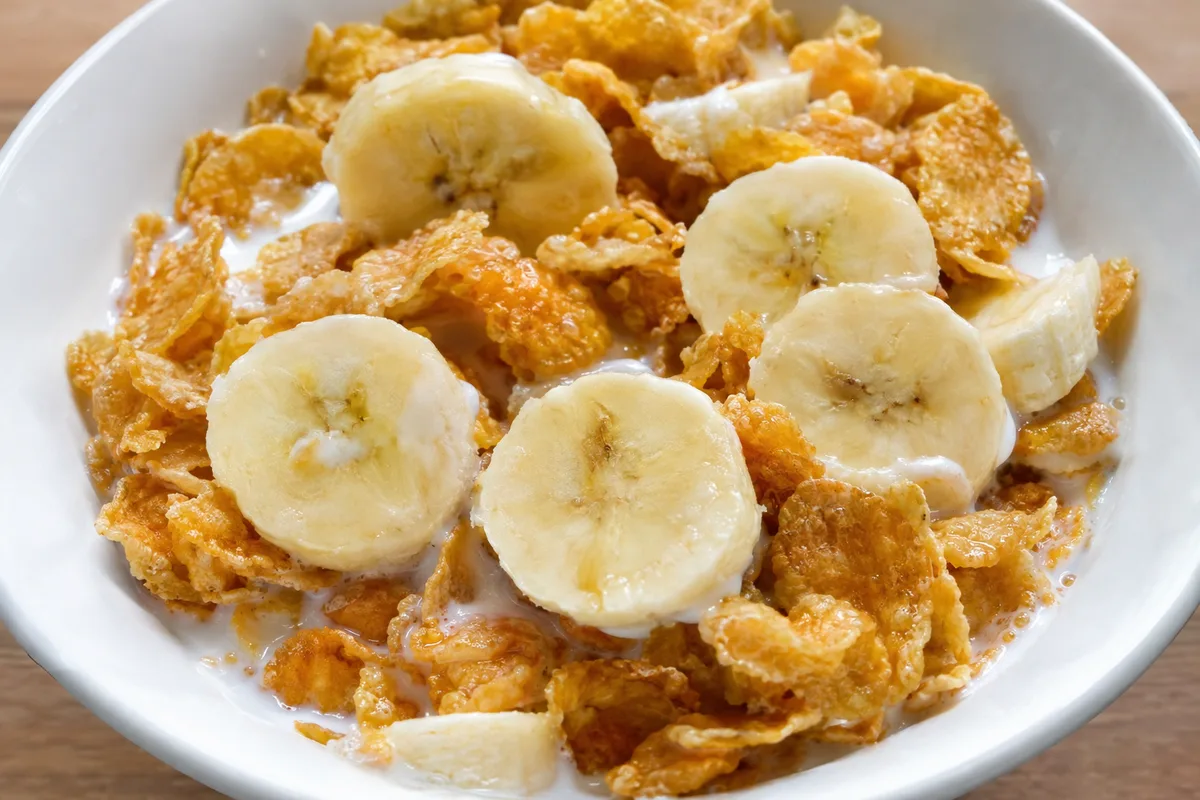
Record the portion you actually ate and include milk, yoghurt, fruit or other toppings separately. If you switch brands, check the label and update the saved food in your tracker. This keeps both the ingredient information and nutrient record closer to what was in your bowl.
- Match the brand and product variety
- Use the serving amount shown on your pack as a reference
- Adjust the entry to the amount eaten
- Log milk and toppings separately
- Replace saved entries when the recipe changes
Choosing a suitable breakfast cereal
A gluten-free label is more useful than assuming that any corn-based cereal is suitable. The same principle applies to cereals made mainly from rice or other naturally gluten-free foods. Added flavourings and production methods still need to be checked.
Gluten-free also describes only the gluten content; it is not a complete measure of nutritional quality. Compare the nutrition panel for the features that matter to your goals, such as fibre, sugar, salt and serving size. Your preferred balance will depend on the rest of your diet and what you enjoy eating.
- Confirm the gluten-free claim
- Check for barley malt and other gluten-containing grains
- Compare fibre, sugar and salt between suitable options
- Choose a portion that fits your usual meal