
What Does an Ideal Breakfast Look Like?
The ideal breakfast is not a fixed menu or calorie target. It is a meal that fits your morning, supports your overall goals and keeps you comfortably satisfied.
Start with your own morning
Before planning breakfast, notice when you feel hungry and what your day involves. An early workout, a long commute and a quiet morning at home may each call for something different.
Use your food log to look for patterns rather than judging one meal in isolation. If breakfast leaves you hungry soon afterwards or feels too heavy, adjust its size or mix of foods and observe what changes.
Build a balanced base
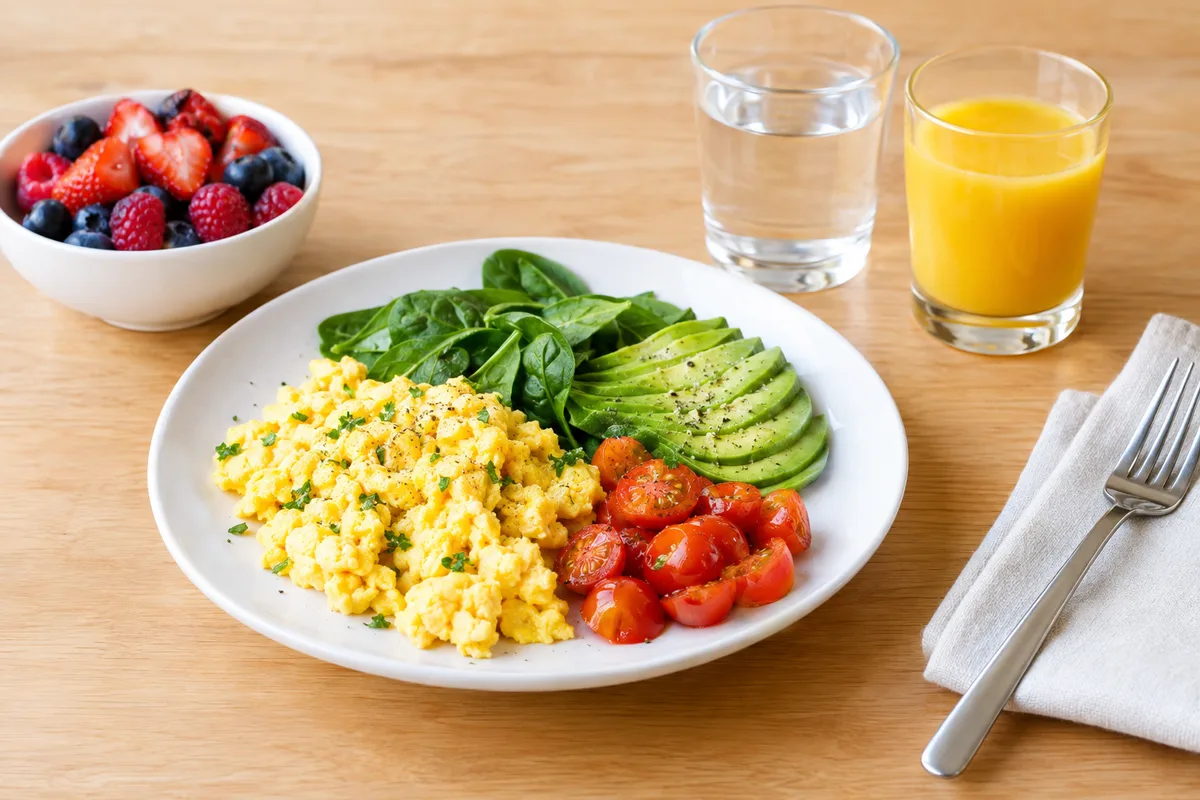
A useful starting point is to combine a source of protein with a fibre-rich carbohydrate and some fat. This could mean choosing familiar foods from those groups rather than following a rigid breakfast rule.
Protein and fibre can help make a meal feel substantial, while carbohydrate provides accessible energy and fat adds richness and staying power. The ideal amounts depend on your appetite, activity and targets for the rest of the day.
Make it fit the whole day
Breakfast does not need to provide every nutrient at once. When you track it, consider how it works alongside lunch, dinner and snacks, then use later meals to fill any obvious gaps.
A larger breakfast may suit a busy morning, while a smaller one may work when lunch comes early. Your preferred meal timing matters more than copying somebody else's routine.
Keep the plan practical
An ideal breakfast must also be realistic on ordinary days. Think about preparation time, portability and whether you genuinely enjoy eating it, because a complicated plan is harder to repeat.
Save a few breakfast combinations in your tracker so logging takes less effort. Review them occasionally as your schedule, appetite or goals change, and treat the best choice as flexible rather than permanent.