
How Intermittent Fasting Can Affect Your Bowel Habits
Changing when you eat can also change the timing, frequency and consistency of your poo. This guide explains what may happen, what to track and when a change deserves attention.
Why meal timing can change when you poo
Your digestive system responds whenever food enters your stomach. Eating can prompt the bowel to move, which is why you may often need the toilet after a meal. If intermittent fasting removes or delays a usual meal, that familiar prompt may also move to a different time.

You may poo less often simply because you are eating less food overall during a fasting routine. There can be less material moving through the bowel, even when the foods you eat have not changed. How noticeable this is depends on your usual meal pattern, portion sizes and fasting schedule.
A change in frequency is not automatically a problem. Comfort, stool consistency and whether you need to strain can be more useful than comparing your routine with somebody else's. Your body may also take time to settle into a new eating pattern.
- A later first meal may lead to a later toilet visit
- Skipping a usual meal may remove a familiar bowel prompt
- Larger meals may create a stronger urge to go
- Eating less overall may mean less frequent pooing
Constipation and harder stools
Some fasting routines can make stools harder or more difficult to pass. This is often connected with what happens during the eating window rather than fasting alone. Eating less fibre, drinking less fluid or sitting for long periods can all contribute.
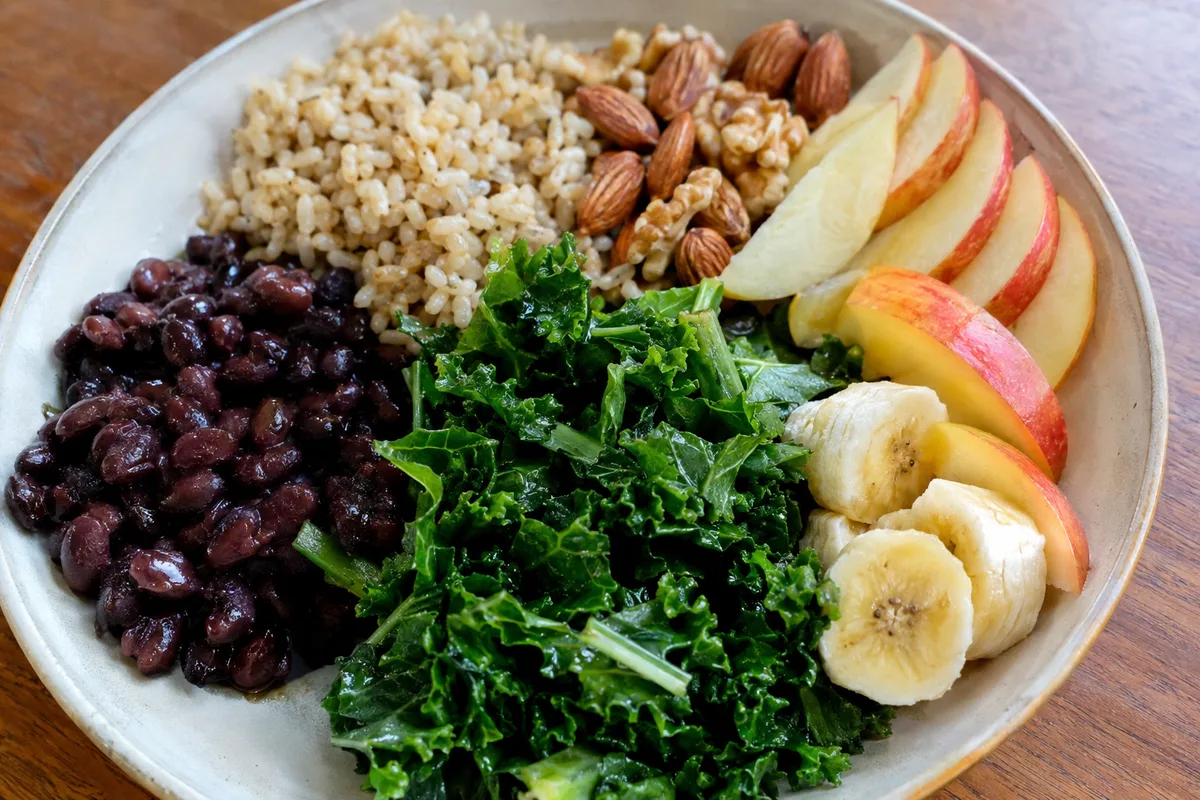
It can be easy to focus on fitting enough energy and protein into fewer meals while overlooking fibre-rich foods. Large portions of low-fibre foods may leave less room for vegetables, fruit, beans and wholegrains. Increasing fibre suddenly can also cause wind or discomfort, so gradual changes are usually easier to tolerate.
Fluids matter because fibre holds water and helps stools stay softer. Whether drinks are included during a fast depends on the fasting approach you follow, but your body still needs adequate fluid across the day. Thirst, activity, weather and the foods you eat all affect how much you may need.
- Include vegetables or salad with main meals
- Choose wholegrain bread, oats, brown rice or other wholegrains
- Add beans, lentils, nuts or seeds where they suit the meal
- Eat fruit rather than relying only on low-fibre snacks
- Spread suitable drinks across the times you allow them
Loose stools and urgency after fasting
Some people notice a sudden urge to poo after breaking a fast. A large meal can create a stronger digestive response than a smaller one, particularly if it is eaten quickly. The effect can feel more obvious when the first meal contains a lot of fat, spice or caffeine.
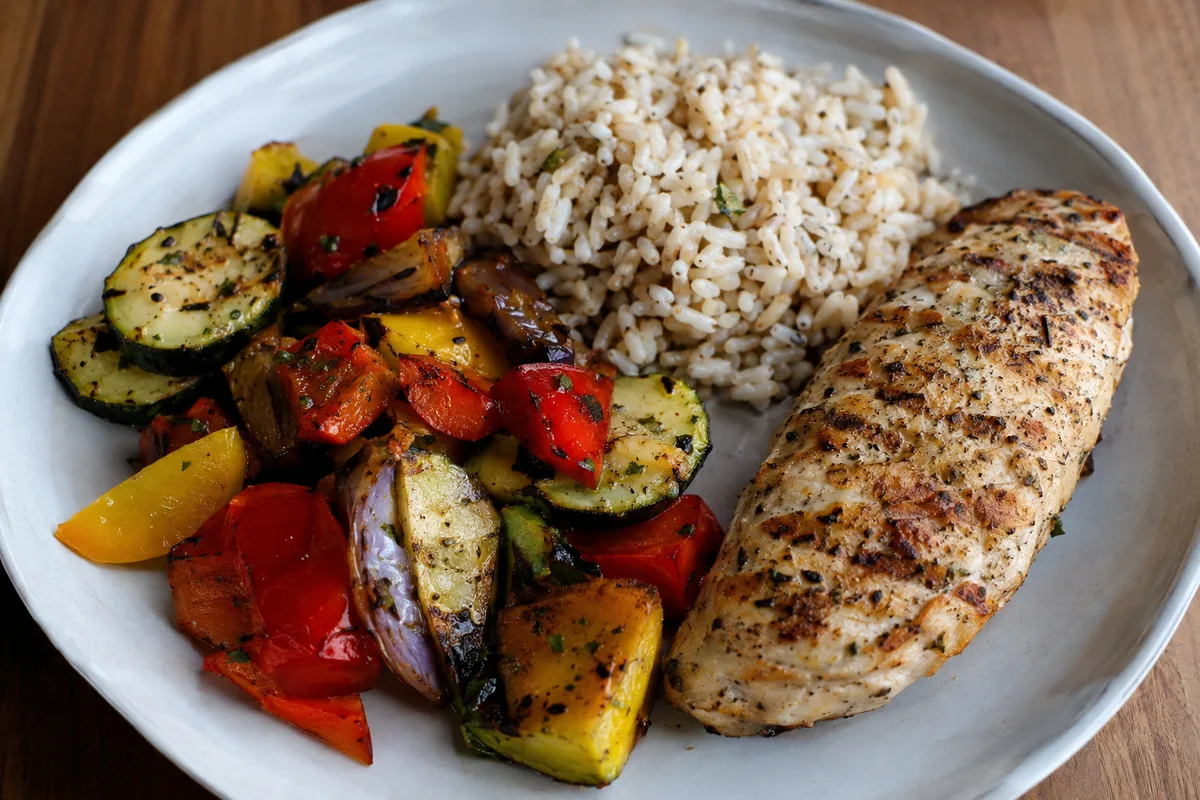
Packing most of the day's food into a short eating window may also mean several large meals close together. This can lead to fullness, wind or looser stools for some individuals. The exact response depends on the person and the foods involved.
Notice whether the change follows a particular meal rather than assuming fasting itself is the only cause. Rich takeaway meals, several coffees, large servings of dried fruit or a sudden increase in fibre may each play a part. A smaller first meal followed by another balanced meal later may feel more comfortable.
- Break the fast with a moderate portion and eat slowly
- Avoid making every first meal especially rich or greasy
- Notice whether caffeine increases urgency
- Introduce large increases in fibre gradually
- Record foods linked with repeated discomfort
How to support regular bowel movements
A steady routine can help your bowel recognise familiar cues. If possible, allow enough time to eat without rushing and visit the toilet when you feel the urge. Regular eating-window times may be easier for your digestion than frequent, unpredictable changes.

Build meals around a mix of fibre, protein, fat and fluid rather than trying to compensate with one very large meal. Chewing well and eating at a comfortable pace can reduce the strain of processing a lot of food at once. Gentle movement can also encourage normal bowel activity.
Intermittent fasting should not make it difficult to meet your everyday nutrition and hydration needs. If the eating window is so short that balanced meals feel unmanageable, the schedule may not suit you. Adjusting the timing or fasting less often can be more practical than forcing the routine.
- Keep meal and fasting times reasonably consistent
- Drink regularly when your approach allows fluids
- Take a gentle walk after eating
- Leave time for an unhurried toilet visit
- Adjust the schedule if balanced meals no longer fit comfortably
What to record and when to seek advice
Since you already track your food, add a brief note about bowel habits rather than creating a complicated new log. Record the fasting window, the first meal, drinks, stool consistency and any urgency or straining. Look for patterns across several days instead of reacting to one unusual visit.
Changes in travel, sleep, stress, activity and monthly hormonal patterns can affect bowel habits too. Include these when they are relevant so that food or fasting does not take all the blame. A simple record can help you decide whether changing meal size, fibre, fluids or timing makes a difference.
Seek advice from a qualified healthcare professional if a bowel change continues, causes significant discomfort or keeps returning. Get prompt help for blood in the stool, black stool, severe pain, repeated vomiting, fainting, marked weakness or an inability to keep fluids down. It is also sensible to ask for guidance before continuing a fasting routine if eating feels difficult or bowel symptoms are disrupting daily life.
- Fasting start and finish times
- Foods and drinks used to break the fast
- Stool consistency and ease of passing
- Pain, urgency, bloating or straining
- Relevant changes in sleep, stress, travel or activity