
Is a High-Protein Diet the Best Way to Lose Weight?
Protein may help meals feel filling and support muscle while you lose weight, but eating more is not automatically better. This guide explains how to judge your current intake and build a balanced approach that you can maintain.
Protein helps, but it does not decide the result
Weight loss happens when you regularly take in less energy than your body uses. Protein can make that easier by helping meals feel satisfying, but it does not override your total calorie intake. A high-protein day can still provide more energy than you need.
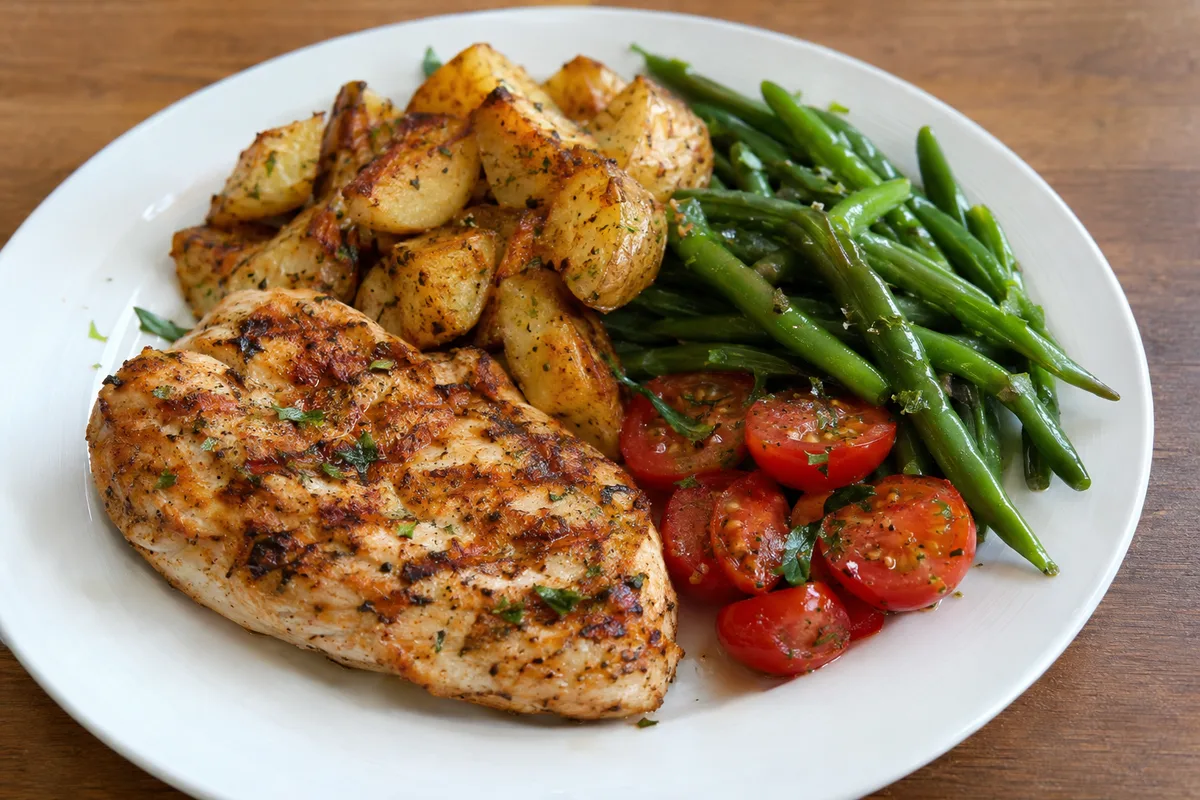
Protein supplies about 4 kcal per gram, the same textbook energy value as carbohydrate, while fat supplies about 9 kcal per gram. This does not make fat bad or protein automatically slimming. Portions, cooking methods and the rest of the meal all affect the total.
The best approach is usually one that creates a manageable calorie gap without leaving you constantly hungry or making meals difficult to enjoy. For some, a little more protein helps with that balance. Others may already eat enough and benefit more from reviewing portions, drinks, snacks or cooking fats.
- Treat protein as one part of the plan, not the whole plan
- Keep comparing your logged intake with your progress over time
- Adjust one part of your routine at a time so the effect is easier to judge
Why protein can make dieting feel easier
Protein-rich foods often make a meal feel more substantial. Including them across the day may reduce the urge to keep grazing, although appetite responses vary from person to person. This can help you follow your planned intake without relying on willpower alone.
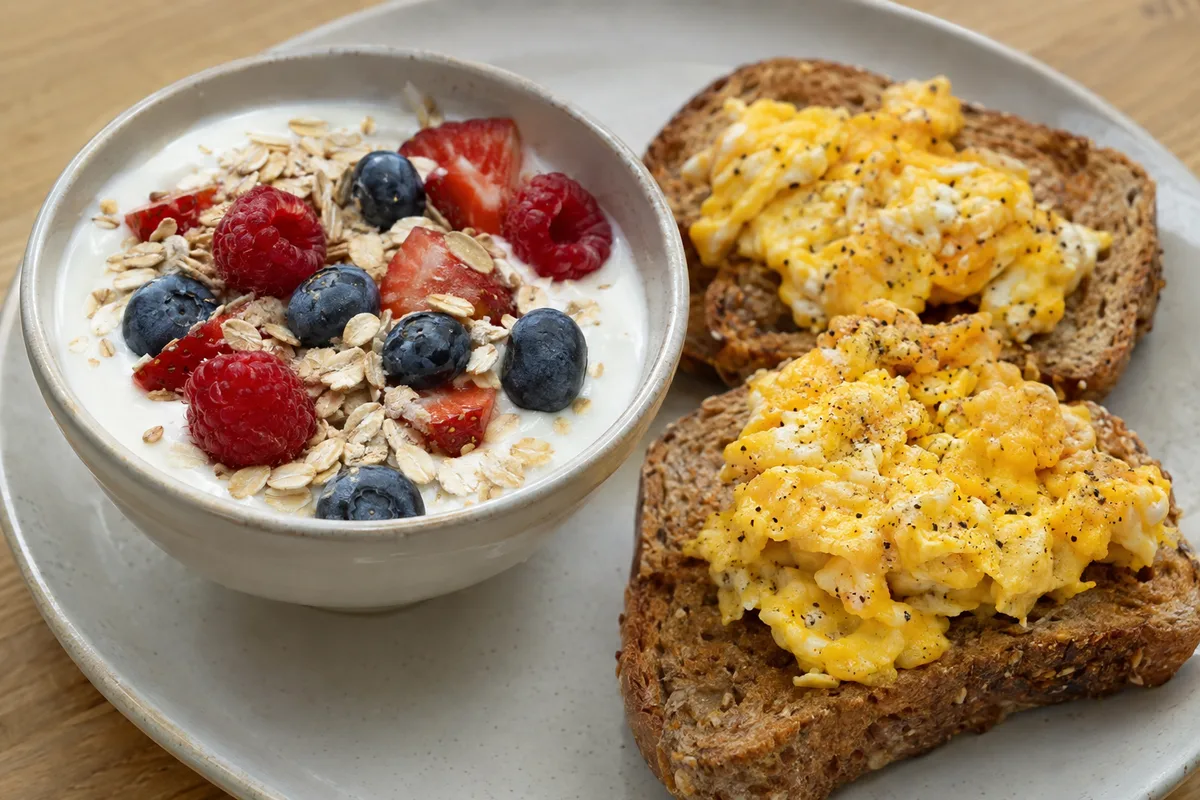
Protein also gives the body the building blocks used to maintain and repair muscle. During weight loss, keeping up regular resistance movement and eating adequate protein can support muscle retention. The amount that suits you depends on your body, activity and overall eating pattern.
More is not always more useful. Pushing protein very high can crowd out fruit, vegetables, wholegrain foods and sources of beneficial fats. A balanced diet still needs variety, fibre and enough total food to feel practical.
- Include a clear protein source at breakfast, lunch and dinner
- Notice whether protein changes how satisfied you feel between meals
- Keep fibre-rich carbohydrate and colourful vegetables on the plate
What counts as a protein-rich choice
Protein comes from both animal and plant foods. Meat, fish, eggs and dairy foods can contribute, while beans, lentils, peas, tofu and other soya foods are useful plant options. Mixing sources can make meals more varied and easier to fit around your preferences.
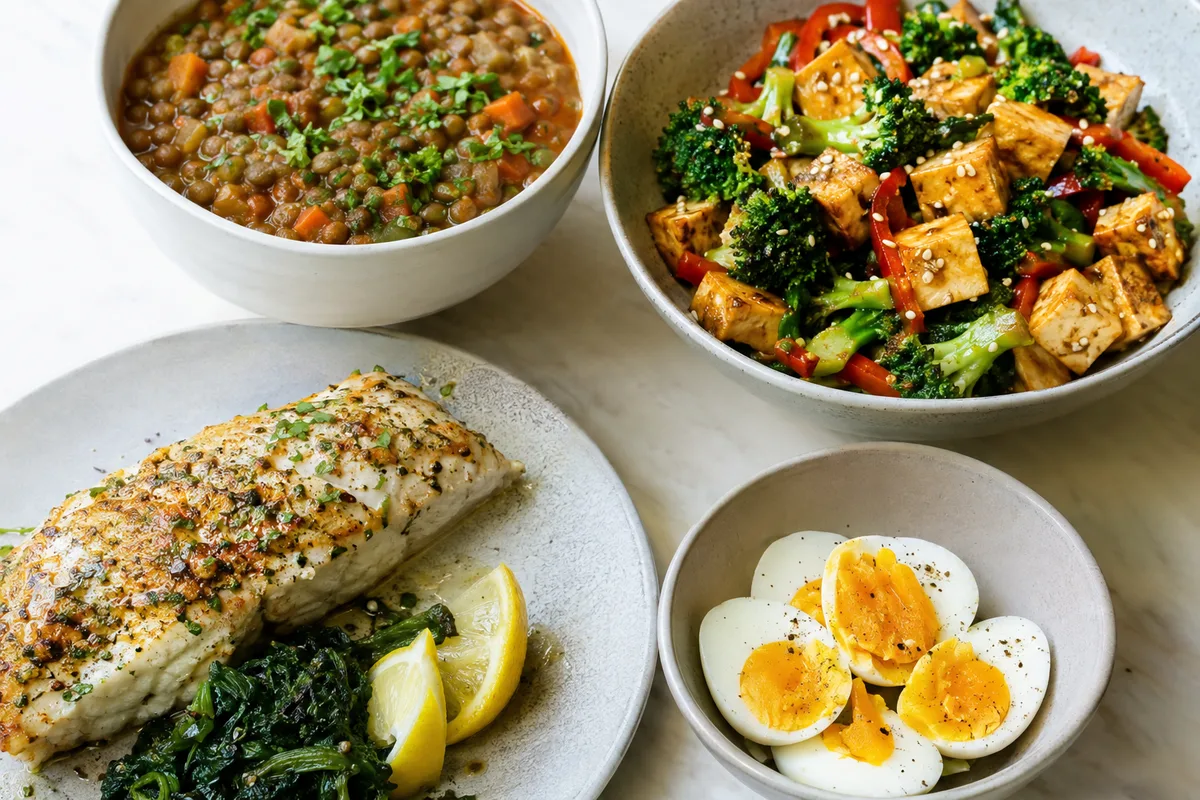
The surrounding ingredients matter when you track calories. A protein food served with heavy coatings, rich sauces or plenty of added oil may have a very different total from a grilled, baked or lightly dressed version. Log the full dish rather than counting only its main ingredient.
You do not need to label foods as clean or bad. Compare choices by looking at protein, calories, fibre, portion size and how filling the whole meal is for you. The most useful option is one that fits the rest of your day and that you genuinely enjoy eating.
- Eggs with wholegrain toast and tomatoes
- Plain yoghurt with fruit and oats
- Lentil stew with vegetables
- Tofu stir-fry with rice and greens
- Fish, potatoes and a large vegetable side
Use your food log to assess protein
Your existing food log can show whether protein is concentrated in one meal or spread through the day. Look at several ordinary days rather than choosing only your most organised one. Check which meals leave you satisfied and which are followed quickly by snacks.
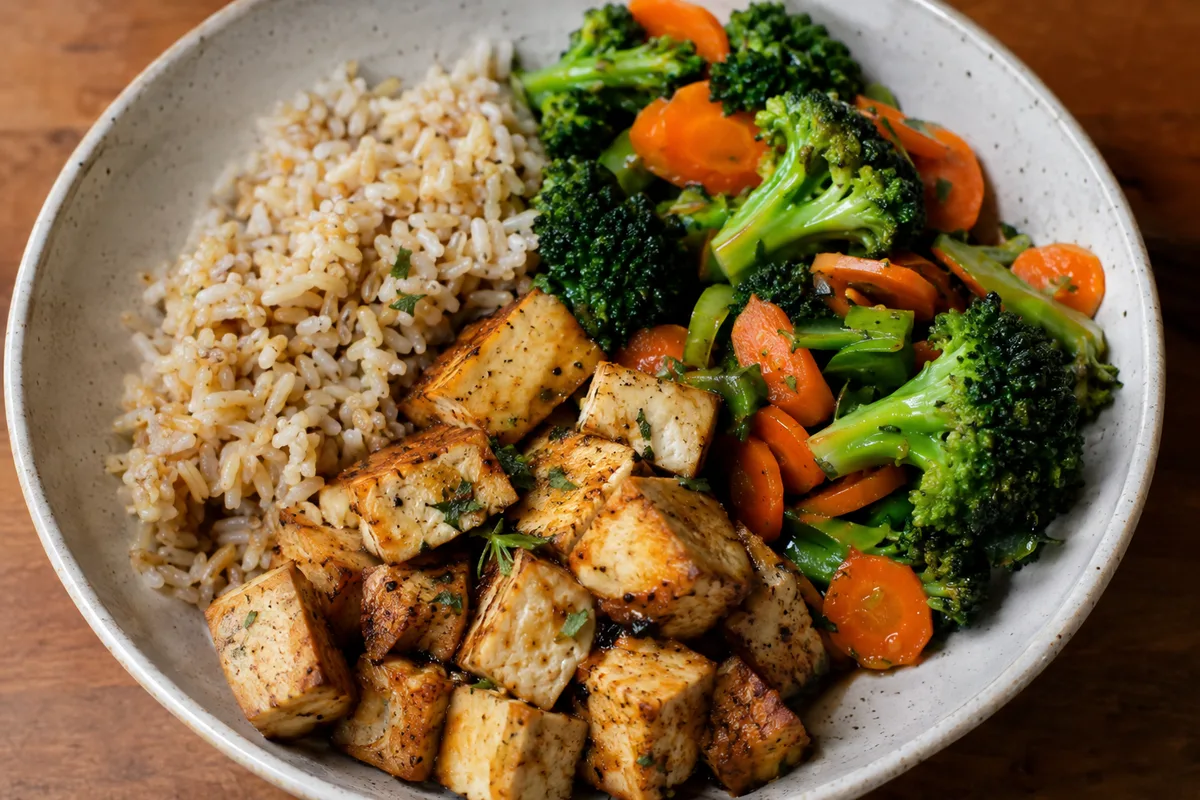
If a meal contains little protein, make a modest change before rebuilding your whole diet. You might add yoghurt to breakfast, beans to lunch or a lean protein source to dinner. Keep the portion appropriate to your calorie target and log any oils, dressings or extras.
There is no single high-protein target that is best for everyone. Your suitable amount depends on factors such as body size, activity, food preferences and the structure of your diet. If you need an individual target, seek advice from a suitably qualified nutrition professional.
- Review several typical days in your log
- Find meals with little or no obvious protein source
- Make one realistic addition or swap
- Track hunger, enjoyment and overall calories
- Review the pattern after enough time to see whether it suits you
Build meals around balance, not protein alone
A simple meal structure can help without turning every plate into a calculation. Start with a protein source, add vegetables or fruit, then include a carbohydrate food and some fat according to your needs. The exact proportions depend on the person and the meal.
Carbohydrate foods can provide fibre, energy and enjoyment, so they do not need to disappear for protein intake to rise. Potatoes, rice, pasta, bread and grains can all fit within a calorie-controlled plan. Choosing a portion that matches your day is more useful than removing an entire food group.
Fat also has a place, but small additions can make a noticeable difference to tracked calories because fat is energy dense. Measure oils, spreads, dressings, nuts and seeds consistently if they are easy to underestimate. This keeps the log useful without making meals bland.
- Choose a main protein source
- Add vegetables, salad or fruit
- Include a suitable portion of carbohydrate
- Account for oils, sauces and toppings
So, is high protein best?
A higher-protein diet can be a helpful weight-loss approach when it improves fullness, supports your activity and fits your calorie target. It is not automatically better than a balanced diet with a moderate protein intake. The result depends on the whole pattern and whether you can maintain it.
Pay attention to practical signs rather than chasing the highest number in your tracker. A useful plan should leave you reasonably satisfied, offer enough variety and work with your normal routine. It should also allow room for foods chosen for pleasure as well as nutrition.
If increasing protein makes your diet repetitive, pushes calories up or leaves little room for fibre-rich foods, it may not be the right adjustment. If a modest increase makes meals easier to manage, it may be worth keeping. The best level is the one that supports a sustainable calorie gap and a balanced way of eating.
- Fullness between planned meals
- A calorie intake that matches your aim
- Enough variety and fibre
- Meals that fit your routine
- An approach you can maintain without rigid rules