
Three ways to avoid constipation during intermittent fasting
Changing when you eat can also change your usual toilet routine. These three practical habits can support comfortable, regular bowel movements without changing the basic structure of your fasting plan.
Why fasting can affect your bowel routine
Intermittent fasting changes the times when food and drink move through your digestive system. Eating less often may mean fewer natural signals to open your bowels, particularly while your body adjusts to a new routine. A shorter eating window can also make it harder to fit in enough fluid and fibre.
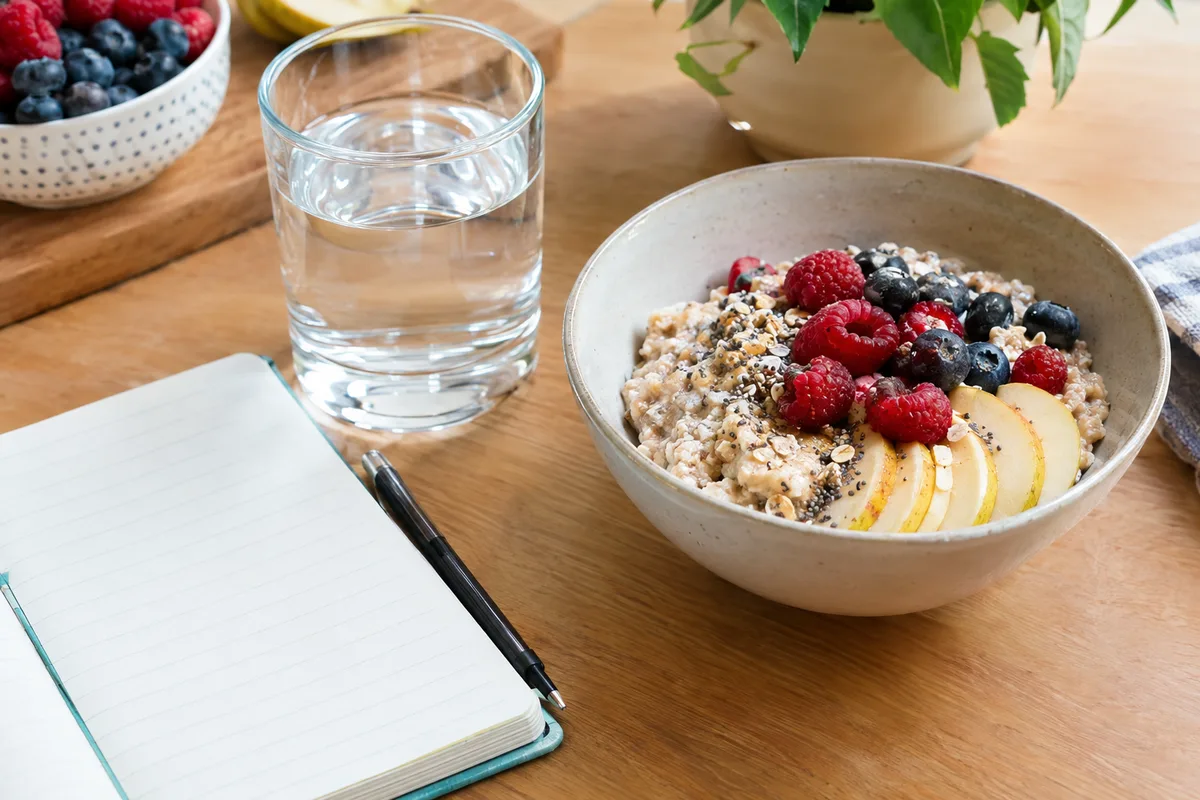
Your food log can help you spot what has changed. Look beyond meal timing and check whether your intake of drinks, vegetables, fruit, pulses and wholegrains has fallen. The amount and frequency that suit you depend on your body, routine and fasting approach.
- Note changes in how often you pass a stool
- Record whether stools feel harder or more difficult to pass
- Check your fluid intake across the day
- Review how many fibre-rich foods appear in your eating window
1. Drink regularly during the fasting window
Fluid helps keep stools softer and easier to pass. During a fast, it can be easy to forget to drink because meals no longer act as reminders. Spread permitted drinks across the day rather than trying to catch up during your eating window.

Water is a straightforward choice, while unsweetened tea or coffee may also fit some fasting approaches. Your needs can change with the weather, activity and the foods you eat, so there is no single suitable amount for everyone. Pale urine can be a useful everyday sign that you are taking in fluid regularly.
- Have a drink after waking
- Drink at your usual meal times, even when you are fasting
- Take regular drink breaks during work or study
- Have extra water around physical activity or warm weather
2. Make fibre count when you eat
Fibre adds bulk to stools and helps food move through the gut. When the eating window is short, choose meals that naturally include fibre instead of trying to fit it all into one very large serving. Increase fibre gradually, as a sudden jump may leave you feeling uncomfortably full or windy.
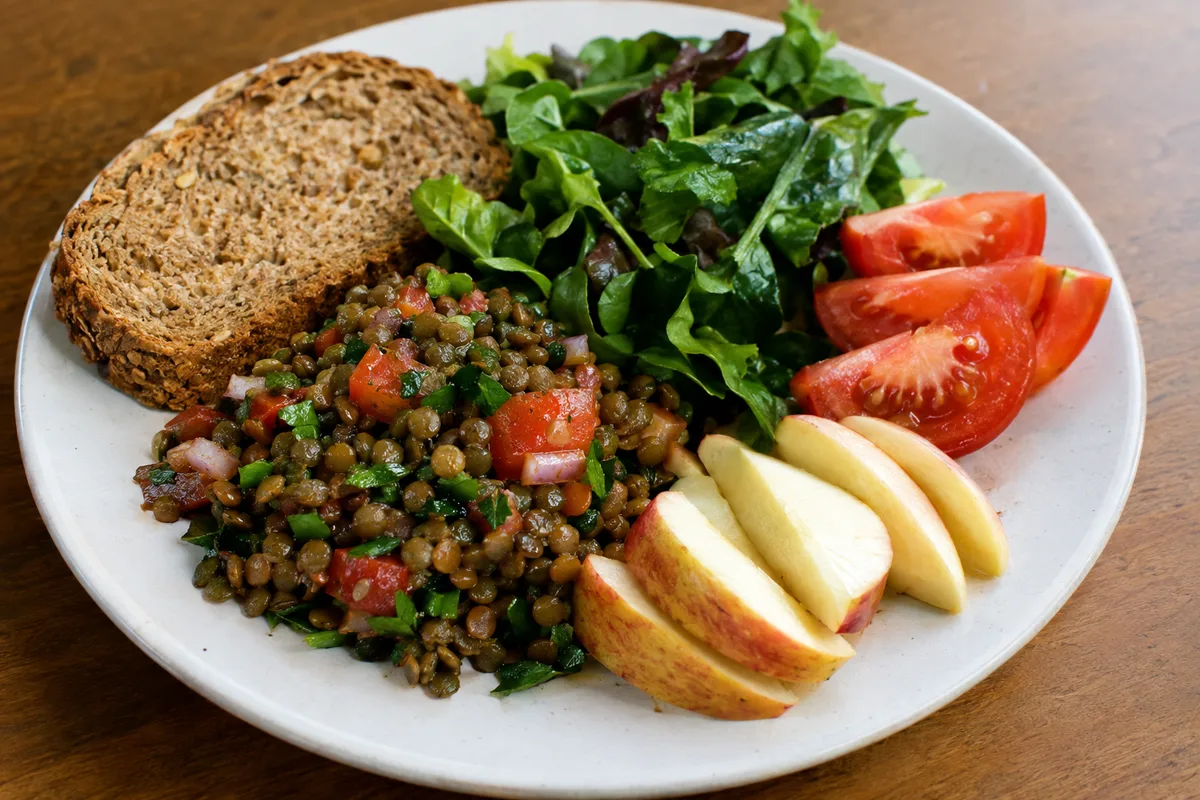
Build meals around a mixture of vegetables, fruit, beans, lentils and wholegrain foods. Different fibre sources have different textures and roles, so variety is more useful than relying on one food. Fibre works best alongside enough fluid.
- Add beans or lentils to soups, stews or salads
- Choose oats or a wholegrain cereal during the eating window
- Include vegetables in main meals
- Choose whole fruit rather than juice
- Swap refined bread, rice or pasta for wholegrain versions when practical
3. Keep your body moving
Gentle movement can encourage the natural muscular activity that moves food through the digestive system. Long periods of sitting may make a sluggish routine feel worse, even if your food choices have not changed. Movement does not need to be intense or saved for a formal workout.

A walk after eating can be an easy habit to remember because it links movement to your meal schedule. Short movement breaks during the fasting window can also help maintain a regular daily rhythm. Choose activity that feels comfortable when you have not eaten.
- Take a relaxed walk after a meal
- Stand up and move around during long periods of sitting
- Use stairs when that feels comfortable
- Include gentle stretching in your morning routine
Adjust the routine without forcing it
Try not to ignore the urge to open your bowels when it appears. Allow enough unhurried time, especially after your first meal, when eating may trigger natural gut movement. A regular opportunity can help your body settle into the revised schedule.
If problems began after narrowing your eating window, consider whether the schedule leaves enough time for balanced meals, drinks and comfortable digestion. A less restrictive window may be more practical for your body and daily commitments. Persistent pain, bleeding or a lasting change in bowel habits should be discussed with a qualified healthcare professional.
- Change one habit at a time so your log remains useful
- Review meal timing, fibre, fluids and movement together
- Give gradual food changes time to settle
- Choose a fasting schedule that allows comfortable eating and drinking