
How to Plan a 50 Gram Protein Day
A 50 gram protein diet means planning your food so that your daily protein total reaches roughly 50 grams. This guide explains how to spread that target across the day, log it accurately and choose foods that fit your preferences.
What a 50 gram protein diet means
The aim is to record about 50 grams of protein over the whole day, rather than eat 50 grams of a protein-rich food. A piece of chicken, spoonful of yoghurt or serving of beans contains water, carbohydrate, fat and other nutrients as well as protein. The protein figure in your food log is the number that counts towards the target.
Fifty grams is not automatically the right amount for every person. Protein needs vary with body size, activity, age, life stage and personal goals. If you have been given an individual target by a qualified professional, use that figure instead of treating 50 grams as a universal rule.
- Count protein from meals, snacks and drinks
- Use the protein column rather than the total weight of the food
- Treat 50 grams as a daily target, not a required amount at each meal
- Review whether the target matches your circumstances
Spread protein across your meals
It is often simpler to reach the target when protein appears in several meals. Leaving most of it until the evening can make the final meal feel unusually large or restrict your choices. Check your running total during the day so that you can adjust what comes next.
There is no single correct split between breakfast, lunch, dinner and snacks. Your routine may include three main meals, smaller meals or a later first meal. Give each eating occasion a role, then use your tracker to see whether the whole day comes close to 50 grams.
- Add eggs, yoghurt or a soya-based food at breakfast
- Include beans, lentils, fish, poultry, meat, tofu or cheese at lunch
- Build dinner around a clear protein source
- Use a protein-containing snack only when it suits your appetite and total
Choose foods that suit the rest of your diet
Animal and plant foods can both contribute to a 50 gram total. Eggs, dairy foods, fish, poultry and meat are familiar options, while beans, lentils, peas, tofu, tempeh, nuts and seeds provide plant-based choices. Grains and vegetables can also add smaller amounts that still belong in the log.
Look beyond protein when choosing between foods. Fibre, fat, salt, convenience, taste and the rest of the meal all matter. A varied plate might combine a protein source with vegetables, a starchy food and a little fat rather than treating protein as the only goal.
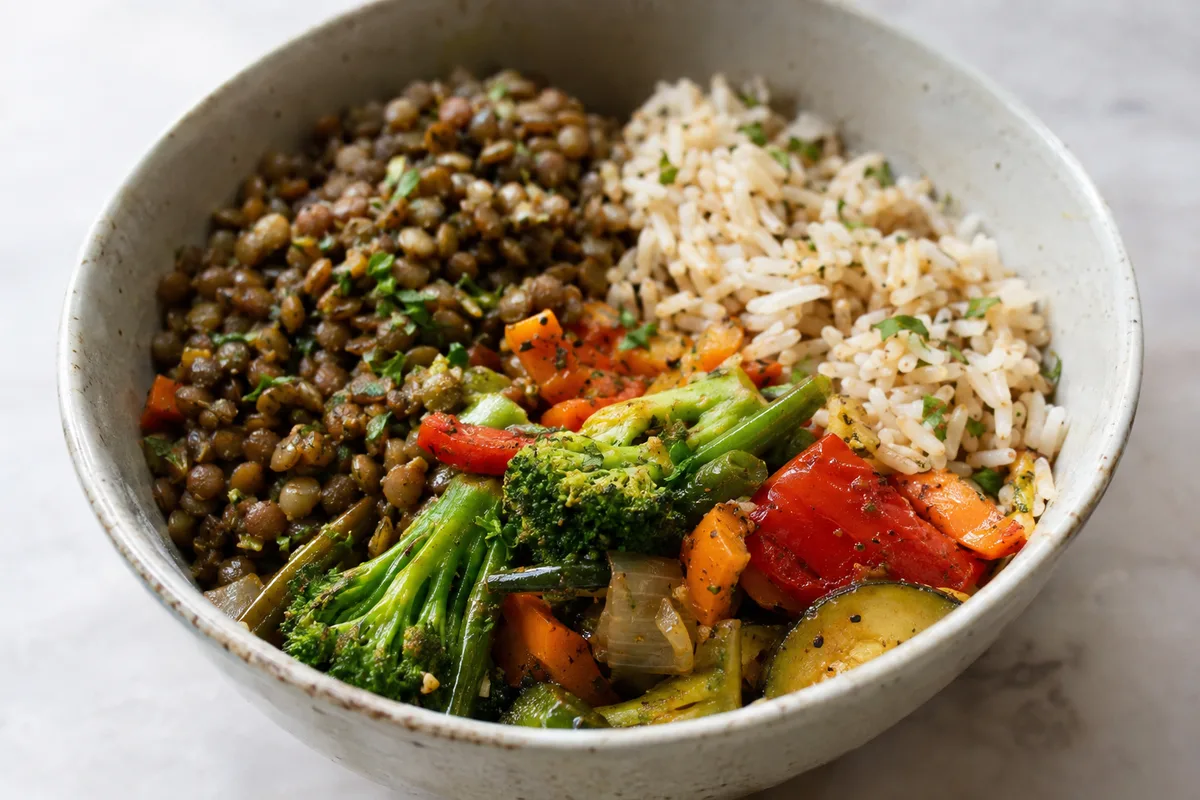
- Beans or lentils with rice and vegetables
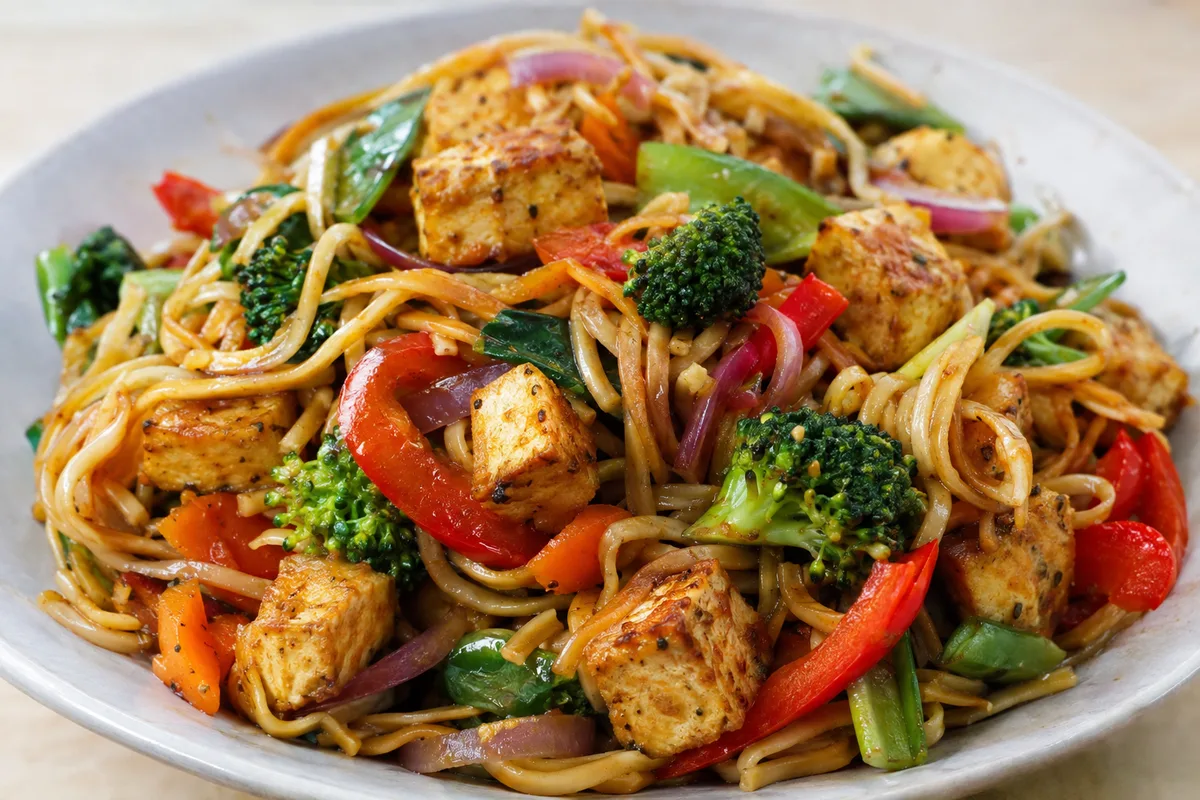
- Tofu with noodles and mixed vegetables
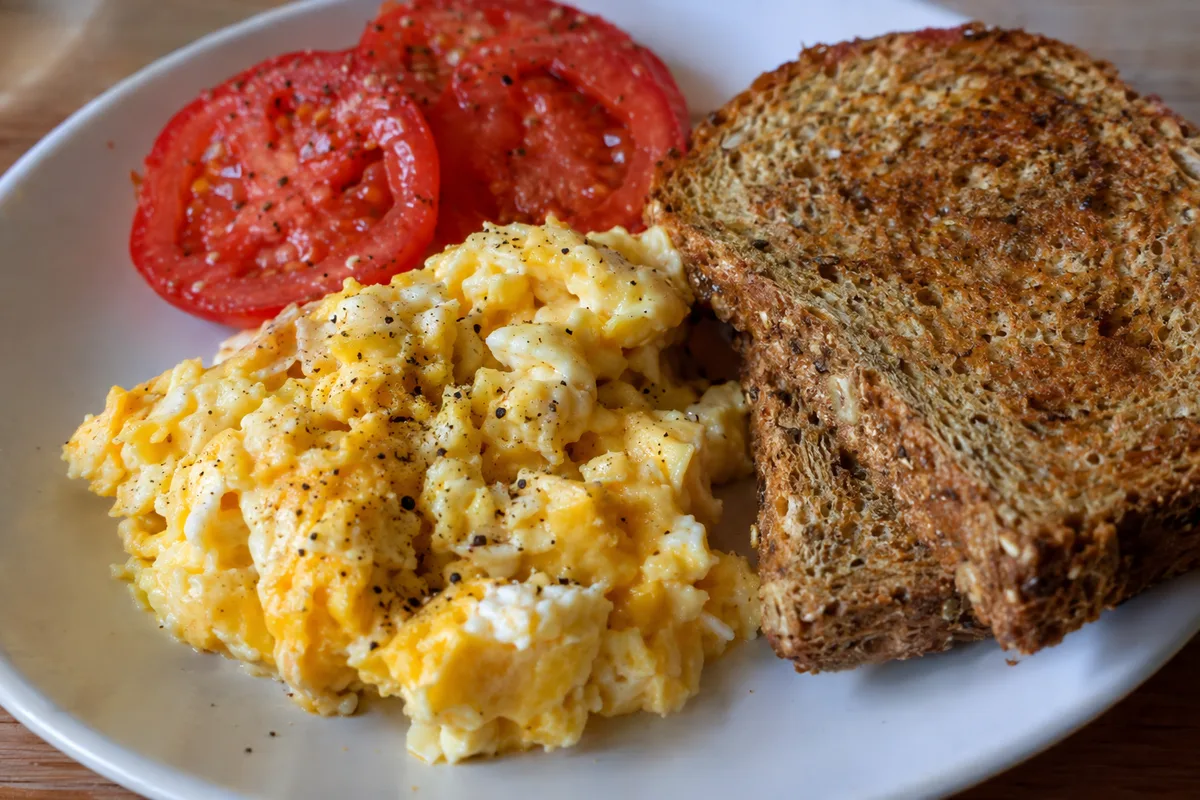
- Eggs with wholemeal toast and tomatoes
- Fish with potatoes and green vegetables
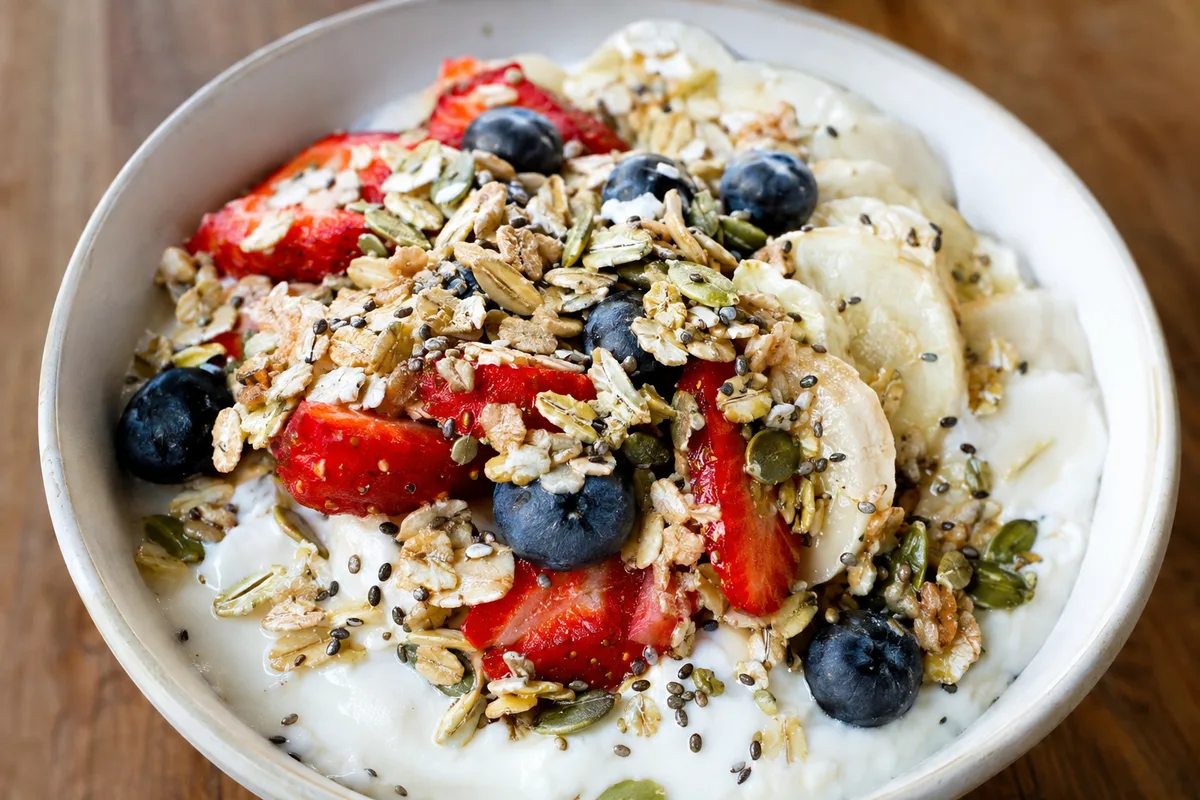
- Yoghurt with oats, fruit and seeds
Track the amount accurately
Use the food label or the entry in your tracking database for the portion you actually eat. Check whether the listed amount refers to the whole pack, one serving or a standard weight. Similar-looking foods can have different protein values, so use the closest entry rather than assuming they are identical.
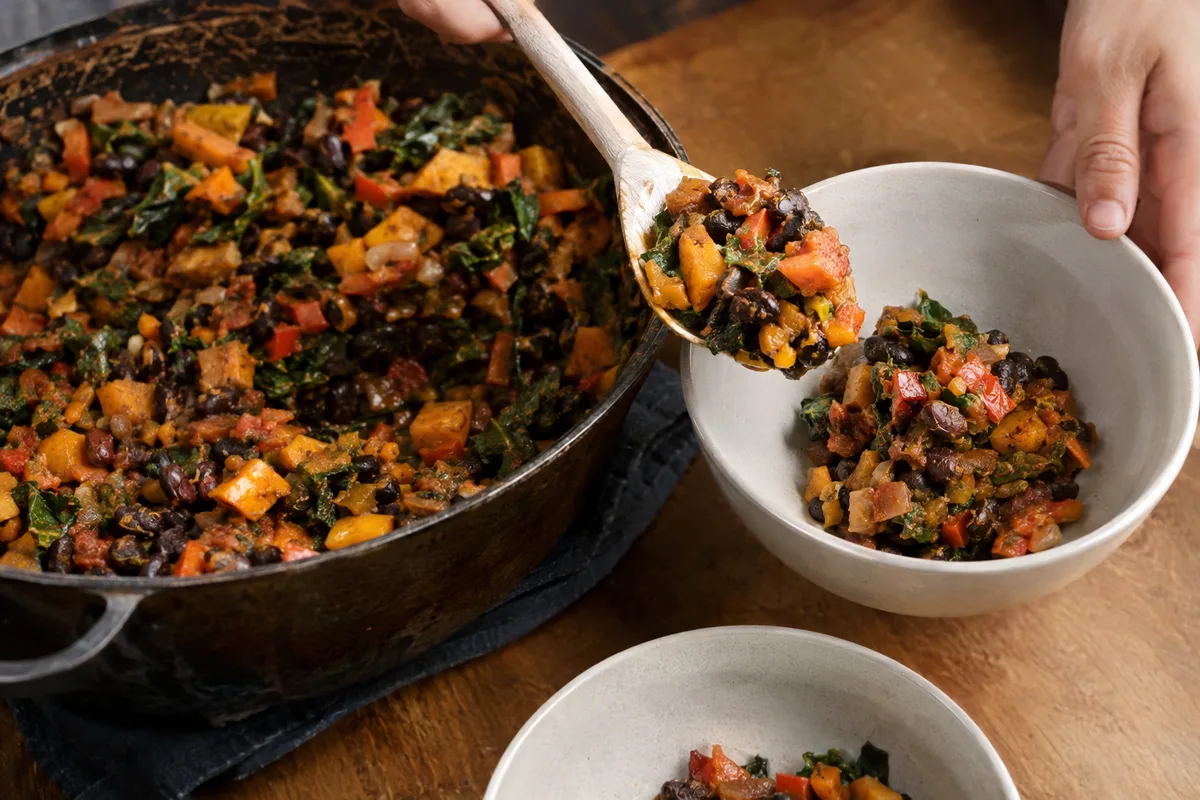
Be consistent about logging food as cooked or uncooked. Cooking changes water content, which changes the weight without creating extra protein. For mixed dishes, enter the ingredients in a recipe and divide the completed dish by the number of portions you serve.
- Match the brand or food type where possible
- Check the serving unit before saving the entry
- Choose either cooked or uncooked data to match what you recorded
- Include sauces, grains and vegetables if they contain protein
- Save frequently made recipes for consistent logging
Adjust meals without rebuilding the whole day
Your running total may sometimes be lower or higher than planned. Small changes are usually easier than replacing an entire meal. You might alter the portion of the main protein food, add a modest side or choose a different snack.
If the total is low, first check that nothing has been missed from the log. If it is high, look at the day as a whole rather than removing nutritious foods automatically. A target can guide planning without requiring every day to land on exactly the same number.
- Add beans or lentils to a soup, salad or grain bowl
- Use yoghurt alongside fruit instead of a snack with little protein
- Reduce an oversized portion and keep the vegetables and starch
- Swap one protein source for another that better fits the remaining total
Keep the target practical over time
A workable plan should include foods you enjoy and can prepare within your normal routine. Repeating a few reliable breakfasts or lunches can make tracking easier, while changing vegetables, grains and seasonings keeps meals varied. You do not need a special product to build a 50 gram day.
Review several logged days to see where protein usually comes from and where the target feels awkward. Consider whether meals are satisfying and whether the plan leaves room for fibre-rich foods, fruit, vegetables and a range of fats. If 50 grams consistently seems unsuitable for your needs, seek personalised guidance from a qualified nutrition professional.
- Keep a short list of dependable protein-containing meals
- Prepare beans, lentils, eggs or cooked proteins ahead when useful
- Change flavours and side dishes rather than relying on one meal
- Judge the plan by the overall pattern, not one isolated day