
Effective Exercises for Your Mid-Back and Lats
Your lats and mid-back help you pull, support your posture and control your shoulder blades. A balanced routine combines rowing and downward-pulling movements with steady, deliberate technique.
Know what you are training
The lats are the broad muscles that run down either side of your back. The mid-back includes several muscles around the shoulder blades, so no single exercise covers everything equally.
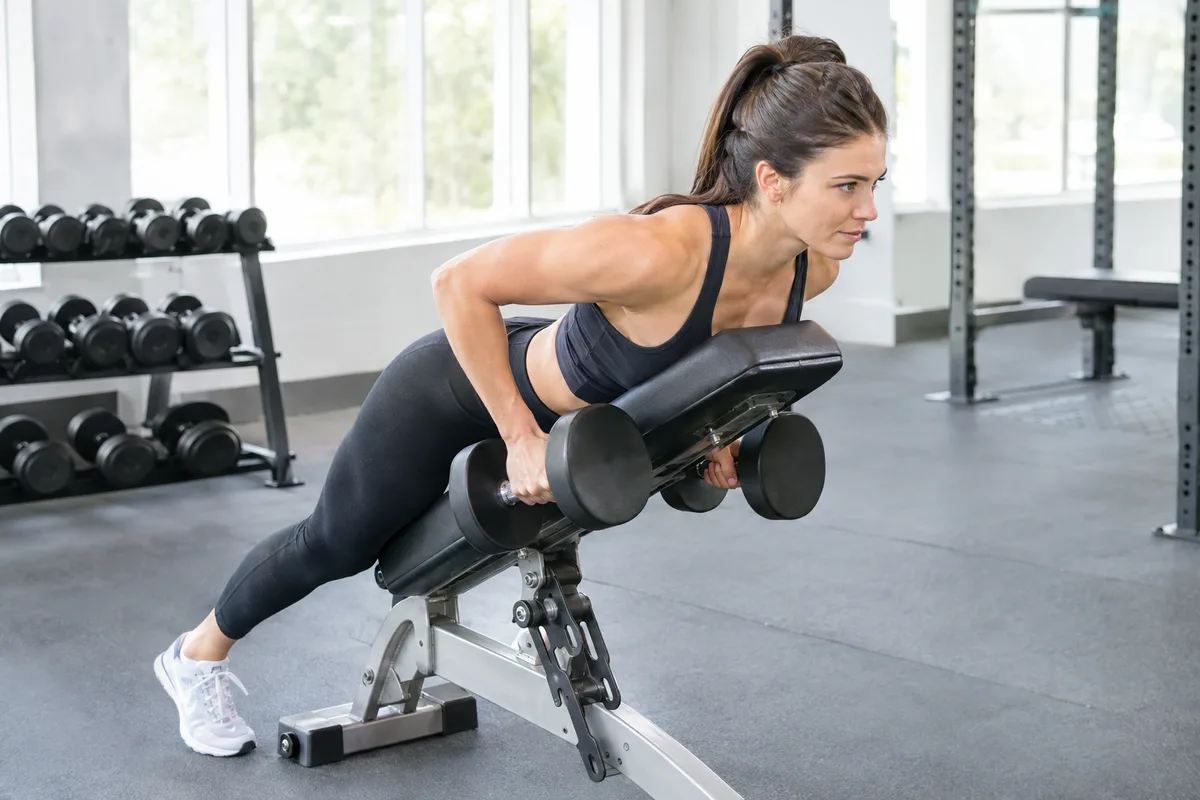
Rows generally bring more attention to pulling your shoulder blades back, while pulldowns and pull-ups train a downward pulling pattern. Your grip, elbow path and body position can shift where you feel the work, but they do not isolate one area completely.
Use rows for the mid-back
A seated cable row, chest-supported dumbbell row or resistance-band row can all work well. Start with your arms extended, keep your torso controlled and draw your elbows back without lifting your shoulders towards your ears.
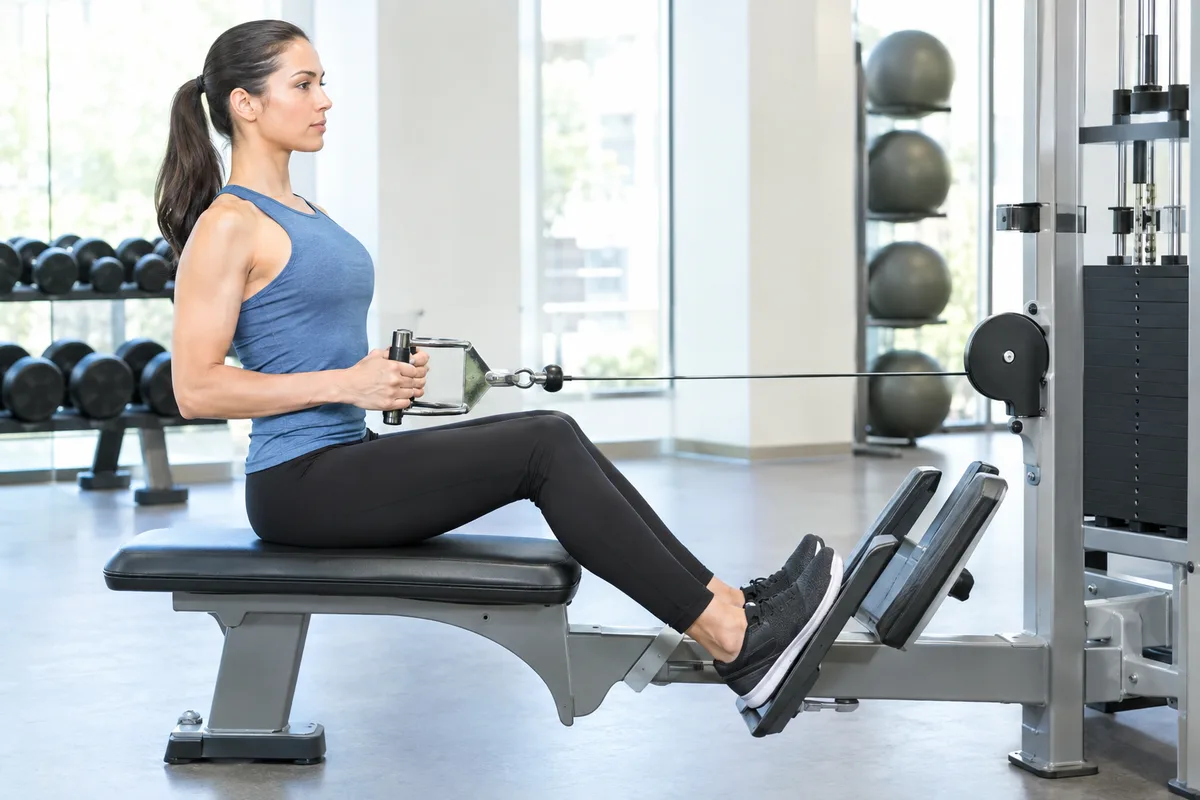
For more lat involvement, keep your elbows closer to your sides and pull towards your lower ribs. A slightly wider elbow path tends to involve more of the muscles around the shoulder blades, provided you can maintain a comfortable and stable position.
Add vertical pulling exercises
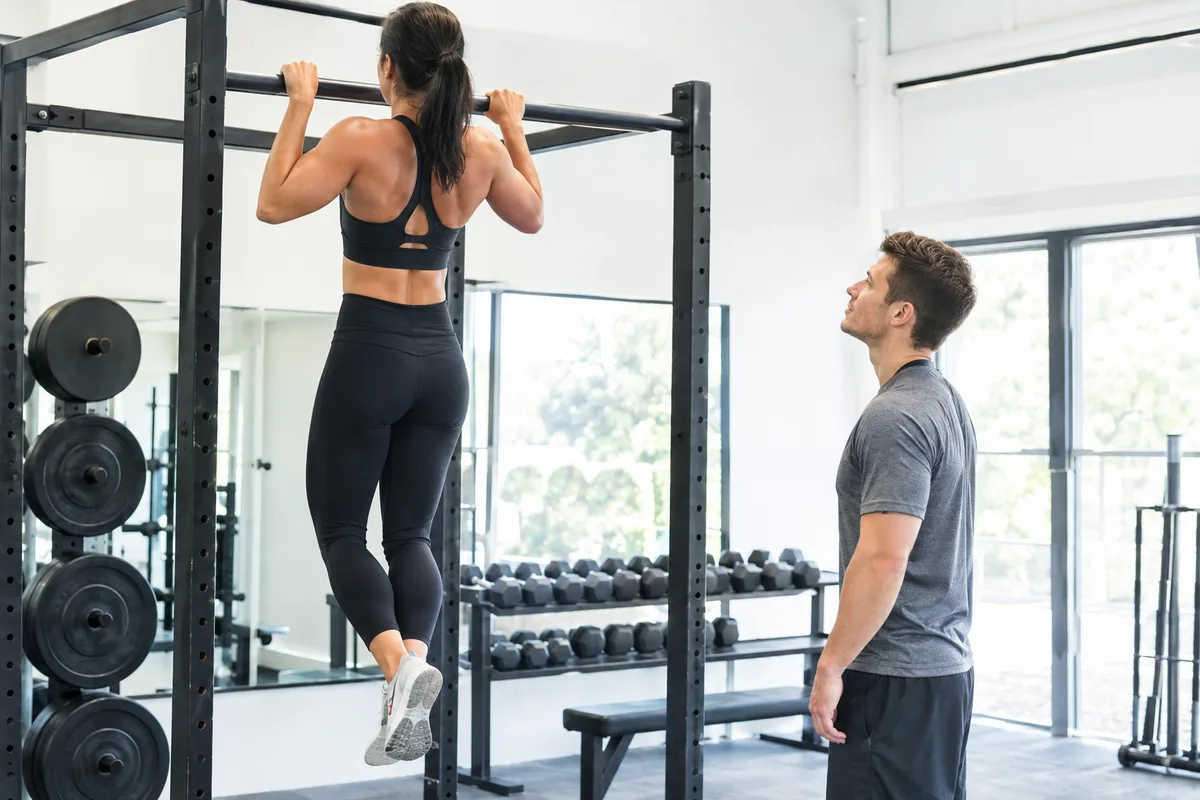
Lat pulldowns and assisted pull-ups train the lats through a different direction from rows. Begin by letting your shoulder blades move naturally, then pull your elbows down rather than trying to drag the bar with your hands.
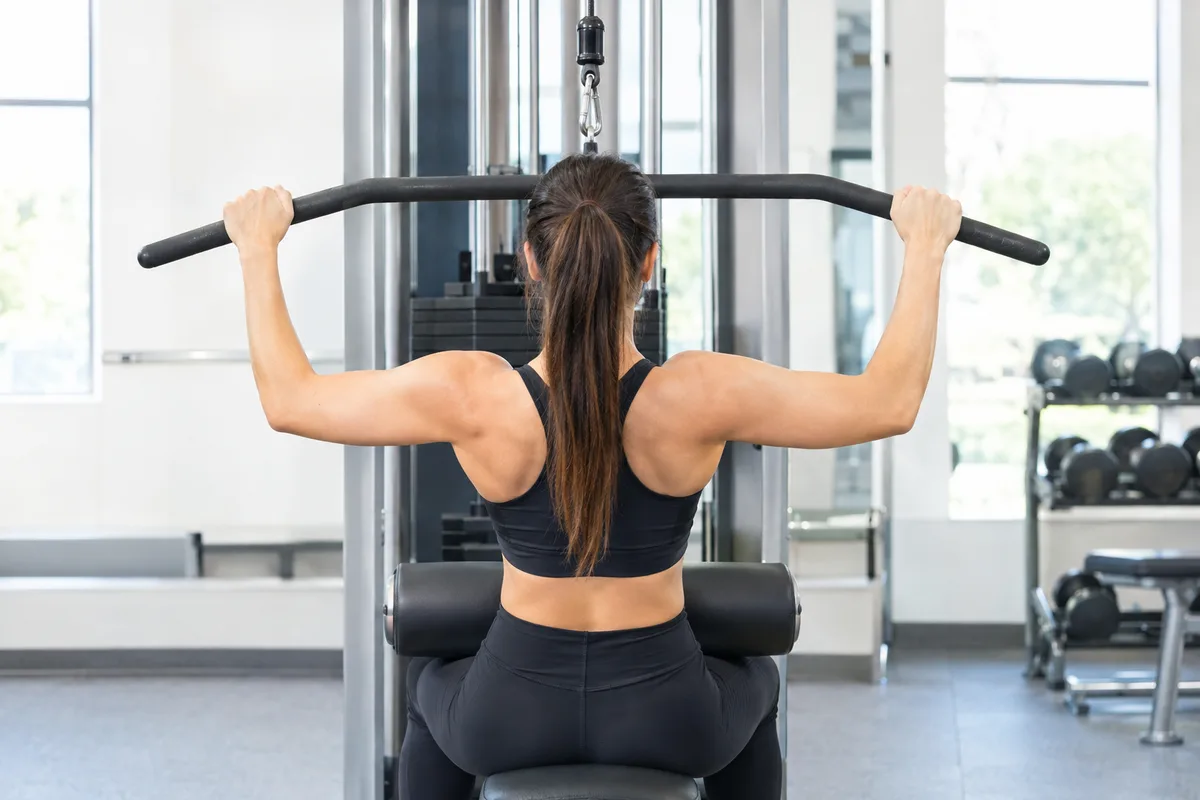
Choose a grip that lets you move smoothly without forcing your wrists or shoulders into an awkward position. Stop the downward phase when you can no longer keep your chest and torso controlled, rather than leaning far back to finish the movement.
Plan and track your routine
Include both a rowing movement and a vertical pull in your programme, then select resistance that allows steady technique. The suitable number of sets and repetitions depends on your experience, recovery and wider training plan, so record what you complete and adjust gradually.
Your food log can help you notice whether your usual intake supports your training and recovery, but exercise calorie estimates are only rough guides. Energy use varies with body size, effort, exercise choice and session length, so avoid treating a machine or wearable estimate as an exact amount to eat back.