
How to Choose Shoes When Your Back Hurts
There is no single best shoe for back pain because comfort, foot shape and walking style differ. The most useful pair is one that feels stable, fits properly and supports the way you move.
Start with fit, not labels
Terms such as supportive, cushioned or motion control can be helpful, but they do not guarantee comfort. A shoe should hold your heel securely without rubbing, leave room for your toes and feel comfortable from the start.
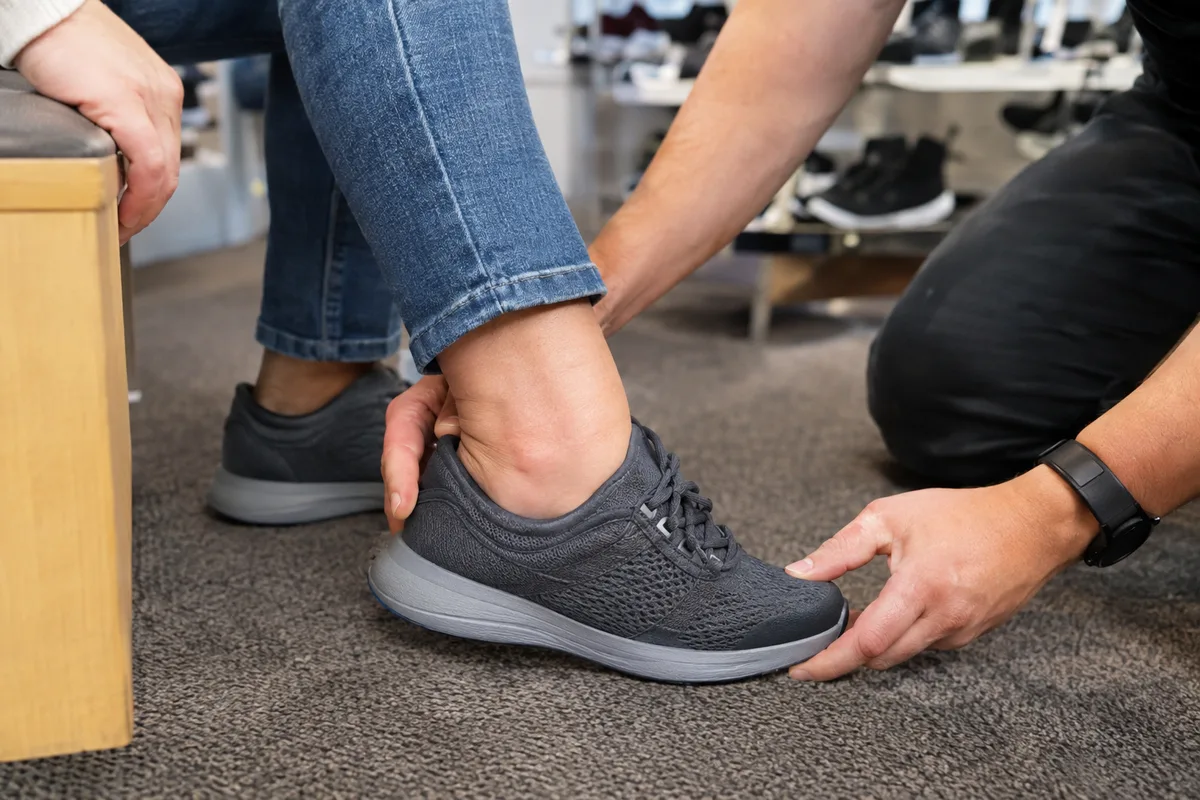
Try shoes with the socks you normally wear and walk on a firm surface if possible. Notice whether your feet slide, your toes feel cramped or you change your stride to avoid discomfort.
Look for stable, comfortable support
A stable sole can help your foot land without excessive wobbling. Cushioning may soften each step, but very soft shoes can feel unstable for some wearers, so aim for a balance that suits you.
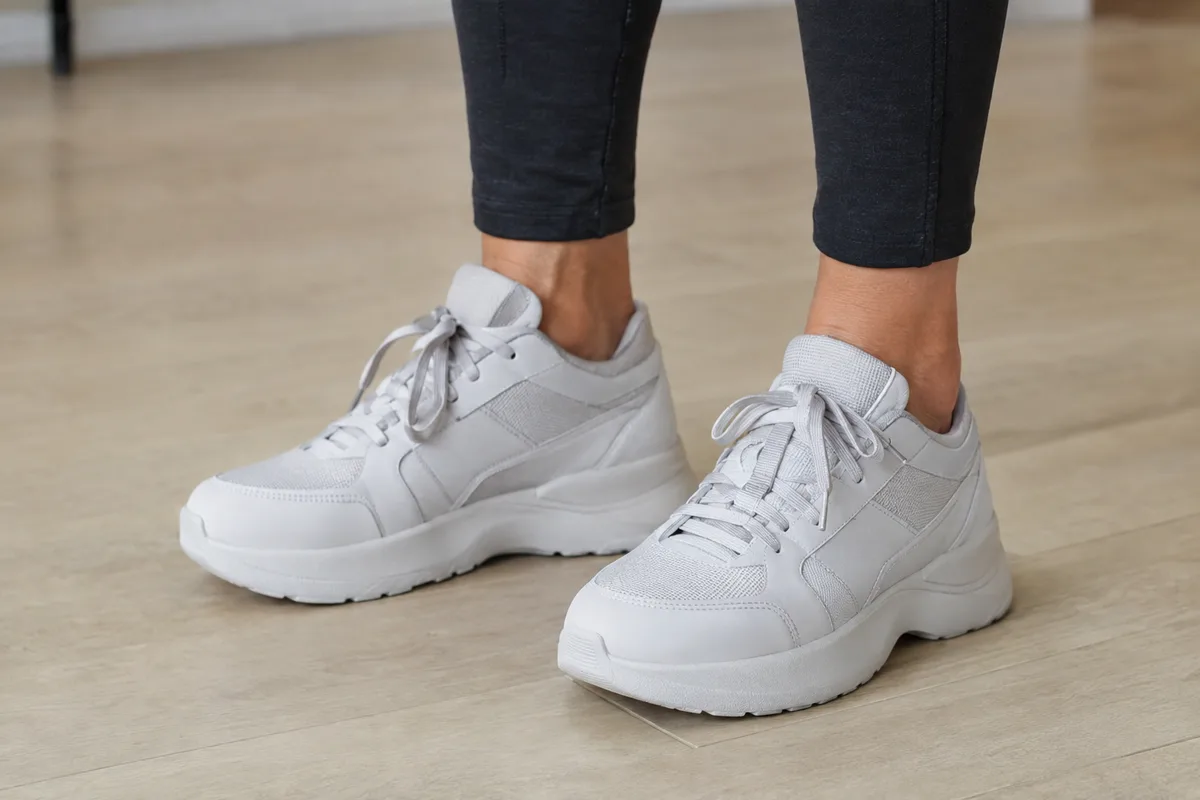
Check that the shoe bends near the ball of the foot rather than folding through the middle. The heel should also feel secure, while the upper should flex without pressing on sensitive areas.
Match the shoe to the activity
The right footwear depends on whether you are walking, running, standing for long periods or exercising indoors. Running shoes are designed for repeated forward movement, while everyday shoes may prioritise flexibility, appearance or all-day comfort.
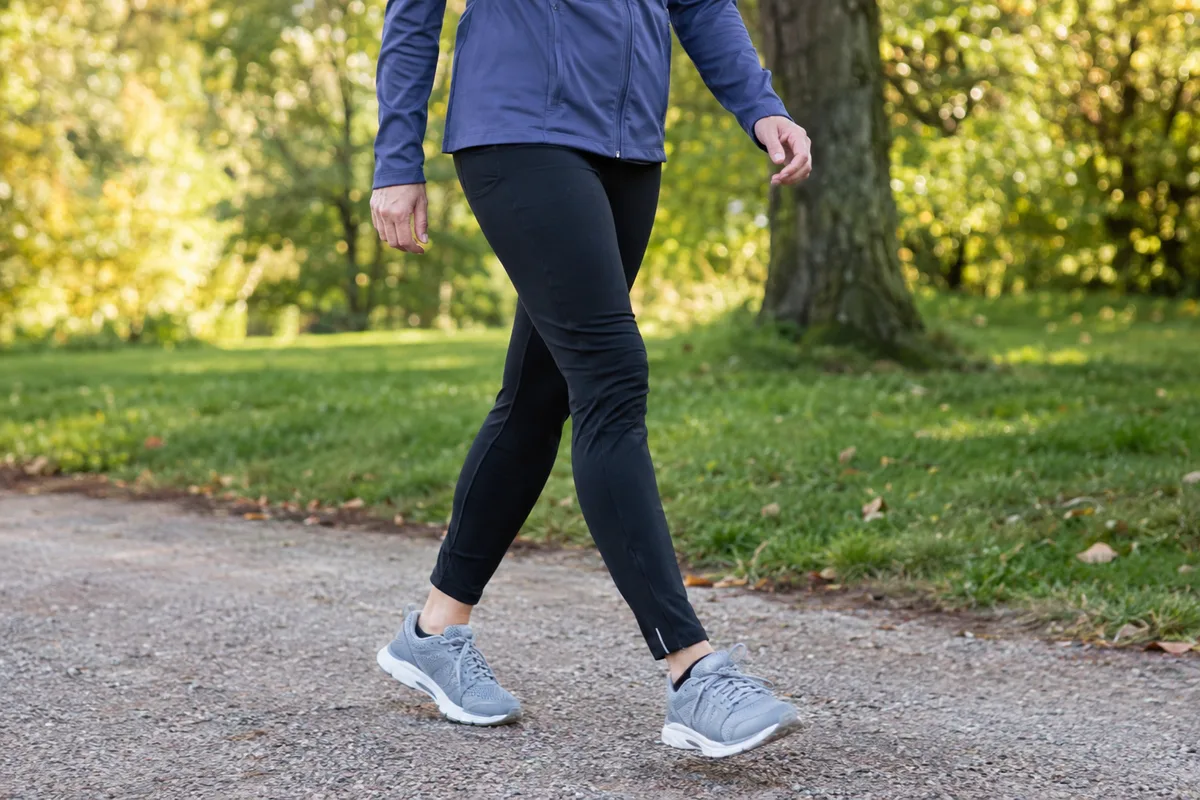
Consider the surfaces you use most often and how your body feels afterwards. If you track your food and activity, you could also note the shoes worn, the type of movement and how comfortable your back felt during and after it.
Know when a pair is not working
Shoes can lose cushioning and structure before they look badly worn. Uneven soles, a compressed heel or a new feeling of instability may mean the pair no longer supports you as it once did.
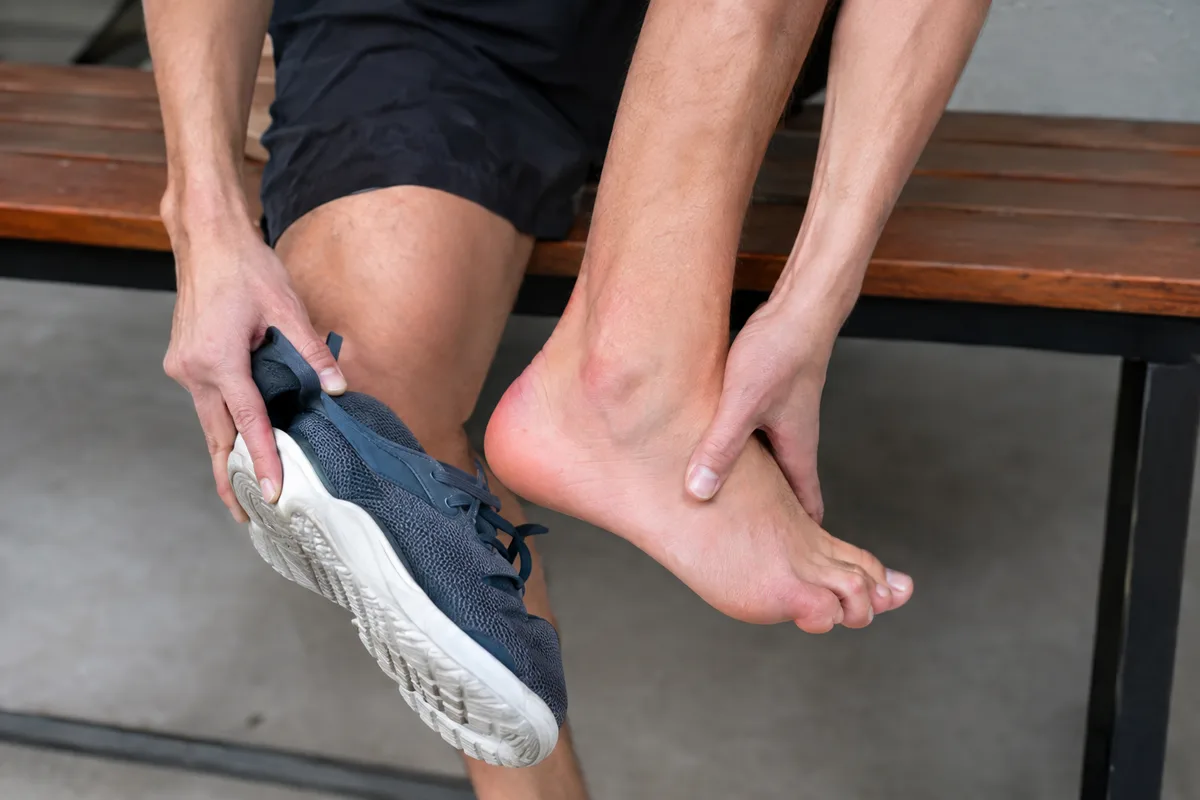
Footwear cannot promise to remove back pain, and a more expensive shoe is not automatically a better match. If discomfort continues or movement becomes difficult, a qualified professional can assess your walking pattern and footwear needs.