
How to Choose the Best Sparkling Water for You
The best sparkling water is one you enjoy drinking and can track without confusion. This guide explains the main types, what to check on the label and simple ways to make plain fizzy water more interesting.
What counts as sparkling water
Sparkling water is water containing dissolved carbon dioxide, which creates the bubbles. It may be naturally fizzy or carbonated during production. Some varieties also contain minerals, flavourings, fruit juice, sweeteners or sugar.
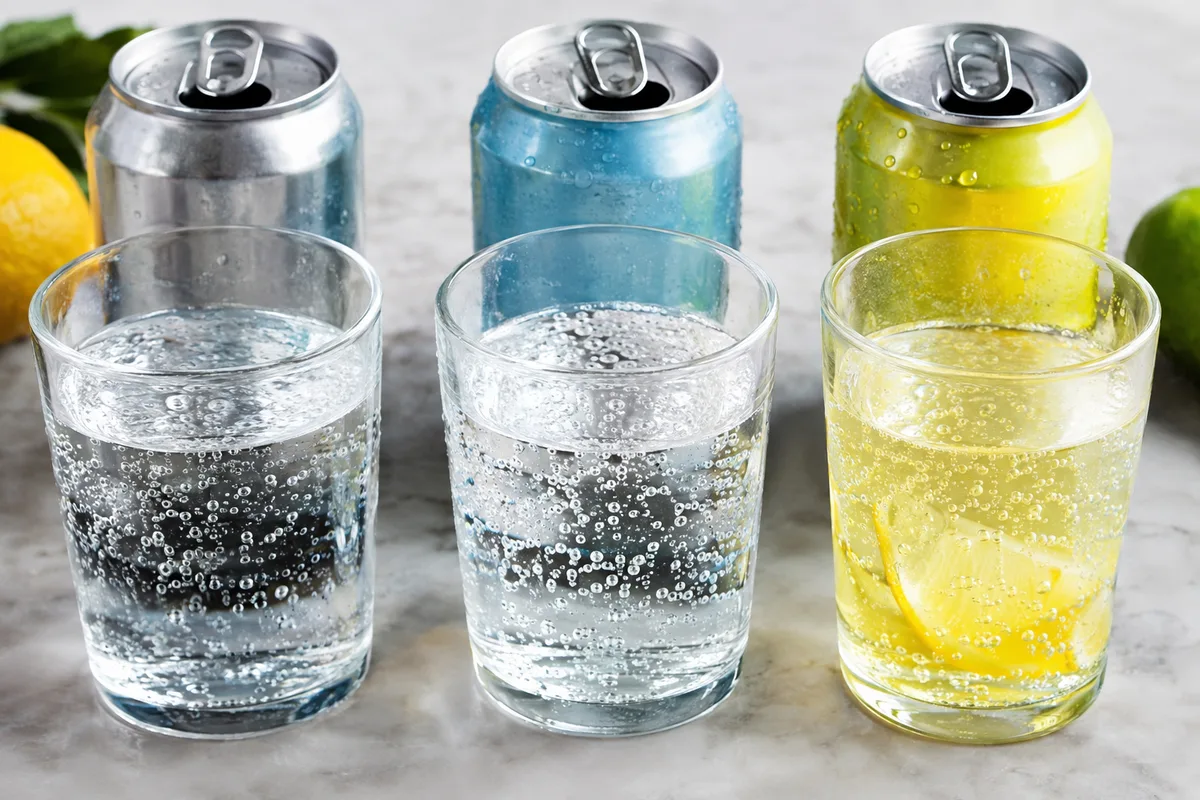
Names such as soda water, mineral water and flavoured sparkling water can describe slightly different drinks. The front of the bottle does not always tell you everything that has been added. The ingredients list and nutrition information are more useful when you are tracking what you consume.
- Plain carbonated water usually contains water and carbon dioxide
- Mineral water naturally contains minerals, although the amount varies
- Soda water may contain added mineral salts
- Flavoured sparkling water may contain flavourings, juice, sweeteners or sugar
Decide what ‘best’ means for you
There is no single sparkling water that suits everyone. Your favourite may depend on whether you want a plain drink with a meal, a sweeter option or something to replace another fizzy drink. Price, availability and the strength of the bubbles may also shape your choice.
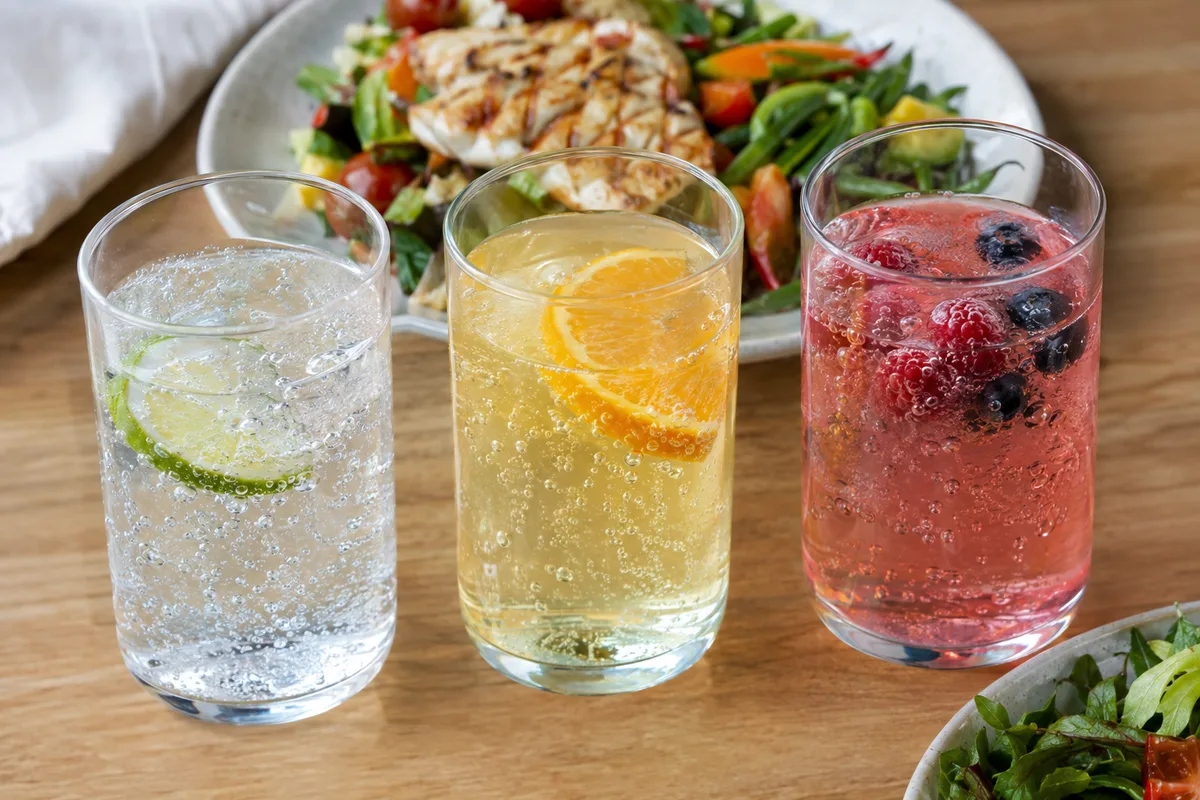
Start with the job you want the drink to do. A plain variety can be easy to log, while a flavoured one may offer more interest. If sweetness makes a drink more enjoyable for you, check where that sweetness comes from rather than relying on words on the front.
- For simple tracking, choose a short ingredients list
- For a strong taste, look for clearly named fruit or botanical flavours
- For a less sweet drink, avoid added sugar and check for sweeteners
- For mixing with food, try plain or lightly flavoured varieties
Read the label before logging it
Plain sparkling water generally contributes little or no food energy, but flavoured versions vary. Fruit juice, sugar and other energy-containing ingredients can change what needs to go into your log. The exact amount depends on the drink, so use the nutrition information on that bottle or can.
Check the serving size as well as the values shown. A label may give information per portion, per container or per 100 millilitres. If you drink the whole container, make sure your logged amount matches it.
Sodium can also vary, particularly in mineral water and soda water. This does not automatically make one option better than another, but it may matter to your personal preferences or targets. Compare labels on the same basis rather than judging from the product name.
- Match the serving size to the amount you drank
- Check for sugar, juice and other energy-containing ingredients
- Look for sweeteners if you prefer to include or avoid them
- Compare sodium values using the same volume
- Save frequently used drinks in your food log if that makes tracking easier
Choose between plain, flavoured and sweetened
Plain sparkling water has a clean taste and is usually the most straightforward option to track. Mineral content can affect the flavour, so two plain waters may taste noticeably different. Trying a few styles can help you find a level of fizz and minerality you enjoy.
Unsweetened flavoured water can provide aroma and taste without being sugary. However, the word “flavoured” does not guarantee that a drink has no sugar or sweeteners. Read both the ingredients and nutrition information to understand what is inside.
Sweetened sparkling drinks can still be included in a food log. Record what you actually drink rather than treating every clear, fizzy drink as plain water. The best choice is the one that fits your preferences and the way you plan the rest of your intake.
- Plain for a neutral drink with meals
- Citrus-flavoured for a sharp, fresh taste
- Berry-flavoured for a softer fruit taste
- Herbal or botanical flavours for a less familiar option
- Sweetened varieties when you want a clearly sweeter drink
Make plain sparkling water more interesting
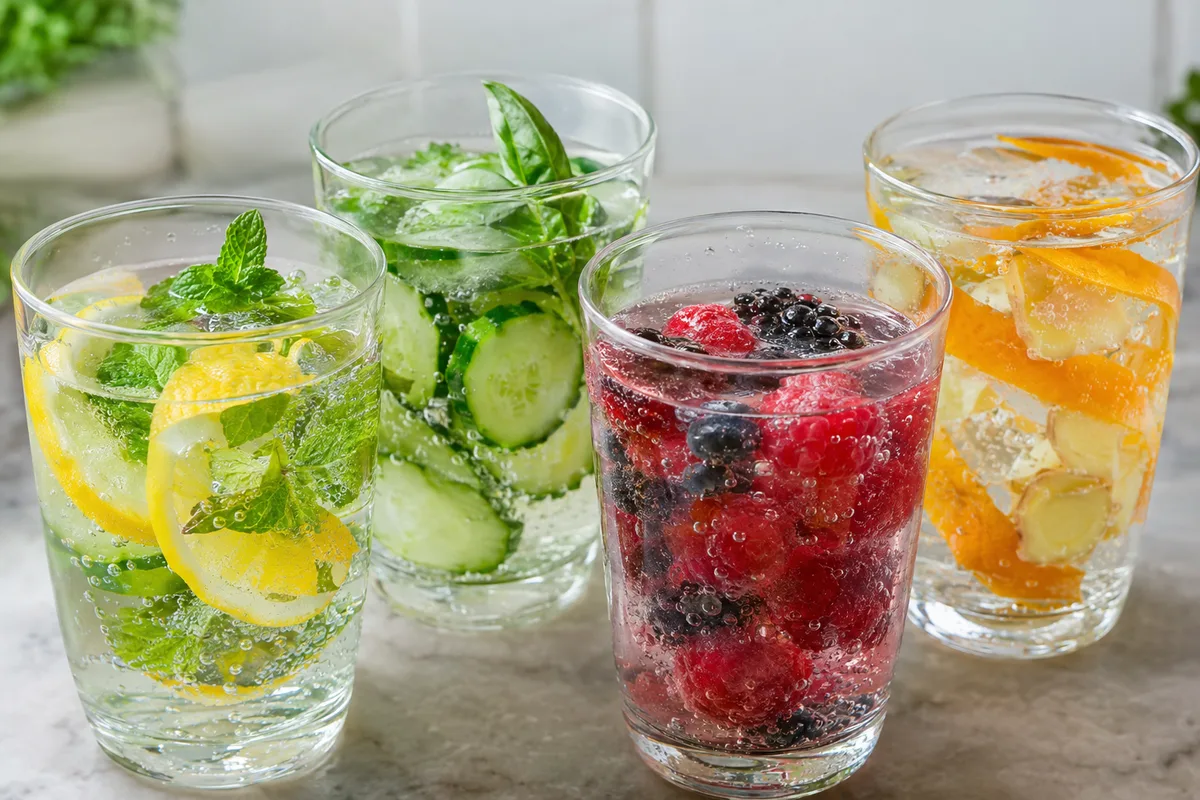
You can add flavour at home while keeping control of the ingredients. Fresh fruit, herbs and spices change the aroma as well as the taste. If you squeeze in juice or add edible fruit, log it when the amount is meaningful for your usual tracking method.
Use cold sparkling water and add delicate ingredients shortly before drinking. Crushing herbs gently can release more aroma, while leaving fruit in the glass creates a lighter flavour. Additions that contain sugar or juice will change the nutrition more than a strip of peel or a herb sprig.
Strongly carbonated water can foam when ingredients are added, so pour slowly. Choose combinations you already enjoy in food rather than adding many flavours at once. A simple pairing is often easier to repeat and log.
- Lemon peel with a sprig of mint
- Cucumber slices with basil
- Fresh berries lightly crushed in the glass
- Orange peel with a small piece of fresh ginger
- A measured splash of fruit juice
A simple way to find your favourite
Compare a few drinks using the same criteria instead of searching for one universal winner. Notice the bubble strength, sweetness, aftertaste and how well the drink works with food. You may prefer different options at different times.
Keep tracking practical. Save the exact branded entry when the drink contains energy, or use a plain sparkling water entry when the ingredients support that choice. If label details and an app entry disagree, use the information on the container.
Your best sparkling water is one that tastes good to you, has ingredients you understand and is easy to account for. It does not need special claims or an elaborate ingredient list. A repeatable choice is usually more useful than chasing a supposedly perfect bottle.
- Check the ingredients
- Compare nutrition information
- Taste it cold and with a meal
- Note the sweetness and aftertaste
- Choose the option you will genuinely enjoy