
The Best Honey Substitutes for Cooking, Baking and Drinks
The best substitute for honey depends on whether you need sweetness, moisture, stickiness or a distinctive flavour. This guide explains the main options and how to record them when tracking what you eat.
Start with the job honey is doing
Honey brings more than sweetness to a recipe. It can add moisture to cakes, help a glaze cling to food and soften sharp flavours in dressings. Its floral taste may also be an important part of the finished dish.
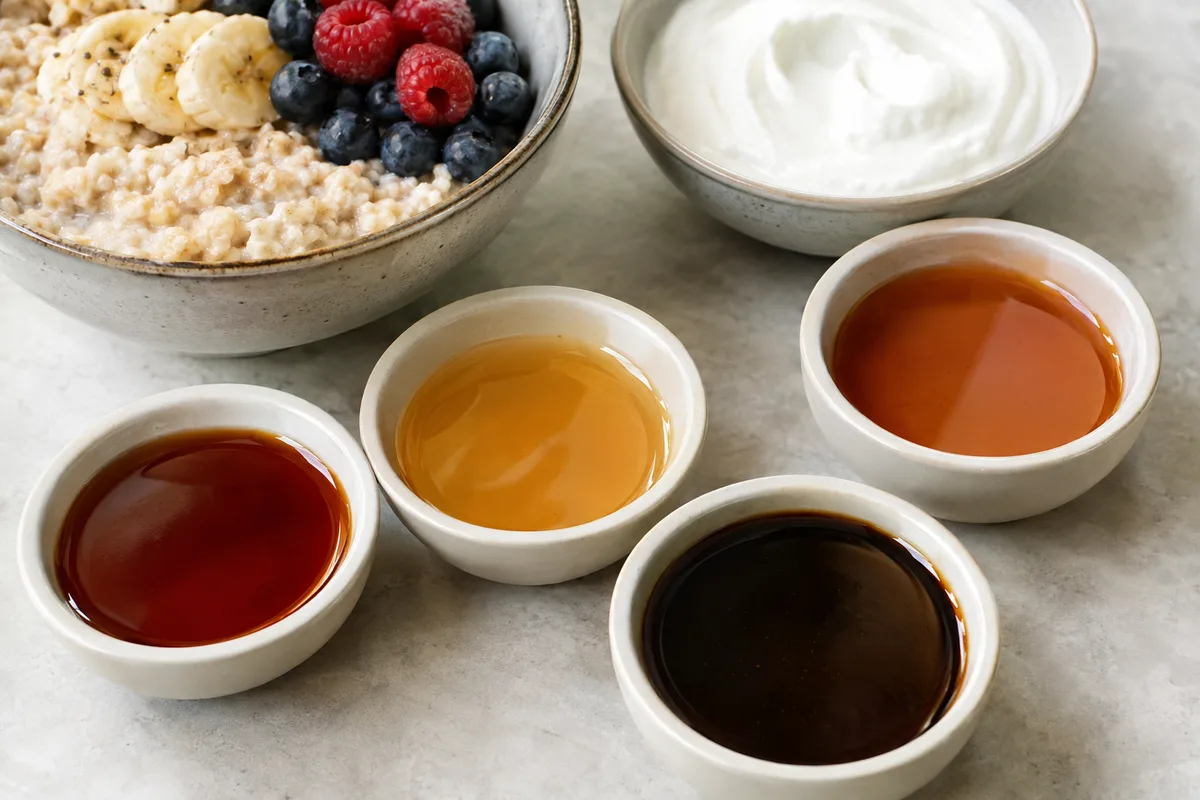
Before choosing a substitute, decide which of these qualities matters most. A liquid sweetener is usually easiest in drinks, sauces and marinades, while sugar can work when texture is less important. In baking, the choice needs more care because changing a liquid ingredient to a dry one can alter the result.
- For sweetness and flow, try maple syrup or agave syrup.
- For a thick, sticky glaze, try golden syrup or date syrup.
- For baking, choose a liquid sweetener with a similar consistency.
- For a less sweet result, use mashed fruit or fruit purée where the recipe allows.
Liquid sweeteners are the closest everyday swaps
Maple syrup, agave syrup, golden syrup and date syrup can often take honey's place without greatly changing the amount of liquid in a recipe. They dissolve easily in porridge, yoghurt, hot drinks and dressings. Each has its own flavour, so the best choice depends on the other ingredients.
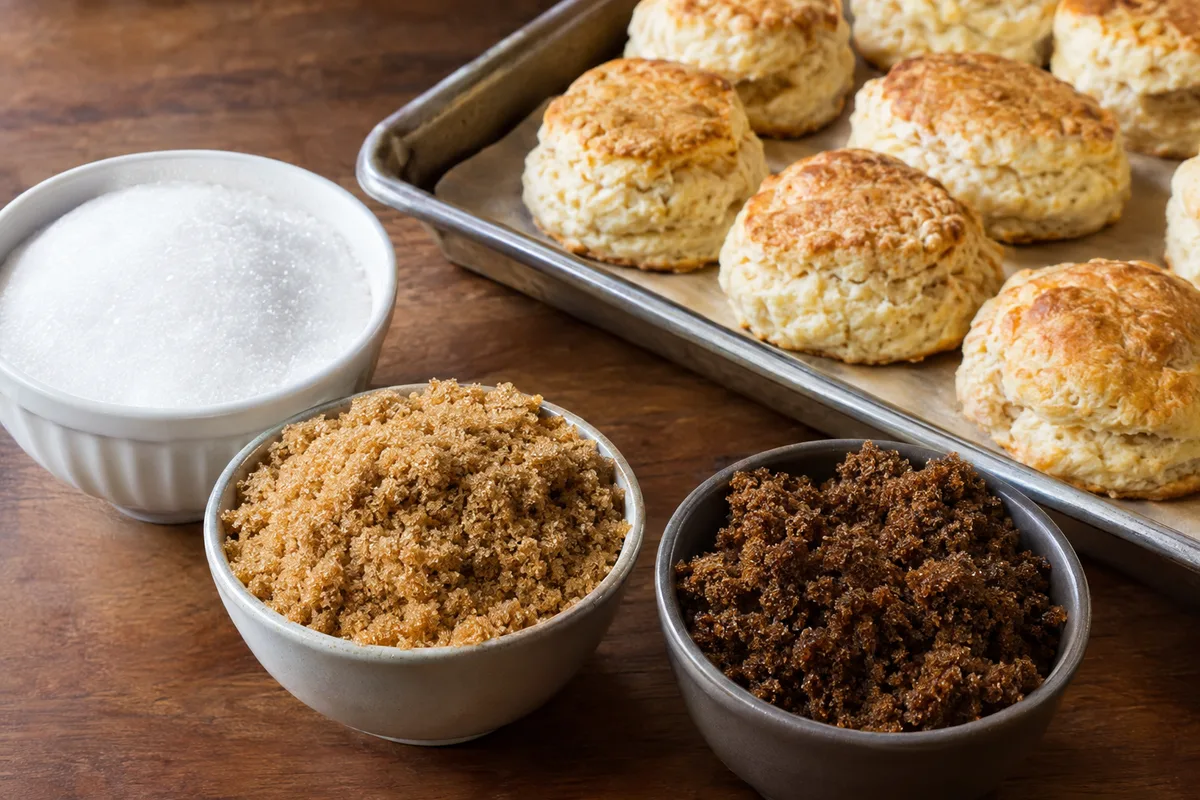
Maple syrup has a noticeable caramel and woody flavour, while agave syrup is usually milder. Golden syrup is thick and buttery-tasting, and date syrup has a deeper fruit flavour. Their sweetness and energy content are not identical, so check the label rather than assuming they match honey.
- Use maple syrup with oats, yoghurt, pancakes and mustard-based dressings.
- Use agave syrup when you want a mild flavour in drinks or cold dishes.
- Use golden syrup in sticky bakes, sauces and glazes.
- Use date syrup with warm spices, fruit, nuts and roasted vegetables.
Sugar works when moisture is not central
White sugar, brown sugar and other granulated sugars can replace honey when the main aim is sweetness. They are especially practical in tea, coffee, porridge and recipes that already contain plenty of liquid. Brown sugar adds a fuller caramel flavour, while white sugar is more neutral.
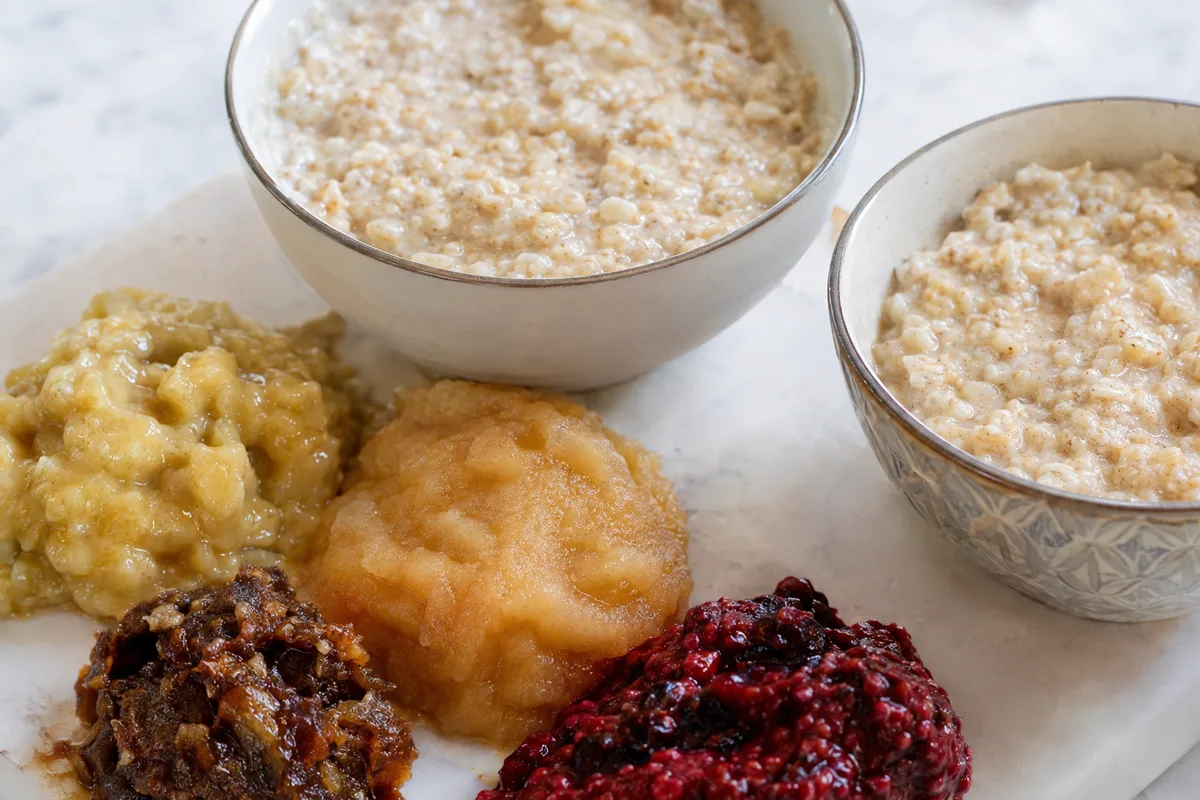
A dry sweetener is not always a direct baking swap because honey contributes liquid and holds moisture. Cake or biscuit dough may become drier or firmer if the recipe is not adjusted. It is safer to use a recipe designed for sugar when texture and structure are important.
- Choose white sugar when you want straightforward sweetness.
- Choose light brown sugar for a gentle caramel note.
- Choose dark brown sugar when a stronger molasses flavour suits the dish.
- Dissolve sugar in the liquid part of a dressing or sauce to avoid a grainy texture.
Fruit can add sweetness with a different texture
Mashed banana, apple purée and blended dates can sweeten some dishes while adding their own flavour and body. They work best in porridge, smoothies, soft bakes and snack mixtures. Unlike honey, they are not smooth, clear syrups, so they will noticeably change the texture.
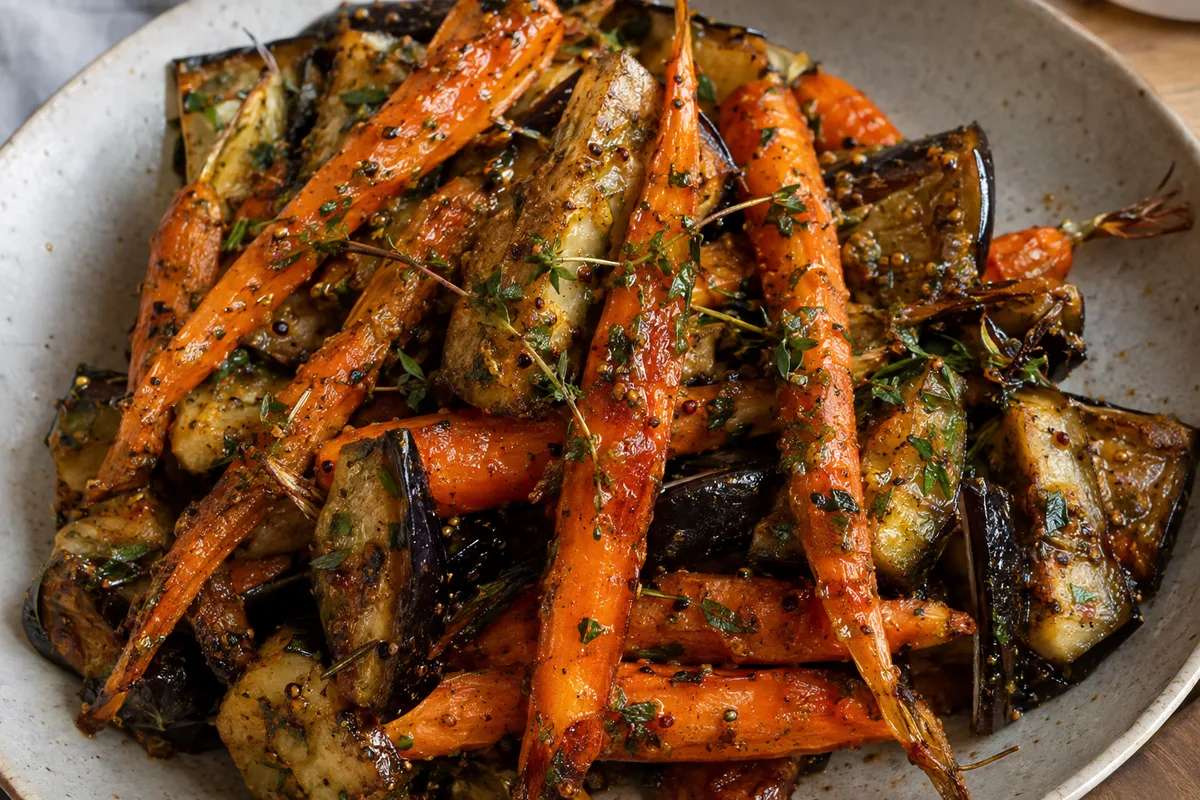
Fruit is not automatically a direct substitute in every recipe. Banana can make a mixture heavier, apple purée adds moisture, and blended dates create a thick paste. Add a little at a time and judge the taste and consistency before adding more.
- Mashed banana suits porridge, muffins and soft oat mixtures.
- Apple purée works in gently flavoured cakes and breakfast bowls.
- Blended dates suit dense bakes, nut mixtures and spiced dishes.
- Crushed berries can sweeten yoghurt or porridge while keeping a fresh fruit flavour.
Match the substitute to savoury dishes
In savoury cooking, honey often balances salty, sour or spicy ingredients and helps create a glossy coating. Maple syrup, golden syrup and date syrup can perform a similar role, but their flavours remain noticeable. Plain sugar can also work if it is fully dissolved into a sauce or dressing.
For roasted food, a thick syrup usually clings better than a thin fruit purée. Sweet ingredients can darken quickly under strong heat, so add a glaze later in cooking when appropriate. Taste the mixture before coating the food, as mustard, vinegar, citrus juice and spices can change how sweet it seems.
- Pair maple syrup with mustard, vinegar or roasted root vegetables.
- Pair date syrup with warm spices, aubergine or carrots.
- Use dissolved brown sugar in marinades and dipping sauces.
- Use a small amount of fruit purée in thicker chutney-style sauces.
Record the substitute you actually use
When tracking your food, replace the honey entry with the ingredient that went into the dish. Do not keep the same logged amount simply because the substitute filled the same role. Different syrups, sugars and fruit preparations can have different energy and carbohydrate values.
Use the package label or the matching entry in your food log, and record the portion you used. For a homemade recipe, add the substitute to the full recipe and divide the finished dish into the portions you actually serve. If you change the ingredient again next time, update the recipe rather than relying on the old entry.
- Check whether the entry is for a syrup, granulated sugar, purée or whole fruit.
- Match the logged unit to how you measured the ingredient.
- Use the specific label information when brands or varieties differ.
- Save separate recipe versions when you make regular swaps.