
The best substitutes for sweetened condensed milk
Sweetened condensed milk adds sweetness, richness and a thick texture, so the right substitute depends on what you are making. This guide explains the main options, how to use them and what to record when you track your food.
Start with what condensed milk does
Sweetened condensed milk is milk with much of its water removed and sugar added. It is thick, smooth and much sweeter than ordinary milk. In a recipe, it may provide sweetness, moisture, richness and structure at the same time.
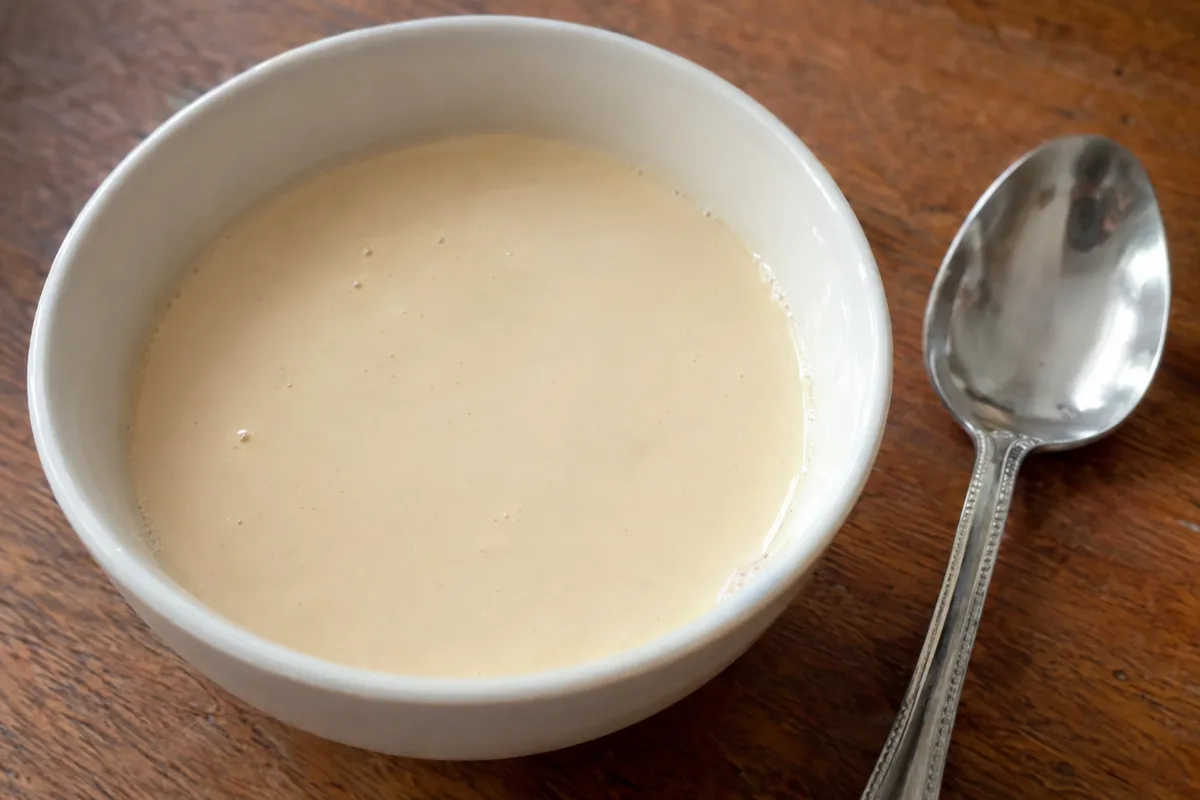
Before choosing a substitute, decide which of those jobs matters most. A drink may only need sweetness and creaminess, while a pie filling may rely on condensed milk to set correctly. Substitutions are usually easier in sauces, drinks and toppings than in recipes where texture depends on precise proportions.
- For sweetness, use a sweetened milk-based or plant-based alternative.
- For thickness, choose a reduced mixture rather than plain milk.
- For richness, include an ingredient with some fat.
- For baking, check whether the recipe relies on condensed milk for structure.
Evaporated milk with added sugar
Evaporated milk is one of the closest starting points because it has already had some water removed. However, it is thinner and far less sweet than sweetened condensed milk. Sugar needs to be dissolved into it, and gentle heating can help the mixture become smoother and slightly thicker.

The amount of sugar depends on the recipe and how sweet you want the result to be. Let the mixture cool before judging its consistency, as it will thicken as it cools. This option works well in drinks, sauces, chilled desserts and recipes where a small texture change is acceptable.
- Heat gently rather than boiling rapidly.
- Stir until the sugar has fully dissolved.
- Cool before adding it to a cold recipe.
- Log the evaporated milk and added sugar separately for the most accurate entry.
Condensed coconut milk
Sweetened condensed coconut milk is a convenient plant-based substitute with a similarly thick and sweet consistency. It can often be used in the same way as the dairy version, especially in drinks, puddings, sauces and no-bake desserts. Its coconut flavour may remain noticeable, so it suits some recipes better than others.
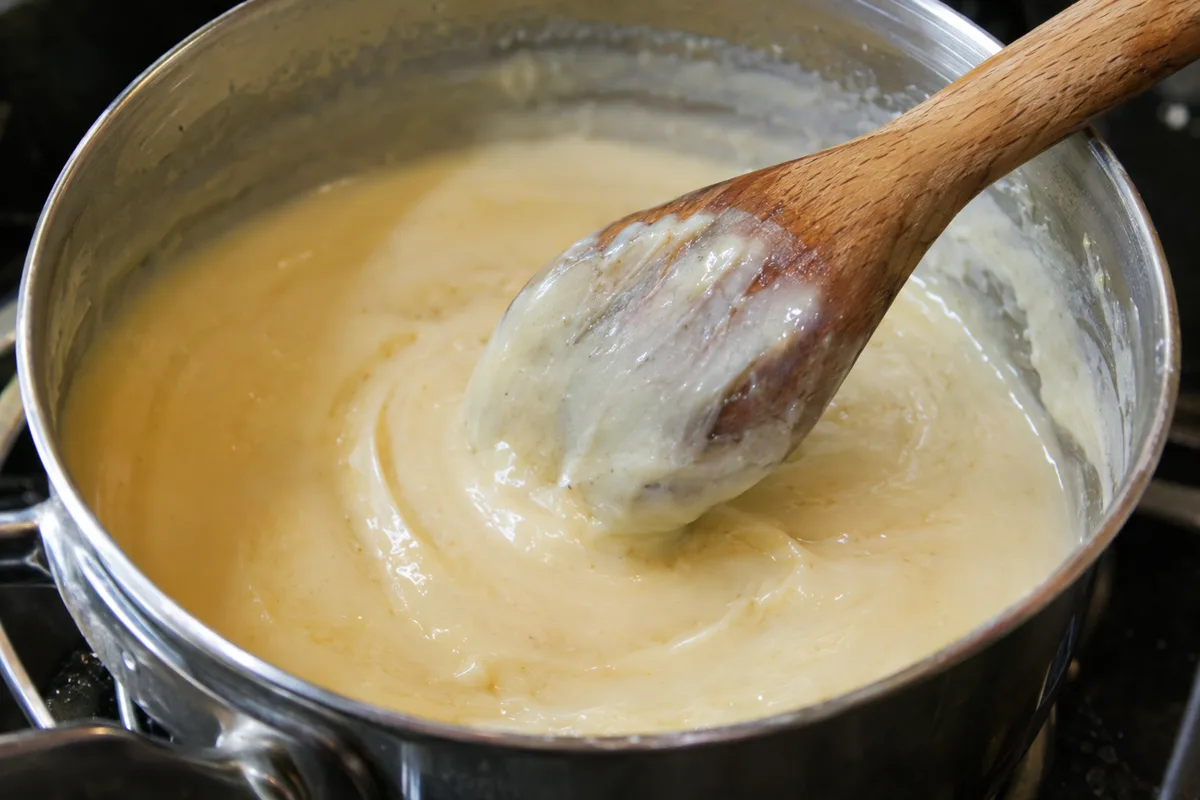
Check the label rather than assuming its nutrition is the same as dairy condensed milk. Sugar and fat content vary between products, which can change both the taste and your food log. Use the serving information from the product you actually use instead of copying an entry for a different type.
- Pair it with chocolate, coffee, banana or warm spices.
- Use it in chilled desserts where a thick texture matters.
- Taste before adding any extra sugar.
- Choose another option if coconut would clash with the main flavour.
Cream and sugar reduced together
Cream and sugar can be heated gently to make a rich, thick substitute. As water evaporates, the mixture becomes more concentrated and coats a spoon more readily. It will usually taste richer and less milky than standard sweetened condensed milk.
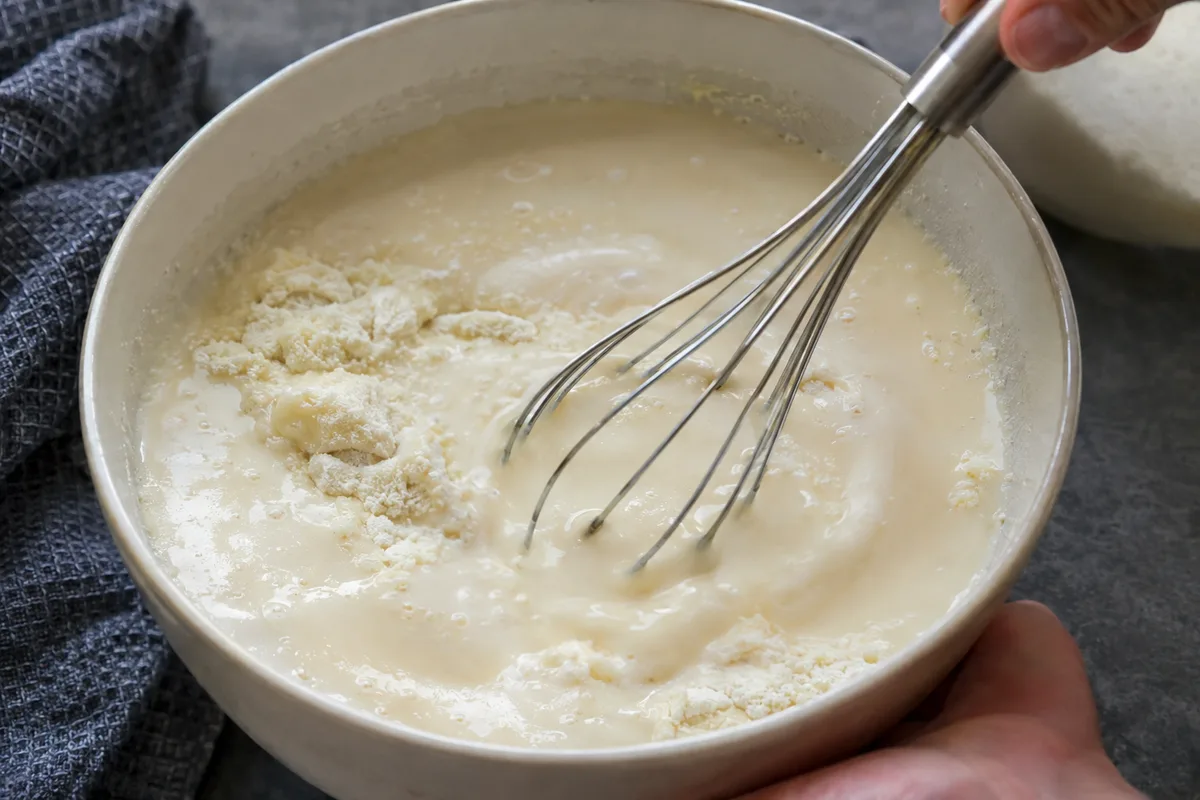
This swap is useful for sauces, dessert fillings and toppings, but the final texture depends on the cream, heating time and sugar used. Keep the heat low and stir regularly to reduce the chance of scorching. Because cream is energy-dense, record the actual ingredients and the share of the finished batch that you eat.
- Use gentle heat and a heavy-based pan.
- Stir around the base and sides of the pan.
- Stop cooking before it becomes as thick as you want, because it thickens while cooling.
- Add a little milk if the cooled mixture is too firm.
Milk powder for a quick homemade version
Milk powder can create a concentrated milk mixture without a long reduction time. Blending it with warm water, sugar and a source of fat produces sweetness, body and a smooth texture. The exact balance depends on the milk powder and the consistency required by your recipe.
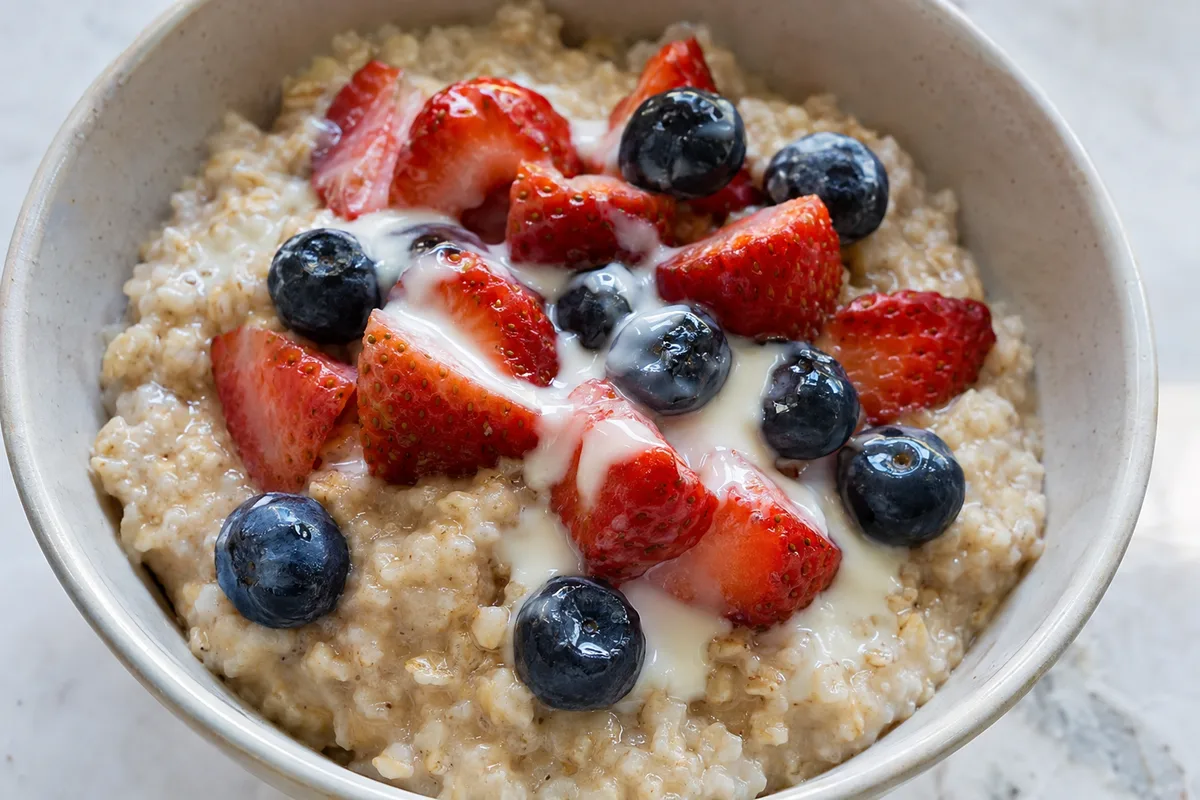
Add the liquid gradually so the mixture does not become too thin. A little butter can provide richness, while more milk powder can increase the milk flavour and body. This version is useful when the condensed milk is being stirred into a mixture rather than used as a precise baking component.
- Dissolve the sugar in warm liquid first.
- Add milk powder gradually and mix until smooth.
- Include butter only if the recipe needs extra richness.
- Chill the mixture before deciding whether it is thick enough.
Simpler swaps for drinks and toppings
Some uses do not require a close imitation of condensed milk. In coffee, porridge, fruit or a dessert topping, ordinary milk or a plant drink can be combined with a sweetener. Yoghurt can also work when you want a spoonable, slightly tangy result rather than a pourable one.
These looser swaps may not work in pies, traybakes or set desserts because they contain more water and offer less structure. When tracking, enter each ingredient you used rather than logging sweetened condensed milk as a stand-in. If you prepare a batch, record the full recipe and divide it by the portions you actually serve.
- Milk with sugar for tea, coffee or porridge.
- A plant drink with syrup for a dairy-free drizzle.
- Plain yoghurt with a sweetener for fruit or pancakes.
- Cream with a sweetener for a richer topping.
- Blended yoghurt and milk for a thinner dessert sauce.