
Which Types of Fish Are Best for Your Health?
There is no single healthiest fish, because different varieties bring different nutrients to the table. A varied choice, prepared simply and logged accurately, is usually more useful than chasing one perfect option.
Start with oily fish
Oily fish such as salmon, sardines, mackerel, trout and herring contain omega-3 fats, along with protein and a range of vitamins and minerals. They tend to contain more fat than white fish, so their energy content is often higher, but that fat is part of what makes them nutritionally distinctive.
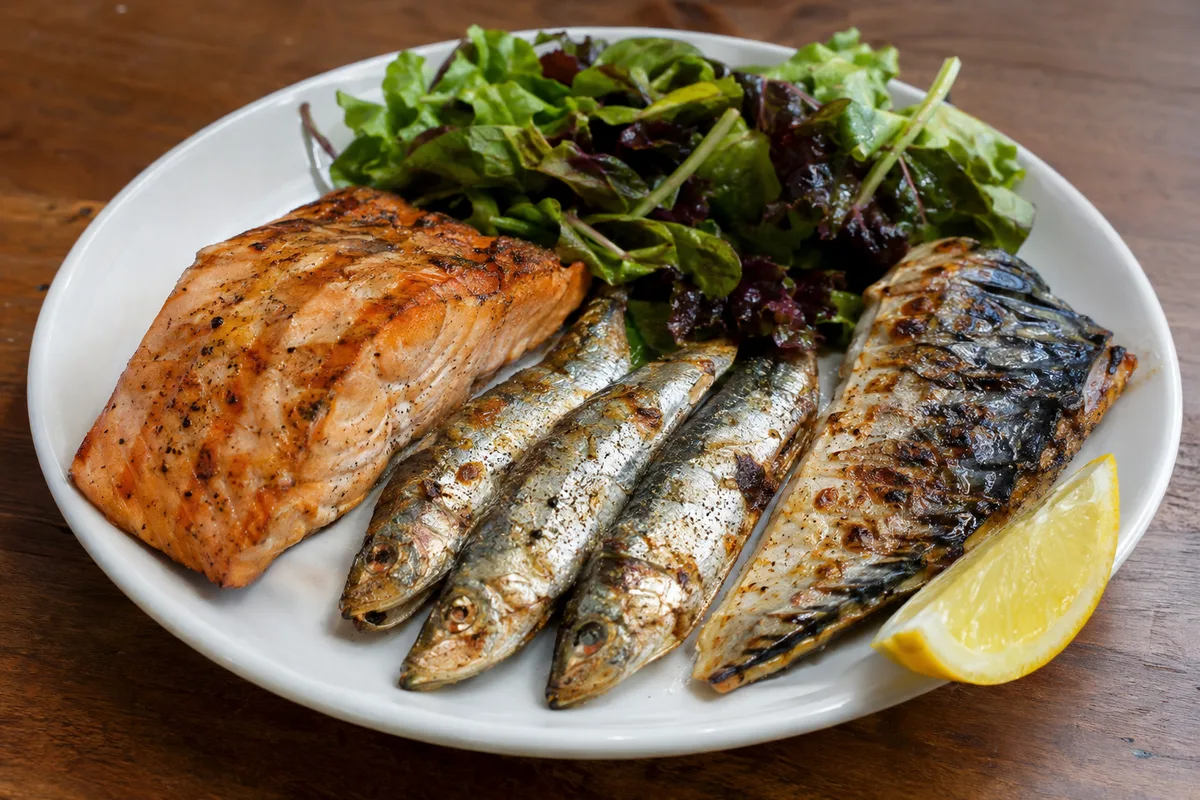
If you track your intake, choose the closest match for the exact fish and preparation method rather than logging every fillet as generic fish. Fresh, frozen and tinned versions can all fit, although oil, sauces and marinades may change the nutrition shown on the label.
Use white fish for a leaner option
Cod, haddock, pollock, hake and plaice are examples of white fish. They are generally lean, protein-rich choices with a mild flavour, making them easy to use in many everyday meals.
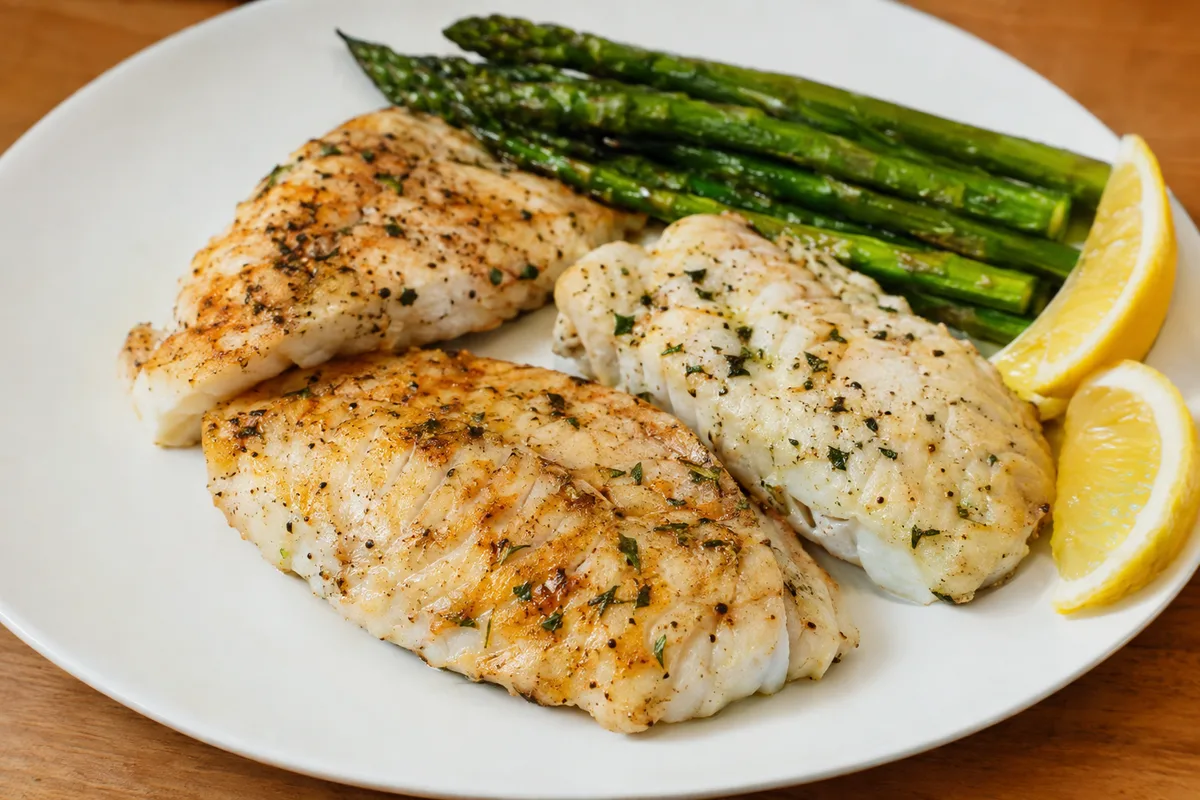
The way white fish is cooked can matter more to your log than the species itself. Steaming, baking or grilling usually adds little energy, while batter, breadcrumbs, butter and cooking oil need to be counted separately or included through an accurate recipe entry.
Remember shellfish and smaller fish
Prawns, mussels, crab and other shellfish can add protein and useful minerals while giving meals a different texture and flavour. Their nutritional profile varies, so check the label or database entry for the particular type rather than treating all shellfish as identical.
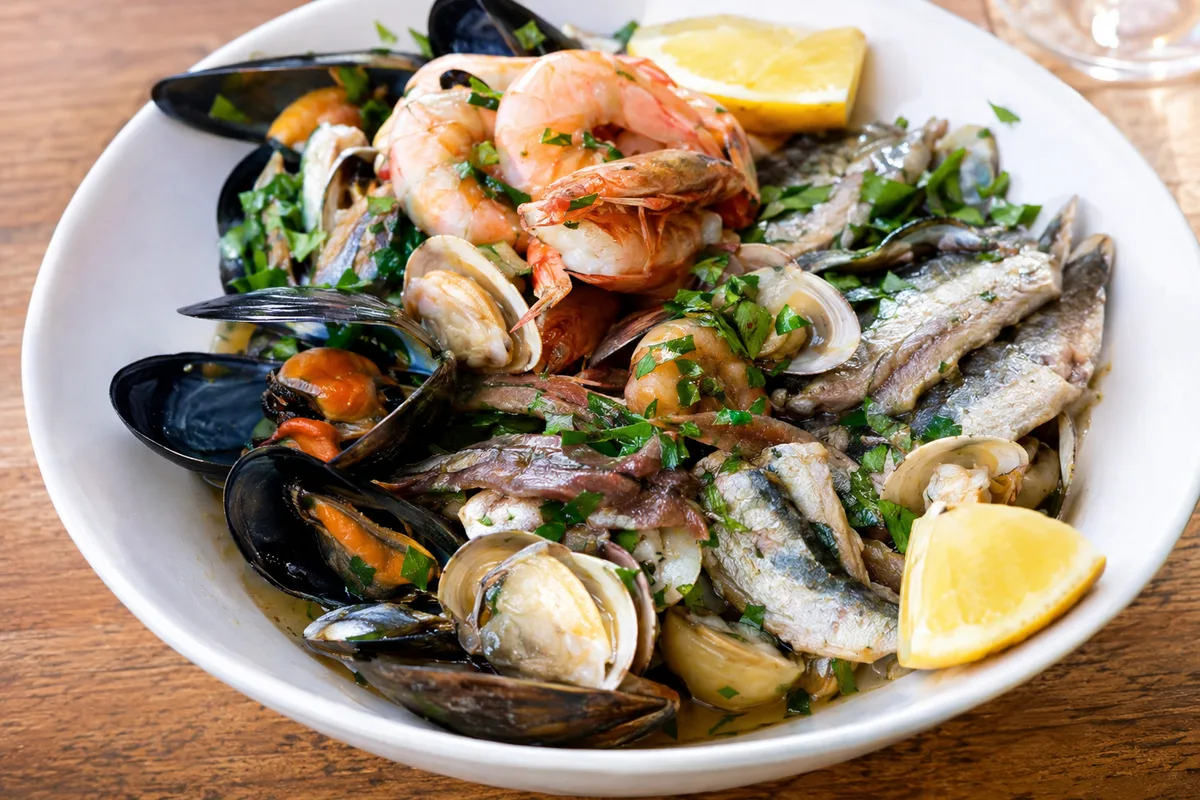
Smaller fish such as sardines and sprats are also worth considering, especially when their soft bones are eaten. Tinned choices are convenient, but brine, oil and sauces affect what you record, so note whether the listed values apply to drained or undrained contents.
Choose variety and check the details
The best approach is usually to rotate between oily fish, white fish and shellfish according to your preferences and overall eating pattern. Variety gives you a broader mix of nutrients and makes it less likely that your plan will depend too heavily on one food.
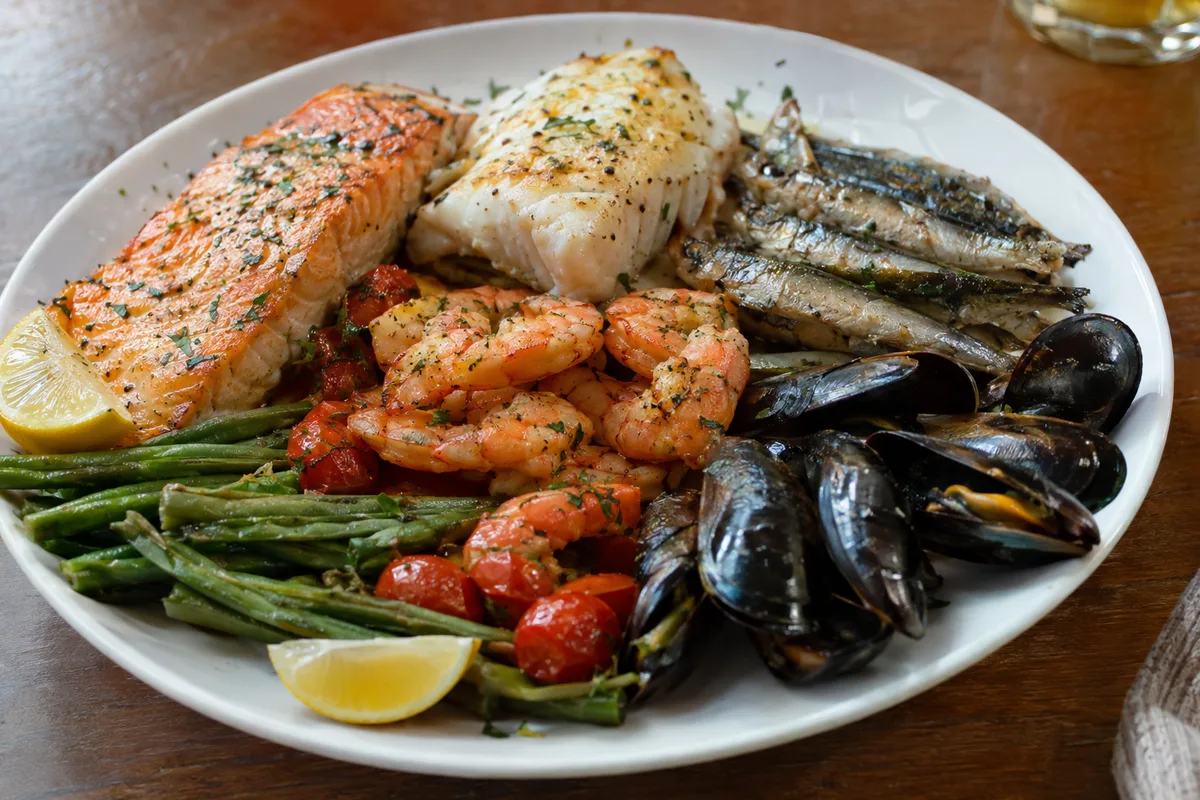
Some fish can contain more environmental contaminants than others, and suitable choices may depend on age, pregnancy and local guidance. Check current official advice where relevant, then focus on portions, cooking fats and sauces when logging, as these details often explain the biggest differences between similar fish meals.