
Choosing a Diet for Health and Weight Loss
There is no single diet that suits every appetite, routine or food preference. This guide compares several common approaches and shows how to use your food log to choose one you can maintain.
Start with the pattern, not the label
Weight loss generally requires you to take in less energy than your body uses over time. A named diet can provide a structure for doing that, but the name itself does not cause the change. Portion sizes, drinks, snacks and how consistently you follow the pattern still matter.
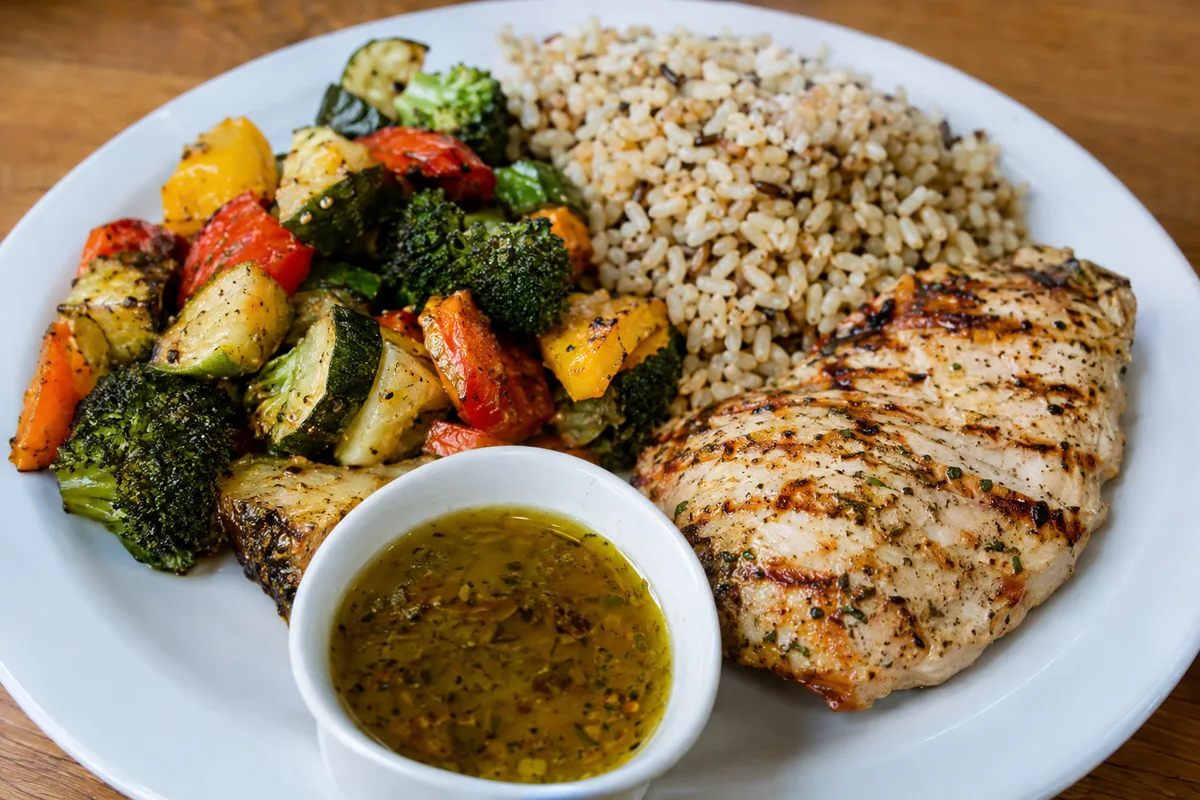
Your current food log is a useful starting point. Look for meals that leave you satisfied, times when hunger is strongest and foods that contribute plenty of energy without much enjoyment. A suitable diet should work with your routine, cooking skills, budget and social life rather than demanding a complete overhaul.
- Identify one regular meal that could be made more filling or balanced
- Notice whether drinks, snacks or large portions are affecting your overall intake
- Keep favourite foods in the plan instead of relying on strict bans
- Judge progress over time rather than reacting to a single day
A balanced whole-food approach
A balanced approach does not remove a major food group or require special meal times. Meals usually combine vegetables or fruit, a source of protein, a starchy carbohydrate and some fat. The exact proportions can change with your appetite, preferences and activity.
This pattern can be a practical choice if you value flexibility. Foods rich in fibre and protein can help meals feel more substantial, while planned portions make energy intake easier to understand. Your log can show whether meals are balanced or whether one part regularly crowds out the others.
- Build meals around vegetables, beans, eggs, fish, lean meat or other protein sources
- Choose higher-fibre bread, rice, pasta or potatoes when they suit the meal
- Include fats such as nuts, seeds, avocado or olive oil in measured portions
- Plan room for enjoyable foods rather than treating them as mistakes
Mediterranean-style eating
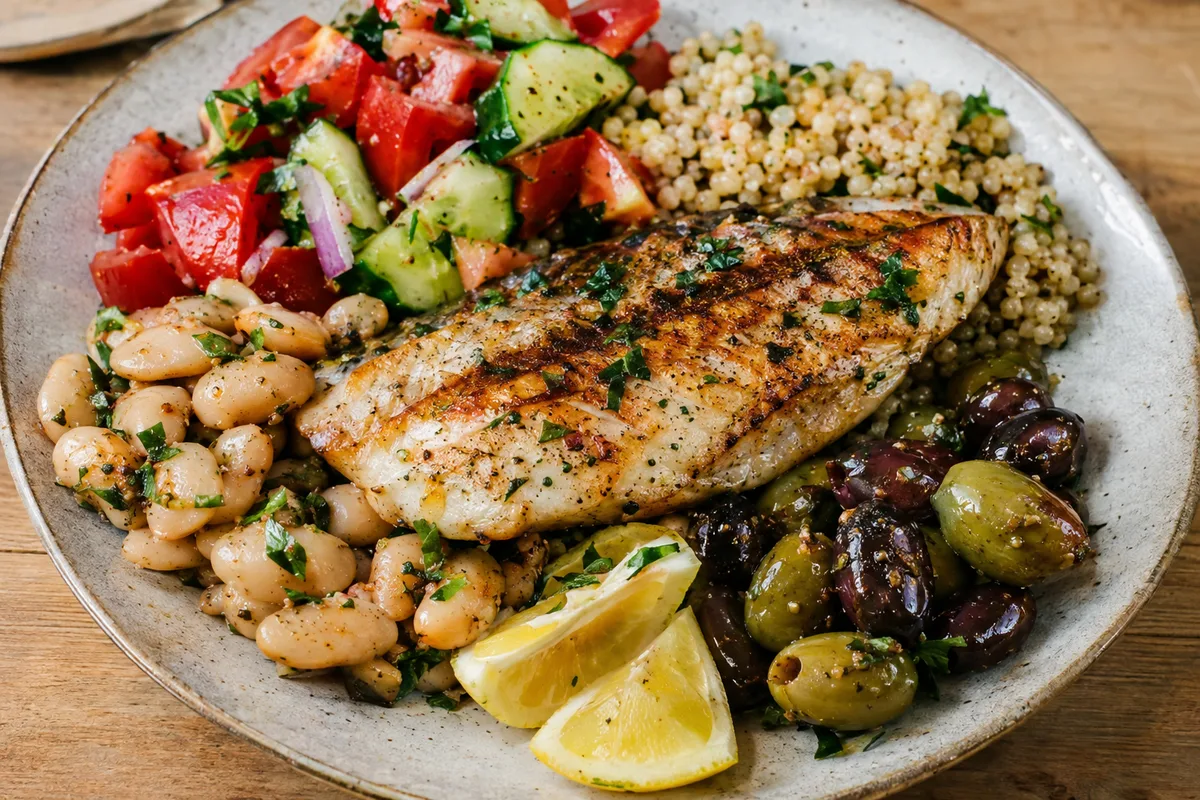
Mediterranean-style eating centres on vegetables, fruit, beans, whole grains, nuts, seeds and olive oil. Fish and other protein foods can be included, while highly processed foods tend to play a smaller role. It is a broad eating pattern rather than a fixed menu.
This approach can support varied, colourful meals without detailed food rules. However, foods such as oils, nuts and cheese are energy-dense, so portions still matter when weight loss is the goal. Tracking them accurately can help you keep their flavour and nutritional value without overlooking their contribution.
- Add beans or lentils to soups, salads and stews
- Use vegetables as a substantial part of lunch and dinner
- Choose whole grains when you enjoy them
- Measure oils, nuts and cheese rather than estimating generous servings
A higher-protein approach
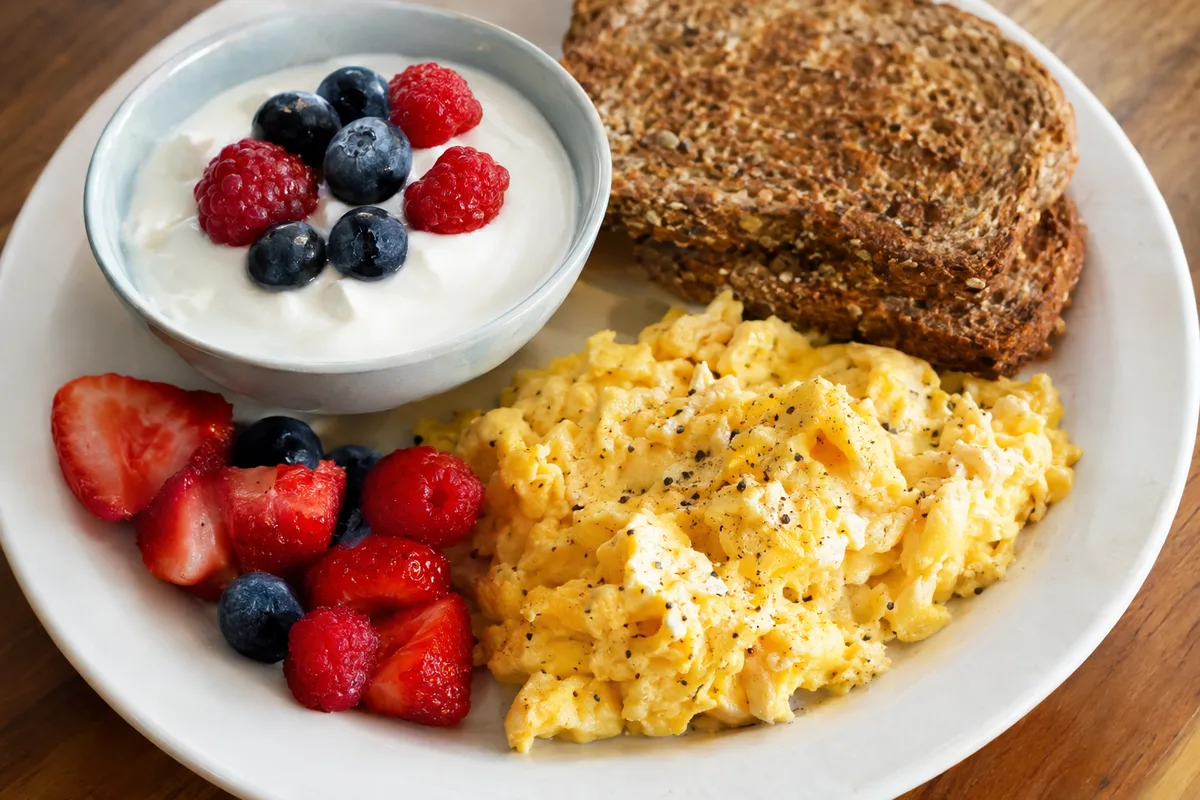
A higher-protein diet gives protein foods a more prominent place at meals and snacks. Options include eggs, yoghurt, fish, poultry, lean meat, tofu, tempeh, beans and lentils. Protein can make a meal more satisfying and helps support body tissues.
Higher protein does not mean eating protein alone. Vegetables, fruit, fibre-rich carbohydrates and suitable fats still contribute variety and balance. In your log, compare how you feel after meals with a clear protein source against meals built mainly around refined carbohydrates or snack foods.
- Include a protein source at breakfast if mornings are often hungry
- Base lunch on beans, eggs, fish, tofu, poultry or another preferred option
- Pair snacks with protein, such as fruit with yoghurt or vegetables with hummus
- Choose cooking methods that do not add more oil than you intend
A lower-carbohydrate approach
A lower-carbohydrate diet reduces foods such as bread, rice, pasta, cereals, potatoes and sugary foods to varying degrees. These foods are often replaced with vegetables, protein foods and fats. There is no single carbohydrate limit that defines the approach for everyone.
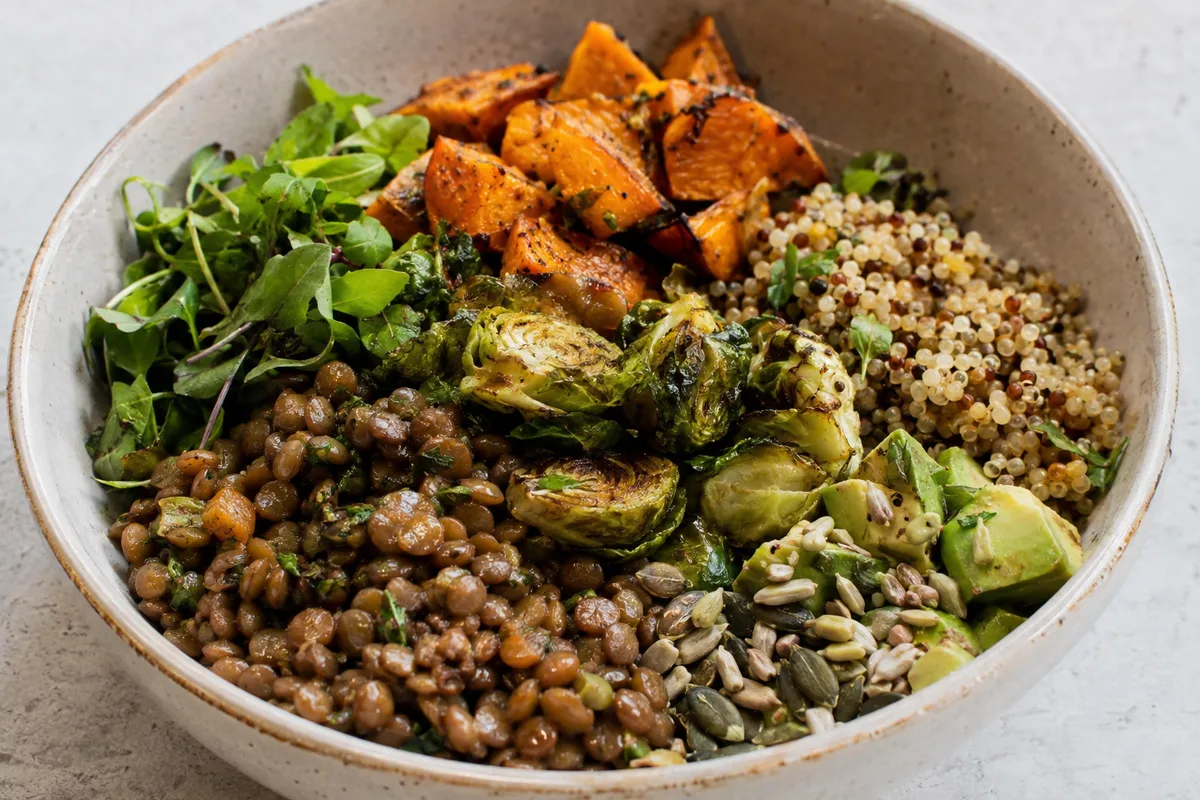
Reducing carbohydrate can simplify choices, but it is not necessary to remove every carbohydrate food. Fruit, beans, whole grains and starchy vegetables can provide fibre and useful variety. Weight loss still depends on overall energy intake, especially if large amounts of cheese, oils, nuts or fatty meats replace the removed foods.
- Reduce the carbohydrate portion rather than automatically removing it
- Keep plenty of non-starchy vegetables in meals
- Choose fibre-rich carbohydrate foods when you include them
- Track added fats carefully because small servings can contribute substantial energy
Plant-forward and fully plant-based diets
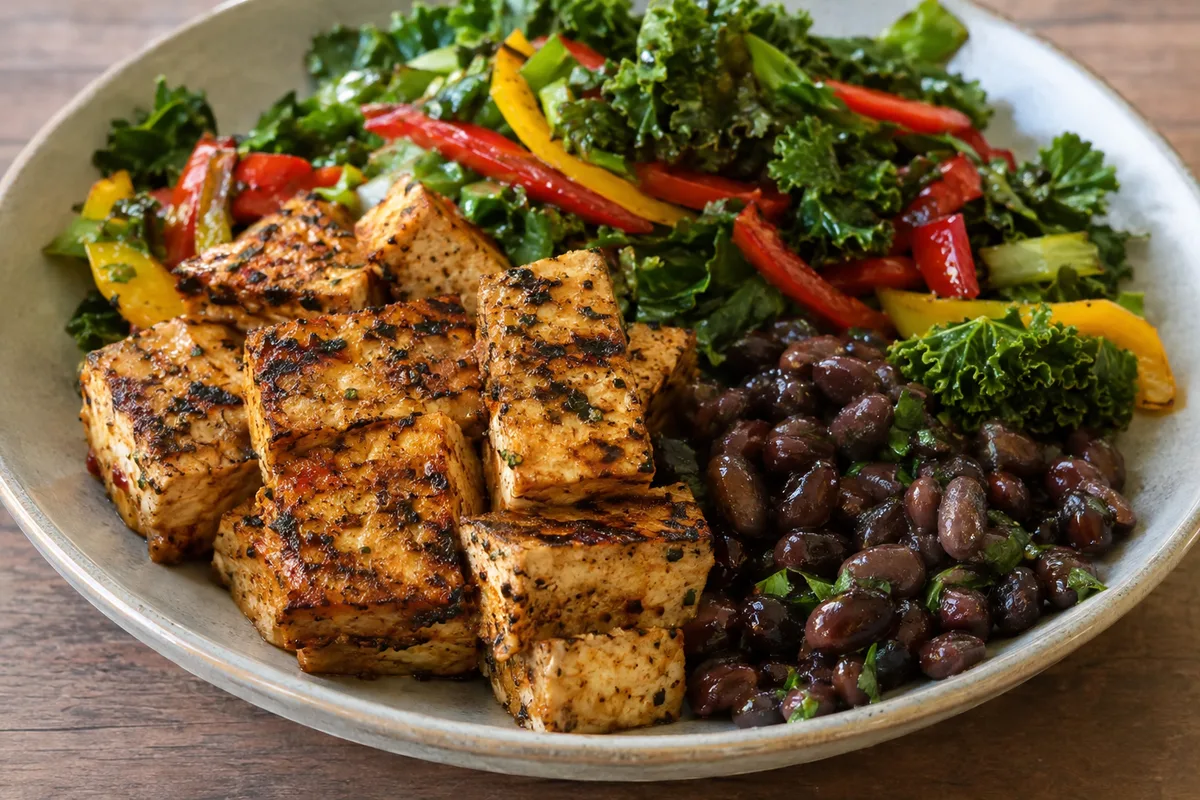
Plant-forward eating makes vegetables, fruit, beans, lentils, grains, nuts and seeds the main parts of the diet. Some versions include smaller amounts of animal foods, while fully plant-based versions exclude them. Either form can range from minimally processed meals to a diet based heavily on snack foods and substitutes.
For weight loss, focus on meal structure rather than assuming every plant-based food is light. Beans, lentils, tofu and other protein sources can help create satisfying meals, while vegetables and whole grains add fibre. Nuts, seeds, oils and some processed alternatives are easy to under-record, so check portions in your log.
- Use beans, lentils, tofu or tempeh as a clear protein source
- Combine different colours and textures to make meals enjoyable
- Choose whole grains and vegetables more often than refined snack foods
- Plan key nutrients carefully when excluding whole food groups