
How to Choose the Best Sports Drink for Your Training
A sports drink can provide fluid, carbohydrate and electrolytes, but not every workout calls for all three. Your food log and training notes can help you decide what fits each session.
Start with the job it needs to do
There is no single best sports drink for every activity. The right choice depends on the length and intensity of your session, the conditions, your sweat rate and whether you have eaten recently.

For a short or easy workout, water may be all you need. A sports drink becomes more useful when training is longer or harder, especially if you need fluid, carbohydrate and electrolytes together.
Check what the label provides
Carbohydrate supplies energy during exercise and usually appears on the label as sugars or total carbohydrate. If you already track your intake, record it just as you would any other source of carbohydrate.
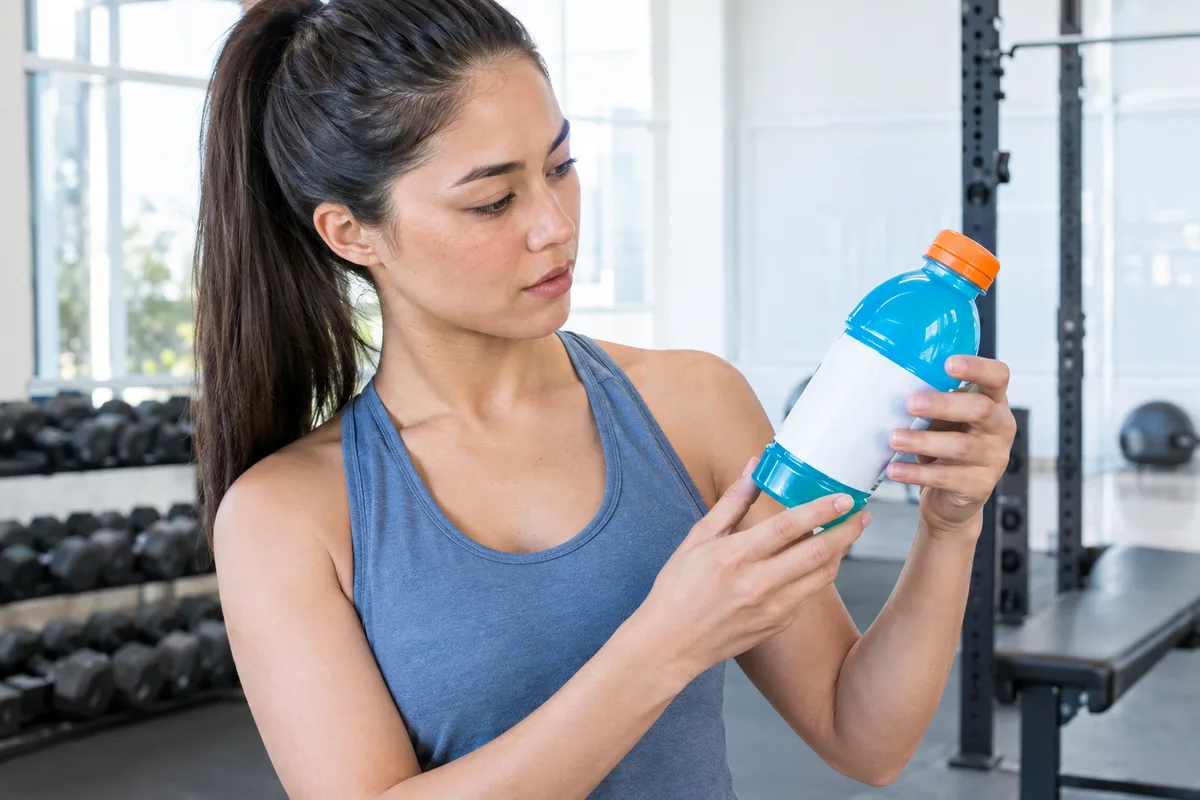
Electrolytes such as sodium help replace some of what is lost in sweat. The amount that suits you depends on how much you sweat, the weather and the rest of your diet, so a higher figure is not automatically better.
Match the drink to the session
Before training, choose something that feels comfortable and does not leave you overly full. During a demanding session, a drink can be a practical way to take in fluid and carbohydrate without stopping to eat.
After training, consider what you plan to eat next. If a meal or snack already covers your recovery needs, the drink may only need to support rehydration rather than add more energy.
Use your tracking notes to compare options
Log the drink alongside the workout, then note thirst, comfort, energy and how easy it was to consume. Comparing similar sessions can show whether a particular carbohydrate level, flavour strength or electrolyte content works better for you.
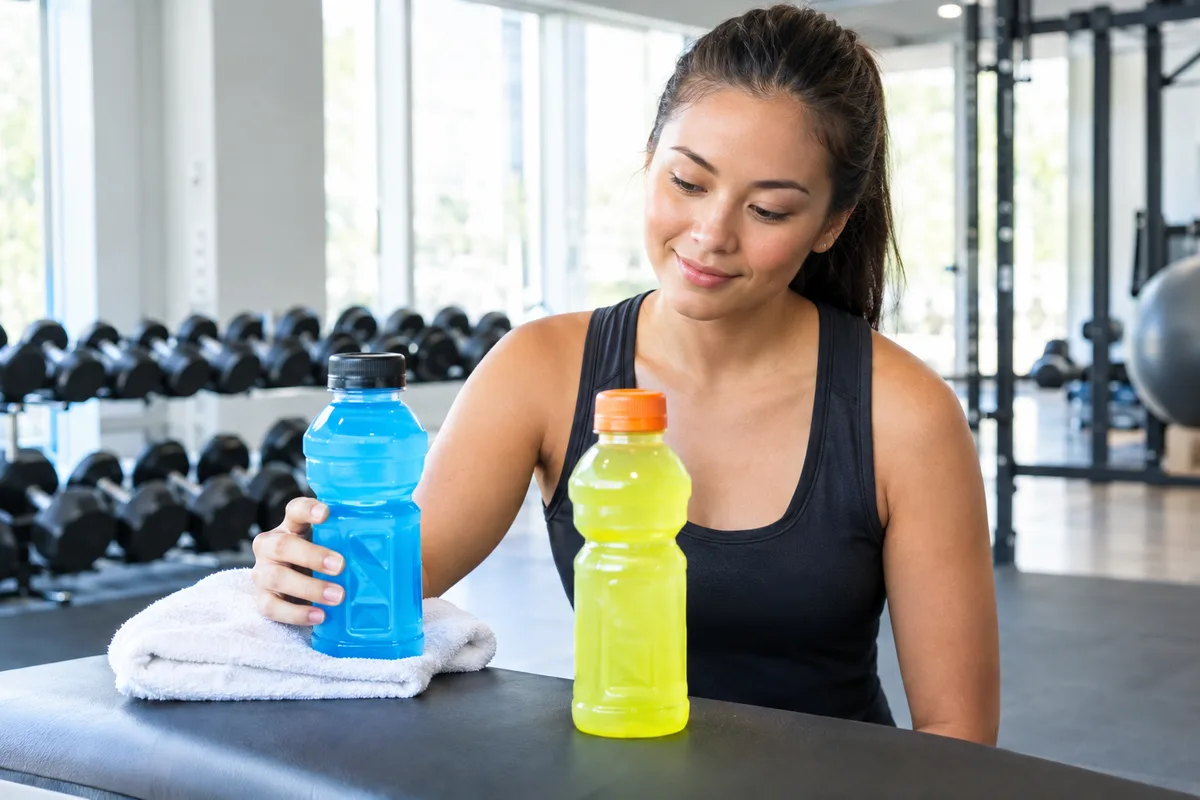
Taste matters because a drink is only useful if you are comfortable drinking it, but sweeter or more concentrated is not always more suitable. Choose according to the purpose of the session, and adjust based on your own records rather than claims on the front of the label.