
The best pre-workout drinks for your routine
The best pre-workout drink is one that suits your session, appetite and usual eating pattern. This guide compares water, caffeinated drinks, carbohydrate options and electrolyte drinks, with practical tips for tracking what works.
Start with what the workout needs
There is no single drink that is best before every workout. A short, comfortable session may need nothing more than water, while a longer or harder session may benefit from some carbohydrate. The right choice also depends on what you have eaten, how much you have already drunk and how your stomach feels.
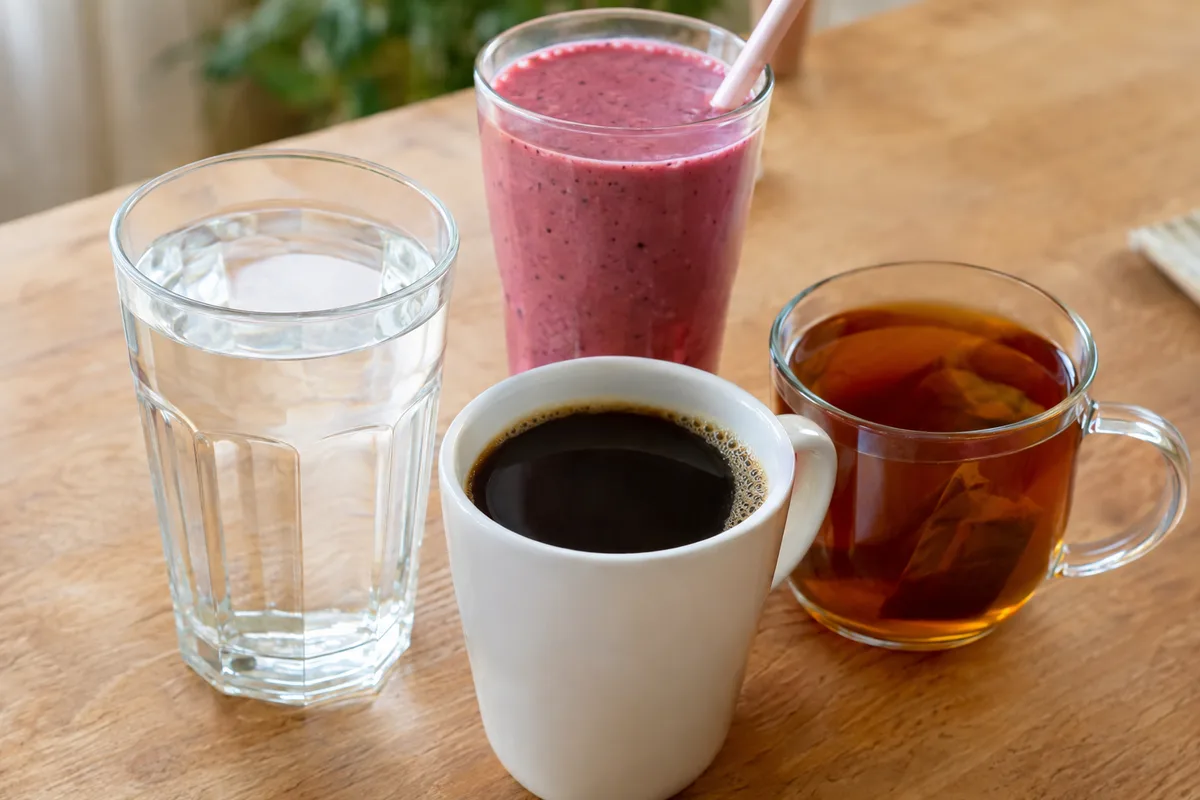
Think of a pre-workout drink as filling a specific gap rather than being a compulsory extra. It might provide fluid, a little energy, caffeine or a combination of these. If your meals already cover those needs, a special drink may add little beyond taste and convenience.
- For hydration before an ordinary session: water
- For alertness: coffee or tea, if caffeine suits you
- For energy when food feels too heavy: a carbohydrate-containing drink
- For a long, hot or very sweaty session: fluid containing electrolytes
Water is the useful default
Water is a sensible starting point for most everyday workouts. It adds fluid without changing the calories or nutrients in your food log. Sipping it during the period before exercise is usually more comfortable than quickly drinking a large amount just before you move.
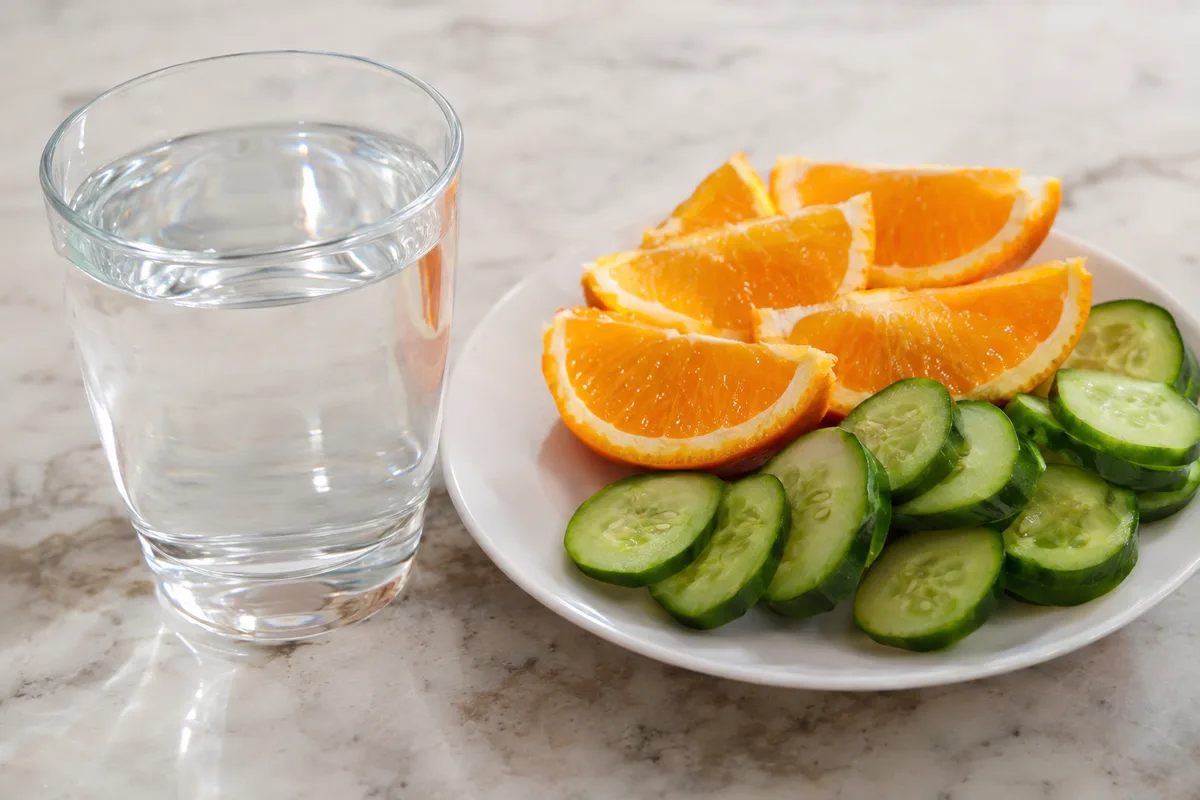
How much you need depends on the weather, the session, your body and how much you have already had that day. Thirst can provide a useful prompt, although habits and busy schedules can make it easy to overlook. Track water alongside the context of the workout rather than chasing one fixed target for every day.
- Drink gradually rather than all at once
- Take extra care with fluid before warm or outdoor sessions
- Notice whether a full stomach makes jumping or running uncomfortable
- Keep your usual meal and snack fluids in mind
Coffee and tea can add caffeine
Coffee and tea are common pre-workout choices because caffeine can support alertness and make effort feel easier to approach. They are not necessary for a productive session, and more is not automatically better. The caffeine content varies with the drink, serving size and how it is prepared.
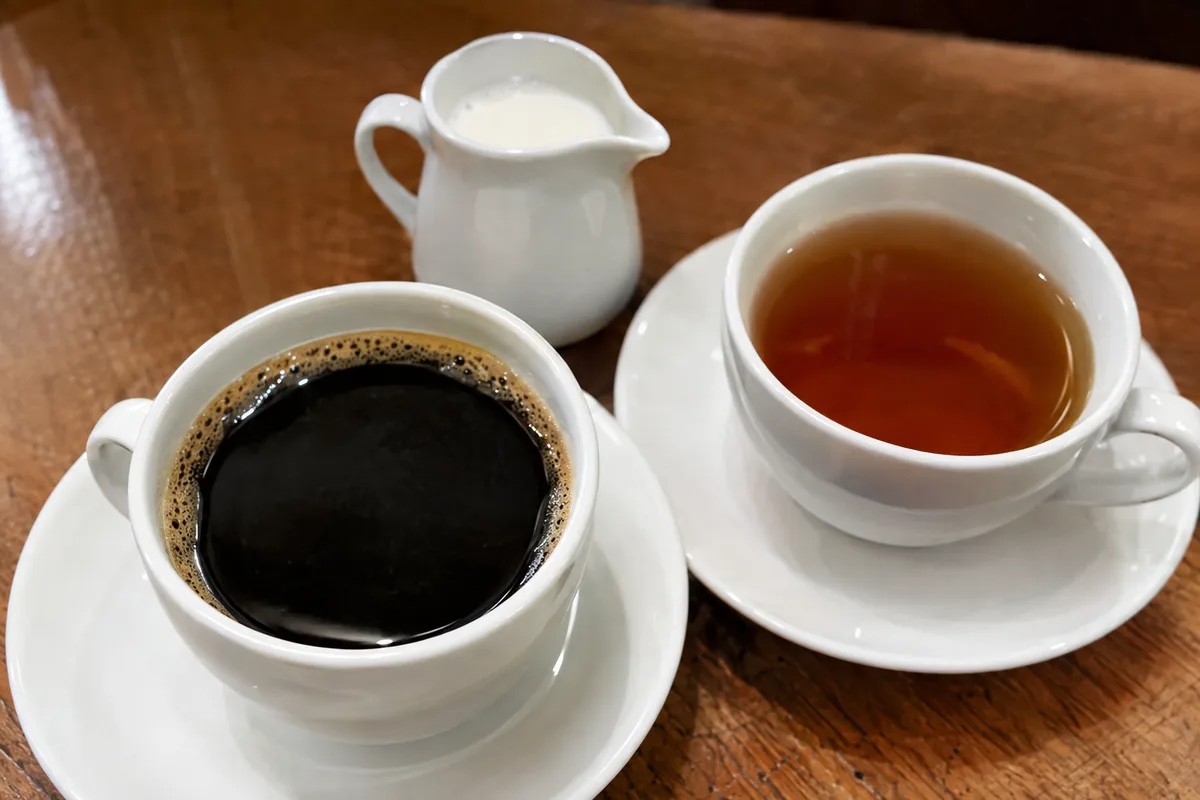
Caffeine can feel helpful to one person and unpleasant to another. It may cause restlessness, stomach discomfort or interfere with sleep, particularly when used later in the day. If you track it, record the type of drink, approximate serving, time and how you felt during the session and afterwards.
- Plain coffee or tea when you only want fluid and caffeine
- Milk added when you also want some carbohydrate and protein
- A decaffeinated version when you enjoy the routine without much caffeine
- A smaller serving when a full mug feels heavy
Carbohydrate drinks can bridge a food gap
Carbohydrate is a main fuel source for harder exercise. If it has been a while since you ate, a drink containing fruit, milk or yoghurt may be easier to manage than a full meal. It can also be logged in the same way as any other snack, using the ingredients and serving you actually have.
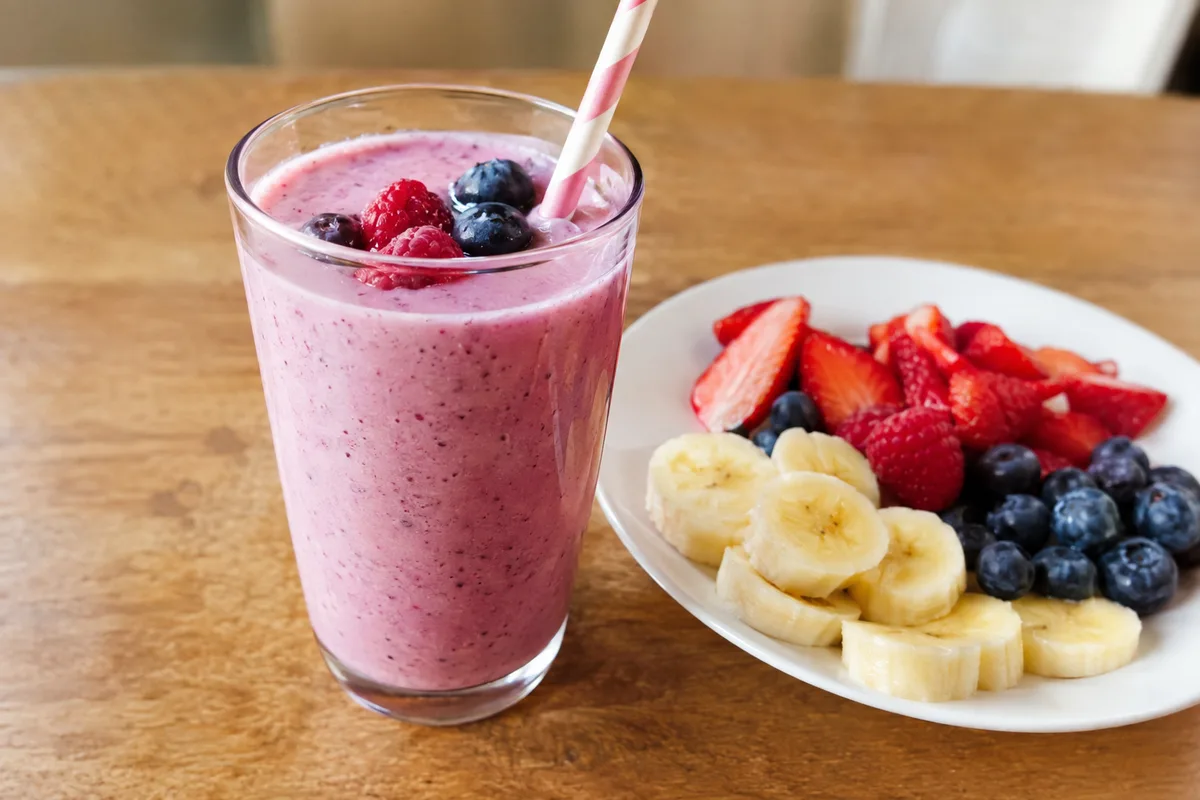
A smoothie can provide carbohydrate along with protein and fibre, but a thick blend may feel too filling close to movement. Fruit juice is lower in fibre and may feel lighter, while milk provides carbohydrate and protein. The best option is the one you digest comfortably and that fits the rest of your day.
- A banana blended with milk
- Yoghurt blended with soft fruit and water
- Fruit juice diluted with water
- Milk with a small amount of fruit
- A thin smoothie when a thick drink feels too filling
Electrolyte drinks have a more specific role
Electrolytes are minerals, including sodium, that are lost in sweat. A drink containing them may be useful before or around a long session, in hot conditions or when you expect to sweat heavily. For a short and gentle workout in comfortable conditions, water and normal meals may already be enough.

Some electrolyte drinks contain carbohydrate, while others contribute little or none. Check the label and log the drink according to what is actually in it rather than treating every sports drink as the same. A drink that supplies both carbohydrate and electrolytes has a different purpose from flavoured water with minerals.
- Consider the expected length and intensity of the session
- Account for heat, humidity and how much you tend to sweat
- Check whether the drink contains carbohydrate
- Include any calories and nutrients in your daily log
- Avoid using a concentrated drink if it feels heavy or overly sweet
Use your food log to find your best option
Your existing food log can help you compare drinks without turning the choice into guesswork. Add a short note about timing, workout type, energy, thirst and stomach comfort. Look for repeated patterns across similar sessions rather than judging a drink after one unusually good or difficult day.
Change one thing at a time when testing an option. For example, keep your usual meal and workout similar while changing only the drink or its timing. Your preferred amount and timing will depend on your body, the session and the rest of your intake.
- Record the drink and its ingredients
- Note when you finished it before exercise
- Describe the session in a few words
- Record energy, thirst and stomach comfort
- Check whether late caffeine affected your sleep