
The Best Protein Shake Is the One That Fits Your Day
Protein shakes vary in protein source, ingredients, texture and purpose. This guide explains how to choose and track one that suits your eating pattern rather than relying on a single “best” option.
Start with what you want the shake to do
There is no single protein shake that is best for everyone. A useful choice depends on why you want it, what else you eat and which flavours and textures you enjoy. Begin by deciding what gap, if any, the shake needs to fill.
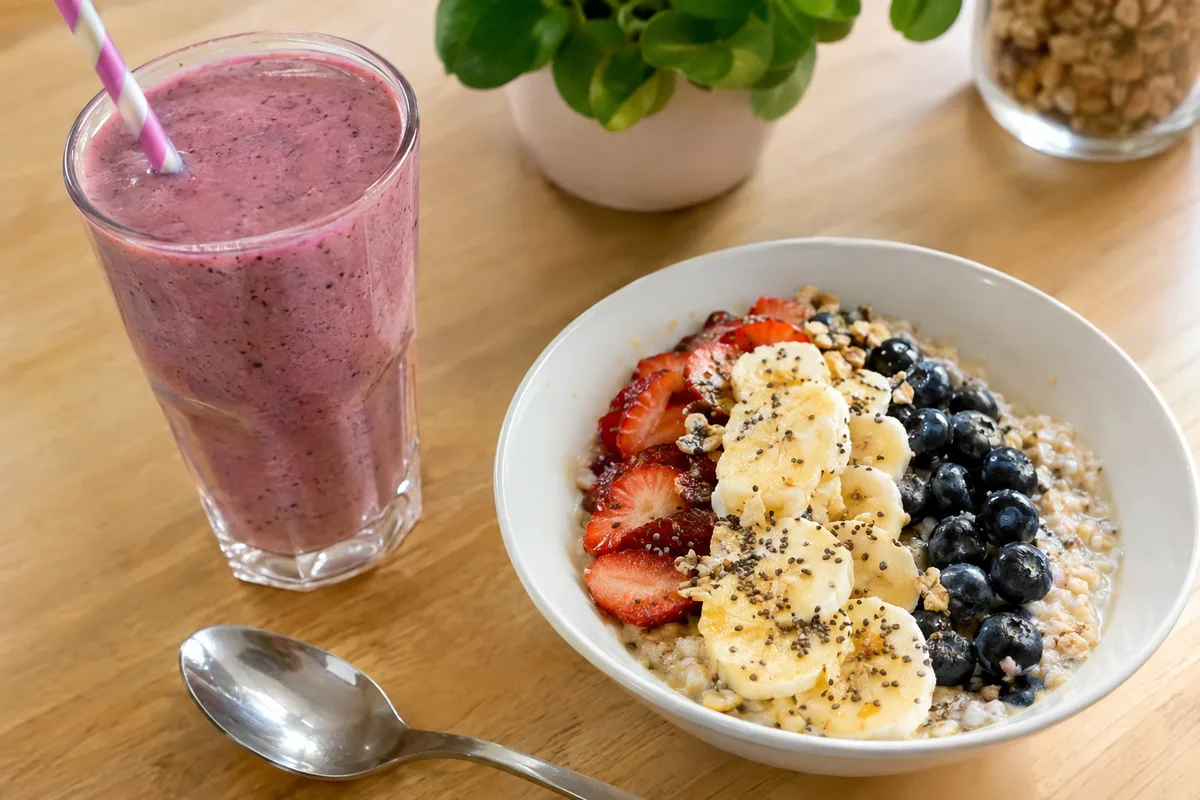
You might want a convenient snack, an addition to breakfast or something easy to have after exercise. A simple shake may suit you if protein is the main aim, while a more substantial blend can include fruit, oats or nut butter. These additions change the overall balance, so log the whole drink rather than the protein powder alone.
- For a light snack, combine protein powder with water or a low-energy liquid
- For a fuller drink, add fruit or oats
- For extra richness, blend in yoghurt, seeds or nut butter
- After exercise, choose a shake that is comfortable and convenient for you
Compare protein sources in everyday terms
Protein powders can come from milk, eggs, soya, peas, rice and other foods. Some use one source, while others combine several. The best option is one that matches your food preferences and sits comfortably within your usual diet.
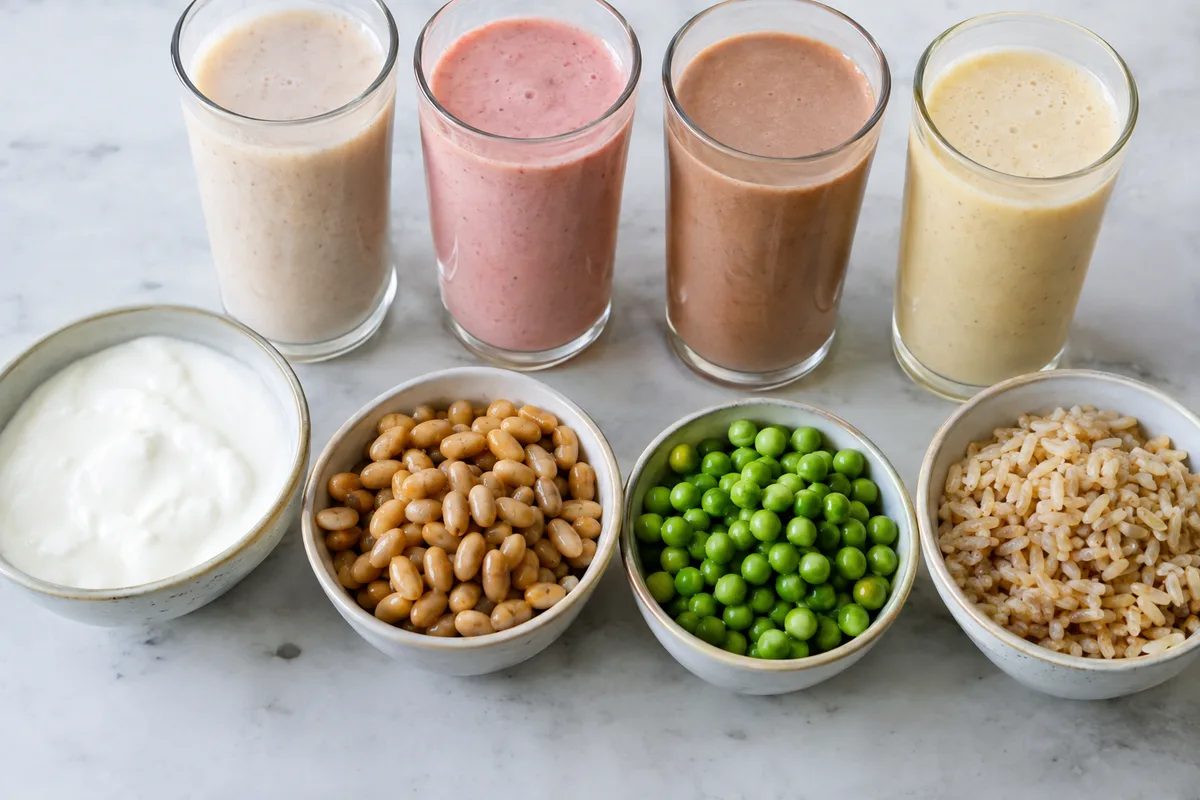
Milk-based powders often blend smoothly and are widely available in different flavours. Plant-based powders can vary more in taste and texture, with some feeling thicker or slightly grainy. A blended plant powder may provide a milder texture, but the ingredient list will tell you more than the wording on the front.
Your total intake across the day matters more than finding a supposedly perfect source. If your meals already contain plenty of varied protein foods, the shake is simply another contribution. Use your food log to see how it fits alongside meals and snacks.
- Milk-based powders for a typically smooth, creamy shake
- Soya protein for a plant-based option that often blends easily
- Pea protein for a thicker plant-based shake
- Rice or mixed plant proteins for a different flavour and texture
Read the label with your goal in mind
Start with the serving size because the figures on the label may refer to a suggested portion rather than the amount you actually use. Check the protein, energy, carbohydrate and fat for that serving. If you use more or less powder, adjust the entry in your food log.
Next, look at the ingredient list. Ingredients are generally shown from the largest amount to the smallest, which helps you see whether the product is mainly a protein source or a broader drink mix. Flavourings, sweeteners, thickeners and added powders can all affect taste and texture.
A longer ingredient list is not automatically worse, and a shorter one is not automatically better. What matters is whether the contents suit your preferences and the way you plan to use the shake. If you avoid certain ingredients, check the full label every time because recipes can change.
- Serving size and the amount you will actually use
- Protein per serving
- Total energy for the prepared drink
- Carbohydrate and fat
- Ingredients and allergen information
Count what you mix into it
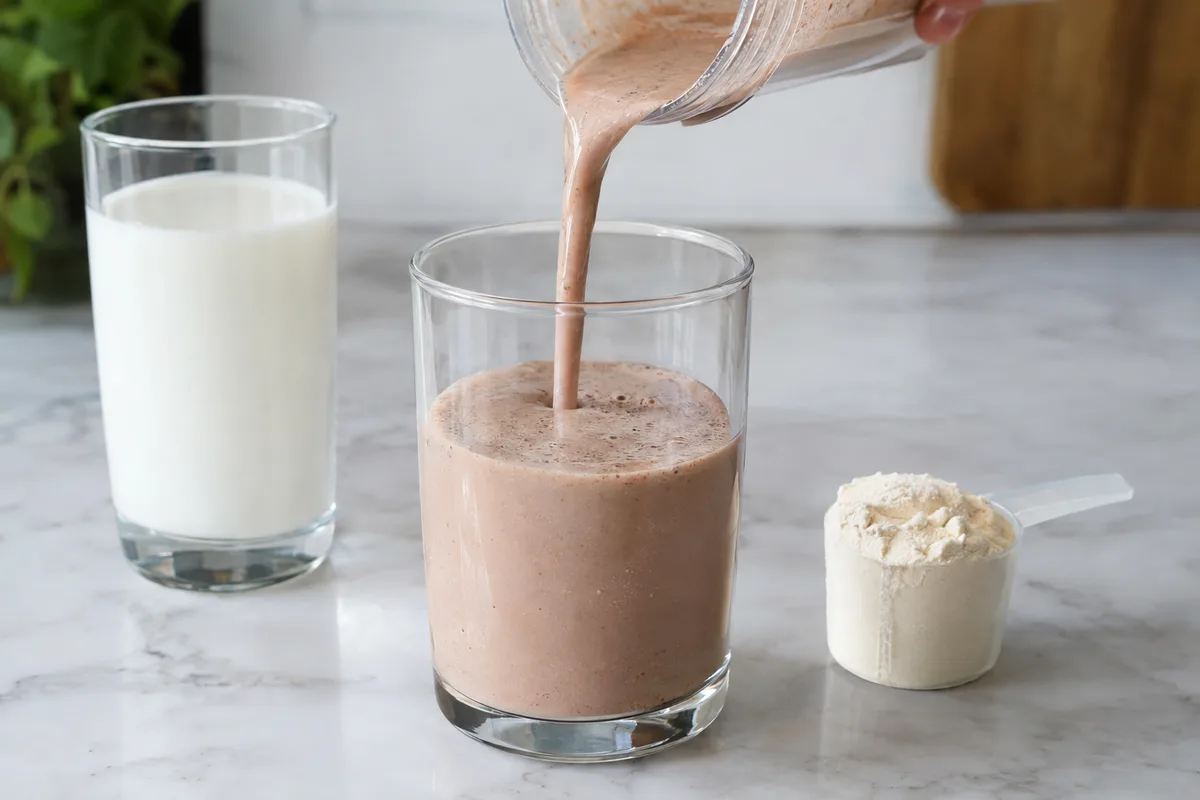
The liquid and extras can change a shake considerably. Water adds no food energy, while milk or a plant drink contributes its own protein, carbohydrate and fat. Log the type and amount you pour rather than selecting a generic shake entry.
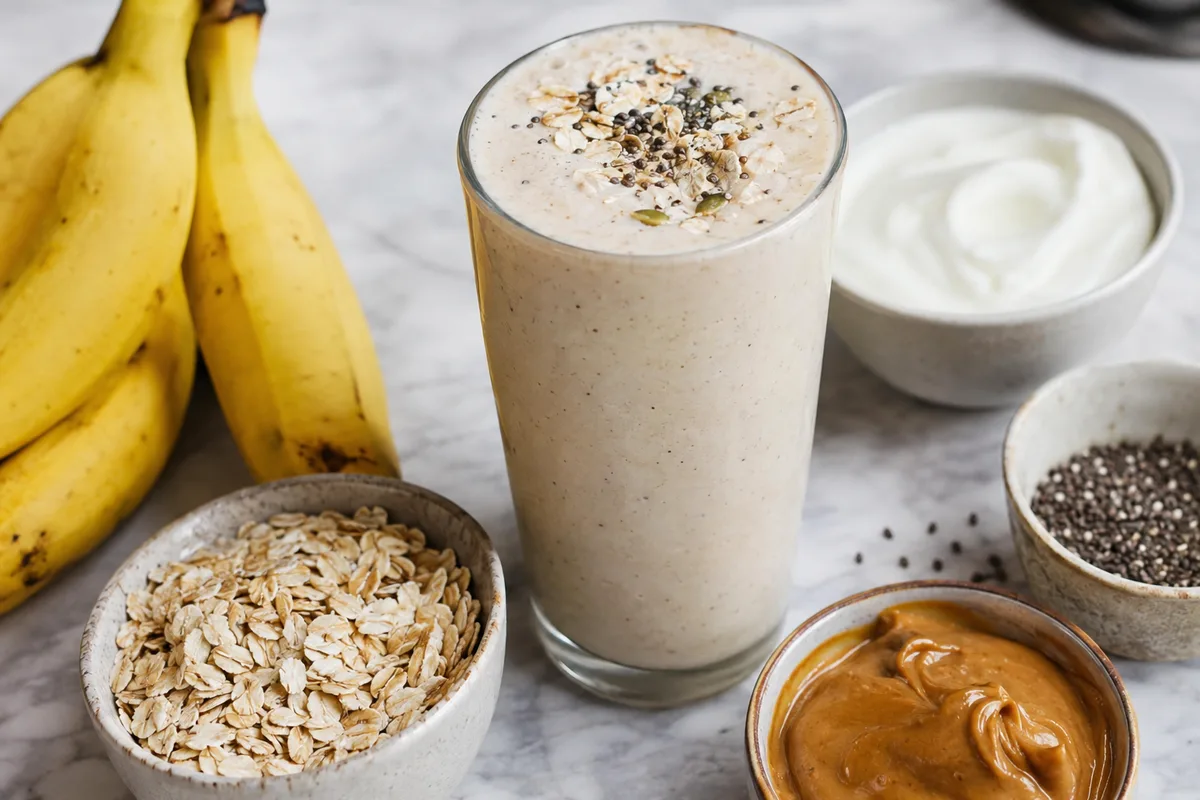
Fruit, oats, yoghurt, seeds and nut butter can turn a basic drink into something closer to a meal. That may be useful when you need a more filling option, but it can also make the shake larger than intended. Build the recipe in your tracker so you can save and reuse the combination.
Be careful when comparing homemade shakes with ready-to-drink versions. Two drinks with similar protein amounts may have very different ingredients and overall nutrition. Compare the full serving you will consume, not just the protein number on the front.
- Water for the simplest mixture
- Milk or a plant drink for a creamier base
- Fruit for flavour and carbohydrate
- Oats for a thicker, more substantial blend
- Yoghurt, seeds or nut butter for added texture and nutrients
Taste and texture decide whether it works
A shake can look suitable on paper but still be a poor choice if you dislike drinking it. Sweetness, aftertaste, thickness and graininess vary between products and protein sources. Preparation also makes a difference, so the same powder may taste different with water, milk or fruit.
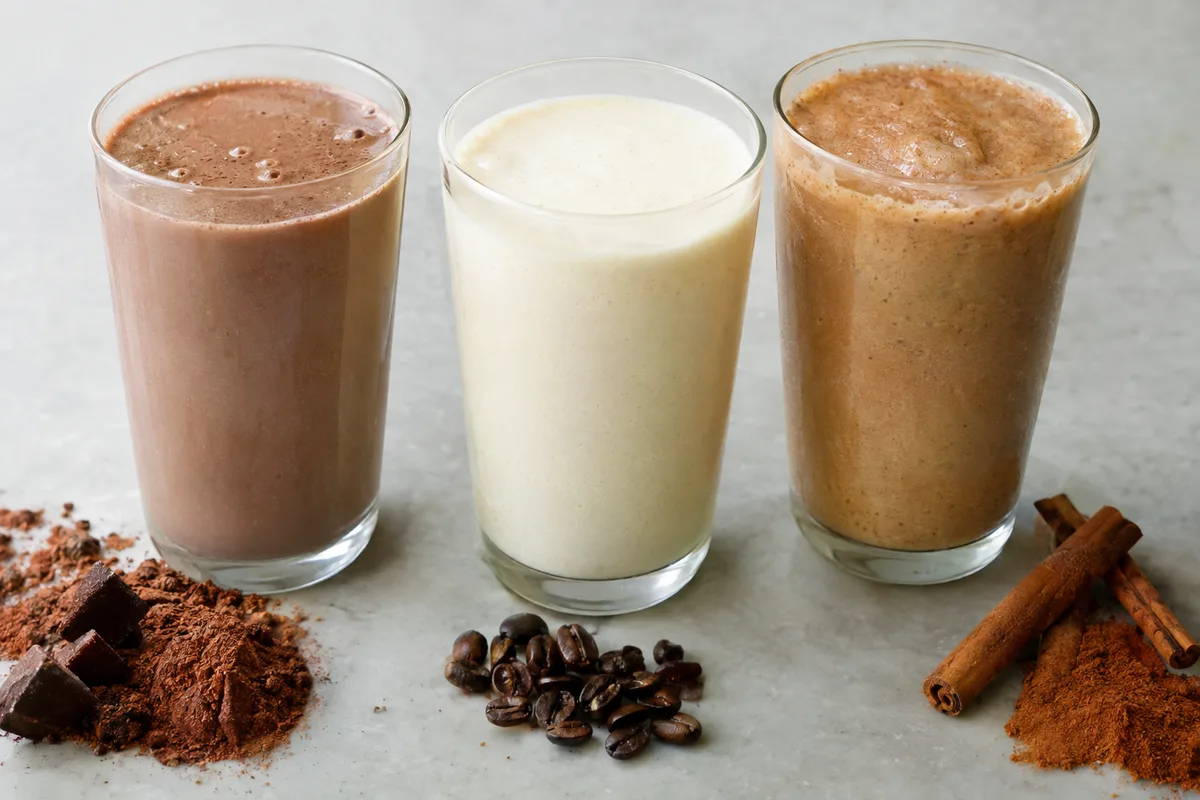
Before making a shake more complicated, try adjusting the liquid or serving size. More liquid usually makes it thinner, while yoghurt, frozen fruit or oats make it thicker. Cocoa, coffee or spices can alter the flavour without changing the protein source.
Notice how the shake fits your routine as well as how it tastes. A drink that requires several ingredients may work at home but be inconvenient elsewhere. The practical choice is one you can prepare, track and enjoy in the situation where you plan to use it.
- Change the amount of liquid to adjust thickness
- Use a chilled liquid for a cooler drink
- Add cocoa, coffee or cinnamon for a different flavour
- Blend with fruit or yoghurt for a smoother, thicker texture
Use shakes as one option, not the whole plan
Protein shakes are convenient, but they do not need to replace ordinary protein foods. Meals and snacks can provide protein alongside fibre, colour, texture and a wider range of nutrients. Eggs, yoghurt, beans, lentils, fish, meat, tofu, nuts and seeds can all contribute, depending on what you eat.
Look at your food log across the whole day rather than judging one drink in isolation. If a shake pushes out a meal you enjoy or leaves the rest of your day feeling unbalanced, a food-based option may suit you better. If it fills a genuine gap conveniently, it may be a useful part of your routine.
Your preferred amount depends on your body, activity, appetite and wider eating pattern. Avoid treating the largest protein figure as automatically best. Choose a shake by its role, full nutrition, ingredients, taste and how naturally it fits your day.
- Keep varied protein foods in regular meals
- Review the whole day in your tracker
- Choose convenience without ignoring enjoyment
- Reassess whether the shake is filling the intended gap