
How to choose the best protein powder for you
The best protein powder is one that suits your eating pattern, tastes good to you and fits comfortably into your tracked meals. This guide explains the main types, what to check on the label and when powder is genuinely useful.
Start with what you need it to do
Protein powder is a concentrated food rather than an essential part of a balanced diet. It can be useful when you want a quick protein source, find solid food inconvenient or need an easy addition to a meal. If you already get enough protein from food, adding powder may simply increase your total intake.
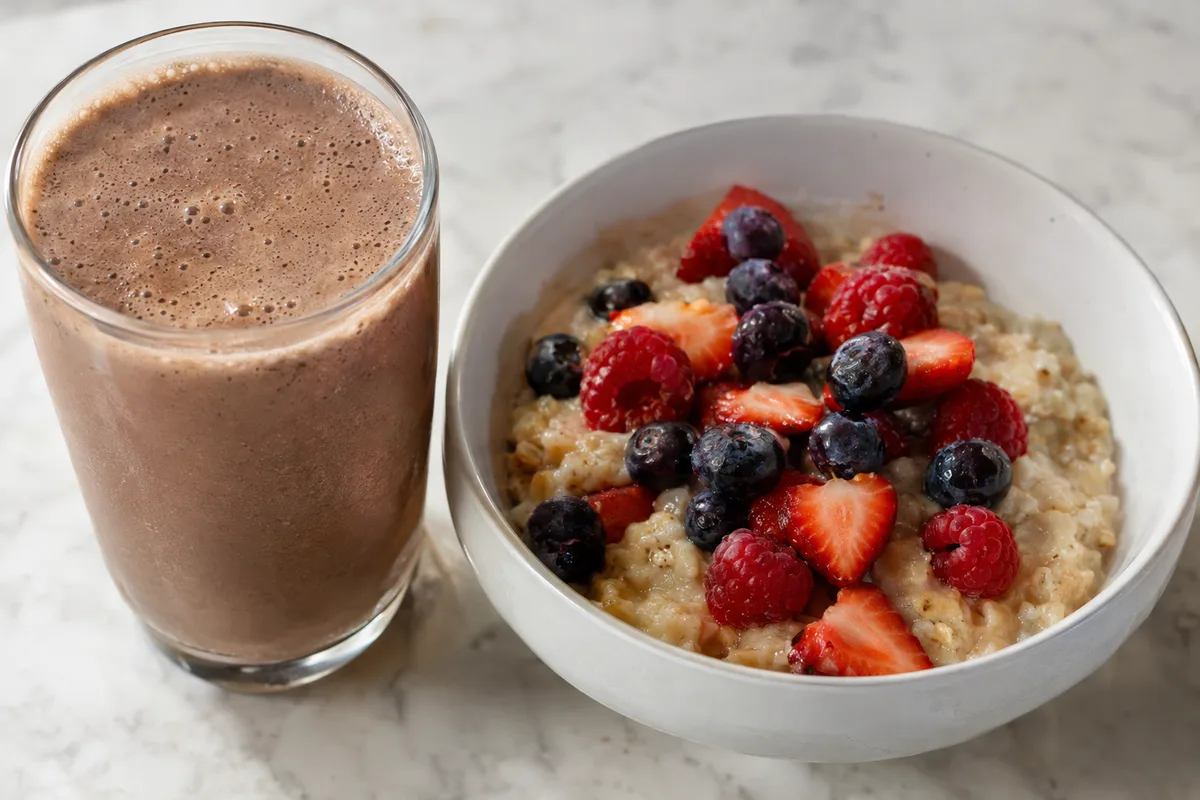
Your reason for using it should guide your choice. A simple powder may suit someone who wants to add protein to porridge, while a flavoured option may be more appealing as a drink. The best serving size depends on your usual meals, appetite, activity and overall protein target.
- Check how much protein is already in your tracked meals.
- Decide whether the powder is for drinks, cooking or both.
- Consider whether you want extra flavour or a neutral ingredient.
- Choose a serving that fits your daily food plan rather than automatically using the label suggestion.
Compare the main protein sources
Milk-based powders include whey and casein. Whey mixes easily and is commonly used in shakes, while casein usually makes a thicker drink or pudding. Both provide all the essential amino acids, which are the protein building blocks the body cannot make for itself.
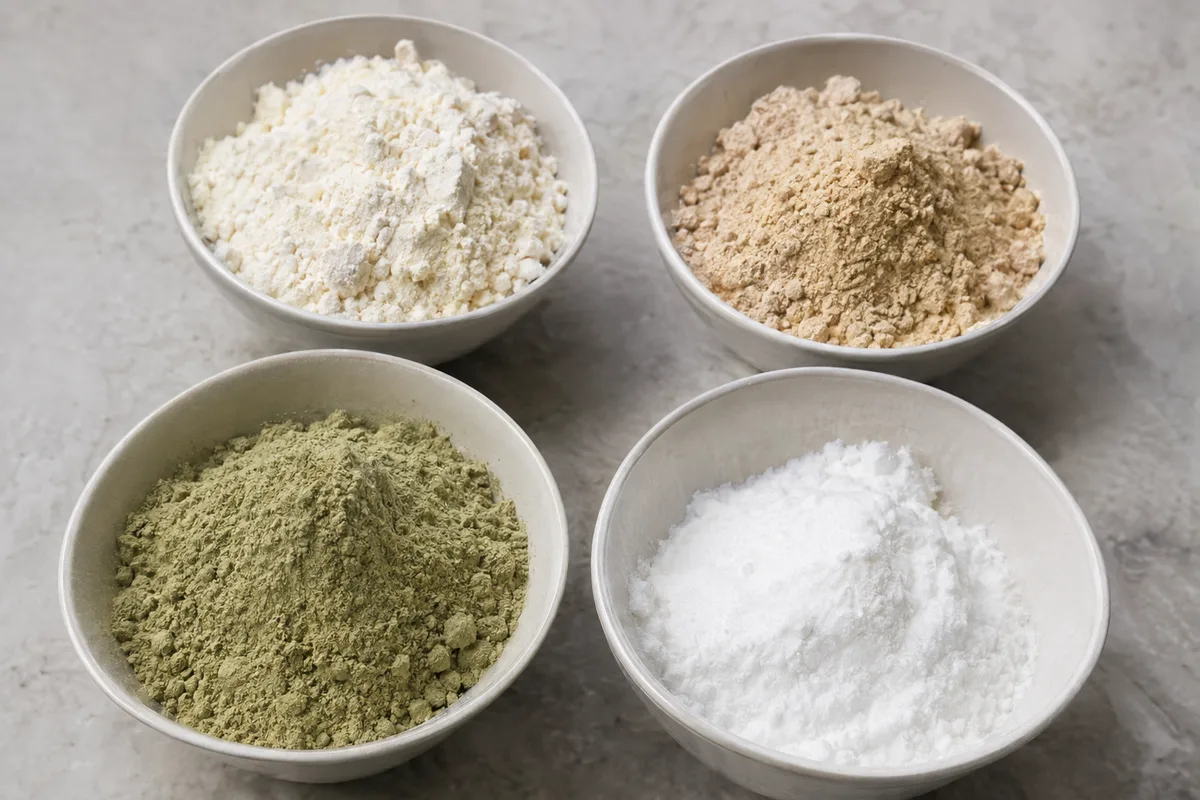
Plant-based powders are often made from soya, pea, rice, hemp or a mixture of sources. Soya is a complete protein, while blended plant powders can combine different amino acid profiles. Egg white powder is another option for someone who eats eggs but prefers to avoid milk-based ingredients.
- Whey: usually light, smooth and easy to mix.
- Casein: thicker and useful in puddings or yoghurt-style bowls.
- Soya: a complete plant protein with a generally smooth texture.
- Pea or plant blends: useful for plant-based eating, with texture varying by recipe.
- Egg white: milk-free, though its taste and texture may be more noticeable.
Read beyond the front of the packet
The name on the front does not tell you everything about a powder. Use the nutrition panel to compare protein per serving, total energy and any carbohydrate or fat that also needs to go into your tracker. Check whether the listed serving matches the amount you would actually use.
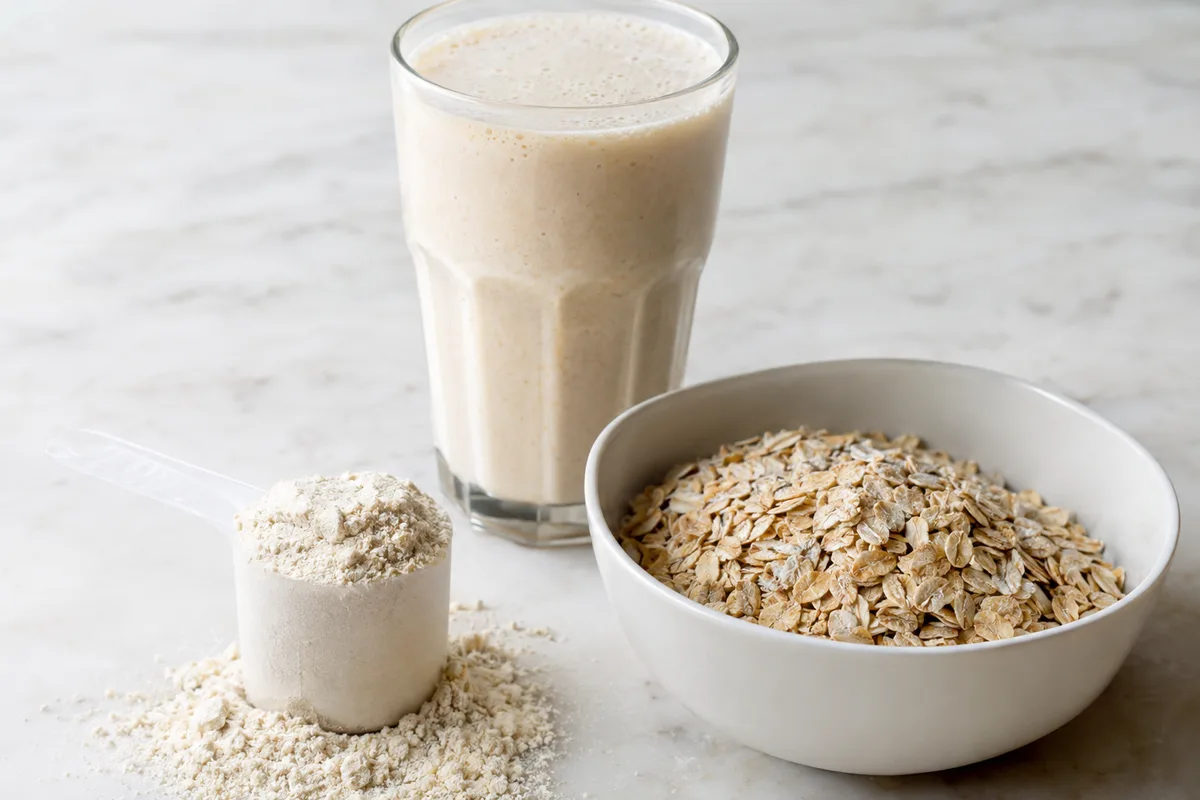
The ingredient list shows whether the product is mostly a protein source or a longer mixture of flavourings, sweeteners, thickeners and added nutrients. More ingredients do not automatically make a powder better or worse. A shorter list may be easier to understand, while extra ingredients can improve flavour and texture.
- Compare protein using the same serving weight where possible.
- Log the powder by weight or by the exact serving you used.
- Look for added sugar if sweetness matters to your food plan.
- Check for ingredients you avoid or find uncomfortable.
- Notice whether added nutrients duplicate those from other products you use.
Taste and texture matter
A powder is not useful if you dislike it enough to leave it in the cupboard. Whey is often smoother, casein is thicker, and some plant powders can taste earthy or feel slightly grainy. Flavour, sweetness and aftertaste vary between recipes, even when the protein source is the same.
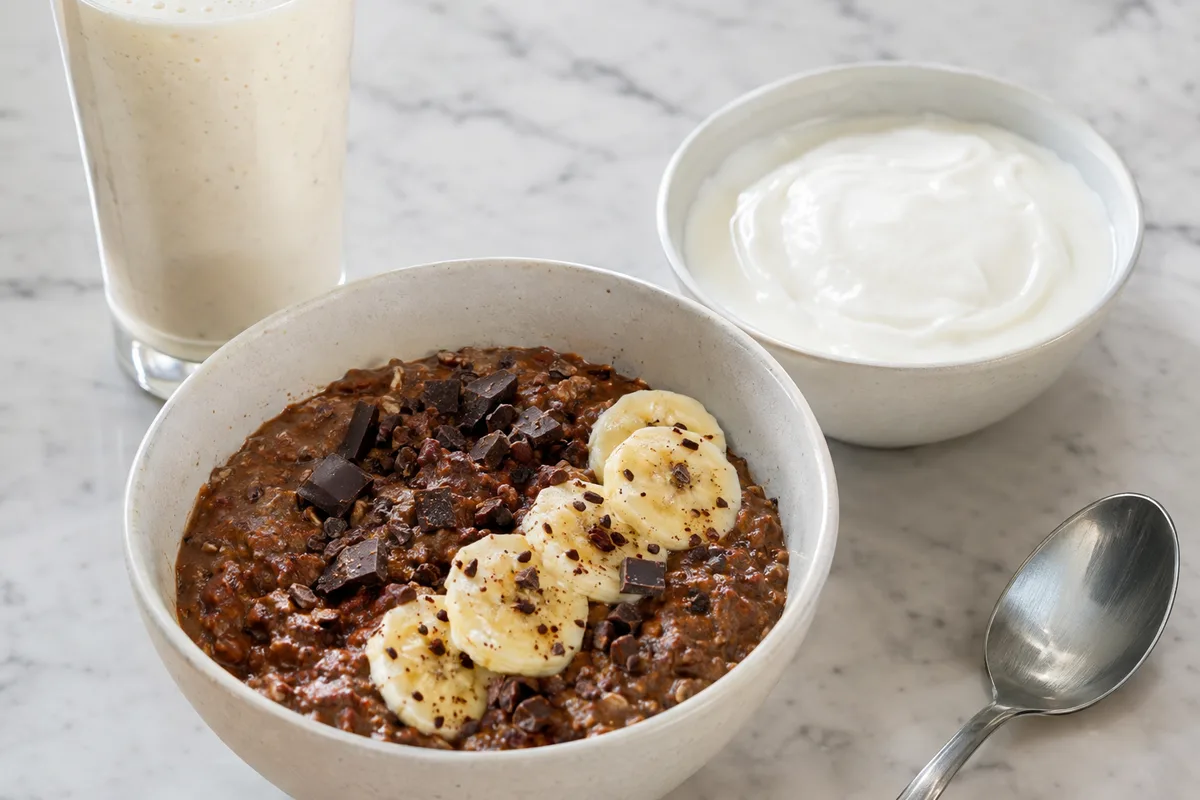
Think about how you plan to use the powder before choosing a flavour. Chocolate or vanilla may work in shakes and porridge, while an unflavoured powder can be easier to add to savoury foods. Mixing with milk, a plant drink, yoghurt or fruit will also change the taste, texture and tracked nutrition.
- For a thinner shake, add more liquid and mix gradually.
- For porridge, stir the powder in after cooking to reduce clumping.
- For a thicker bowl, combine it with yoghurt and fruit.
- For savoury meals, use an unflavoured powder and start with a small amount.
Match the powder to the occasion
Protein powder can fill a practical gap, but it does not need to replace ordinary food. A shake may be convenient after activity or during a busy day, while yoghurt, eggs, beans, fish, meat or tofu may be more satisfying when you have time for a meal. Your tracker can show which option fits the rest of the day.
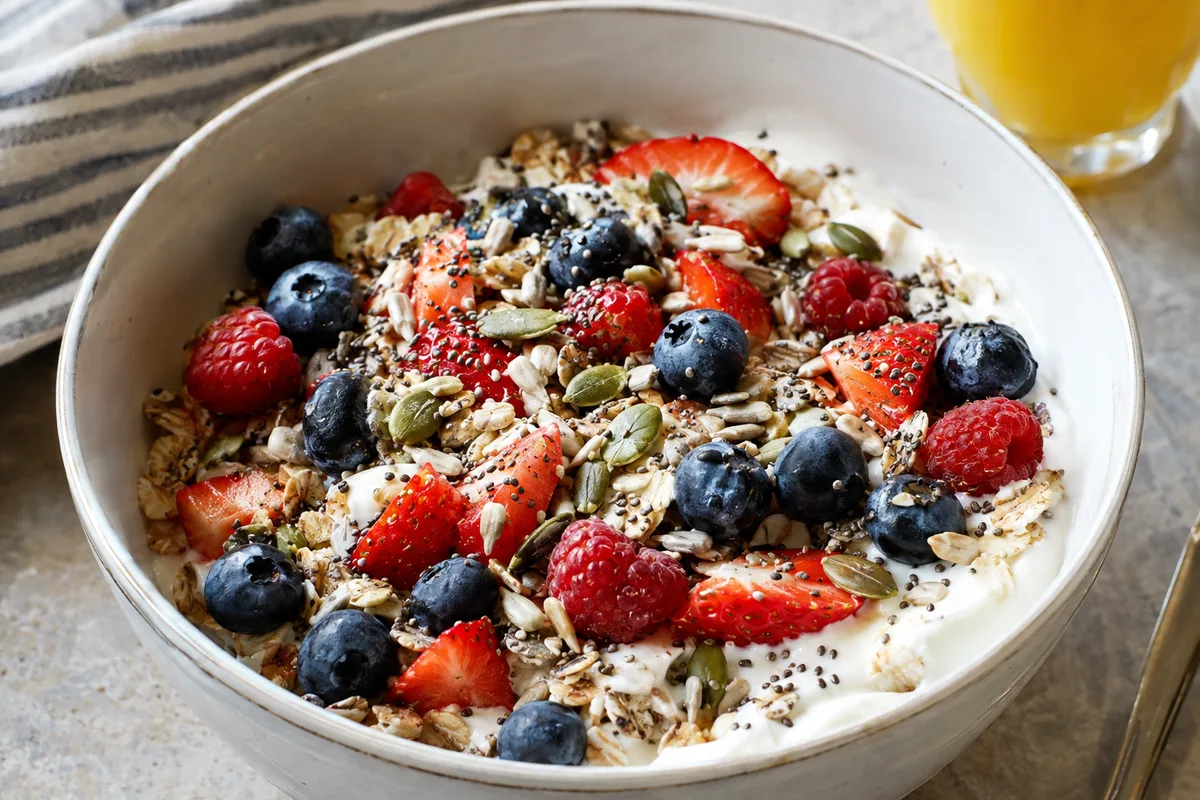
A powder mixed only with water provides protein but may not feel like a complete meal. If you use it as part of breakfast or lunch, consider adding foods that provide carbohydrate, fat and fibre. The right combination depends on your appetite and what else you plan to eat.
- Add oats and fruit when you want a more substantial breakfast.
- Blend with fruit and a milk or plant drink for a mixed snack.
- Stir into yoghurt and top with seeds for added texture.
- Use alongside a meal when the meal itself is low in protein.
Make the final choice from your own tracking
There is no single protein powder that is best for everyone. The useful choice is one that fits your preferred protein source, ingredient needs, taste and normal eating routine. It should also be easy to log accurately without pushing out foods you enjoy.
Track a few typical uses and look at the whole day rather than judging the powder in isolation. Notice whether it helps you reach your intended protein intake, keeps meals enjoyable and sits comfortably within your energy target. If it adds protein you did not need or leaves meals less satisfying, a regular food source may suit you better.
- Choose a protein source that matches your eating pattern.
- Check the protein amount and full ingredient list.
- Pick a flavour and texture you can use in several ways.
- Log the actual amount rather than relying on a default entry.
- Review how it affects the balance and satisfaction of the whole day.