
How to Choose the Best Gym Shoes for Women
The best gym shoe is not a single style that works for every woman. Your ideal pair depends on your feet, the exercises you do and how the shoes feel during movement.
Start with the way you train
Match the shoe to the activity you do most often. Running on a treadmill generally calls for cushioning and smooth forward movement, while strength training benefits from a firmer, flatter base.
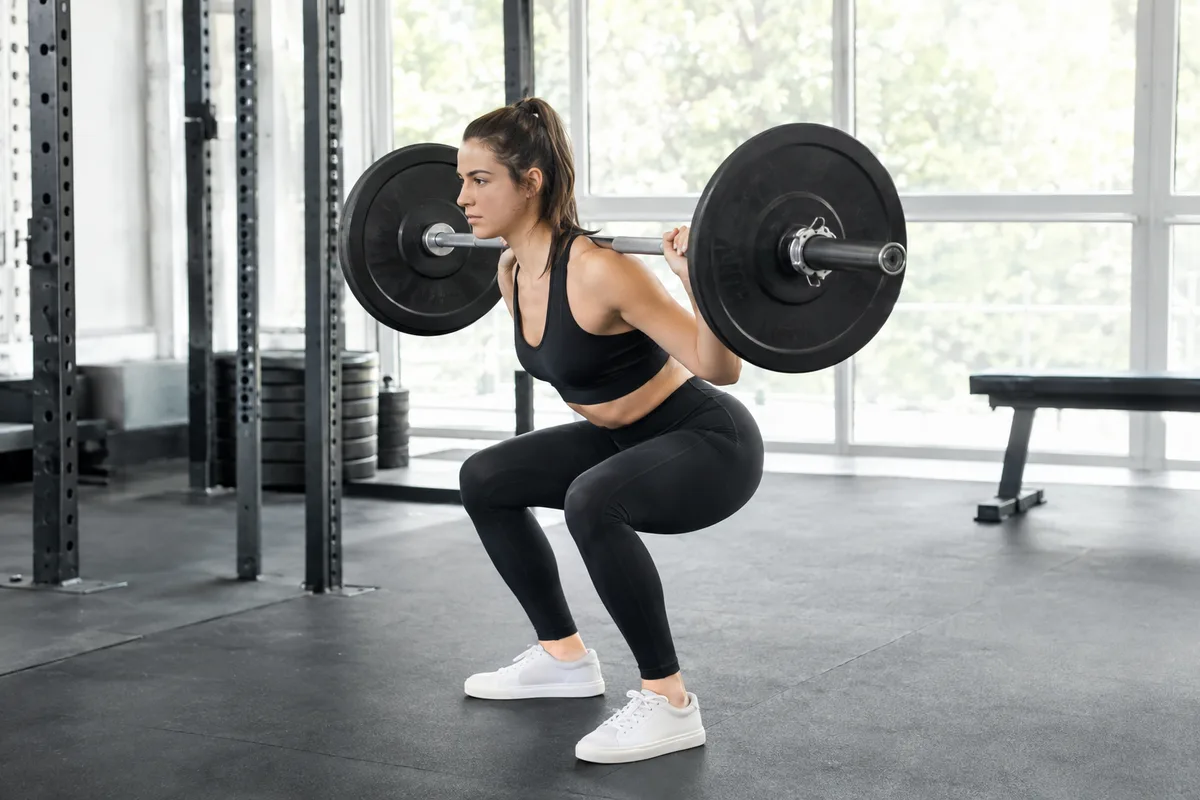
If your sessions combine machines, short bursts of cardio and floor exercises, a cross-training shoe can offer a useful middle ground. For classes with quick changes of direction, look for side-to-side support rather than choosing a shoe designed mainly for straight-line running.
Check the fit while moving
A gym shoe should hold your heel securely without rubbing or slipping. Your toes need room to spread, but the rest of the shoe should not feel loose when you squat, step or change direction.
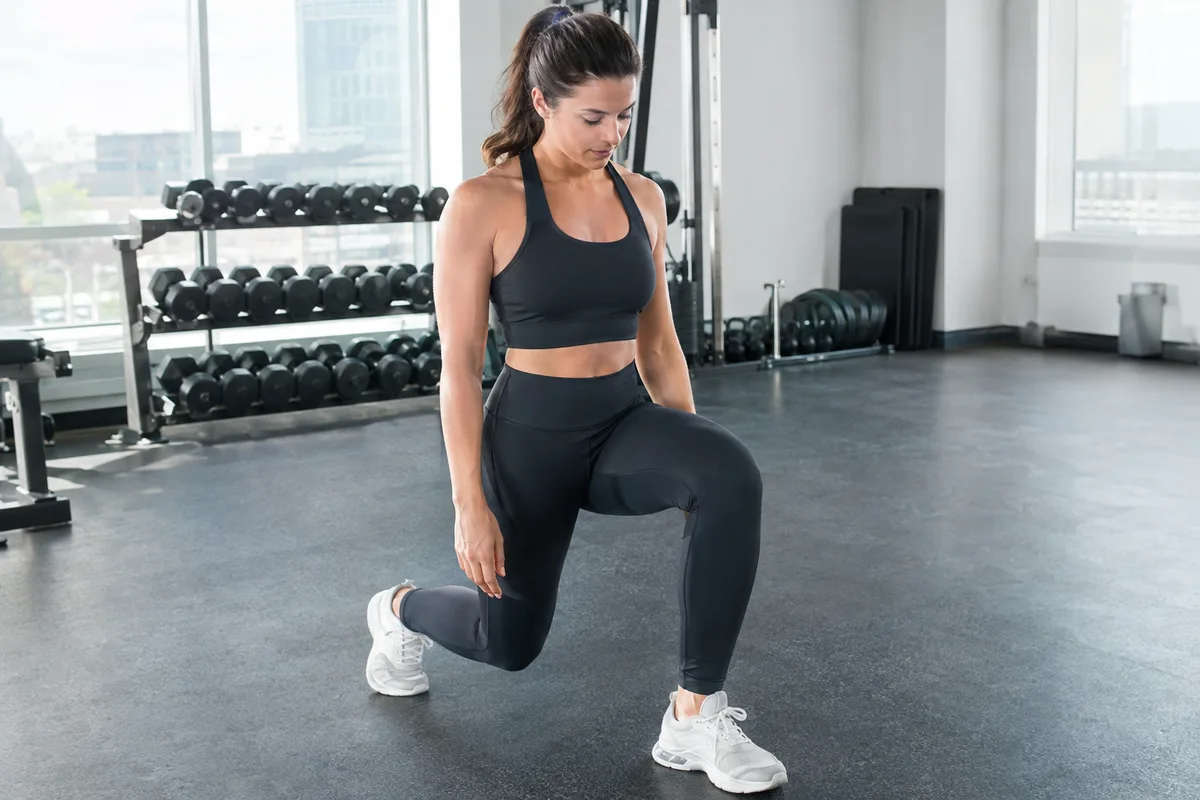
Try both shoes because feet are not always exactly the same size. Wear the type of socks you use for training, then walk, bend and make a few gentle side steps to notice pressure, pinching or movement inside the shoe.
Choose stability, cushioning and grip
More cushioning is not automatically better for every workout. Soft soles may feel comfortable for cardio, while a lower and firmer sole can provide a steadier platform when lifting weights.
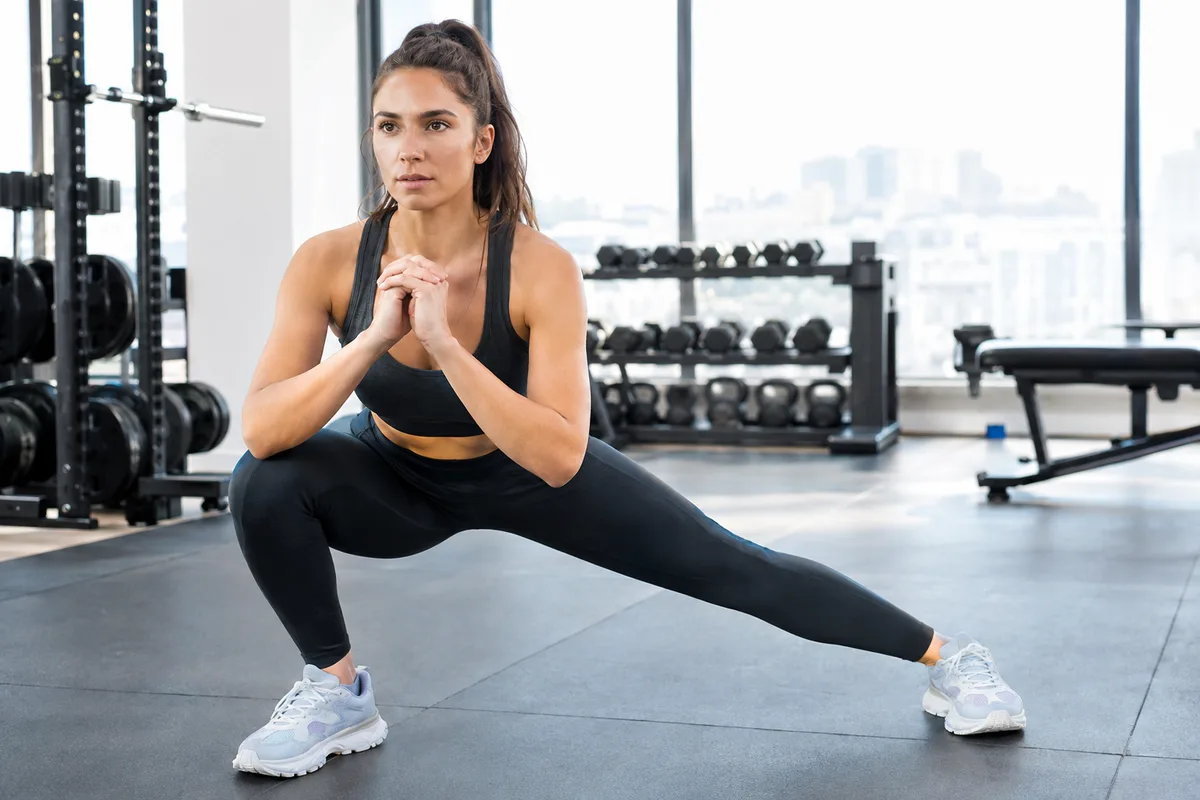
The outsole should grip the gym floor without catching awkwardly as you turn. A wider base can also feel more stable, particularly during squats, lunges and exercises that place weight through one foot.
Know when a pair needs replacing
Shoes can look tidy on top even when the sole has lost its shape or grip. Uneven wear, a compressed midsole, a loose heel or new discomfort during familiar exercises can all suggest that the shoe is no longer supporting your training well.
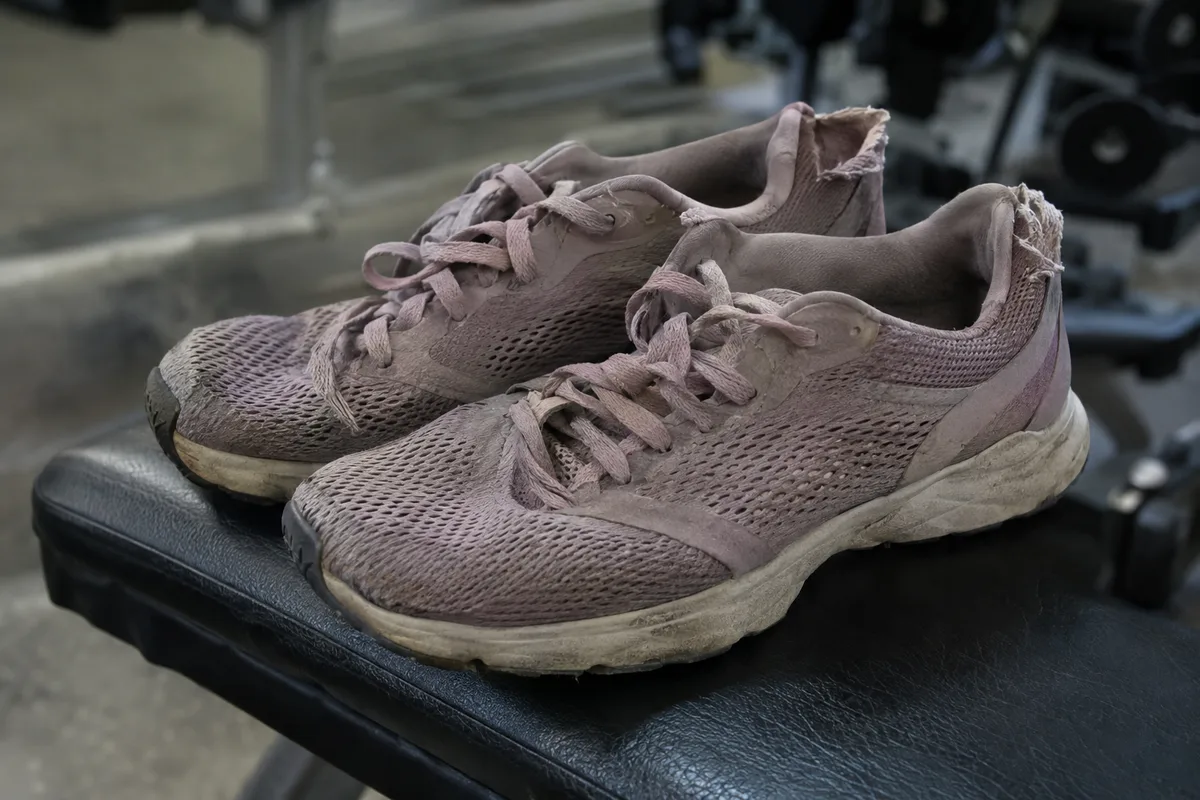
There is no single replacement schedule because wear depends on your movement, training frequency, body and the surfaces you use. Check your shoes regularly and use changes in fit, grip and stability as practical guides rather than relying only on age.