
The Best Insoles Are the Ones That Fit Your Feet and Routine
There is no single insole that suits every foot, shoe and activity. The most useful choice feels secure, fits without crowding and matches how you move.
Start with the job the insole needs to do
Think about where you will use the insoles most: during everyday walking, longer runs, gym sessions or hours spent standing. Running may call for a secure fit and responsive cushioning, while daily wear may put more emphasis on lasting comfort.
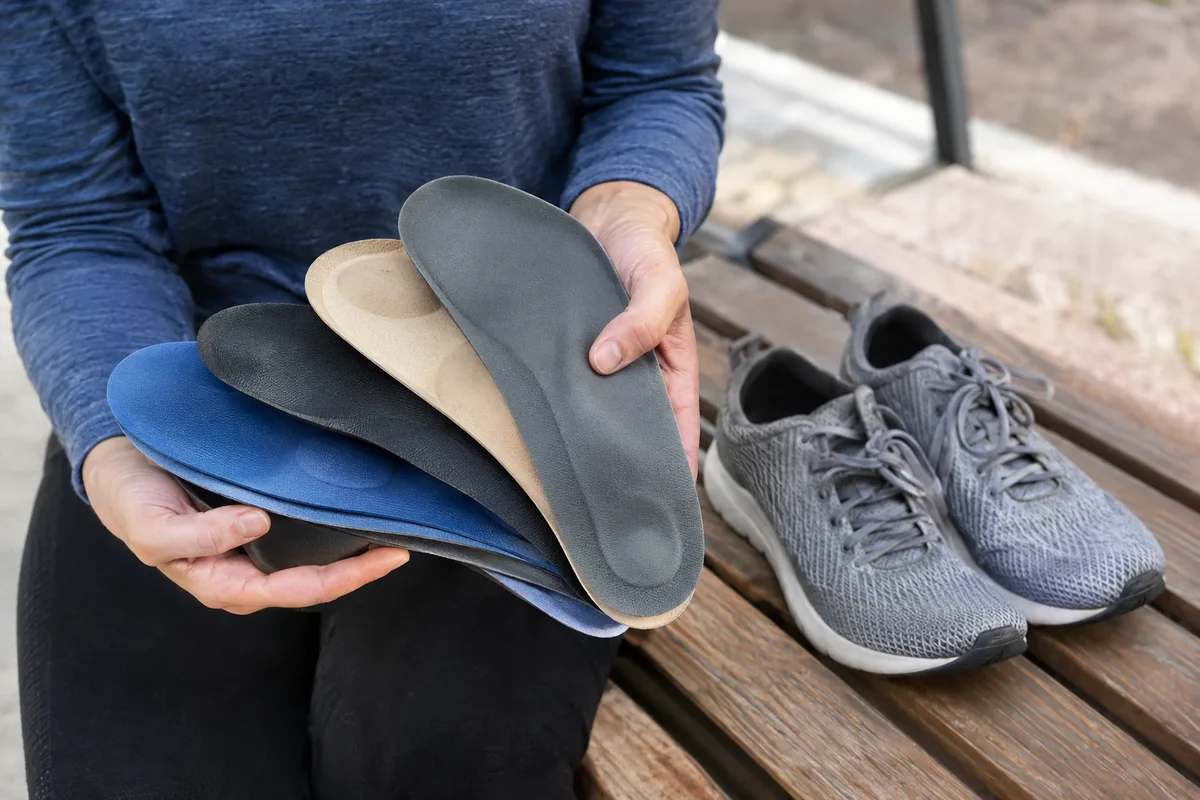
Your food log can help you understand your routine, but it does not reveal which insole shape will suit you. Activity type, shoe design, foot shape and personal comfort matter more than calories when comparing options.
Check the fit inside your shoes
An insole should sit flat without sliding, folding or lifting at the heel. Your toes should still have room to move, and the shoe should not feel tight across the top of your foot.
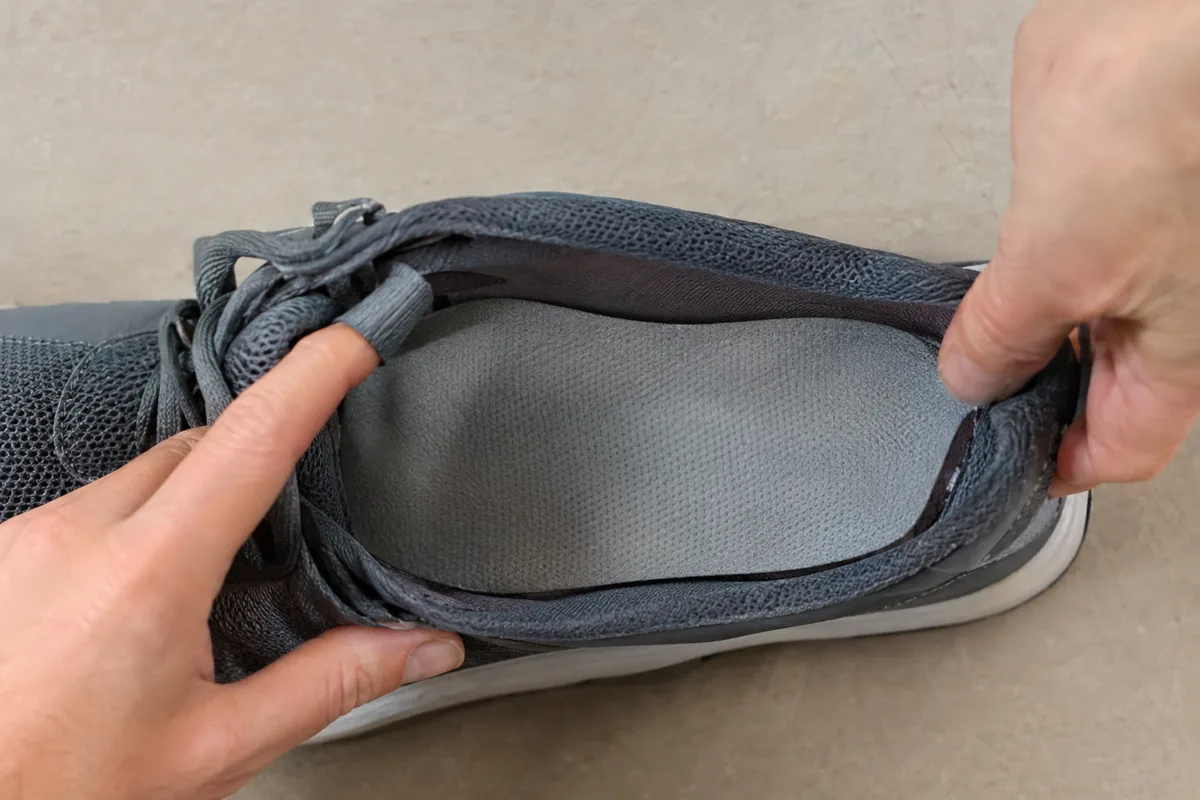
Check whether the shoe's original liner is removable, as stacking two full insoles can reduce space. If an insole is designed to be trimmed, use the original liner as a guide and make small adjustments rather than cutting away too much at once.
Compare support and cushioning
Softness and support are not the same thing. Thick foam may feel comfortable at first, while a firmer shape may feel steadier, so the better option depends on your preference, footwear and activity.
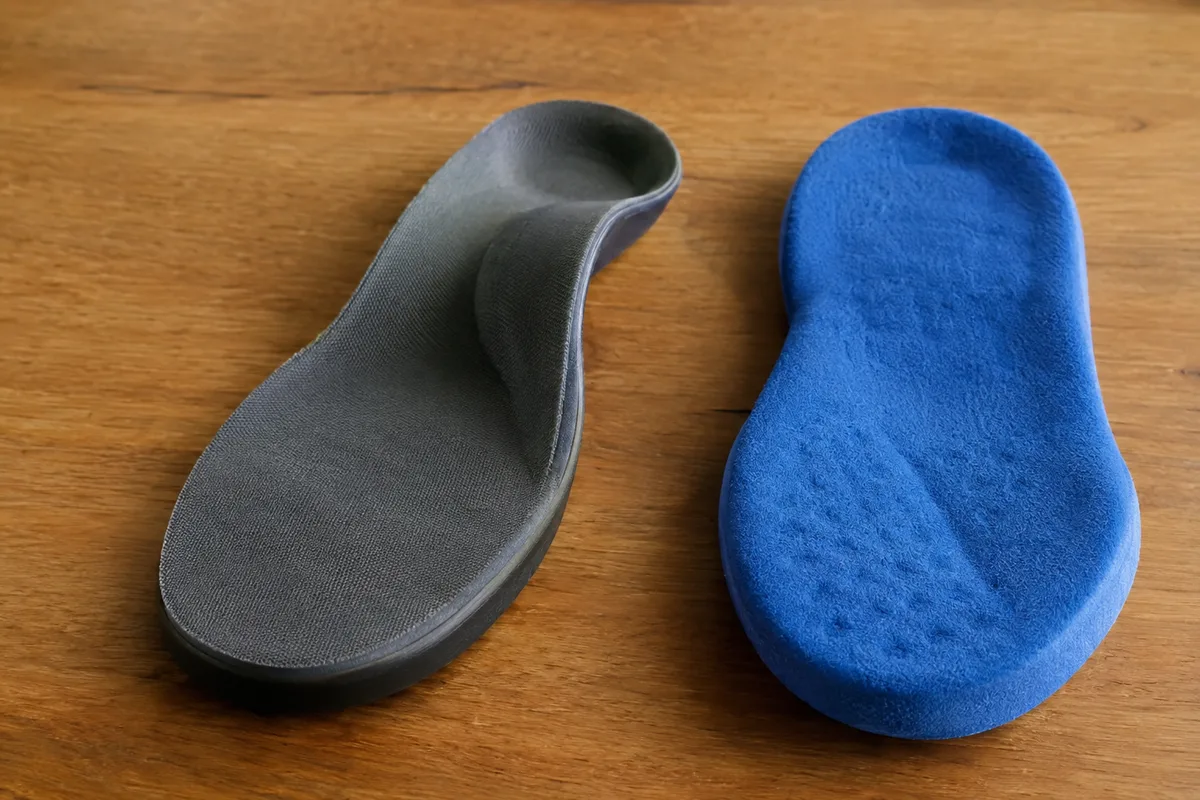
Look at the heel cup, the shape through the middle and how easily the insole bends. Support should feel comfortably placed rather than like a hard lump, and cushioning should not make your feet unstable inside the shoe.
Judge comfort over time
Try insoles during a short, familiar activity before using them for a long day or demanding session. Notice rubbing, pressure, slipping or changes in how securely the shoe holds your heel.

Inspect insoles regularly for flattened cushioning, cracks, worn fabric or a shape that no longer sits evenly. Replacement timing depends on use, movement, body weight, shoe type and materials, so condition and comfort are more useful than a fixed schedule.