
The Most Effective Triceps Exercises for Stronger Arms
Effective triceps training combines movements that challenge the upper arms in different positions. Good technique, suitable resistance and steady progress matter more than chasing a single perfect exercise.
What makes a triceps exercise effective
The triceps run along the back of the upper arm and help straighten the elbow. They work during pressing movements as well as exercises that focus directly on elbow extension.
An effective exercise keeps the target muscles working through a comfortable range while allowing you to control the resistance. The best choice depends on your equipment, experience, mobility and the rest of your training programme.
Strong compound exercise choices
Close-grip press-ups train the triceps alongside the chest and shoulders. Keep your hands around shoulder width, brace your body and let your elbows travel back rather than spreading far out to the sides.
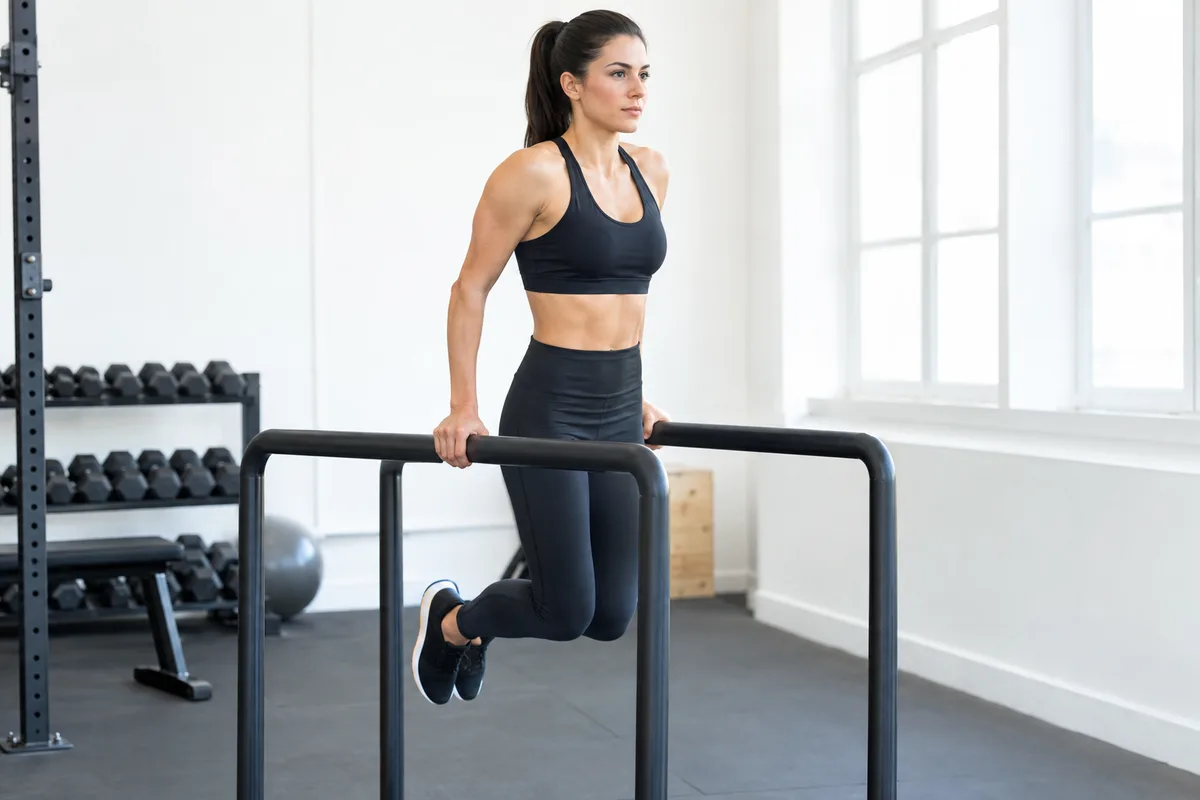
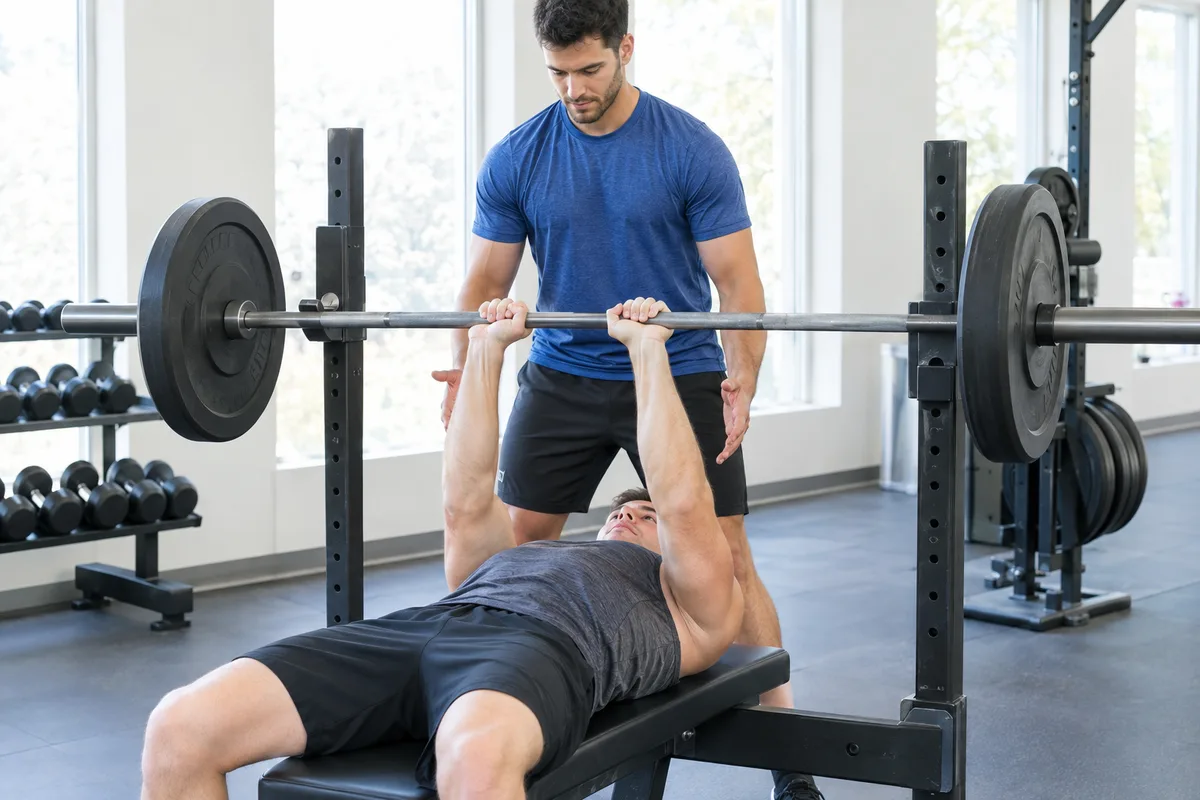
Bench presses with a closer grip and parallel-bar dips can also place substantial demand on the triceps. Use a range you can control, keep your shoulders steady and choose an easier variation if your form changes.
Useful isolation exercises
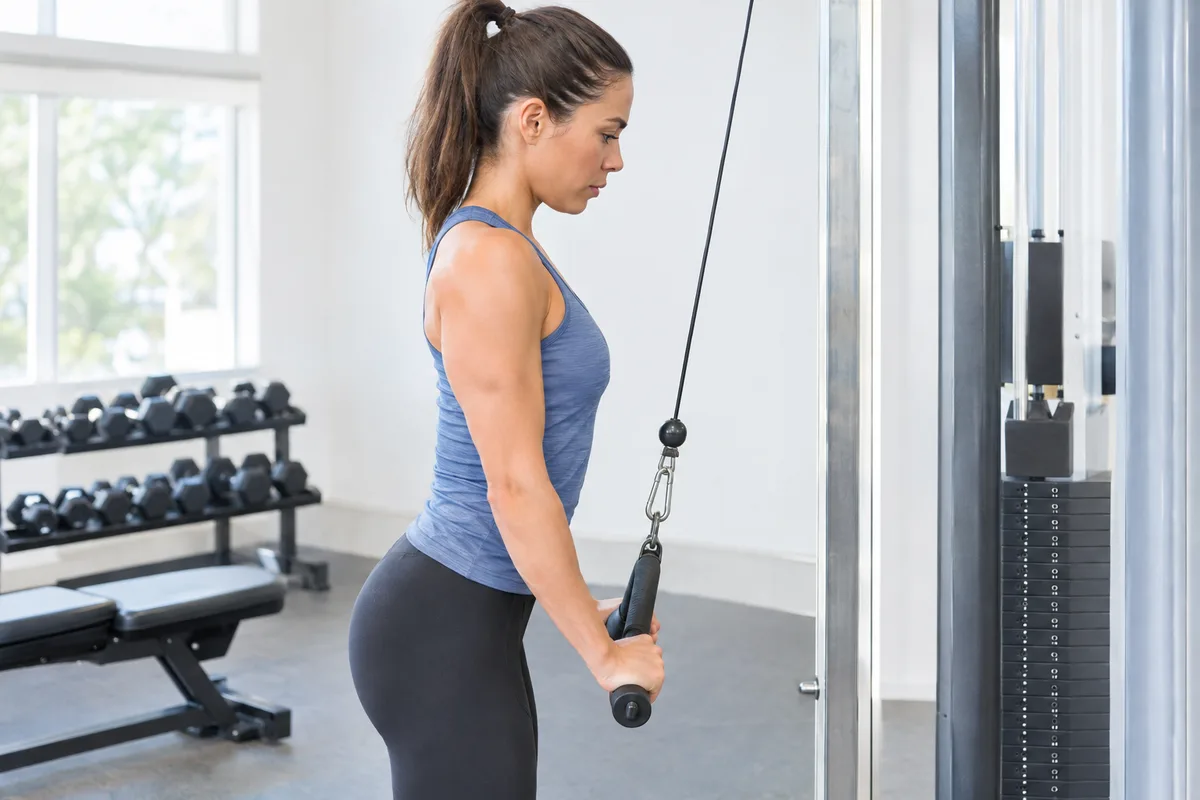
Cable or band pushdowns make it easy to focus on straightening the elbows. Keep your upper arms close to your sides, move mainly at the elbow and return slowly instead of letting the resistance pull your hands upwards.
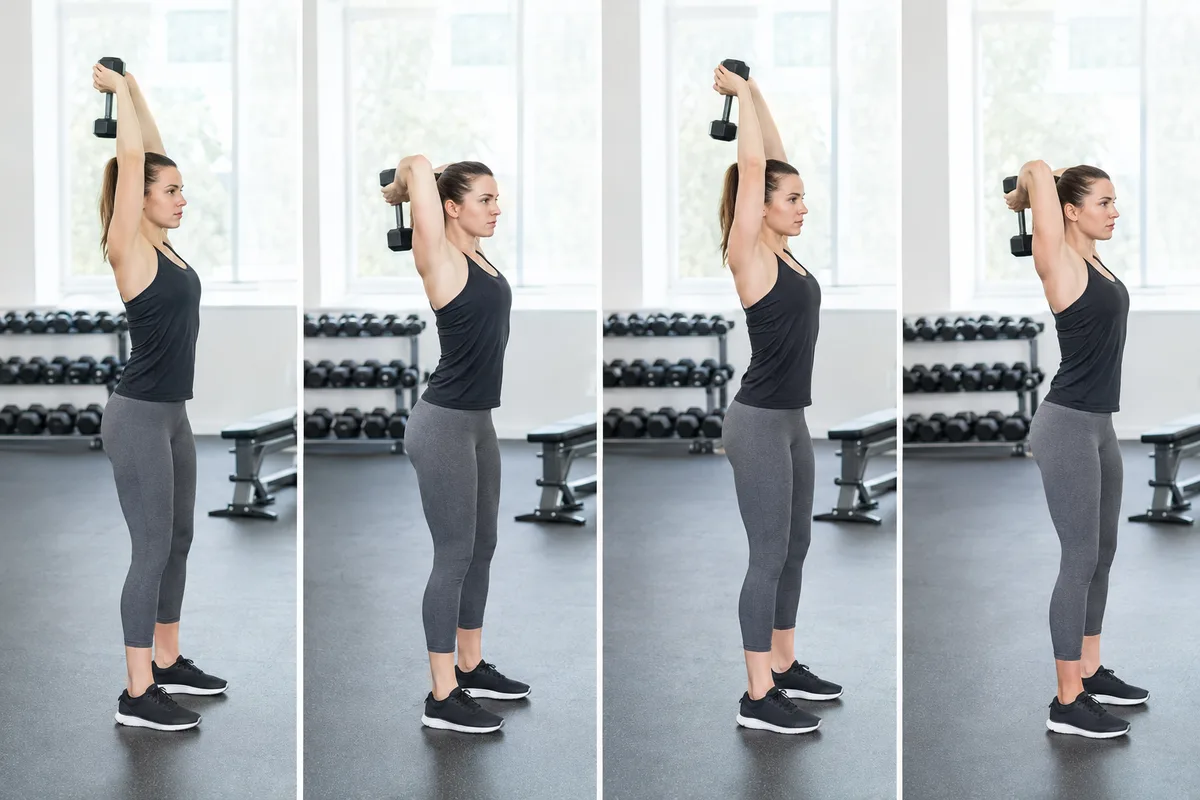
Overhead extensions place the arms above the head, giving the triceps a different challenge. They can be performed with a cable, band or dumbbell, but the most suitable version is the one that feels comfortable and lets you avoid arching your lower back.
How to programme triceps training
Choose one pressing movement and one isolation movement rather than filling a session with similar exercises. Use resistance that allows controlled repetitions, stop when technique begins to break down and leave enough recovery time before training the same muscles hard again.
Record the exercise, resistance, repetitions and how the set felt, just as you record what you eat. Progress can mean adding a little resistance, completing another controlled repetition or improving your range, and the right amount depends on the person.