
How to compare calories in non-alcoholic beer brands
Non-alcoholic beers can have very different calorie values, even when they look and taste similar. This guide explains what changes the total and how to compare brands using the label.
Why calorie values vary between brands
There is no single calorie value for non-alcoholic beer. Each brand uses its own recipe, brewing method and serving size, so the figure depends on the specific drink. Two lager-style options may therefore contribute different amounts to your daily intake.
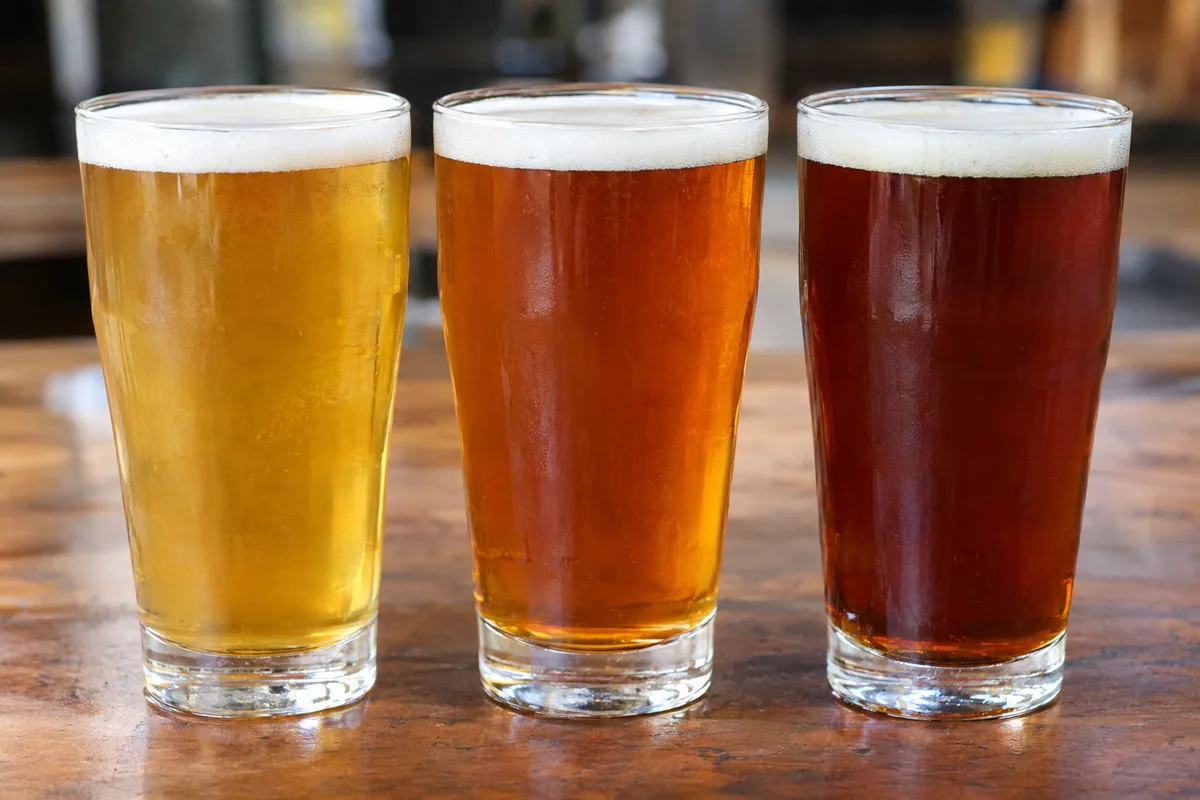
Most of the energy usually comes from carbohydrate left in the drink after brewing, including sugars. A sweeter beer may contain more carbohydrate, but taste alone cannot give you an accurate figure. Small amounts of alcohol may also affect the total where they are present.
- Recipe and brewing method
- Amount of carbohydrate and sugar
- Alcohol content, if any
- Flavourings or added ingredients
- Bottle, can or glass size
Compare the same amount
A brand may show calories for the whole container, per serving or per 100 ml. Comparing whole containers can be misleading when one bottle or can is larger than another. Use the per-100-ml figure when you want a like-for-like comparison.
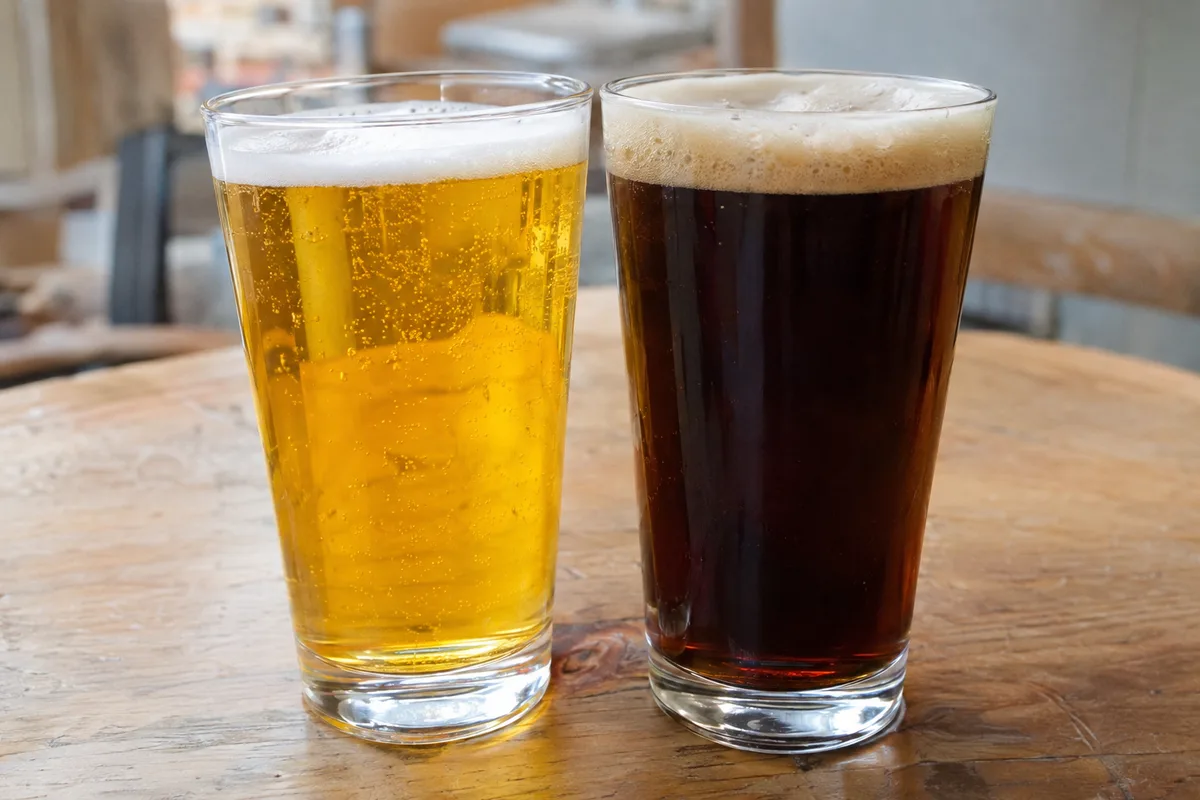
Once you have chosen a drink, record the amount you actually had. If the label gives only a per-100-ml value, your tracking app may calculate the serving total after you enter the volume. Check that the app entry matches both the brand and the current label.
- Find the energy value on each label
- Check whether it is shown in kcal or kJ
- Use the same volume for every comparison
- Multiply or adjust for the amount poured
- Save the correct serving in your food diary
Look beyond the words on the front
Terms such as alcohol-free, low alcohol, lager-style or IPA-style do not tell you the calorie content. A drink that sounds light or refreshing is not automatically lower in calories. The nutrition panel gives you more useful information than the product description.
Check the carbohydrate and sugars lines as well as total energy. Sugar is part of total carbohydrate, so do not add the two figures together when tracking. The total calorie figure already accounts for the energy-producing ingredients in the drink.
- Energy per 100 ml
- Energy per bottle or can
- Total carbohydrate
- Sugars within carbohydrate
- Stated serving volume
Style can guide you, but the label decides
Non-alcoholic lager, pale ale, wheat beer and stout-style drinks can all vary within their own categories. Some are brewed to leave more sweetness and body, while others finish drier. Added fruit juice or flavouring can also change the carbohydrate and calorie content.
Style is useful for narrowing down flavours, not for making an exact calorie estimate. Even two versions from the same brand may use different recipes. Treat each named product as a separate entry in your tracker rather than assuming every drink from that brand is the same.
- Lager-style drinks may range from crisp and dry to noticeably sweet
- Pale ale and IPA-style drinks can differ according to malt and flavouring
- Wheat-style drinks may contain more residual carbohydrate than expected
- Stout-style drinks are not necessarily the highest-calorie choice
- Fruit-flavoured versions need their own label check
Track what accompanies the drink
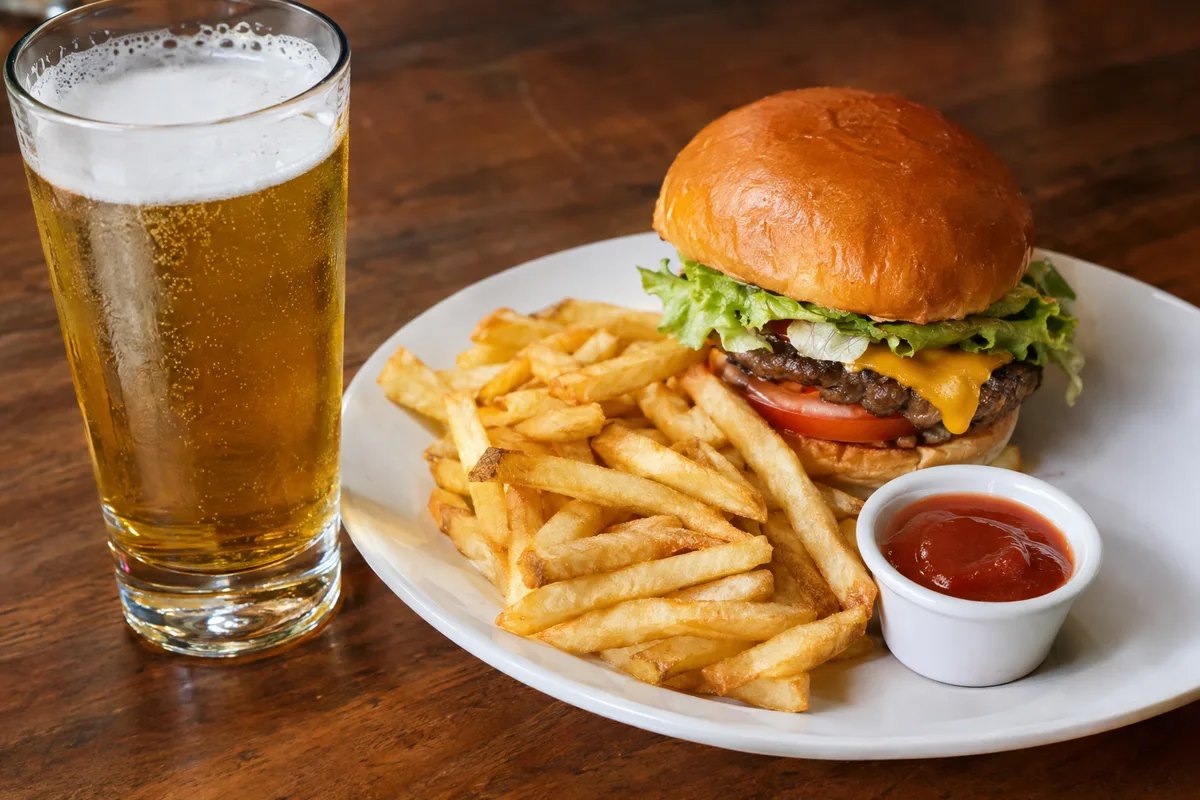
The drink may be only one part of the occasion. Crisps, nuts, chips, dips and other snacks can be easy to overlook when you are concentrating on the beer entry. Record them separately and use the portion you actually ate.
If you pour the beer into a glass, keep the bottle or can nearby until you have logged the serving information. For shared bottles or partial servings, estimate the fraction poured as consistently as you can. Accuracy matters, but a sensible entry is more useful than leaving the drink out because the amount was not exact.
- Record the beer and food as separate entries
- Log refills rather than only the first glass
- Include mixers if the drink is combined with anything else
- Update saved entries when packaging or recipes change