
Gatorade or soda: what is the difference?
Gatorade and soda can look similar in a food log, but they are made for different purposes. This guide explains what each drink contains, when those differences matter and how to record your choice accurately.
The basic difference
Gatorade is a sports drink designed to provide fluid, carbohydrate and electrolytes around physical activity. Soda, also called a fizzy drink, is usually chosen for its flavour and carbonation. Regular versions of both drinks can add sugar and energy to your daily intake.
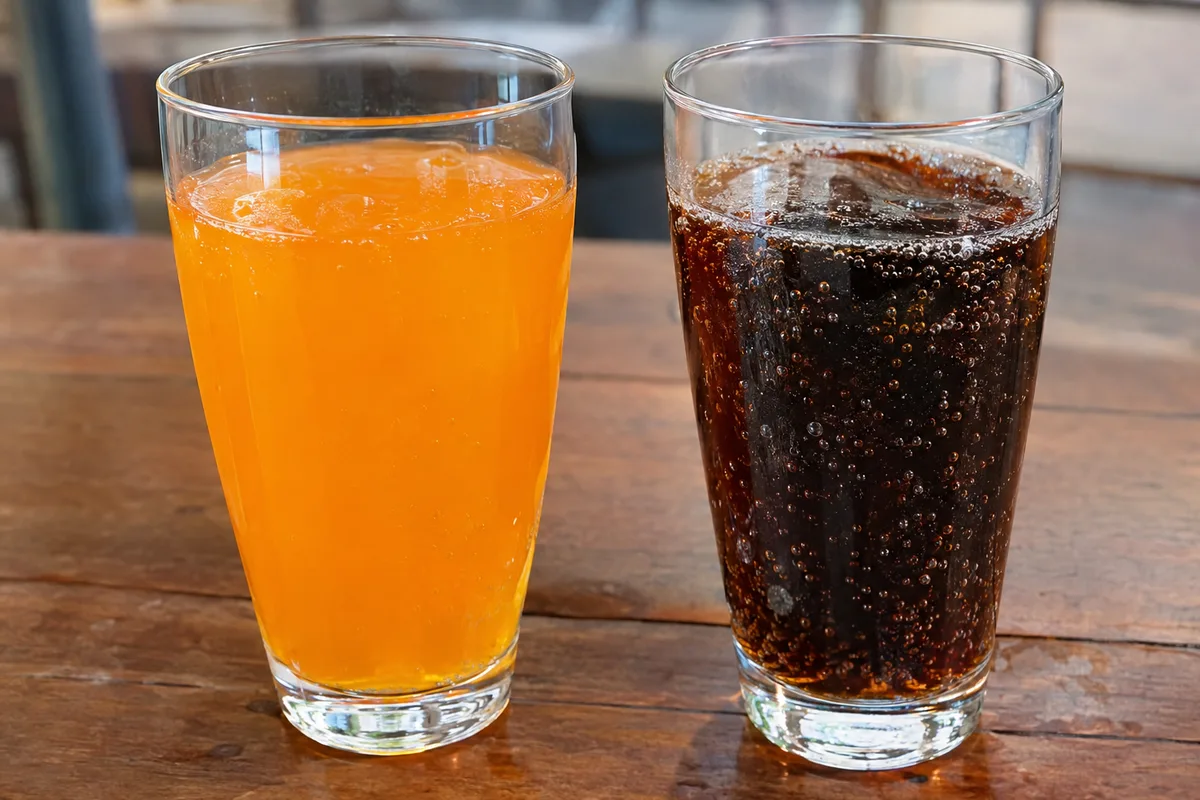
The comparison changes when you look at sugar-free or low-sugar versions. These may provide little energy, although their ingredients and serving sizes still vary. Checking the exact label is more useful than assuming every sports drink or soda is the same.
- Sports drink: fluid, carbohydrate and electrolytes
- Regular soda: fluid, sugar, flavouring and carbonation
- Sugar-free soda: fluid, flavouring, carbonation and sweeteners
- Low-sugar sports drink: fluid and electrolytes with less carbohydrate
Sugar and energy
Regular Gatorade and regular soda both commonly contain added sugar. Carbohydrate provides about 4 kcal per gram, so a drink with more carbohydrate will generally provide more energy. The exact amount depends on the variety, serving size and country in which it is sold.

For tracking, use the nutrition information from the bottle or can you actually drank. A database entry may describe a different flavour, formula or portion. If you pour from a larger bottle, record the amount poured rather than treating the whole container as one standard serving.
Sugar in a sports drink is intended to supply accessible carbohydrate during demanding activity. That does not make it separate from the rest of your intake. If you track carbohydrate or energy, include it just as you would the sugar in soda, juice or sweetened tea.
- Match the product name and flavour
- Check whether it is regular, low-sugar or sugar-free
- Confirm the listed serving size
- Record how much you actually drank
Electrolytes are the main practical distinction
Gatorade contains electrolytes, including sodium, which are lost in sweat. Soda is not designed to replace those losses, even though it still contributes fluid. This difference is most relevant during or after prolonged, sweaty activity.
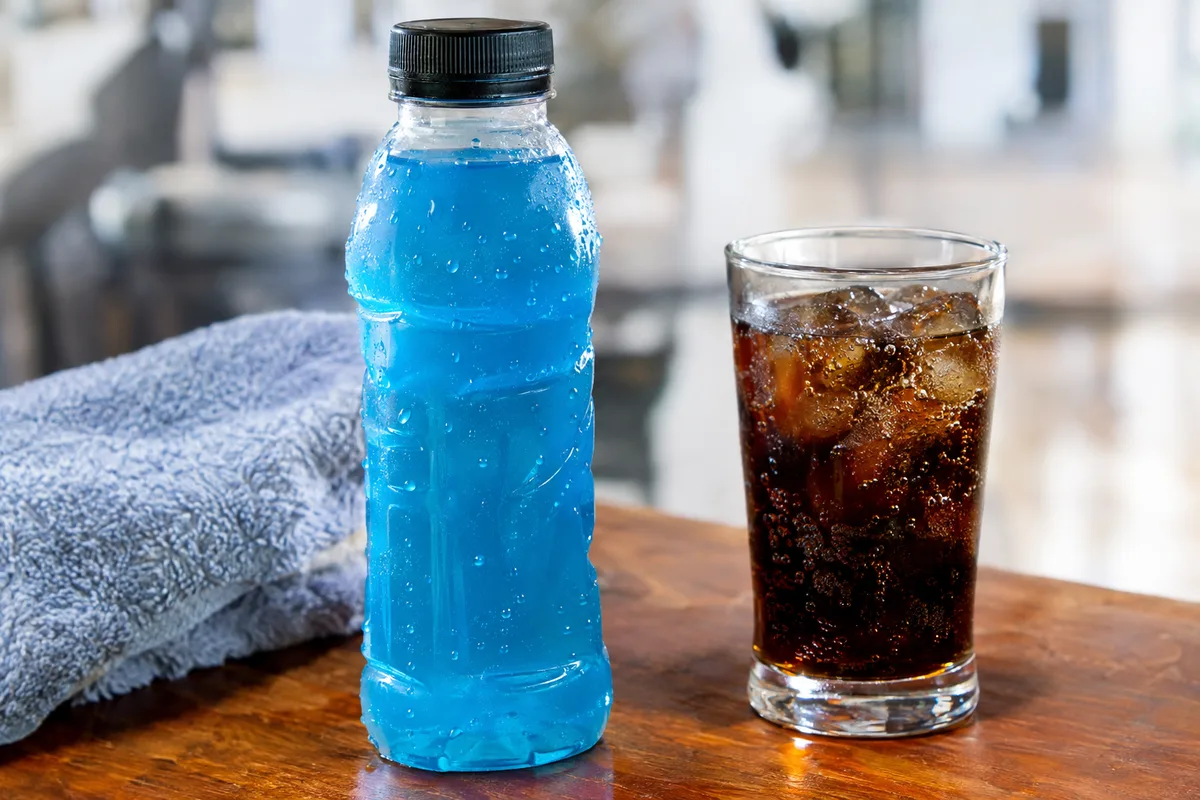
For an ordinary day or a short, gentle session, a sports drink may offer more carbohydrate and sodium than you need for the activity itself. Water and usual meals can often cover routine fluid and nutrient needs. Individual needs vary with exercise length, intensity, weather, clothing and how much someone sweats.
The presence of electrolytes does not make a drink automatically better in every situation. It describes what the drink contains and why it was formulated. Your activity and the rest of your food intake provide the context.
- Long or demanding exercise
- Activity in hot conditions
- Sessions involving heavy sweating
- Repeated activity with limited time to eat between sessions
Caffeine, carbonation and comfort
Many sodas contain caffeine, while others do not. Gatorade products are generally associated with non-caffeinated sports drinks, but ranges and formulas can change. Read the ingredient list if caffeine matters to your routine or sleep.
Carbonation is another clear difference. Soda is fizzy, whereas standard sports drinks are usually still. Some people find carbonation uncomfortable during vigorous movement, while others have no problem with it.
Acidity, sweetness and flavour can also affect what feels pleasant to drink. These qualities do not tell you how much energy a drink contains. Use the nutrition panel for tracking rather than judging by taste.
- Check the label for caffeine
- Note whether carbonation feels comfortable during activity
- Compare sugar and carbohydrate per serving
- Choose an entry that matches the exact version
When each drink may fit
A sports drink has a specific practical role when fluid, carbohydrate and electrolytes are useful together. Soda is more often a recreational drink chosen with a meal or on its own. Neither label tells you whether it fits your day without considering amount, frequency and context.
If you simply want a flavoured drink, compare regular and sugar-free options according to what you track. If you are fuelling demanding exercise, look at carbohydrate and sodium rather than choosing solely by flavour. Water remains a straightforward option when extra carbohydrate and electrolytes are not needed.
You do not have to classify either drink as good or bad. Treat it as one part of the wider day, alongside meals, snacks, activity and other drinks. A consistent log will show how the choice affects the totals that matter to you.
- With a meal: consider taste, sugar and caffeine
- During demanding exercise: consider carbohydrate, sodium and comfort
- For routine hydration: consider whether water meets the need
- When tracking: record the drink, version and amount
A simple way to decide
Start by asking what you want the drink to do. For exercise support, consider how long and hard you are moving, the conditions and how much you are sweating. For enjoyment, compare the flavour and nutrition information without treating a sports label as a health shortcut.
Next, check the serving information and ingredients. Regular Gatorade and regular soda both contribute carbohydrate and energy, while sugar-free versions can be very different. Sodium and caffeine also vary, so assumptions based on colour or brand name can mislead.
Finally, record the choice accurately and move on. One drink does not define the quality of an entire day. The useful comparison is the one that matches your portion, your activity and the rest of your intake.
- Purpose: exercise support or enjoyment
- Type: regular, low-sugar or sugar-free
- Details: carbohydrate, sodium and caffeine
- Portion: the amount actually consumed