
The coffee loophole diet: can a cup really help you lose weight?
The coffee loophole diet uses coffee, timing and optional add-ins to suggest that hunger or body weight can be controlled with one drink. Here is what the trend means, how it fits into calorie tracking and what to consider before changing your routine.
What is the coffee loophole diet?
The coffee loophole diet is a loose social media trend rather than one agreed eating plan. Videos commonly suggest drinking coffee when hunger appears, shortly after waking or within a set time after noticing a craving. The exact recipe and rules vary from one creator to another.

Some versions use plain black coffee, while others add ingredients such as cinnamon, lemon juice or honey. More commercial versions may include powders or concentrated extracts. Because there is no standard recipe, claims about the trend often refer to very different drinks and routines.
The word “loophole” makes the idea sound as though coffee can bypass the usual factors that affect body weight. It cannot. A drink may change how hungry or alert you feel for a while, but it does not create a separate route around your overall energy intake and expenditure.
- Black coffee used in place of a snack
- Coffee taken at a particular time of day
- Coffee mixed with spices or citrus juice
- Sweetened coffee presented as a special recipe
- Coffee combined with powders or extracts
Why coffee can seem to reduce hunger
Coffee contains caffeine, which can briefly increase alertness and may change appetite for some individuals. A warm drink also fills the stomach with fluid, so it can create a temporary sense of fullness. Neither effect means the body no longer needs food.
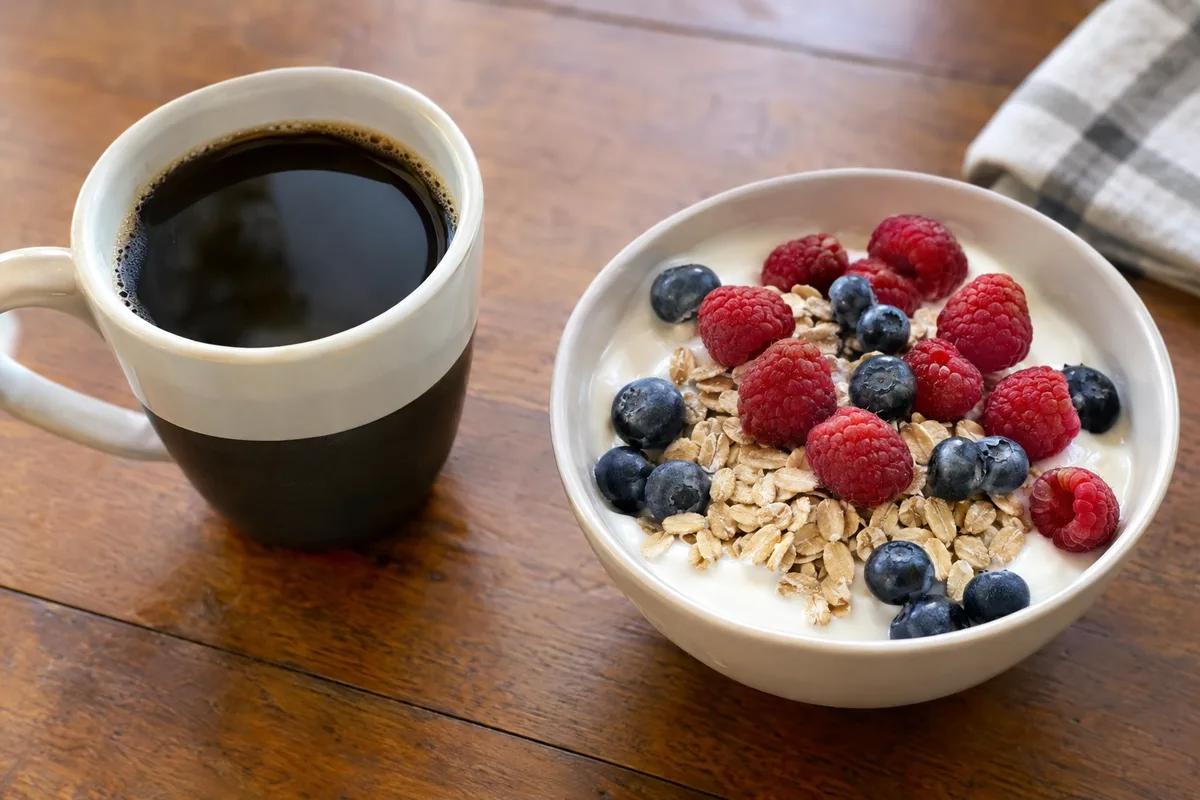
The response is personal and can change with regular use. One person may notice less interest in food for a short period, while another may feel no difference or may become uncomfortable. Even when coffee delays hunger, that hunger can return later.
Replacing a planned snack with black coffee may lower that day’s logged calorie intake, but only because the snack was removed. The same is true of water, tea or another low-energy drink used in its place. Coffee itself has not unlocked a special fat-loss mechanism.
What matters in your calorie log
If body weight changes while following this trend, the useful place to look is the full food and drink record. A consistent difference between energy eaten and energy used matters more than the timing of one cup. The amount needed depends on the person, their routine and their starting point.

Plain coffee contributes little energy, but common additions can change the entry considerably. Milk, cream, sugar, syrups and honey should be logged in the amounts actually used. A large flavoured coffee may function more like a snack than a nearly energy-free drink.
It is also worth checking what happens after the coffee. Skipping food earlier can lead some individuals to choose larger portions later, while others find that their normal meals remain unchanged. Looking at the whole day helps you spot whether the drink genuinely changed your intake or simply moved it to another time.
- Log milk or cream rather than recording only “coffee”
- Measure sweeteners until you can estimate your usual serving
- Include powders and other energy-containing additions
- Review the rest of the day, not just the missed snack
Do the popular add-ins make it a loophole?
Cinnamon, lemon juice and other familiar ingredients can add flavour, but adding them does not turn coffee into a weight-loss shortcut. Any effect on body weight still depends on the wider eating pattern. A strong taste may make a drink feel purposeful without changing that basic fact.

Honey, sugar and sweetened mixtures contribute energy even when they are described as natural. Fat-containing additions contribute more energy per gram because fat provides about 9 kcal per gram, compared with about 4 kcal per gram for carbohydrate or protein. The final total depends on the ingredients and serving sizes.
Powders and concentrated blends deserve particular care because online descriptions may be vague. A long ingredient list or dramatic wording is not proof that a mixture works. If the contents or serving information are unclear, it will also be difficult to log the drink accurately.
- Use cinnamon for flavour, not as a promised shortcut
- Count honey and sugar as part of the drink
- Record milk, cream and powders by their stated serving
- Be cautious with mixtures that do not clearly list their contents
Possible downsides of relying on coffee
More coffee is not automatically better. Caffeine can leave some people feeling shaky, restless or aware of a racing heartbeat, and sensitivity varies widely. The amount that feels comfortable can also depend on other caffeinated drinks consumed that day.

Timing matters because caffeine later in the day may disturb sleep. Poor sleep can make meal planning, appetite awareness and everyday movement harder to manage. Using coffee to push through tiredness does not replace rest.
Coffee can also become a way of repeatedly ignoring clear physical hunger. If you are hungry, low in energy or struggling to concentrate, a balanced meal or snack may fit your needs better than another cup. Anyone who has been advised to limit caffeine should follow that individual guidance rather than a social media routine.
- Notice changes in sleep after later cups
- Track all sources of caffeine across the day
- Stop using the drink as a hunger delay if it leaves you feeling unwell
- Choose food when the signs point to genuine hunger
A practical verdict on the trend
The coffee loophole diet is not a genuine loophole. At most, coffee may help some individuals pause before an unplanned snack or enjoy a lower-energy drink instead of a higher-energy one. Those are ordinary choices within a wider eating pattern, not a special diet effect.
If you enjoy coffee, you can keep it in your log and judge it like any other drink. Record what goes into the cup, notice whether it affects sleep or later eating, and compare patterns over several days rather than drawing conclusions from one morning. There is no need to follow rigid timing rules created for short videos.
A more dependable approach is to use your existing food record to find changes you can repeat comfortably. Regular meals, satisfying sources of protein and fibre, suitable portions and enjoyable movement all contribute to the overall picture. The right amounts and routine depend on the individual.
- Keep coffee if you enjoy it and tolerate it well
- Log the complete drink rather than only the coffee
- Judge progress from the overall pattern
- Choose repeatable habits over dramatic rules